
Living with leukemia can be a challenging experience that affects both your emotional well-being and your day-to-day life. From the emotional strain of facing a life-threatening illness to the practical challenges of managing treatment, the impact of leukemia on daily life is profound. This article explores the various ways in which leukemia can bring about emotional and practical difficulties, highlighting the importance of support and coping strategies in navigating this journey.
Physical and Emotional Symptoms
Understanding the physical symptoms of leukemia
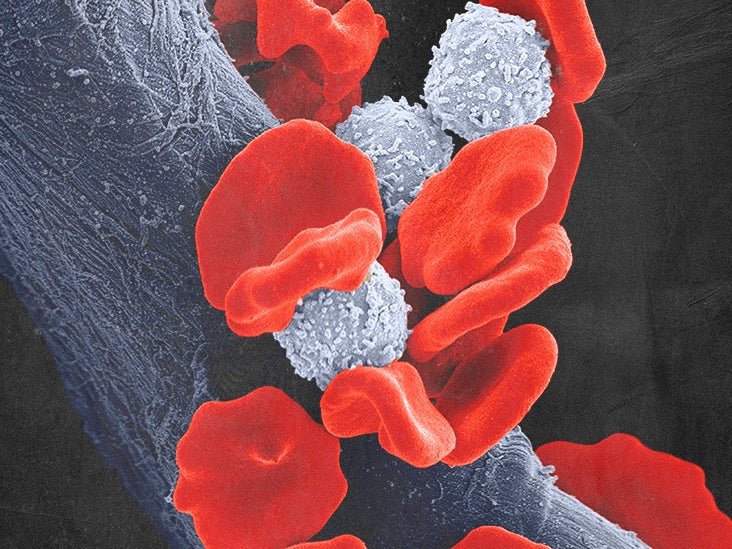
Leukemia can have various physical symptoms that can vary from person to person. Some common symptoms include frequent infections, fatigue, weakness, pale skin, shortness of breath, easy bruising or bleeding, swollen lymph nodes, and bone or joint pain. These symptoms occur due to the abnormal growth of white blood cells, which affects the body’s ability to fight infections and produce enough red blood cells. It’s important to consult with a healthcare professional if you experience any of these symptoms to get an accurate diagnosis.
Exploring the emotional impact of leukemia
Aside from the physical symptoms, leukemia can also have a significant emotional impact. It is normal to experience feelings of fear, anxiety, sadness, and grief after a leukemia diagnosis. Coping with the uncertainty of the disease, undergoing treatment, and facing potential changes in lifestyle can be overwhelming. It’s essential to acknowledge and express your emotions, whether it’s through talking to loved ones, seeking therapy or counseling, or engaging in activities that bring you joy and relaxation.
Managing the physical and emotional symptoms
Managing the physical and emotional symptoms of leukemia requires a comprehensive approach. It is crucial to follow the treatment plan prescribed by your healthcare team, which may involve chemotherapy, radiation, stem cell transplant, or other targeted therapies. Additionally, adopting a healthy lifestyle, including regular exercise, nutritious eating, and getting enough rest, can help manage physical symptoms and improve overall well-being. Seeking emotional support from loved ones, support groups, or mental health professionals can provide the necessary guidance and coping mechanisms to navigate the emotional challenges.
Seeking support from healthcare professionals and support groups
Remember that you are not alone in your journey with leukemia. Healthcare professionals, including oncologists, hematologists, nurses, and social workers, are there to help you understand your diagnosis, treatment options, and guide you through the entire process. Don’t hesitate to ask questions and seek their expertise. Support groups and organizations specifically catering to individuals with leukemia can offer a sense of community, shared experiences, and valuable information. Reach out to these resources to connect with others who can relate to your experiences and offer support and encouragement.
Financial Implications
Understanding the financial impact of leukemia
Dealing with leukemia can bring significant financial implications. The costs associated with treatment, medications, and ongoing medical care can quickly add up. Understanding the financial impact early on is essential for planning and managing these expenses effectively. It may be helpful to sit down with a financial advisor or healthcare professional to assess your insurance coverage, overall financial situation, and discuss potential financial challenges you may face.
Exploring insurance coverage and cost of treatment
Medical insurance coverage plays a crucial role in managing the financial burden of leukemia treatment. It is important to review your insurance policy and understand the scope of coverage for leukemia-related treatment, including chemotherapy, radiation, hospital stays, and medication. Take note of deductibles, copayments, out-of-pocket limits, and any preauthorization requirements. In case your insurance coverage falls short, consider exploring alternative insurance options or financial assistance programs available through hospitals, pharmaceutical companies, or charitable foundations.
Managing medical bills and financial responsibilities
Receiving medical bills can be overwhelming, but there are steps you can take to manage them effectively. Keep careful track of all medical expenses, including bills, insurance claims, and payment receipts. Create a budget and explore payment options, such as installment plans or negotiating with healthcare providers for possible discounts or financial assistance. Consider reaching out to a financial counselor who can help you navigate the complex financial aspects and offer guidance on managing medical bills and other financial responsibilities.
Seeking financial assistance and resources
Various financial assistance programs and resources are available to support individuals with leukemia and their families. These programs may provide grants, discounts, or co-payment assistance for medications, treatments, or other medical expenses. Research and reach out to organizations specializing in leukemia support, as they may have resources and information on available financial assistance options. Additionally, local social services agencies or nonprofit organizations may offer financial aid or connect you with community resources to help alleviate the financial burden of leukemia.

Impact on Relationships
Impact on romantic relationships
A leukemia diagnosis can significantly impact romantic relationships. The physical, emotional, and financial challenges associated with the disease can strain the relationship’s dynamics. Open and honest communication with your partner is essential during this time. Share your feelings, concerns, and needs with each other, and work together to find ways to offer support and understanding. Seek couples therapy or counseling if necessary, as it can provide a safe space to explore the impact of leukemia on your relationship and develop coping strategies.
Impact on family dynamics
Leukemia can disrupt the dynamics within a family. Family members may experience a range of emotions, from fear and sadness to anger and guilt. It’s important to create an open and supportive environment where everyone’s emotions can be expressed and acknowledged. Encourage family members to ask questions, seek information about the disease, and support one another. Consider involving children in age-appropriate conversations about leukemia and providing reassurance and love throughout the journey.
Impact on friendships and social connections
Leukemia can also impact friendships and social connections. Some friends may struggle with understanding or providing the support you need, while others may step up to be there for you in every way they can. It’s important to communicate your needs and boundaries with your friends and be open to accepting help when necessary. Seek out support groups or online communities where you can connect with others who understand your experience and can provide valuable support and friendship.
Communicating and navigating relationships during leukemia
One of the key aspects of navigating relationships during leukemia is effective communication. Be open and honest with your loved ones about your needs, concerns, and emotions. Share information about leukemia, treatment updates, and any changes in your condition that may impact your relationships. Allow your loved ones to ask questions and express their feelings, and be patient and understanding. Remember that everyone’s experience with leukemia is unique, and having compassion for one another can go a long way in maintaining and strengthening relationships.
Work and Career Challenges
Impact on work productivity and performance
Leukemia can significantly impact your ability to work and your overall productivity. Fatigue, physical limitations, side effects of treatment, and frequent medical appointments may affect your work schedule and ability to perform at your best. It’s important to communicate with your employer or human resources department about your diagnosis and any potential accommodations you may need. Explore flexible work options, such as adjusting your hours, working remotely when possible, or reducing your workload temporarily.
Navigating workplace accommodations and disability benefits
The Americans with Disabilities Act (ADA) provides protections and accommodations for individuals with disabilities, including those with leukemia. Discuss your needs with your employer or human resources department to explore reasonable workplace accommodations, which may include modified work hours, a reduced workload, or adjustments in your workspace. Additionally, you may be eligible for disability benefits, such as Social Security Disability Insurance (SSDI) or short-term disability insurance. Consult with a disability benefits specialist or social worker to understand your options and navigate the application process.
Maintaining a work-life balance
Maintaining a balance between work and personal life is crucial during leukemia treatment. It’s essential to prioritize self-care and allocate time for rest and relaxation. Communicate with your employer and colleagues about your treatment schedule and any necessary time off. Consider discussing a potential work-from-home arrangement or reducing your work hours temporarily to manage your energy levels effectively. Don’t hesitate to lean on your support system, including family, friends, or support groups, when you need assistance with daily responsibilities, allowing you to focus on your health and treatment.
Exploring career changes and career development
Leukemia may prompt you to re-evaluate your career path and future aspirations. You may find that your priorities have shifted, and you desire a job or career that better aligns with your newfound perspective on life. Take the time to reflect on your passions, skills, and long-term goals. Consider speaking with a career counselor or exploring educational opportunities that can enhance your skills or help you transition into a different field. Remember that it’s never too late to pursue your dreams, and leukemia diagnosis can serve as a catalyst for positive change and personal growth.

Managing Treatment and Medications
Understanding different treatment options for leukemia
Leukemia treatment options can vary depending on the type and stage of the disease. Common treatments include chemotherapy, radiation therapy, targeted therapies, immunotherapy, and stem cell transplant. It’s important to consult with a hematologist or oncologist to understand the specific treatment plan recommended for your situation. They will consider factors such as the type of leukemia, your overall health, and any genetic or molecular characteristics of the cancer to tailor the treatment to your needs.
Navigating chemotherapy, radiation, and other treatments
Chemotherapy and radiation therapy are commonly used to treat leukemia. Chemotherapy involves the use of powerful medications to kill cancer cells throughout the body, while radiation therapy uses high-energy beams to target and destroy cancer cells in specific areas. It’s normal to experience side effects from these treatments, such as hair loss, nausea, fatigue, and weakened immune system. Work closely with your healthcare team to manage these side effects and explore supportive care options, such as anti-nausea medications, pain management techniques, and nutritional supplements.
Managing medication schedules and side effects
Leukemia treatment often involves the use of various medications, including chemotherapy drugs, targeted therapies, and supportive medications to manage side effects. It’s crucial to adhere to the prescribed medication schedule and follow any specific instructions provided by your healthcare team. Keep a record of your medications, including dosages and timings, to ensure you take them as prescribed. If you experience any worrisome side effects, communicate with your healthcare team promptly to address them and explore possible solutions.
Communicating with healthcare providers about treatment options
Effective communication with your healthcare providers is key to making informed decisions about your treatment options. Ask questions about the different treatments available, their potential benefits, risks, and potential side effects. Discuss your goals and preferences with your healthcare team, as they can consider this information in tailoring a treatment plan that aligns with your needs and values. Keep an open line of communication throughout your treatment journey to ensure that you have a comprehensive understanding of your options and are involved in the decision-making process.
Maintaining Physical and Mental Health
Developing a healthy lifestyle during leukemia
Maintaining a healthy lifestyle during leukemia treatment is crucial for managing the physical and emotional challenges that lie ahead. Adopting a nutritious diet rich in fruits, vegetables, whole grains, and lean proteins can support your overall health and provide the necessary nutrients for your body to heal. Additionally, regular exercise within the boundaries of your physical abilities can help manage fatigue, improve mood, and enhance overall well-being. Consult with your healthcare team or a registered dietitian to develop a meal plan and exercise routine that suits your individual needs.
Managing fatigue and physical limitations
Fatigue is a common symptom experienced by individuals with leukemia. It’s important to prioritize rest and listen to your body’s signals. Pace yourself and plan activities around your energy levels. If necessary, consider incorporating short naps or breaks into your day to combat fatigue. Explore relaxation techniques, such as meditation, deep breathing exercises, or gentle yoga, to help manage stress and enhance overall well-being. Don’t hesitate to ask for assistance with physically demanding tasks or delegate responsibilities to others to conserve your energy.
Coping with mental health challenges
Managing the emotional challenges associated with leukemia requires proactive steps to prioritize your mental health. Seek therapy or counseling from a mental health professional experienced in working with individuals facing cancer diagnoses. They can provide support, coping strategies, and help you navigate the range of emotions you may experience. Engage in activities that bring you joy and relaxation, such as hobbies, meditation, reading, or spending time in nature. Consider joining support groups or online communities where you can connect with others facing similar challenges and gain validation, understanding, and support.
Incorporating exercise and nutrition into daily routine
Exercise and nutrition are essential components of maintaining physical and mental health during leukemia treatment. Engaging in regular physical activity, such as walking, swimming, or gentle stretching exercises, can help improve strength, your immune system, and overall well-being. Consult your healthcare team for recommendations on appropriate exercises based on your specific condition and energy levels. Additionally, prioritize a well-balanced diet that includes fruits, vegetables, whole grains, lean proteins, and adequate hydration. Working with a registered dietitian can help you create a personalized meal plan that optimizes your nutrition and supports your body’s healing process.

Impact on Daily Activities
Impact on daily routines and responsibilities
Leukemia can greatly impact your daily routines and responsibilities. The physical and emotional challenges associated with the disease may require adjustments in your day-to-day activities. Be open to adapt your routines and responsibilities as needed to accommodate your energy levels and prioritize self-care. Communicate with your loved ones about any potential changes in roles and responsibilities, and explore ways to share the load. Flexibility and open communication can help create a supportive environment that allows you to navigate daily activities with greater ease.
Exploring the need for assistance and support
Recognizing the need for assistance and support is essential when living with leukemia. Don’t hesitate to ask for help when needed. Reach out to your support system, including family, friends, or neighbors, and let them know how they can support you. Tasks such as grocery shopping, meal preparation, or driving to medical appointments can be shared with loved ones. Additionally, consider connecting with local community resources, volunteers, or support groups that offer assistance to individuals with leukemia and their families.
Adapting daily activities and hobbies
Leukemia may necessitate adjustments in your daily activities and hobbies. While you may not be able to engage in certain activities during treatment, explore alternative hobbies and interests that accommodate your energy levels and limitations. Consider activities that are low impact, such as reading, painting, listening to music, or gentle yoga. Engaging in activities that bring you joy and relaxation can help uplift your spirits and provide a sense of normalcy during challenging times.
Planning and organizing tasks and appointments
Managing leukemia and its treatment involve a multitude of tasks and medical appointments. It’s essential to develop effective planning and organizational strategies to stay on top of these responsibilities. Utilize calendars, digital reminders, or smartphone apps to keep track of medical appointments, medication schedules, and other important tasks. Prioritize and break down bigger tasks into smaller, manageable steps, and consider enlisting the help of loved ones or support groups to assist with organizing and managing your schedule.
Coping with Uncertainty and Future Outlook
Dealing with the uncertainty of prognosis
Coping with the uncertainty of leukemia prognosis can be emotionally challenging. It’s important to understand that each individual’s prognosis is unique and can depend on various factors, including the type and stage of leukemia, response to treatment, and overall health. Engage in open and honest conversations with your healthcare team to gain a comprehensive understanding of your prognosis. Seek emotional support from loved ones, support groups, or mental health professionals to help you cope with the uncertainty and navigate this challenging phase.
Finding hope and positivity during leukemia
While leukemia presents numerous physical and emotional challenges, it’s important to find hope and positivity throughout your journey. Focus on the present moment and engage in activities that bring joy and fulfillment. Surround yourself with loved ones who offer support and encouragement. Explore mindfulness practices, gratitude exercises, or journaling to foster a positive mindset. Embrace the opportunities for personal growth and self-discovery that can arise amidst the challenges of leukemia.
Setting realistic expectations and goals
Setting realistic expectations and goals can help you navigate the uncertainties of leukemia and maintain a positive outlook. Understand that your energy levels and physical abilities may fluctuate throughout treatment. Be flexible and adjust your expectations accordingly, ensuring that you listen to your body’s needs and prioritize self-care. Celebrate small victories and accomplishments, whether it’s completing a treatment cycle or engaging in a favorite activity. Setting realistic goals based on your current circumstances can provide a sense of achievement and motivation.
Planning for the future and making long-term decisions
Leukemia may prompt you to make long-term decisions and plan for the future. Take the time to address important matters, such as legal and financial considerations, advance care directives, and estate planning. It may be beneficial to consult with an attorney, financial advisor, or social worker to ensure that your affairs are in order and that you have a clear plan in place. Although it can be challenging, try to strike a balance between planning for the future and focusing on the present, allowing yourself to live in the moment and find joy amidst your leukemia journey.

Impact on Parenting and Caregiving
Challenges of being a parent with leukemia
Being a parent with leukemia brings unique challenges that require careful navigation. Understanding the impact of leukemia on your parenting role is crucial in finding strategies for managing these challenges effectively. Communicate openly with your children about your diagnosis and treatment in age-appropriate ways. Encourage them to ask questions and express their feelings. Normalize their emotions and provide reassurance. Seek support from loved ones or join support groups specifically designed for parents with leukemia to share experiences, gain insights, and develop coping mechanisms.
Impact on caregiving responsibilities
Leukemia can have a significant impact on caregiving responsibilities, especially if you have dependent children or other family members who rely on your support. It’s important to communicate openly with your support system and identify practical ways in which they can assist you. Share caregiving tasks with your partner, family members, or close friends, ensuring that everyone understands your individual needs and challenges. Utilize available resources, such as professional caregiving services or support groups, to alleviate the burden and ensure that your loved ones receive the care they need amidst your own journey with leukemia.
Supporting children and family during leukemia
Supporting children and family members during your leukemia journey requires open communication, empathy, and creating a safe space for sharing emotions. Provide age-appropriate information to your children and answer their questions honestly. Assure them of your love and commitment to their well-being. Consider involving family members, such as grandparents or close relatives, in caregiving and support roles. Encourage open dialogue about feelings and emotions, and explore activities that promote connection and bonding. Using resources such as books, online information, and support groups can provide guidance on supporting children and family members during this challenging time.
Managing the emotional impact on children
A leukemia diagnosis and treatment can have a profound emotional impact on children. They may experience a range of emotions, including fear, sadness, anger, or confusion. Offer a safe space for them to express their feelings, and provide reassurance and comfort. Encourage open communication and answer their questions honestly, using language appropriate for their age and level of understanding. Depending on their age and needs, consider involving therapists or counselors who specialize in supporting children and adolescents facing medical challenges. Engaging in age-appropriate activities that promote a sense of normalcy and stability can also help children manage the emotional impact of leukemia.
Developing Coping Strategies and Self-Care
Exploring coping mechanisms and stress reduction techniques
Developing coping mechanisms and stress reduction techniques is essential for managing the challenges of leukemia effectively. Explore a variety of strategies to find what works best for you. These may include deep breathing exercises, meditation, yoga, journaling, mindfulness practices, engaging in hobbies or creative outlets, or spending time in nature. Experiment with different coping techniques and be patient with yourself as you find what brings you comfort and relief during difficult times. Reach out to mental health professionals or support groups for additional guidance and support.
Seeking therapy and counseling for emotional support
Therapy and counseling can provide valuable emotional support when dealing with the challenges of leukemia. Consider seeking therapy from a licensed mental health professional who specializes in working with individuals facing cancer diagnoses. Therapy can help you develop coping strategies, navigate emotional challenges, and provide a safe space to express your fears, concerns, and hopes. Individual therapy, family therapy, or couples counseling can be beneficial, depending on your specific needs and circumstances. Remember that seeking help is a sign of strength, and therapy can provide valuable tools to navigate the emotional aspects of leukemia.
Engaging in self-care activities
Self-care is essential for maintaining physical and emotional well-being during leukemia. Engage in activities that bring you joy and relaxation, whether it’s taking a bubble bath, reading a favorite book, listening to music, or enjoying nature. Prioritize rest and sleep to replenish your energy levels. Set boundaries and learn to say no when necessary, prioritizing your needs and overall health. Practice self-compassion and treat yourself with kindness throughout your leukemia journey. Developing a self-care routine that addresses your physical, emotional, and spiritual needs can help enhance your overall well-being.
Finding sources of inspiration and motivation
Finding sources of inspiration and motivation is important when facing the challenges of leukemia. Seek out stories of individuals who have overcome similar obstacles and have thrived despite their diagnosis. Connect with online communities, support groups, or organizations where you can find encouragement, shared experiences, and stories of hope. Engage in activities that inspire and motivate you, such as reading uplifting literature, listening to podcasts, or watching inspiring documentaries. Surround yourself with positive influences, and look for role models who embody resilience and strength. These sources of inspiration can serve as a reminder of the possibilities and instill a sense of hope on your leukemia journey.