
Have you ever wondered what the latest research on Mpox and Monkeypox reveals? Look no further! In this article, we will explore the cutting-edge findings and discoveries in the field. From breakthrough treatments to potential prevention strategies, we will dive into the spotlight of this fascinating research. So, grab a cup of tea and get ready to uncover the world of Mpox and Monkeypox research in a friendly and engaging manner!
Overview of Mpox and Monkeypox
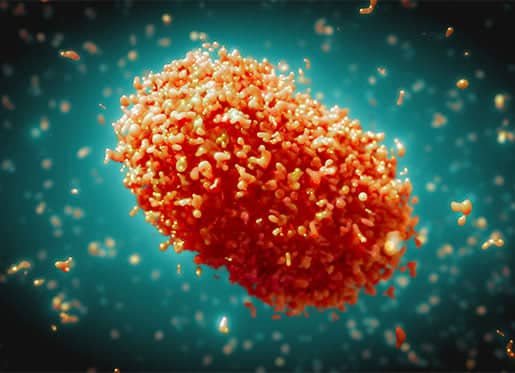
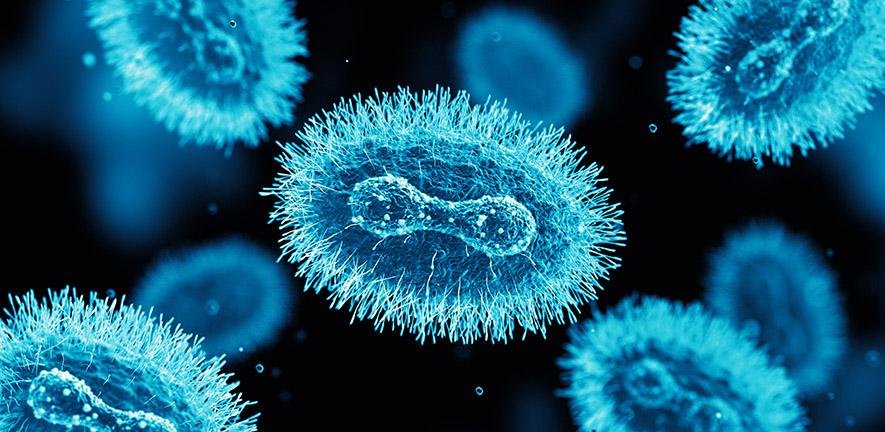
Mpox and Monkeypox are infectious viral diseases that are closely related and share similarities in terms of their clinical presentation and transmission. Both diseases are caused by Orthopoxviruses and belong to the same family of viruses as the smallpox virus, Variola. While cases of smallpox have been eradicated since 1980, Mpox and Monkeypox still pose a threat to public health in certain regions.
Causes and Transmission
Similarities and Differences between Mpox and Monkeypox
Mpox and Monkeypox share several similarities, but there are also important distinctions between the two diseases. Both are zoonotic diseases, meaning they can be transmitted from animals to humans. However, Monkeypox is primarily transmitted through contact with infected animals, particularly rodents such as squirrels and monkeys, while the exact animal reservoir for Mpox is still unknown.
One of the key differences between Mpox and Monkeypox is their geographical distribution. Monkeypox is endemic in regions of Central and West Africa, while Mpox outbreaks have been reported in Asia, particularly in India. Another difference lies in the severity of the diseases, with Monkeypox generally causing milder symptoms compared to Mpox.
Sources of Infection
The primary sources of infection for both Mpox and Monkeypox are animals, including wild rodents and non-human primates. The virus can be found in the skin lesions and bodily fluids of infected animals, making direct contact with these sources a significant risk factor. Additionally, consumption of undercooked meat from infected animals or exposure to contaminated materials can also lead to infection.
Modes of Transmission
Mpox and Monkeypox can be transmitted through several routes. In the case of Monkeypox, human-to-human transmission is possible through respiratory secretions, contact with the skin lesions or bodily fluids of infected individuals, and through contaminated objects. In contrast, human-to-human transmission of Mpox has not been well-documented.
Clinical Presentation and Symptoms
Initial Symptoms
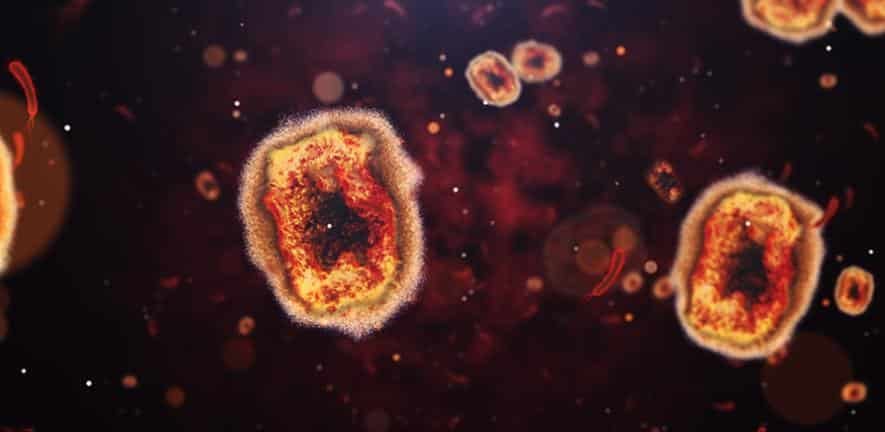
Both Mpox and Monkeypox share similar initial symptoms. The first signs of infection often include fever, headache, fatigue, and muscle aches. Additionally, patients may experience a rash that starts on the face and spreads to other parts of the body. These initial symptoms can be mistaken for other illnesses, making accurate diagnosis challenging.
Progression of Symptoms
As the diseases progress, Mpox and Monkeypox can cause more severe symptoms. Patients may develop swollen lymph nodes, which can be painful and tender. The rash may evolve into raised and fluid-filled blisters, which can be a distinguishing feature of the diseases. The symptoms can persist for several weeks and may require medical intervention.
Complications
Complications can arise from both Mpox and Monkeypox. In severe cases, patients may experience secondary bacterial infections of the skin lesions, pneumonia, or encephalitis. These complications can be life-threatening, especially for individuals with weakened immune systems or those who are not promptly diagnosed and treated.
Diagnosis
Clinical Examination
Diagnosing Mpox and Monkeypox can be challenging due to the similarity of symptoms with other illnesses. However, a thorough clinical examination can provide valuable insights. Doctors will examine the characteristic rash and assess the nature and progression of symptoms. They will also inquire about any potential exposure to infected animals or individuals.
Laboratory Tests
Laboratory tests are crucial in confirming the diagnosis of Mpox and Monkeypox. A variety of techniques are available, including polymerase chain reaction (PCR) testing, which can detect the presence of the viral genetic material. Additionally, antibody tests can determine if a person has been previously exposed to the viruses.
Differential Diagnosis
Differential diagnosis is essential to distinguish Mpox and Monkeypox from other conditions with similar symptoms, such as chickenpox, herpes zoster, and certain bacterial infections. The expertise of healthcare professionals and the availability of laboratory testing are key factors in accurately diagnosing the diseases.
Prevention and Control
Vaccination
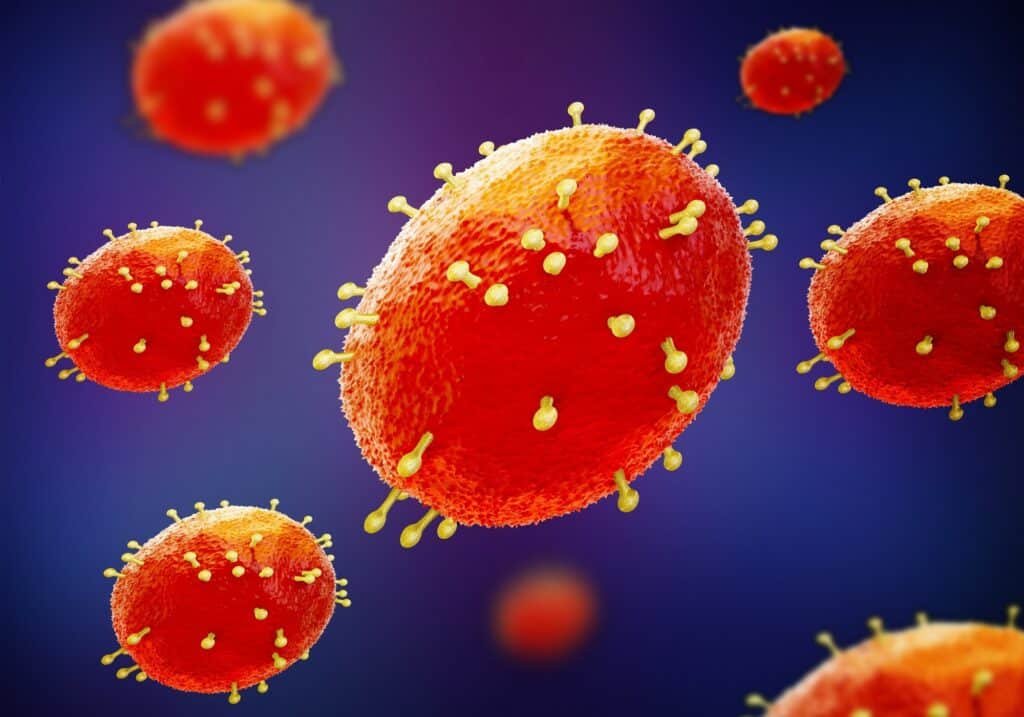
Vaccination plays a crucial role in preventing the spread of Mpox and Monkeypox. The smallpox vaccine provides some protection against Monkeypox, and routine smallpox vaccination in endemic areas has been effective in reducing the number of cases. However, Mpox does not have a specific vaccine, and efforts to develop an effective vaccine are ongoing.
Isolation and Quarantine
Isolation of infected individuals and quarantine of potentially exposed individuals are important measures in preventing the spread of Mpox and Monkeypox. Patients should be kept in isolation to minimize contact with others and to prevent further transmission. Close contacts of confirmed cases should be monitored and quarantined if necessary.
Hygiene Practices
Practicing good hygiene is crucial to prevent Mpox and Monkeypox infections. Regular handwashing with soap and water, especially after contact with animals or potentially contaminated objects, is essential. It is also important to avoid touching or scratching the rash or lesions to prevent secondary bacterial infections.
Mpox and Monkeypox Outbreaks
Recent Outbreaks
In recent years, there have been sporadic outbreaks of both Mpox and Monkeypox reported in various regions. Monkeypox outbreaks have occurred in countries such as Nigeria, Democratic Republic of the Congo, and Cameroon. Mpox outbreaks, although less frequent, have been documented in India.
Affected Regions
Monkeypox is endemic in Central and West Africa, with reported cases in Nigeria, Cameroon, the Democratic Republic of the Congo, and other neighboring countries. Mpox outbreaks have been reported in India, particularly in the states of West Bengal, Maharashtra, and Kerala. The exact geographic distribution of Mpox remains to be fully understood.
Population at Risk
Certain populations are particularly at risk for Mpox and Monkeypox infections. People living in rural areas with close contact with animals, such as hunters and farmers, are more likely to be exposed to the viruses. Additionally, healthcare workers and individuals involved in the care of infected individuals are at a higher risk of contracting the diseases.
Treatment and Management
Antiviral Medications
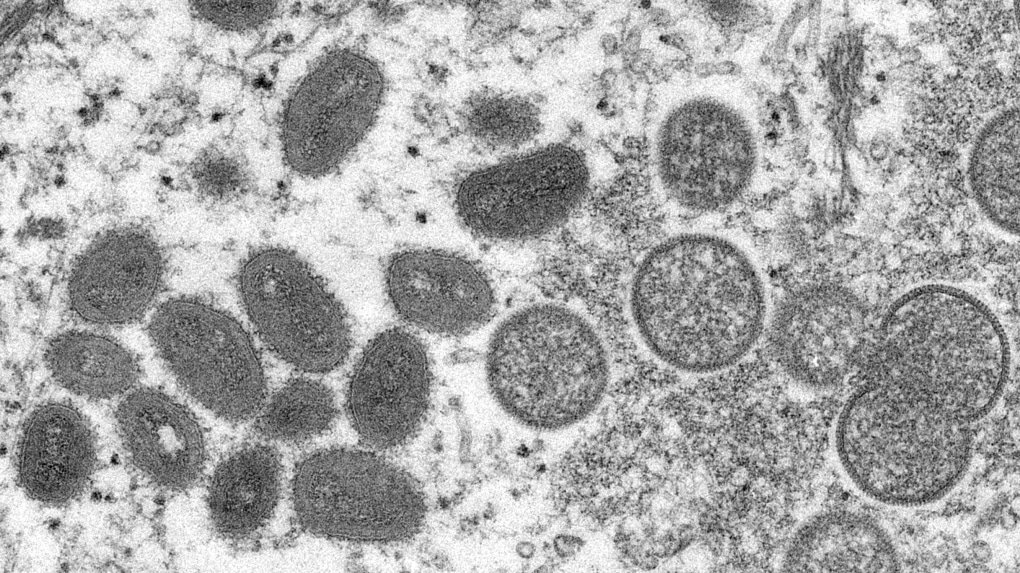
There are no specific antiviral medications available for the treatment of Mpox and Monkeypox. However, certain antiviral drugs, such as cidofovir, have shown potential in reducing the severity of symptoms and improving outcomes. These medications are typically reserved for severe cases or individuals at high risk of complications.
Pain Management
Managing pain and discomfort is an important aspect of the treatment for Mpox and Monkeypox. Over-the-counter pain relievers can help alleviate fever, headache, and muscle aches. Topical creams or ointments may also be prescribed to relieve itching and discomfort associated with the skin lesions.
Supportive Care
Supportive care is crucial in managing Mpox and Monkeypox infections. Patients may require hospitalization for close monitoring and supportive measures, such as fluid replacement and respiratory support if needed. Timely and appropriate medical care can help prevent complications and improve patient outcomes.
Research on Mpox and Monkeypox
Current Studies
Ongoing research aims to deepen our understanding of Mpox and Monkeypox, with a focus on improving diagnostic tools, developing effective treatments, and elucidating the animal reservoirs for the viruses. Researchers are also investigating the genetic characteristics of the viruses and their evolution to gain insights into potential future outbreaks.
Viral Genomics
Advances in viral genomics have contributed to our understanding of Mpox and Monkeypox. By studying the genetic sequences of the viruses, scientists can trace their origins, identify variations between strains, and better understand their potential for spread and virulence. Genomic surveillance can play a vital role in outbreak detection and response.
Animal Models for Research
Animal models are instrumental in studying the pathogenesis and transmission of Mpox and Monkeypox. Researchers use animal models to investigate the host immune response, test potential treatments and vaccines, and gain insights into transmission dynamics. These studies contribute to the development of effective control measures and the advancement of medical knowledge.
Public Health Response
Surveillance and Reporting
Surveillance systems are crucial for detecting and monitoring Mpox and Monkeypox cases. Timely reporting of suspected cases to public health authorities allows for a coordinated response. Effective surveillance ensures early detection, prompt intervention, and the implementation of control measures to prevent further transmission.
Contact Tracing
Contact tracing is an essential component of Mpox and Monkeypox outbreak response. Trained healthcare professionals identify and monitor individuals who have had close contact with infected patients to detect potential secondary cases. Contact tracing helps contain the spread of the viruses and prevent new clusters of infections.
Public Awareness Campaigns
Public awareness campaigns play a critical role in preventing the spread of Mpox and Monkeypox. These campaigns educate the public about the signs and symptoms of the diseases, modes of transmission, and prevention measures. They also aim to reduce stigma and promote early reporting of suspected cases to minimize the impact of outbreaks.
Global Initiatives and Collaborations
World Health Organization (WHO)
The World Health Organization (WHO) plays a crucial role in global efforts to address Mpox and Monkeypox. WHO provides technical guidance, supports surveillance and diagnostic capacities, and assists in outbreak response. The organization also collaborates with member countries to strengthen prevention and control measures and promote research and development.
Centers for Disease Control and Prevention (CDC)
The Centers for Disease Control and Prevention (CDC) in the United States actively supports Mpox and Monkeypox research and surveillance. The CDC assists in laboratory testing and analysis, provides guidance for healthcare professionals, and contributes to the global understanding of the viruses. Their expertise and resources are vital in the global fight against these diseases.
International Research Networks
International research networks are essential for collaboration and knowledge-sharing in the field of Mpox and Monkeypox. These networks bring together researchers, healthcare professionals, and public health authorities from different regions to exchange information, share best practices, and develop strategies to combat the diseases. Collaboration enhances the collective response to outbreaks and fosters innovation in prevention and control strategies.
In conclusion, Mpox and Monkeypox are viral diseases that continue to pose a threat to public health in certain regions. While Mpox outbreaks have been reported in Asia, Monkeypox is endemic in Central and West Africa. Understanding the causes, transmission modes, clinical presentation, and prevention measures of these diseases is vital in controlling their spread. Ongoing research, global initiatives, and collaboration among organizations and researchers are essential in improving diagnostics, developing treatments, and enhancing prevention and control strategies. With continued efforts and a comprehensive approach, it is possible to mitigate the impact of Mpox and Monkeypox outbreaks and safeguard public health.