
Hey there! Curious about the recent Monkeypox outbreak? Well, we’ve got you covered. In this article, we’ll take a closer look at the symptoms and prevention strategies surrounding this viral disease. So, if you want to stay informed and learn how to protect yourself, keep reading!
Understanding Monkeypox Outbreak
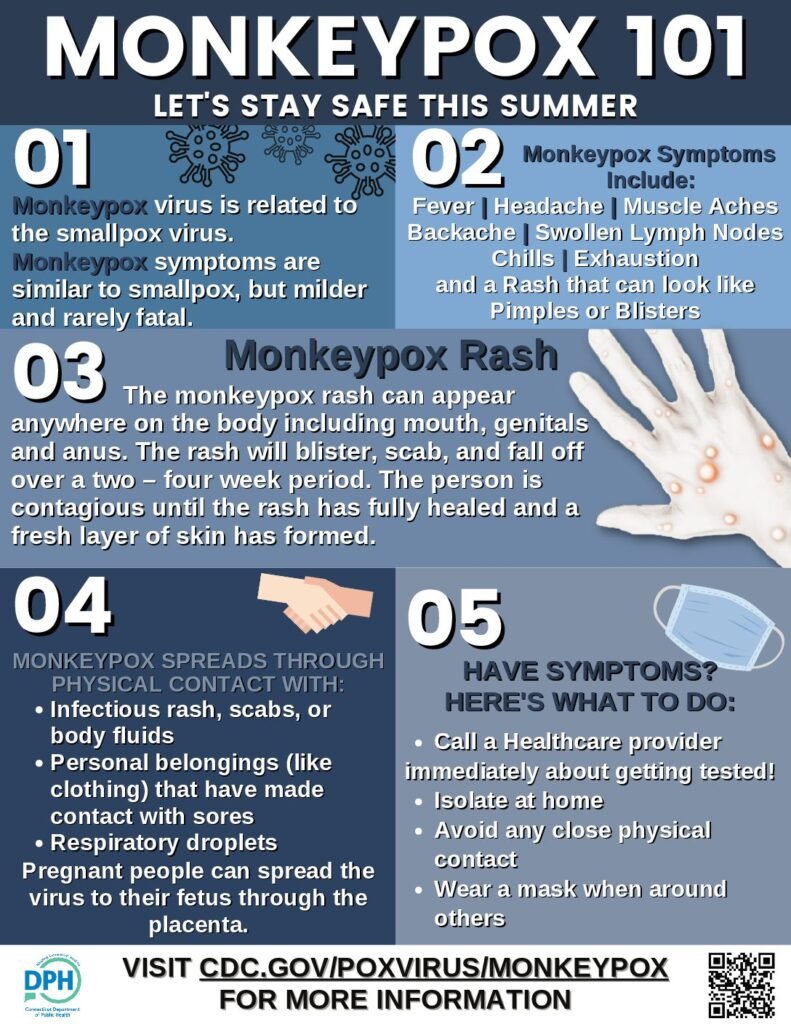
Monkeypox is a rare viral disease that affects both humans and animals. It is caused by the monkeypox virus, which belongs to the family of viruses known as orthopoxviruses. Monkeypox shares similarities with smallpox, but it is generally less severe. However, it can still cause serious illness and even death in some cases.
Overview of Monkeypox
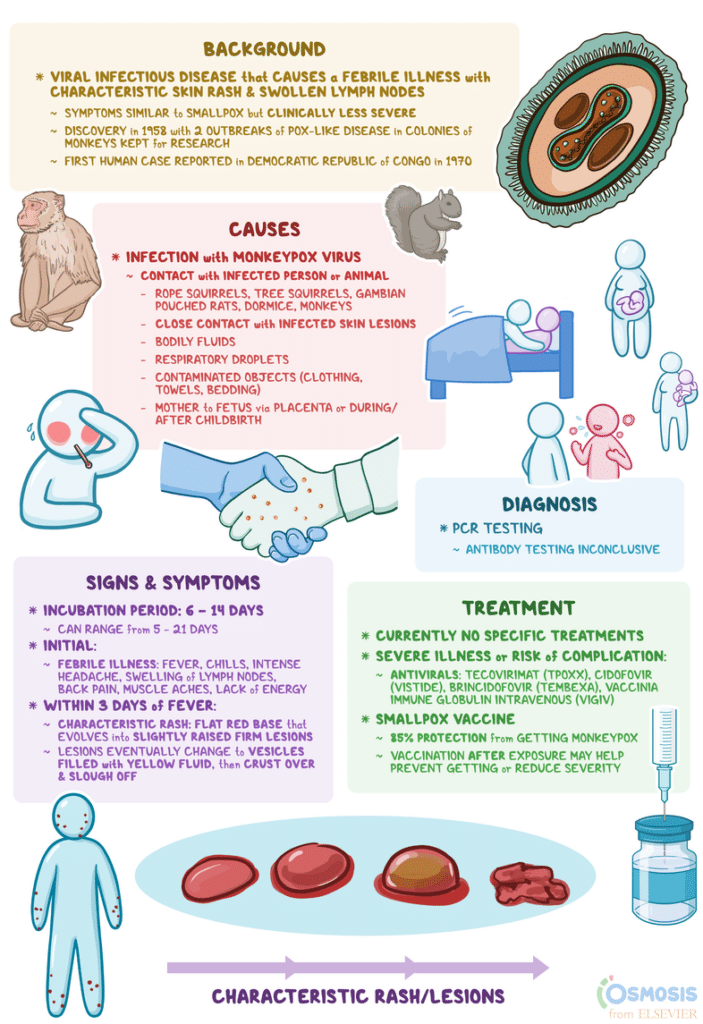
Monkeypox was first discovered in the 1950s when outbreaks were identified in monkeys kept for research purposes. It is believed that the virus was transmitted to humans through close contact with infected animals, leading to the first recorded human cases in the Democratic Republic of the Congo.
The virus is primarily endemic to Central and West African countries, including Nigeria, Cameroon, and the Republic of the Congo. However, sporadic cases have been reported in other parts of the world, including the United States, due to international travel.
History of Monkeypox Outbreaks
Since its discovery, there have been several outbreaks of monkeypox, predominantly in African countries. The frequency and scale of outbreaks vary over time, with some years experiencing larger outbreaks than others. The factors contributing to the occurrence of outbreaks include environmental conditions, population movement, and the interaction between humans and animals.
Understanding the history of monkeypox outbreaks is crucial in developing effective prevention and control strategies. It allows researchers and health authorities to identify patterns, risk factors, and potential intervention measures to mitigate the impact of future outbreaks.
The Current Outbreak and its Impact
Currently, there is an ongoing monkeypox outbreak in several countries, including Nigeria. The outbreak has raised concerns among health authorities due to its rapid spread and the potential for a significant impact on public health. The specific origins and causes of the current outbreak are still under investigation, but it is believed to be linked to zoonotic transmission from animals to humans.
The impact of the outbreak extends beyond the health sector. It has economic implications, as affected communities may experience disruptions in trade and tourism activities. In addition, the fear and uncertainty associated with outbreaks can lead to social stigma and discrimination against individuals affected by monkeypox.
Signs and Symptoms of Monkeypox
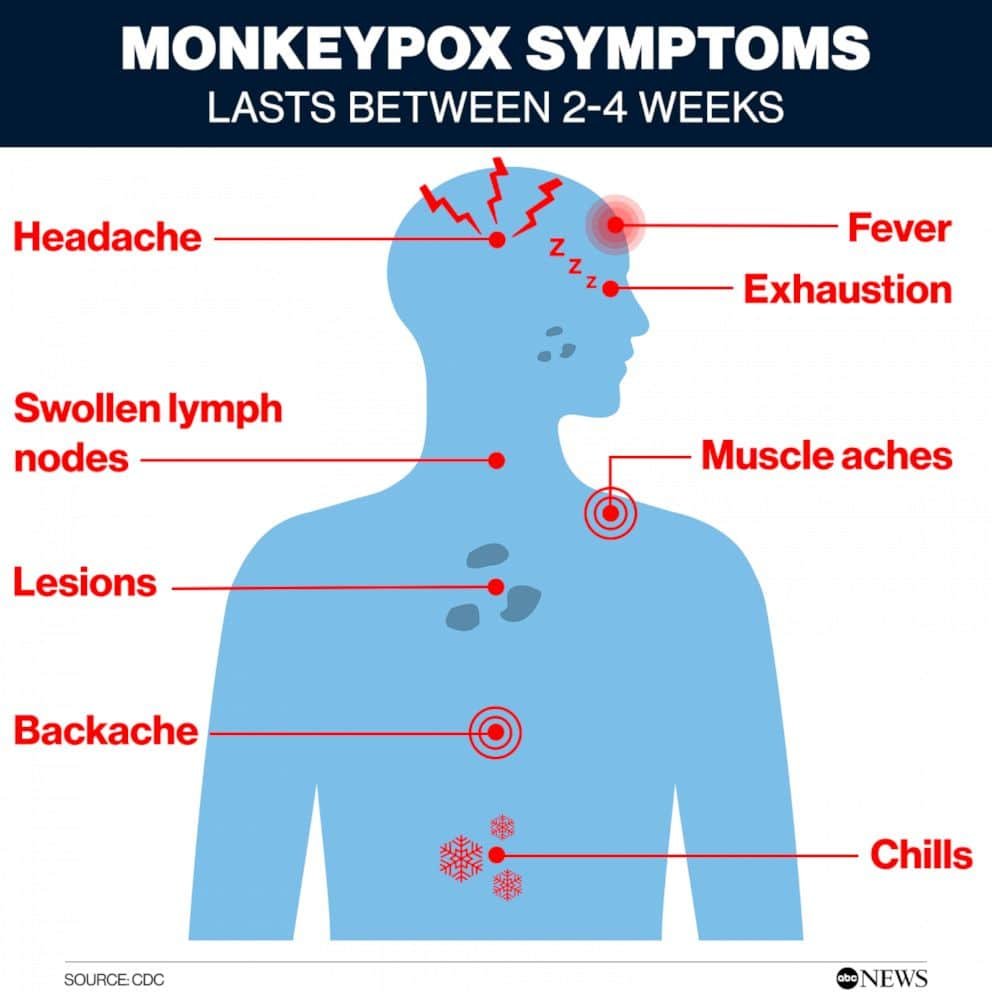
Monkeypox presents with a range of signs and symptoms that may vary in severity from person to person. The incubation period, which is the time between infection and the onset of symptoms, is typically around 10 to 14 days.
Initial Symptoms
The initial symptoms of monkeypox are similar to those of various other infectious diseases. They include fever, headache, muscle aches, and fatigue. These symptoms are not specific to monkeypox, which makes it challenging to differentiate it from other illnesses at the early stages.
Progression of Symptoms
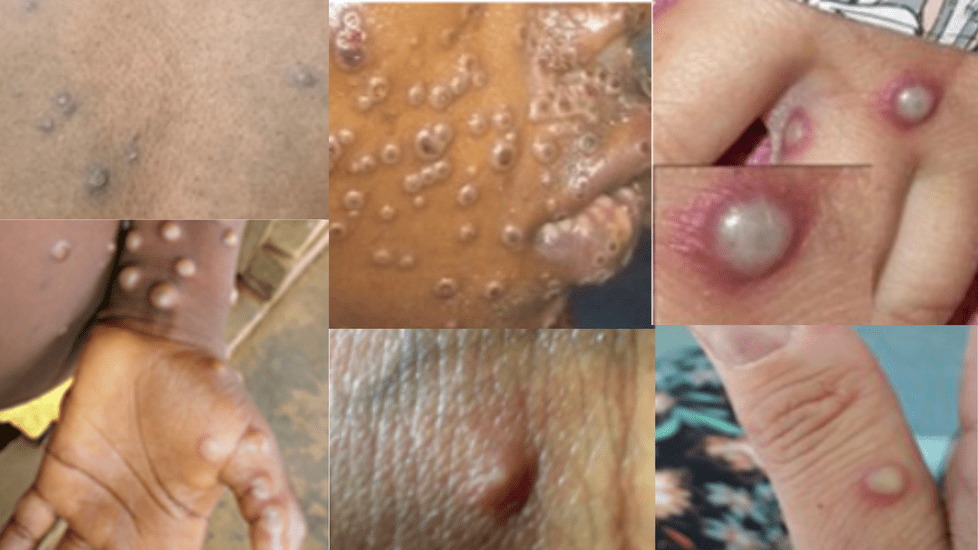
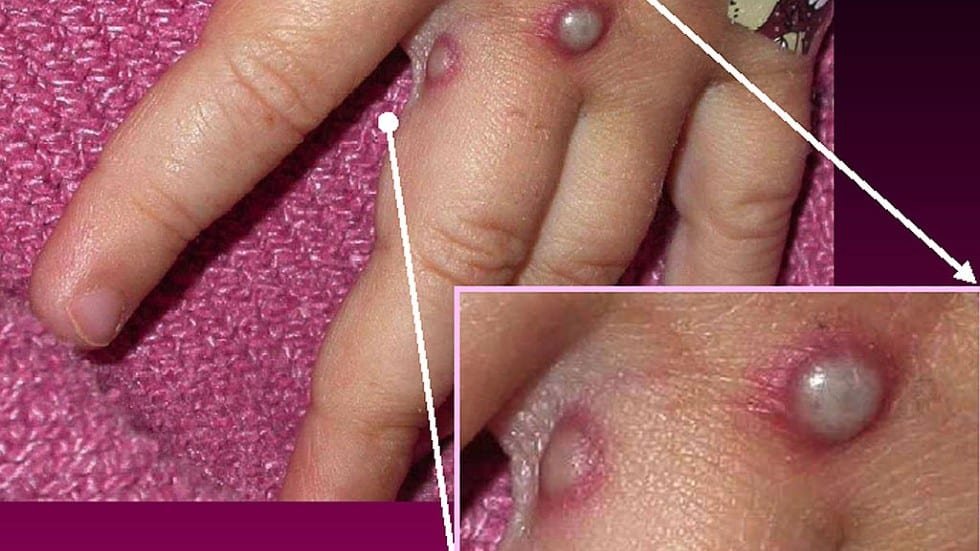
As the disease progresses, characteristic skin lesions begin to appear. These lesions usually start on the face and then spread to other parts of the body, including the trunk and extremities. The lesions undergo different stages, including the formation of fluid-filled blisters, which eventually crust over and fall off.
In severe cases, monkeypox can cause complications such as secondary bacterial infections, pneumonia, and encephalitis. These complications require immediate medical attention and can prolong the recovery period.
Distinguishing Monkeypox from Other Diseases
Distinguishing monkeypox from other diseases, such as chickenpox and smallpox, can be challenging due to the similarities in their symptoms. Laboratory testing is required to confirm a diagnosis of monkeypox and rule out other possible causes. This is essential for appropriate treatment and control measures.
Diagnosing Monkeypox
Diagnosing monkeypox involves a combination of clinical assessment and laboratory testing.
Clinical Assessment
During a clinical assessment, healthcare professionals evaluate the patient’s symptoms, medical history, and exposure to potential sources of monkeypox. They also examine the characteristic skin lesions and consider any additional signs and symptoms that may indicate a diagnosis of monkeypox.
Laboratory Testing
Laboratory testing is crucial for confirming a suspected case of monkeypox. Different techniques, such as polymerase chain reaction (PCR) and viral culture, are used to detect the monkeypox virus in samples taken from the patient. These samples can include blood, skin swabs, or fluid from the lesions.
Confirmation of a monkeypox diagnosis enables appropriate treatment and helps health authorities track and monitor the spread of the disease.
Confirmation and Reporting
Once a diagnosis is confirmed, healthcare providers are obligated to report the case to the relevant public health authorities. Timely reporting is essential for effective surveillance and the implementation of necessary control measures. It also ensures accurate data collection for research purposes and the development of preventive strategies.
Preventing Monkeypox Transmission
Preventing the transmission of monkeypox is essential to control outbreaks and protect public health. Several preventive measures can be implemented at the individual, community, and national levels.
General Preventive Measures
Adopting good hygiene practices is crucial in preventing the transmission of monkeypox. Regular handwashing with soap and water or using hand sanitizers helps reduce the risk of infection. Avoiding close contact with infected individuals and wild animals, especially those displaying signs of illness, is also important.
Vaccination
Vaccination is a key preventive measure for monkeypox. The smallpox vaccine, which provides cross-protection against monkeypox, has been used in outbreak response situations. However, a specific vaccine for monkeypox is currently being developed to enhance prevention efforts. Vaccination plays a vital role in reducing the severity of the disease and minimizing the risk of complications.
Isolation and Quarantine
Isolation and quarantine are essential strategies in containing the spread of monkeypox during outbreaks. Infected individuals should be isolated in healthcare facilities to prevent further transmission. Additionally, individuals who have been in close contact with infected individuals may be placed under quarantine to monitor for symptoms and prevent further spread.
Safe Handling of Infected Individuals
Healthcare workers and individuals involved in the care of monkeypox patients need to follow appropriate infection control measures. This includes wearing personal protective equipment, practicing proper hand hygiene, and implementing standard precautions to minimize the risk of transmission.
Transmission Routes of Monkeypox
Monkeypox can be transmitted through various routes, which are important to understand to implement appropriate preventive measures.
Direct Contact
Direct contact with bodily fluids, such as respiratory droplets, lesions, or infected blood, poses a high risk of transmission. This can occur through close personal contact, such as caring for an infected individual or handling contaminated materials.
Respiratory Droplets
Monkeypox can also be spread through respiratory droplets produced when an infected person coughs, sneezes, or talks. These droplets can be inhaled by individuals in close proximity, increasing the risk of infection.
Indirect Transmission through Objects
Monkeypox virus can survive on surfaces and objects for a certain period of time. Contact with contaminated objects, such as bedding, clothing, or contaminated medical equipment, can result in transmission if proper precautions are not taken.
Zoonotic Transmission
Monkeypox is primarily a zoonotic disease, meaning it can be transmitted from animals to humans. Close contact with infected animals, such as monkeys, squirrels, or rodents, increases the risk of acquiring the virus. Understanding zoonotic transmission routes is crucial in preventing and controlling monkeypox outbreaks.
Understanding Monkeypox in Animals
Animals play a significant role in the transmission and maintenance of monkeypox virus.
Animal Reservoirs
The natural reservoirs of monkeypox are believed to be small mammals, including forest rodents and monkeys. These animals carry and shed the virus, serving as a source for spillover infection in humans. Understanding the role of animal reservoirs is essential for implementing effective control measures to prevent transmission to humans.
Transmission to Humans
The transmission of monkeypox from animals to humans occurs through direct contact with infected animals, their bodily fluids, or contaminated materials. Human cases are often associated with hunting, handling, or consuming wild animals. It is important to raise awareness and promote safe practices to minimize the risk of zoonotic transmission.
Effects on Wildlife and Domestic Animals
Monkeypox outbreaks can also have significant consequences on wildlife and domestic animal populations. Infected animals may suffer from severe illness or death due to the virus. This can disrupt ecosystems, impact biodiversity, and have economic implications for communities reliant on animal resources.
Managing Monkeypox Outbreaks
Managing monkeypox outbreaks requires coordinated efforts from various stakeholders, including healthcare professionals, public health authorities, and communities.
Surveillance and Early Detection
Surveillance systems play a crucial role in early detection and response to monkeypox outbreaks. Timely identification of cases, effective reporting, and data collection enable prompt intervention strategies to be implemented. Enhancing surveillance systems allows health authorities to quickly detect and contain outbreaks, reducing the potential for further spread.
Containment Strategies
Containing monkeypox outbreaks relies on implementing various strategies, such as isolating infected individuals, quarantining close contacts, and implementing infection control measures. Rapid identification, contact tracing, and appropriate management of cases are vital in limiting the transmission of the virus.
Collaboration between Health Authorities
Effective collaboration between health authorities at the local, national, and international levels is necessary to respond to monkeypox outbreaks. Sharing information, coordinating response efforts, and conducting joint investigations contribute to a more cohesive and efficient response.
Effective Communication and Public Awareness
Communication plays a critical role in managing monkeypox outbreaks. Providing accurate and timely information to the public, healthcare professionals, and other stakeholders helps foster trust, dispel rumors, and promote preventive measures. Public awareness campaigns can encourage individuals to seek medical attention when experiencing symptoms and adopt preventive practices to reduce the risk of infection.
Treatment for Monkeypox
There is no specific antiviral treatment for monkeypox. Most cases of monkeypox are managed with supportive care measures that address symptoms and complications.
Supportive Care
Supportive care focuses on relieving symptoms and ensuring the general well-being of the patient. This may include the administration of pain relievers, maintaining hydration, and addressing complications such as secondary bacterial infections.
Antiviral Medications
In severe cases or cases with complications, antiviral medications may be used to help control the viral replication and reduce the severity and duration of illness. These medications are typically reserved for hospitalized patients and are administered under medical supervision.
Preventing Complications
Preventing complications is a crucial aspect of managing monkeypox. Early and appropriate medical care can help reduce the risk of secondary bacterial infections, pneumonia, and other complications. Regular monitoring and follow-up are important to ensure proper recovery.
Research and Vaccines for Monkeypox
Ongoing research efforts aim to enhance our understanding of monkeypox and develop effective preventive measures.
Current Research Efforts
Ongoing research focuses on various aspects of monkeypox, including its epidemiology, transmission dynamics, and the development of diagnostic tools. Research also explores the genetic diversity of the virus and its potential impact on disease severity and vaccine effectiveness.
Status of Monkeypox Vaccines
Currently, there is no specific vaccine for monkeypox available for general use. However, the smallpox vaccine has shown efficacy in preventing monkeypox and has been used in outbreak response situations. Efforts are underway to develop a specific monkeypox vaccine, which would boost prevention strategies and reduce the impact of outbreaks.
Challenges in Vaccine Development
Developing a specific monkeypox vaccine presents several challenges. The rarity of the disease makes it difficult to conduct large-scale clinical trials to assess vaccine safety and effectiveness. Additionally, the genetic diversity of monkeypox virus strains may influence the vaccine’s protective efficacy, necessitating ongoing research and development efforts.
Global Impact and Preparedness
Monkeypox outbreaks have implications beyond the affected regions, requiring global cooperation and preparedness measures.
International Cooperation in Controlling Outbreaks
International collaboration is crucial in controlling the global spread of monkeypox. Sharing knowledge, resources, and expertise strengthens the ability to respond effectively to outbreaks and facilitates the development of preventive strategies.
Importance of Surveillance and Reporting
Surveillance systems and timely reporting of monkeypox cases are essential for global health security. Accurate data collection enables the identification of trends, evaluation of prevention strategies, and the early detection and containment of outbreaks.
Emergency Preparedness Measures
Preparedness measures play a significant role in managing monkeypox outbreaks. This includes ensuring the availability of necessary medical supplies, implementing training programs for healthcare professionals, and conducting simulation exercises to enhance response capabilities. Being prepared enables swift action when outbreaks occur, minimizing their impact on public health.
In conclusion, understanding the various aspects of monkeypox, from its symptoms and transmission routes to prevention and treatment strategies, is crucial in effectively managing outbreaks. Ongoing research and international collaboration are essential in developing preventive measures, including vaccines, to mitigate the impact of monkeypox on global health. By implementing comprehensive surveillance systems, enhancing public awareness, and prioritizing preparedness, we can work towards a world where monkeypox outbreaks are effectively controlled, and public health is protected.