
Insulin resistance is a condition that affects many individuals, and its impact on weight gain cannot be ignored. This article takes a closer look at the relationship between insulin resistance and weight gain, shedding light on how this condition can influence our ability to maintain a healthy weight. Understanding insulin resistance is crucial, as it not only contributes to weight gain but also increases the risk of developing serious health issues such as type 2 diabetes and heart disease. By grasping the intricacies of this condition, we can take proactive steps to mitigate its effects and lead a healthier, more vibrant life.
Insulin Resistance and its Impact on Weight Gain
Definition and Explanation of Insulin Resistance
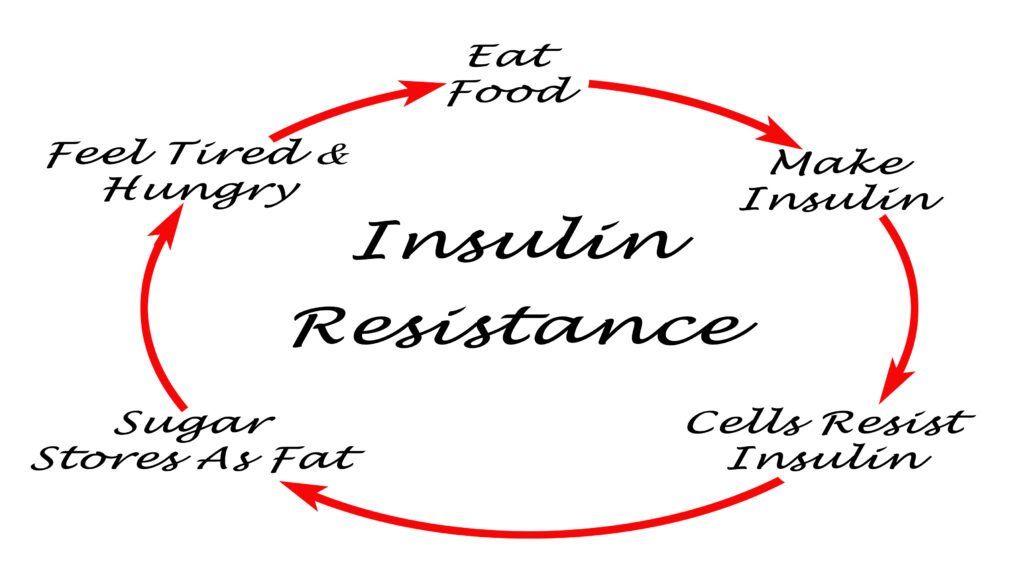
Insulin resistance is a condition in which the body’s cells become less responsive to the effects of the hormone insulin. Insulin is produced by the pancreas and plays a crucial role in regulating blood sugar levels. It helps facilitate the entry of glucose into cells, allowing them to produce energy. However, in cases of insulin resistance, the cells no longer respond efficiently to insulin’s signal, resulting in elevated blood sugar levels.
Causes of Insulin Resistance
Insulin resistance can have various underlying causes. One of the most significant factors is an unhealthy lifestyle characterized by a lack of physical activity and a poor diet. Sedentary behavior and excessive consumption of processed foods, sugary beverages, and high-fat meals can contribute to the development of insulin resistance.
Genetic factors also play a role in insulin resistance. Some individuals may be genetically predisposed to reduced insulin sensitivity, making them more susceptible to developing insulin resistance. Additionally, certain medical conditions such as polycystic ovary syndrome (PCOS), non-alcoholic fatty liver disease (NAFLD), and sleep apnea can increase the risk of insulin resistance.

Role of Insulin in the Body
Insulin is a hormone secreted by the pancreas in response to increased blood sugar levels. Its primary role is to regulate glucose metabolism. When blood sugar levels rise after a meal, insulin is released into the bloodstream, allowing cells in the liver, muscles, and fat tissues to take up glucose and use it for energy or storage.
In addition to its role in glucose metabolism, insulin also helps regulate fat metabolism by inhibiting the breakdown of fat stored in adipose tissue. It promotes fat synthesis and storage, which is essential for providing a reserve of energy for future use.
Mechanism of Insulin Resistance
Insulin resistance occurs when the cells in the body’s tissues and organs fail to respond adequately to insulin’s signal. This can happen due to a combination of genetic and environmental factors. High levels of circulating insulin due to overeating and sedentary behavior can also contribute to the development of insulin resistance.
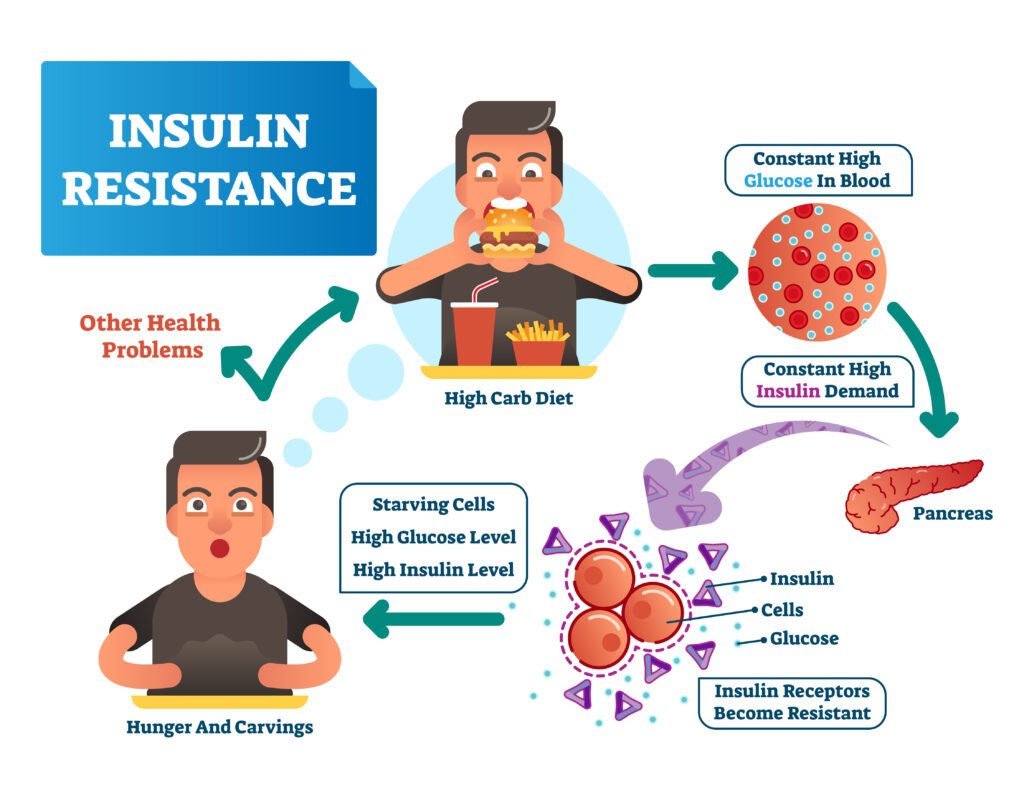
When cells become resistant to insulin, the pancreas compensates by producing more insulin to maintain normal blood sugar levels. However, this increased insulin production can further exacerbate the insulin resistance, resulting in a vicious cycle.
Impact of Insulin Resistance on Weight Gain
Insulin resistance can have a significant impact on weight gain. When the cells fail to respond to insulin’s signal for glucose uptake, the body counteracts by producing more insulin. The excess insulin promotes the storage of glucose as fat, leading to weight gain.
Furthermore, insulin resistance can disrupt the normal functioning of hormones involved in appetite regulation, such as leptin and ghrelin. This disruption can lead to increased hunger and cravings, making it more challenging to maintain a healthy diet and control calorie intake. The combination of increased fat storage and elevated appetite can contribute to further weight gain.
Insulin Resistance and Obesity
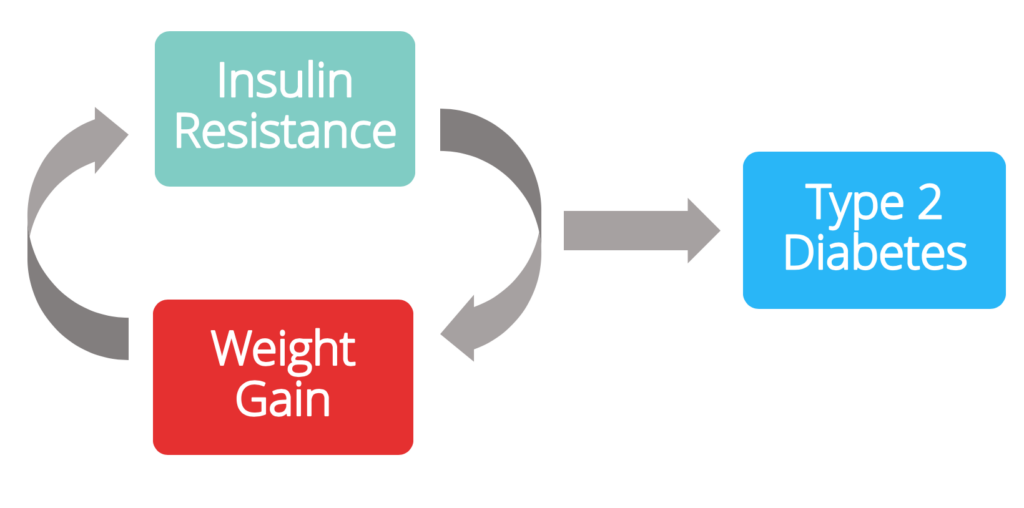
Insulin resistance and obesity often go hand in hand. Excessive weight gain and a sedentary lifestyle can contribute to the development of insulin resistance, while insulin resistance itself can promote further weight gain.
Obesity is associated with chronic low-grade inflammation, which can impair insulin signaling pathways and contribute to insulin resistance. Adipose tissue, or fat cells, produce inflammatory substances that interfere with insulin’s actions, further worsening insulin resistance.
The link between insulin resistance and obesity is a complex interplay of genetic, environmental, and lifestyle factors. Breaking this cycle is essential for managing weight and preventing the onset of other related health conditions.
Effects of Insulin Resistance on Metabolism
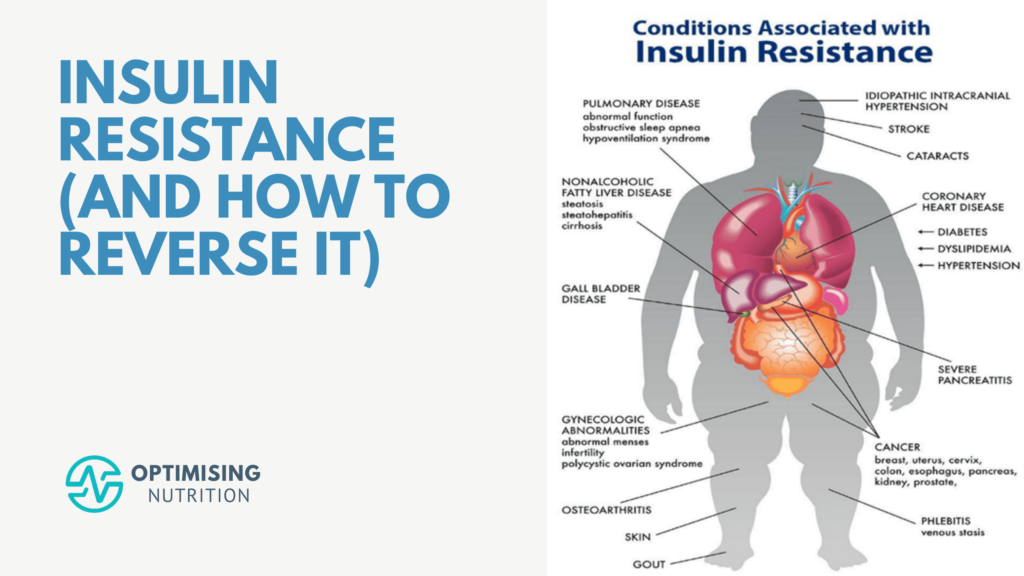
Insulin resistance can have far-reaching effects on metabolism, extending beyond weight gain. When the body’s cells fail to respond adequately to insulin, it can lead to dysregulation of glucose and lipid metabolism.
The impaired glucose metabolism can result in high blood sugar levels, increasing the risk of developing type 2 diabetes. The pancreas eventually struggles to keep up with the demand for extra insulin production, leading to elevated blood sugar levels.
In terms of lipid metabolism, insulin resistance can contribute to the development of dyslipidemia, a condition characterized by abnormal blood lipid levels. This includes elevated triglyceride levels, decreased levels of high-density lipoprotein (HDL) cholesterol, and increased levels of low-density lipoprotein (LDL) cholesterol. Dyslipidemia is a major risk factor for cardiovascular disease.
Insulin Resistance and Fat Storage
Insulin resistance disrupts the delicate balance between fat storage and breakdown in the body. With reduced insulin sensitivity, the cells fail to efficiently take up glucose, resulting in increased circulating levels of glucose. This excess glucose is then converted into fatty acids and stored as fat in adipose tissue.
Excessive fat storage, particularly around the abdominal region, further contributes to insulin resistance and the progression of metabolic dysfunction. The adipose tissue in the abdominal area is particularly active metabolically and releases more fatty acids into the bloodstream, further impairing insulin’s actions.
Consequences of Insulin Resistance on Weight Management
Insulin resistance poses challenges to successful weight management. The excess insulin production and the disrupted hormone signaling can make it difficult to lose weight and maintain weight loss.
The elevated insulin levels promote fat storage, making it more challenging to reduce body fat. Additionally, the dysregulated appetite hormones can lead to increased calorie intake, hindering efforts to create a calorie deficit and lose weight.
Furthermore, insulin resistance can alter the body’s metabolic rate, making it more likely to store calories as fat rather than burn them for energy. This metabolic slowdown can make weight management even more challenging.
Prevention and Management of Insulin Resistance
Preventing and managing insulin resistance involves adopting a healthy lifestyle and making positive changes in dietary and exercise habits. Regular physical activity, such as aerobic exercise and strength training, can improve insulin sensitivity and help control weight.
A balanced diet that includes a variety of nutrient-dense foods and limits processed foods, sugary beverages, and excessive saturated fats is crucial for preventing and managing insulin resistance. Incorporating more fiber-rich foods, whole grains, lean proteins, and healthy fats can promote better blood sugar control and maintain a healthy weight.
Weight management and maintaining a healthy body weight are crucial for reducing the risk of insulin resistance. By engaging in regular physical activity, making smart food choices, managing stress levels, and getting quality sleep, you can support insulin sensitivity and overall metabolic health.
In some cases, medication may be necessary to manage insulin resistance and prevent the progression to type 2 diabetes. However, lifestyle changes remain the cornerstone of prevention and management. By taking proactive steps to address insulin resistance, you can improve your weight management efforts and reduce the risk of associated health complications.