
Living Gluten-Free with Celiac Disease is an informative article that explores the realities and challenges of managing a gluten-free lifestyle for individuals with Celiac Disease. This condition, known as Celiac Disease, is an autoimmune disorder that causes serious damage to the small intestine when consuming gluten. From understanding the importance of a gluten-free diet to navigating social situations, this article offers practical tips and advice to help individuals lead a fulfilling and healthy life while living with Celiac Disease.

Understanding Celiac Disease
Celiac Disease is a chronic autoimmune disorder that affects the small intestine. It is triggered by the ingestion of gluten, a protein found in wheat, barley, and rye. When someone with Celiac Disease consumes gluten, their immune system mistakenly attacks the lining of the small intestine, leading to damage and inflammation. Over time, this can result in nutrient deficiencies, digestive issues, and other serious health complications.
What is Celiac Disease?
Celiac Disease is a genetic disorder, meaning it tends to run in families. It can develop at any age, from infancy to adulthood. In addition to the characteristic gastrointestinal symptoms such as diarrhea, abdominal pain, and bloating, some individuals may experience non-intestinal symptoms like fatigue, joint pain, and skin rashes. The severity of symptoms varies greatly between individuals, with some people remaining asymptomatic. If left untreated, Celiac Disease can lead to long-term complications, including impaired growth in children, malnutrition, and an increased risk of developing other autoimmune disorders.
Causes of Celiac Disease
The exact cause of Celiac Disease is not fully understood, but it is believed to be a combination of genetic and environmental factors. People with certain genetic markers, specifically the HLA-DQ2 and HLA-DQ8 genes, have a higher risk of developing the condition. However, it should be noted that not everyone with these genetic markers will develop Celiac Disease. Environmental factors, such as the introduction of gluten into the diet during infancy or certain viral infections, may also play a role in triggering the onset of the disease.
Symptoms and Diagnosis of Celiac Disease
The symptoms of Celiac Disease can vary widely among individuals, making it challenging to diagnose. In some cases, symptoms may be mild and go unnoticed for years. Common symptoms include diarrhea, constipation, abdominal pain, bloating, and fatigue. Additionally, some individuals may experience weight loss, anemia, osteoporosis, and skin rashes. If you suspect you have Celiac Disease, it is important to consult with a healthcare professional who can perform a series of tests, including blood tests and a biopsy of the small intestine, to confirm the diagnosis. It is crucial to continue consuming gluten prior to these tests to ensure accurate results.
Gluten-Free Diet Basics
Following a strict gluten-free diet is currently the only treatment for Celiac Disease. This means completely eliminating all sources of gluten from your diet. Gluten can be found in a wide range of foods, including bread, pasta, cereals, and baked goods. In addition to these obvious sources, gluten can also lurk in unexpected places, such as sauces, dressings, and even medications. It is essential to educate yourself on the various ingredients that may contain gluten and diligently read food labels to ensure your meals are safe and gluten-free.
Eliminating Gluten from Your Diet
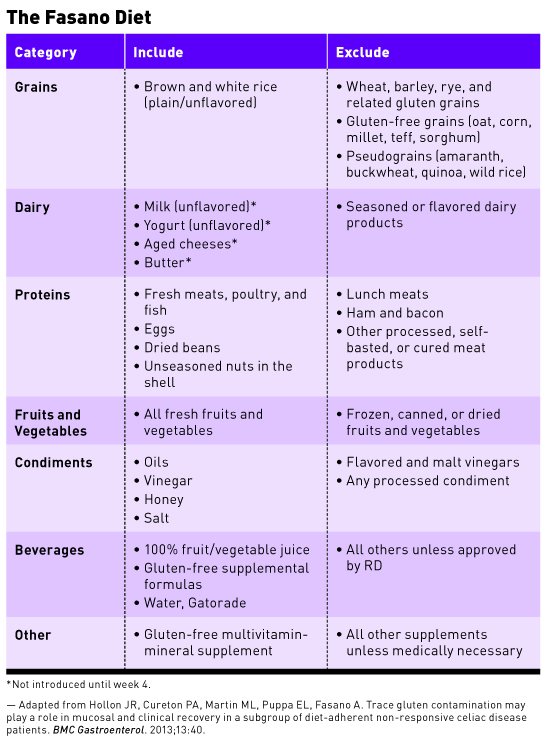
When starting a gluten-free diet, it may seem overwhelming to figure out what you can and cannot eat. The first step is to familiarize yourself with naturally gluten-free foods, such as fruits, vegetables, meat, fish, and dairy products. These foods should form the basis of your diet. Additionally, there are now many gluten-free alternatives available, such as bread, pasta, and flour made from ingredients like rice, corn, and quinoa. However, it is important to ensure that these products are certified gluten-free to avoid cross-contamination.
Reading Food Labels
Reading food labels becomes second nature when you have Celiac Disease. Look for products that are labeled “gluten-free” or specifically state they do not contain wheat, barley, or rye. Be aware that some products may be labeled “wheat-free” but still contain gluten. It is also important to educate yourself on the various names for gluten-containing ingredients, such as modified food starch, malt extract, and hydrolyzed vegetable protein. Familiarize yourself with these terms to avoid unintentionally consuming gluten.
Hidden Sources of Gluten
In addition to obvious sources of gluten, there are many hidden sources that can catch you by surprise. These may include soy sauce, certain condiments, salad dressings, and even some medications or supplements. When dining out or purchasing packaged foods, always inquire about the ingredients and potential cross-contamination. It is recommended to choose restaurants that offer gluten-free menu options or have a clear understanding of gluten-free food preparation.
Creating a Gluten-Free Meal Plan
Developing a gluten-free meal plan can help you navigate your new dietary restrictions with ease. By planning ahead, you can ensure that your meals are well-rounded, nutritious, and safe from gluten contamination.
Building a Balanced Diet
When creating a gluten-free meal plan, it is important to focus on incorporating a variety of nutrient-rich foods. This includes lean proteins, such as chicken, fish, and tofu, as well as plenty of fruits and vegetables. Whole grains like rice, quinoa, and gluten-free oats can be included as well. Be sure to also incorporate healthy fats and dairy or dairy alternatives for calcium. Variety is key in providing your body with the necessary nutrients while avoiding dietary monotony.
Meal Planning Tips and Tricks
Meal planning can be a game-changer when it comes to successfully following a gluten-free diet. Start by making a list of your favorite gluten-free recipes and dishes. This will give you a foundation to build your meal plan around. Next, create a shopping list based on the ingredients needed for those meals. By planning and shopping ahead, you can minimize the chances of unplanned gluten exposures and ensure you have all the necessary ingredients on hand.
Gluten-Free Recipe Ideas
The internet is a treasure trove of gluten-free recipes for every meal of the day. From gluten-free pancakes and muffins for breakfast to hearty soups, salads, and stir-fries for lunch and dinner, you can find delicious options that fit your dietary needs. Experiment with alternative flours, such as almond flour and coconut flour, to make gluten-free versions of your favorite baked goods. Don’t be afraid to get creative and try new recipes as you discover the versatility of gluten-free cooking.
Navigating Social Situations
Living gluten-free doesn’t mean missing out on social gatherings or dining out. With a little preparation and open communication, you can confidently navigate these situations while still enjoying delicious food.
Eating Out at Restaurants
When dining out at restaurants, it is crucial to communicate your dietary restrictions with the staff. Ask about gluten-free options or if the menu can be modified to accommodate your needs. Some restaurants may even have a separate gluten-free menu or designated preparation area to minimize cross-contamination. If you’re unsure about specific dishes, don’t hesitate to ask questions about the ingredients and preparation methods. Always trust your instincts and choose establishments that prioritize food safety.
Attending Parties and Gatherings
Attending parties and gatherings can sometimes be challenging when you have dietary restrictions. If possible, offer to bring a gluten-free dish or snack to share, ensuring that you have a safe option available. If you’re unsure about the food being served, eat beforehand or pack a small meal or snack to have on hand. Additionally, it can be helpful to educate your friends and family about Celiac Disease and the importance of avoiding gluten. Most people are understanding and willing to accommodate your needs once they have a better understanding of the condition.
Educating Friends and Family
Education is a key component in navigating social situations with Celiac Disease. Take the time to educate your friends and family about the condition, its symptoms, and the importance of strict dietary adherence. Share resources, such as informational websites or books, to help them better understand the challenges you face. Encourage open communication and let them know how they can support you in maintaining a gluten-free lifestyle.

Gluten-Free Cooking and Baking
Cooking and baking gluten-free can be both fun and challenging. With the right ingredients and techniques, you can create delicious and satisfying gluten-free meals and treats.
Alternative Flours and Ingredients
When it comes to gluten-free cooking and baking, there is no shortage of alternative flours and ingredients to experiment with. Options like almond flour, coconut flour, and sorghum flour can be used as substitutes for wheat flour in many recipes. Xanthan gum or psyllium husk powder can be added to help provide structure and mimic the elasticity of gluten. It may take some trial and error to find the right combination of alternative flours and binders, but with practice, you can achieve excellent results.
Converting Traditional Recipes
Converting traditional recipes to gluten-free versions is often easier than you might think. Start by identifying the role that gluten plays in the original recipe, whether in providing structure, moisture, or texture. Then, choose suitable gluten-free ingredients that can fulfill the same function. For example, you can replace wheat flour with a gluten-free flour blend or a combination of alternative flours. It is also helpful to research and follow gluten-free baking guidelines and recipes to ensure successful conversions.
Baking Tips for Gluten-Free Goodies
Gluten-free baking can require some additional tricks to achieve optimal results. For instance, increasing the leavening agents, such as baking powder or yeast, can help compensate for the lack of gluten’s ability to trap air bubbles. Additionally, make sure to mix the batter or dough well and let it rest before baking to allow the ingredients to fully hydrate. When it comes to gluten-free bread, using a bread pan with a lid can help to trap moisture and create a better texture. Patience and experimentation are key when it comes to mastering the art of gluten-free baking.
Maintaining a Healthy Lifestyle
Living with Celiac Disease involves more than just following a gluten-free diet. Taking care of your overall health and well-being is essential in managing the condition effectively.
Supplements for Celiac Disease
Certain nutrient deficiencies may be common among individuals with Celiac Disease due to malabsorption issues. Consult with a healthcare professional to determine if you should consider taking dietary supplements. Common supplements for those with Celiac Disease include iron, calcium, vitamin D, and B vitamins, which are often affected by the damage to the small intestine. However, it is important to note that supplements should not replace a well-balanced, gluten-free diet.
Importance of Exercise
Regular exercise is beneficial for everyone, and those with Celiac Disease are no exception. Engaging in physical activity can help manage weight, improve digestion, boost mood, and strengthen the immune system. Find an exercise routine that you enjoy and make it a regular part of your lifestyle. Whether it’s going for a walk, joining a fitness class, or playing a sport, staying active will contribute to your overall well-being.
Stress Management Techniques
Managing stress is crucial for individuals with Celiac Disease, as stress can worsen symptoms and impact overall health. Incorporate stress management techniques into your daily routine, such as relaxation exercises, yoga, meditation, or engaging in hobbies you enjoy. Prioritize self-care and make time for activities that help you unwind and reduce stress levels. If needed, consider seeking professional support, such as therapy or counseling, to develop coping strategies specific to managing stress related to Celiac Disease.
Avoiding Cross-Contamination
Cross-contamination can occur when gluten-containing products come into contact with gluten-free ones, potentially causing a reaction in individuals with Celiac Disease. Taking precautions to avoid cross-contamination is essential to maintaining a gluten-free lifestyle.
Kitchen Safety Measures
In a shared kitchen, it is crucial to implement safety measures to prevent cross-contamination. Use separate kitchen utensils, cutting boards, and cookware designated specifically for gluten-free foods. Thoroughly clean all surfaces, countertops, and kitchen appliances to remove any traces of gluten. Pay close attention to hidden sources of contamination, such as shared condiments or toasters, as even small amounts of gluten can cause a reaction.
Dining Out Precautions
When dining out, it can be challenging to guarantee a completely gluten-free meal due to the risk of cross-contamination. Choose restaurants that have a clear understanding of gluten-free food preparation and offer dedicated gluten-free menus or options. Communicate your needs to the staff and inquire about their kitchen practices. Opt for simple dishes or ask for modifications to minimize the risk of gluten exposure. Ultimately, trust your instincts and choose establishments that prioritize food safety.
Traveling with Celiac Disease
Traveling with Celiac Disease requires careful planning and preparation. Research gluten-free dining options and grocery stores at your destination before your trip. Pack gluten-free snacks and meals to have on hand, especially during long flights or road trips. When staying at hotels or resorts, communicate your dietary needs in advance and inquire about gluten-free options. It is also helpful to pack gluten-free translation cards or apps to effectively communicate your dietary restrictions in foreign countries.
Dealing with Gluten Contamination
Despite your best efforts, there may be occasions when you accidentally consume gluten. Knowing how to recognize and respond to gluten contamination is important in managing the symptoms effectively.
Recognizing Symptoms of Contamination
Symptoms of gluten contamination can vary among individuals but may include gastrointestinal discomfort, bloating, diarrhea, nausea, and fatigue. Some people may also experience skin rashes, brain fog, and mood changes. It is important to pay attention to your body and be aware of any changes or symptoms that occur after consuming potentially gluten-containing food.
Steps to Take If Contaminated
If you suspect you have been contaminated with gluten, it is important to address the situation promptly. Stay hydrated and consider using over-the-counter medications to alleviate symptoms, such as antacids or anti-diarrheal medications. Rest and allow your body time to recover. It may be helpful to keep a food journal to track potential sources of gluten contamination and identify patterns or common triggers.
Seeking Support and Guidance
Dealing with gluten contamination can be frustrating and emotionally challenging. Reach out to support groups or online communities where you can connect with others who understand what you’re going through. These communities can provide a wealth of knowledge, resources, and support. If needed, consult with a healthcare professional or registered dietitian who specializes in Celiac Disease to provide guidance and help you navigate through these challenging situations.
Coping with Emotional Challenges
Celiac Disease not only impacts your physical health but can also take a toll on your emotional well-being. Coping with the emotional challenges associated with the condition is an important aspect of overall self-care.
Accepting the Diagnosis
Coming to terms with a diagnosis of Celiac Disease can be an emotional journey. It is natural to experience feelings of frustration, sadness, or even anger. Allow yourself time to grieve the loss of your old lifestyle and the ease of food choices. However, it is important to shift the focus to embracing your new gluten-free lifestyle and the positive impact it will have on your health.
Managing Anxiety and Depression
Living with a chronic condition may increase the risk of developing anxiety or depression. If you find yourself struggling with overwhelming emotions or persistent negative feelings, it is important to seek professional help. Consult with a therapist or counselor who can help you develop coping strategies and provide support in managing anxiety and depression related to Celiac Disease. Remember to prioritize self-care and engage in activities that bring you joy and promote emotional well-being.
Support Groups and Therapy
Connecting with others who share your experiences can be immensely helpful in coping with the emotional challenges of Celiac Disease. Seek out local support groups or online communities where you can share your journey, learn from others, and find support. Additionally, individual therapy or counseling can provide a safe space to discuss the emotional impact of the condition and develop strategies to effectively manage stress and emotional well-being.
Latest Research and Emerging Treatments
Research into Celiac Disease is constantly evolving, and there are ongoing efforts to explore potential treatments and advancements in managing the condition.
Advancements in Celiac Disease Research
Researchers are continually working to better understand the underlying mechanisms of Celiac Disease and develop improved diagnostic tools. This includes studying the role of genetic predisposition, environmental triggers, and the impact of the gut microbiome on the development and progression of the disease. As our understanding grows, there is hope for more targeted treatments and interventions in the future.
Potential Future Therapies
Several potential treatments for Celiac Disease are currently being investigated. These include enzyme therapies that aim to break down gluten in the digestive system and reduce the inflammatory response, as well as immunotherapy approaches that modify the immune system’s response to gluten. While these treatments are still in the experimental stages, they hold promise for individuals with Celiac Disease to potentially enjoy a wider range of dietary options in the future.
Promising Clinical Trials
Participating in clinical trials can provide an opportunity to access cutting-edge treatments and contribute to the advancement of Celiac Disease research. Stay informed about ongoing clinical trials and discuss with your healthcare provider if you are interested in exploring these options. Continued research and clinical trials are vital in driving progress for the Celiac Disease community and offering hope for improved treatment options in the future.
In conclusion, understanding Celiac Disease and adopting a gluten-free lifestyle can be challenging, but with the right knowledge and support, you can successfully manage the condition. By following a gluten-free diet, educating yourself and others about Celiac Disease, implementing safety measures, and prioritizing your overall health and well-being, you can live a fulfilling and healthy life. Stay up-to-date with the latest research and emerging treatments, and remember that support is available to help you navigate the physical and emotional aspects of Celiac Disease.