
Living with Atrial Fibrillation, also known as AFib, can be challenging, but armed with the right tips and strategies, you can navigate this condition with confidence. AFib is a heart rhythm disorder that causes an irregular and often rapid heartbeat, leading to symptoms such as fatigue, shortness of breath, and palpitations. In this article, we will explore some practical advice and effective strategies that can help you manage your AFib and improve your quality of life. Whether you are recently diagnosed or have been living with AFib for some time, these tips are designed to empower you and provide support along your journey.

Understanding Atrial Fibrillation
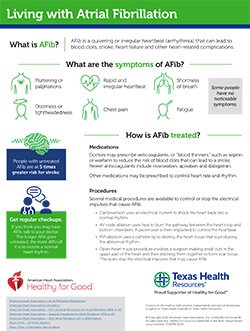
Atrial Fibrillation (AF) is a heart condition characterized by irregular and often rapid heart rate. In AF, the electrical signals in the upper chambers of the heart (atria) become chaotic, leading to an irregular heartbeat or arrhythmia. This can result in symptoms such as palpitations, shortness of breath, fatigue, dizziness, and chest pain.
There are various causes of AF, including high blood pressure, heart valve problems, coronary artery disease, and other heart conditions. Other factors that can contribute to AF include obesity, sleep apnea, excessive alcohol consumption, smoking, and certain stimulants like caffeine or illicit drugs.
Types of AF
There are four main types of AF: paroxysmal, persistent, long-standing persistent, and permanent AF. Paroxysmal AF occurs when the irregular heart rhythm comes and goes spontaneously. Persistent AF refers to a continuous episode that lasts longer than seven days and requires medical intervention to restore a normal heart rhythm. Long-standing persistent AF refers to a continuous episode lasting longer than a year, while permanent AF indicates that attempts to restore a normal rhythm have been unsuccessful or not attempted at all.
Symptoms of AF
The symptoms of AF can vary from person to person. Some individuals may experience no symptoms at all, while others may experience severe symptoms that significantly affect their quality of life. Common symptoms of AF include palpitations (a rapid, fluttering or pounding sensation in the chest), shortness of breath, fatigue, weakness, dizziness, lightheadedness, chest pain, and fainting.
Complications associated with AF
If left untreated or poorly managed, AF can lead to various complications. The irregular heartbeat can cause blood to pool in the atria, increasing the risk of blood clots. If a blood clot travels to the brain, it can cause a stroke. AF also puts a strain on the heart, potentially leading to heart failure or other cardiovascular conditions. It is crucial to diagnose and manage AF effectively to minimize these risks.
Diagnosis and Treatment Options
Medical examinations and tests
To diagnose AF, your doctor may perform a physical examination, review your medical history, and ask about your symptoms. They may also order several tests, including an electrocardiogram (EKG/ECG) to record the electrical activity of your heart, echocardiogram to assess your heart’s structure and function, blood tests to check for underlying conditions, and occasionally, a Holter monitor or event recorder to monitor your heart rhythm over a longer period.
Medications for AF
There are various medications used to manage AF. Anticoagulants, such as warfarin or novel oral anticoagulants, are often prescribed to reduce the risk of blood clot formation and prevent strokes. Antiarrhythmic drugs help regulate the heart’s rhythm and control AF episodes. Additionally, rate control medications may be prescribed to slow down a rapid heart rate.
Interventional procedures for AF
In cases where medication alone is insufficient, interventional procedures may be necessary. Cardioversion involves delivering a controlled electric shock to the chest to restore a normal heart rhythm. Catheter ablation is a minimally invasive procedure that uses radiofrequency energy to destroy the abnormal heart tissue responsible for the irregular rhythm. Surgical interventions like maze procedures or pulmonary vein isolation surgery may be considered for certain individuals.
Lifestyle modifications for AF
Making certain lifestyle modifications can also help manage AF. It is essential to maintain a healthy weight, follow a balanced diet, limit caffeine and alcohol intake, quit smoking, manage stress levels, and get regular exercise. Your doctor can provide specific recommendations based on your individual circumstances.
Daily Management Techniques
Monitoring heart rate and rhythm
Regularly monitoring your heart rate and rhythm is crucial for managing AF. Your doctor may recommend using a home blood pressure monitor or wearable devices, such as a heart rate monitor or a smartwatch, to track your heart’s activity. This information can help identify AF episodes, detect irregularities, and allow you to promptly seek medical attention if necessary.
Managing stress and anxiety
Stress and anxiety can trigger or worsen AF episodes. Therefore, finding effective coping mechanisms to manage stress is vital. Engaging in relaxation techniques such as deep breathing exercises, meditation, or yoga can help reduce stress levels. Additionally, seeking support from loved ones, joining support groups, or working with a therapist can provide valuable emotional support.
Maintaining a healthy diet
A balanced diet plays a significant role in managing AF. It is important to consume nutrient-rich foods, including fruits, vegetables, whole grains, lean proteins, and healthy fats. Limiting the intake of processed foods, sugary snacks, and beverages is also recommended. If you have any dietary restrictions or concerns, it is best to consult with a registered dietitian or nutritionist who can provide personalized guidance.
Exercising with AF
Regular exercise is beneficial for managing AF and maintaining overall cardiovascular health. It is essential to choose activities that are safe and appropriate for your condition. Low-impact exercises such as walking, swimming, cycling, and yoga are generally well-tolerated. However, always consult with your healthcare provider before starting a new exercise routine to ensure it is safe and suitable for you.
Living a Healthy Lifestyle with AF
Avoiding triggers for AF episodes
Identifying and avoiding triggers for AF episodes is crucial for managing the condition effectively. Common triggers may include excessive alcohol consumption, caffeine, certain medications or supplements, stress, emotional or physical exhaustion, and sleep disturbances. By minimizing exposure to these triggers, you can reduce the frequency and severity of AF episodes.
Quitting tobacco and reducing alcohol consumption
Both smoking and excessive alcohol consumption can significantly worsen AF symptoms and increase the risk of complications. Quitting smoking and reducing alcohol intake are essential steps towards managing AF and promoting overall heart health. There are several resources available, such as counseling programs and support groups, to help individuals quit smoking and reduce alcohol consumption.
Managing underlying conditions
AF is often associated with other underlying conditions, such as high blood pressure or diabetes. Managing these conditions effectively can help control AF symptoms and reduce the risk of complications. It is crucial to follow your healthcare provider’s recommendations for managing any underlying conditions, including taking prescribed medications, monitoring blood pressure, and maintaining a healthy lifestyle.
Regularly attending medical appointments
Regularly attending medical appointments and following up with your healthcare provider is essential for managing AF. These appointments allow your doctor to monitor your heart function, adjust medications if necessary, and detect any changes in your condition. It is important to communicate any new symptoms or concerns you may have to ensure optimal management of your AF.

Support and Resources
Seeking emotional support
Living with AF can be emotionally challenging, and seeking emotional support is crucial. Reach out to friends, family, and loved ones who can provide understanding and empathy. Sharing your feelings and experiences with others who are also living with AF can also be helpful, either in person or through online support groups or forums.
Joining support groups or online communities
Joining support groups or online communities specific to AF can provide a valuable network of individuals who share similar experiences. These groups can offer guidance, emotional support, and a platform to exchange ideas and strategies for managing AF effectively.
Educational resources for AF patients
Educating yourself about AF and its management is empowering and can help you make informed decisions about your health. There are various educational resources available, including books, websites, and podcasts, that provide reliable information about AF diagnosis, treatment options, lifestyle modifications, and coping strategies.
Understanding insurance coverage for AF treatment
Understanding your health insurance coverage is crucial to ensure access to necessary treatments and medications. Familiarize yourself with your insurance policy’s coverage for AF-related services, including doctor visits, diagnostic tests, medications, and procedures. If you have any questions or concerns, contact your insurance provider or speak with a healthcare professional who can guide you through the process.
Managing AF at Work and Travel
Disclosing AF to employers
Deciding whether to disclose your AF diagnosis to your employer is a personal choice. However, sharing this information can help your employer understand your needs and provide any necessary accommodations or support. It may also be helpful to modify your work schedule or responsibilities to manage stress and avoid triggers that could worsen AF symptoms.
Accommodations for AF at work
Depending on the nature of your work and the impact of AF on your daily functioning, there may be accommodations that can be made to support you in the workplace. These accommodations may include flexible work hours, the ability to take breaks when needed, or adjustments to your workspace to reduce physical strain or environmental triggers.
Tips for traveling with AF
Traveling with AF requires some preparation to ensure a smooth experience. It is recommended to carry a list of medications, a copy of your medical history, and contact information for your healthcare providers. If you require anticoagulants, discuss your travel plans with your doctor to ensure proper dosage adjustments and continuity of care. If traveling by air, inform the airline of your condition, and consider wearing compression stockings to reduce the risk of blood clots.
Preparing for emergencies while traveling
When traveling with AF, it is essential to be prepared for emergencies. Carry a list of emergency contacts, including your healthcare provider’s information and local emergency services. Familiarize yourself with the nearest medical facilities at your travel destination and ensure you have any necessary medical documentation or identification readily available. Having travel insurance that covers medical emergencies can also provide peace of mind.
Coping with the Emotional Impact
Adapting to lifestyle changes
A diagnosis of AF often requires making significant lifestyle changes, which can be challenging to adapt to. It is essential to give yourself time to adjust and be patient with yourself. Focus on the positive aspects of these changes, such as improving your overall health and reducing the risk of complications. Make small, manageable goals and celebrate your progress along the way.
Addressing anxiety and depression
Living with a chronic condition like AF can lead to feelings of anxiety and depression. If you are experiencing persistent feelings of sadness, hopelessness, or anxiety, it is important to seek professional help. There are various treatment options available, including therapy and medication, that can help you manage these emotional challenges and improve your overall well-being.
Seeking professional help
If you are struggling with the emotional impact of AF or finding it difficult to cope with the challenges of the condition, seeking professional help is highly recommended. A mental health professional, such as a therapist or counselor, can provide support, guidance, and strategies to help you navigate the emotional aspects of living with AF.
Finding stress relief activities
Finding healthy ways to manage stress is essential for individuals living with AF. Engaging in activities that promote relaxation and stress relief, such as listening to music, practicing mindfulness or meditation, participating in hobbies, or spending time in nature, can significantly improve your emotional well-being. Experiment with different activities and find what works best for you.
Maintaining a Positive Outlook
Learning from others’ experiences
Connecting with others who have successfully managed AF can be a source of inspiration and knowledge. Learning from their experiences, challenges, and triumphs can provide insights and strategies for effectively managing AF. Online forums, support groups, or community events focused on AF can be valuable resources for hearing about personal journeys and gaining encouragement.
Celebrating progress and milestones
Managing AF is a continuous journey, and it is important to acknowledge and celebrate your progress and milestones along the way. Whether it’s achieving a specific health goal, successfully adapting to lifestyle changes, or maintaining a consistent exercise routine, take the time to recognize and reward yourself for your dedication and resilience.
Finding purpose and motivation
Finding purpose and motivation can significantly impact your overall well-being when living with AF. Engaging in activities that bring you joy, whether it’s pursuing a hobby, volunteering, or spending quality time with loved ones, can provide a sense of purpose and fulfillment. Set meaningful goals for yourself and work towards them, knowing that you have the resilience to overcome any challenges that may arise.
Setting realistic goals
Setting realistic goals is crucial for effectively managing AF. Work with your healthcare provider to establish achievable goals that focus on improving your overall health, managing AF symptoms, and reducing the risk of complications. Break down larger goals into smaller, manageable steps to maintain motivation and track progress.
Support for Caregivers and Loved Ones
Understanding the caregiver’s role
Caregivers play an essential role in supporting individuals living with AF. It is important for caregivers to understand the condition, its symptoms, treatment options, and how to respond to emergencies. Educate yourself about AF and communicate openly with the individual you are caring for to provide the best possible support.
Taking care of oneself as a caregiver
Caring for a loved one with AF can be demanding, both physically and emotionally. It is crucial for caregivers to prioritize their own well-being and self-care. Take breaks when needed, seek support from other caregivers or support groups, and communicate your needs to ensure you can continue providing the best care possible.
Seeking support from the AF patient’s network
Support from the AF patient’s network of family and friends is invaluable. Reach out to loved ones, share your concerns, and ask for help when needed. By involving others in the care and support of the individual with AF, you can alleviate some of the burdens on the caregiver and enhance the overall support system.
Managing caregiver stress and burnout
Caregiving can be physically and emotionally exhausting, and caregiver stress and burnout are common challenges. It is important for caregivers to recognize and manage their own stress levels. Engaging in stress reduction techniques, seeking respite care or assistance from support services, and communicating openly with healthcare providers are crucial steps in preventing caregiver burnout.
Research and Future Developments
Current research on AF
Ongoing research plays a vital role in advancing our understanding of AF and developing improved treatment and management strategies. Scientists and healthcare professionals are continually studying the causes, risk factors, and mechanisms of AF to identify potential new therapies, enhance diagnostic methods, and develop personalized treatment approaches.
Promising treatment and management approaches
Advances in technology and medical interventions offer promising treatment and management approaches for AF. These include wearable devices for continuous heart rate monitoring, newer antiarrhythmic medications with improved efficacy and safety profiles, and novel minimally invasive procedures. Researchers are also exploring the use of artificial intelligence and machine learning algorithms to enhance AF detection and individualized treatment plans.
Lifestyle advancements for AF patients
Lifestyle advancements for AF patients aim to provide resources and support to help individuals live their best lives despite the condition. This includes innovative apps and digital platforms that offer personalized exercise programs, dietary recommendations, stress management techniques, and educational resources. These tools can empower individuals to actively participate in their AF management and improve their overall quality of life.
Improved technologies for AF detection and monitoring
Technological advancements continue to enhance AF detection and monitoring capabilities. Devices such as implantable loop recorders and smartwatches equipped with electrocardiogram (ECG) tracking features allow individuals to monitor their heart rhythm remotely and provide valuable data for healthcare providers. These technologies enable early detection of AF episodes and facilitate timely interventions. As technology evolves, further improvements in detection and monitoring are expected.
In conclusion, living with atrial fibrillation may present challenges, but with the right understanding, support, and strategies, individuals with AF can effectively manage their condition and lead fulfilling lives. By working closely with healthcare providers, adopting healthy lifestyle habits, and seeking emotional support when needed, individuals with AF can thrive and maintain a positive outlook. Ongoing research and developments in treatment approaches, technology, and support resources offer hope for continuous improvement in the management of AF and quality of life for those affected by this heart condition.