
Living with Lymphoedema: Coping and Support is an insightful article that sheds light on the challenges faced by individuals living with Lymphoedema and explores various coping mechanisms and sources of support. Lymphoedema is a chronic condition characterized by swelling in the arms or legs caused by a damaged lymphatic system. This article aims to provide practical tips, emotional support, and resources to help you navigate life with Lymphoedema, enabling you to lead a fulfilling and well-supported journey.
Coping Strategies
Self-care and Skin Hygiene
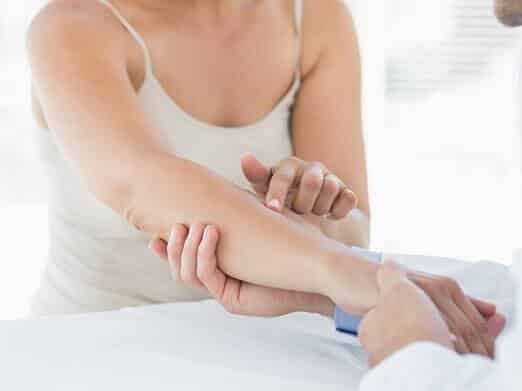
Living with lymphoedema can be challenging, but there are coping strategies that can help you manage the condition effectively. One important aspect of self-care is maintaining good skin hygiene. Keeping your skin clean and moisturized is crucial in preventing infections and complications. It is recommended to wash the affected area regularly with mild soap and lukewarm water, being gentle to avoid causing any damage to the skin. Applying a non-perfumed moisturizer afterward can help keep the skin hydrated and prevent dryness. It’s also important to pay attention to any cuts, scratches, or insect bites, as they can increase the risk of infection. In such cases, it is advisable to keep the area clean and consult your healthcare professional if necessary.
Exercise and Movement
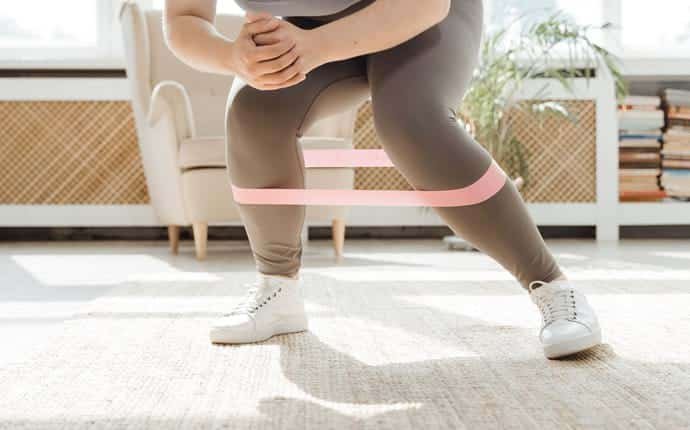
Engaging in regular physical activity and movement is another coping strategy that can help manage lymphoedema. Exercise promotes circulation throughout the body and can assist in reducing swelling in the affected limb. It is important to consult with your healthcare professional or lymphoedema therapist to determine the most suitable exercises for you. Low-impact activities, such as walking, swimming, and cycling, are generally recommended. These exercises not only help improve circulation but also enhance overall fitness and mental well-being. Remember to start slowly and gradually increase the duration and intensity of your exercise routine, listening to your body’s signals throughout the process.
Compression Therapy
Compression therapy is a crucial component of managing lymphoedema and can significantly alleviate symptoms. It involves applying external pressure to the affected limb using compression garments or bandages. Compression garments are specially designed to provide graduated pressure, meaning that the pressure is highest at the extremities and gradually decreases towards the torso. This helps to facilitate the proper flow of lymphatic fluid and prevent further swelling. Compression bandages, on the other hand, provide adjustable pressure and are often used during intensive treatment sessions. It’s important to work closely with your lymphoedema therapist to ensure the proper fitting of compression garments or bandages for optimal effectiveness.
Healthy Diet and Weight Management
Maintaining a healthy diet and weight management are essential strategies for coping with lymphoedema. A balanced diet consisting of nutrient-rich foods can support overall health and help manage the condition. Incorporating a variety of fruits, vegetables, whole grains, lean proteins, and healthy fats into your meals is recommended. It is important to limit the intake of processed foods, sugary snacks, and alcohol, as they can contribute to inflammation and fluid retention. Additionally, managing your weight within a healthy range can help reduce the strain on your lymphatic system and potentially minimize swelling. Consulting with a registered dietitian may be beneficial in developing a personalized nutrition plan to meet your specific needs.
Psychological Support
Living with lymphoedema can have a significant impact on your emotional well-being, and seeking psychological support is an important coping strategy. Dealing with a chronic condition may lead to feelings of frustration, sadness, or anxiety, and it is essential to address these emotions. Talking to a mental health professional, such as a therapist or counselor, can provide a safe space for you to express your feelings and find effective coping mechanisms. They can help you develop strategies to manage stress, improve self-esteem, and enhance your overall emotional resilience. Additionally, joining support groups or connecting with others who are navigating similar experiences can provide a sense of community and understanding.
Support Systems
Medical Professionals
Having a strong support system is crucial when living with lymphoedema, and medical professionals play a vital role in providing guidance and treatment. Your primary care physician or healthcare provider can help you understand your condition, monitor your progress, and coordinate your overall healthcare. They can also refer you to specialists, such as lymphoedema therapists or surgeons, as needed. Regular consultations with medical professionals will enable you to receive appropriate care and stay up-to-date with the latest advancements in lymphoedema management.
Lymphoedema Therapists
Lymphoedema therapists are highly trained healthcare professionals who specialize in the management and treatment of lymphoedema. They play a crucial role in devising personalized treatment plans, including implementing techniques such as complete decongestive therapy (CDT) and manual lymphatic drainage (MLD). These therapists are a valuable resource for education, support, and follow-up care. Working closely with a lymphoedema therapist can help you establish a routine that combines various therapies and maintain the best possible quality of life.
Support Groups
Joining a support group is an excellent way to connect with others going through similar experiences and find valuable emotional support. Support groups can provide a safe space to share your challenges, triumphs, and concerns, and to learn from the experiences of others. Whether in-person or online, these groups offer a sense of community, understanding, and validation. They can also provide opportunities to learn about new coping strategies, treatment options, and lifestyle modifications. Connecting with people who truly understand what you are going through can make a profound difference in your journey with lymphoedema.
Family and Friends
Your family and friends can be an invaluable source of support when living with lymphoedema. They may not fully understand the complexities of the condition, but their love, empathy, and encouragement can make a significant difference. Communicate openly with your loved ones about your challenges, treatment plans, and how they can best support you. Be clear about your needs and educate them about lymphoedema, so they can better understand and provide assistance. Involving them in your journey can strengthen your support system and foster a sense of togetherness.
Online Communities
In this digital age, online communities and forums have become increasingly popular sources of support for individuals living with various health conditions, including lymphoedema. Online platforms provide a space for individuals to connect, share experiences, and exchange advice and resources. Participating in these communities can offer a sense of belonging and the opportunity to learn from others’ lived experiences. However, it’s important to exercise caution and verify the credibility of information obtained online. Always consult with medical professionals or reputable sources for accurate and reliable advice.

Resources for Living with Lymphoedema
Educational Websites and Books
There are numerous educational websites and books available that provide reliable information on lymphoedema and its management. These resources offer in-depth knowledge about the condition, treatment options, and coping strategies. They also serve as a valuable source for updates on the latest research and advancements in lymphoedema management. Some websites even offer downloadable resources, such as educational brochures and exercise guides. When selecting books or websites, be sure to choose reputable sources and consult medical professionals if you have any specific questions or concerns.
Lymphoedema Clinics and Centers
Lymphoedema clinics and centers are specialized healthcare facilities that focus on the diagnosis, treatment, and management of lymphoedema. These clinics and centers often have a multidisciplinary team of healthcare professionals, including lymphoedema therapists, physiotherapists, and dietitians, who work together to provide comprehensive care. Through their expertise, they can guide you through various treatment options, such as complete decongestive therapy (CDT), manual lymphatic drainage (MLD), and compression therapy. These facilities also offer ongoing support, education, and resources to help you effectively manage your lymphoedema.
Financial Assistance Programs
Living with lymphoedema can entail various medical expenses, including the cost of compression garments, therapy sessions, and other treatments. It is important to explore financial assistance programs that may be available to help alleviate some of the financial burden. Organizations such as the Patient Access Network Foundation (PANF) and the Healthwell Foundation offer financial assistance programs for individuals with lymphoedema and other chronic conditions. Additionally, reaching out to local community organizations or nonprofit groups may provide further resources and support.
Lymphoedema Products and Suppliers
There are numerous lymphoedema products available in the market designed to assist with managing the condition effectively. These include compression garments, bandages, skincare products, and specialized devices. When selecting lymphoedema products, it is essential to consult with your healthcare professional or lymphoedema therapist. They can provide guidance on the most suitable products for your specific needs and ensure proper fitting and usage. Reputable suppliers and distributors can be found through healthcare professionals or trusted online sources.
Research and Clinical Trials
Research and clinical trials play a crucial role in advancing our understanding of lymphoedema and developing innovative treatment options. By participating in research studies or clinical trials, you not only contribute to the knowledge and understanding of lymphoedema, but you may also gain access to novel therapies and treatments that could potentially improve your condition. It is important to discuss these opportunities with your healthcare professional and carefully evaluate the potential risks and benefits.
Maintaining a Healthy Lifestyle
Physical Activity Recommendations
Regular physical activity is an important aspect of maintaining a healthy lifestyle when living with lymphoedema. Engaging in low-impact exercises, such as walking, swimming, and cycling, can help improve circulation, reduce swelling, and promote overall well-being. The National Lymphedema Network recommends incorporating at least 150 minutes of moderate-intensity aerobic exercise, 75 minutes of vigorous-intensity aerobic exercise, or a combination of both into your weekly routine. It is important to listen to your body and modify exercises as needed to prevent overexertion. Working with a physiotherapist or lymphoedema therapist can help develop a safe and effective exercise plan tailored to your needs.
Nutritional Guidelines
Maintaining a balanced and nutritious diet is essential for overall health and can positively impact lymphoedema management. A diet rich in fruits, vegetables, whole grains, lean proteins, and healthy fats can help support immune function, reduce inflammation, and maintain a healthy weight. Additionally, limiting the intake of processed foods, sugary snacks, and alcohol can help minimize inflammation and fluid retention. Working with a registered dietitian can provide personalized nutritional guidance and ensure that you are meeting your specific dietary needs.
Weight Management Strategies
Maintaining a healthy weight is important for individuals living with lymphoedema, as excess weight can put additional strain on the lymphatic system. If weight loss is a goal, it is crucial to approach it in a healthy and gradual manner. Crash diets or extreme weight loss methods can potentially worsen lymphoedema symptoms. Instead, focus on adopting a balanced and sustainable approach to weight management. This includes following a nutritious diet, engaging in regular physical activity, and seeking support from healthcare professionals or support groups.
Skin Care Practices
Proper skin care is essential in preventing infections and complications associated with lymphoedema. It is important to keep the skin clean and moisturized to maintain its integrity. Avoid using harsh soaps or hot water, as they can dry out the skin and exacerbate lymphoedema symptoms. Instead, opt for mild, fragrance-free cleansers and lukewarm water. After washing, gently pat the skin dry, being careful not to rub or irritate the area. Applying a non-perfumed moisturizer can help keep the skin hydrated and further prevent dryness. In cases where there are cuts, scratches, or insect bites, it is important to keep the affected area clean and seek medical attention if necessary.
Stress Management Techniques
Living with lymphoedema can be emotionally challenging, and managing stress is an important aspect of maintaining a healthy lifestyle. Chronic stress can exacerbate symptoms and impact your overall well-being. Incorporating stress management techniques into your daily routine can be beneficial. These include mindfulness meditation, deep breathing exercises, gentle yoga, and engaging in activities that bring you joy and relaxation. It’s important to find what works best for you and make self-care a priority. Consider seeking guidance from a therapist or joining support groups where you can learn and share stress management strategies with others in similar situations.

Treatment Options
Complete Decongestive Therapy (CDT)
Complete decongestive therapy (CDT) is a comprehensive treatment approach for managing lymphoedema. It consists of several components, including manual lymphatic drainage (MLD), compression therapy, exercise, and skin care. Manual lymphatic drainage is a specialized massage technique performed by trained therapists to stimulate lymphatic flow and reduce swelling. Compression therapy involves wearing compression garments or bandages to provide external pressure and support to the affected limb. Exercise helps improve circulation and maintain overall fitness. Skin care practices are integrated to prevent infections and maintain the health of the skin. Working closely with a lymphoedema therapist is essential to receive proper guidance and maximize the benefits of complete decongestive therapy.
Manual Lymphatic Drainage (MLD)
Manual lymphatic drainage (MLD) is a specialized massage technique that focuses on stimulating the flow of lymphatic fluid and reducing swelling in the affected limb. It is typically performed by highly trained therapists who apply gentle, rhythmic strokes in specific patterns to move the lymph fluid towards functional lymph nodes. MLD can be a highly effective treatment for managing lymphoedema and improving overall circulation. Regular sessions of MLD, combined with other components of complete decongestive therapy (CDT), can help maintain the reduction of swelling and enhance quality of life. It is important to consult with a lymphoedema therapist to determine the appropriate frequency and duration of MLD sessions for your specific needs.
Intermittent Pneumatic Compression (IPC)
Intermittent pneumatic compression (IPC) is a treatment option that involves the use of an inflatable pump and sleeves or garments to apply external pressure and stimulate lymphatic flow. IPC pumps are designed to apply periodic pressure and release cycles, mimicking the natural pumping action of the lymphatic system. This therapy can be beneficial in reducing swelling and improving overall circulation. IPC is typically used in conjunction with other treatment methods, such as complete decongestive therapy (CDT) or manual lymphatic drainage (MLD). Working with your healthcare professional or lymphoedema therapist will help determine whether IPC is a suitable treatment option for you and guide you in its proper usage.
Surgery
In certain cases, surgery may be considered as a treatment option for lymphoedema. Surgical interventions aim to remove excess tissue and improve lymphatic flow. There are different surgical procedures available, such as lymphaticovenous anastomosis (LVA) and vascularized lymph node transfer (VLNT). LVA involves connecting lymphatic vessels to adjacent veins, allowing for alternative drainage pathways. VLNT involves transplanting lymph nodes from a donor site to the affected area to reconstruct lymphatic drainage. Surgical interventions are typically reserved for individuals with severe or refractory lymphoedema and should be evaluated on a case-by-case basis. Consultation with a specialist surgeon experienced in lymphoedema management is essential to determine the suitability and potential benefits of surgery.
Medication
In some cases, medication may be prescribed as part of the treatment plan for lymphoedema. Medications such as diuretics or antibiotics may be used to manage fluid retention or prevent and treat infections. However, it is important to note that medication alone is not typically considered a primary treatment for lymphoedema. Medications may be used in conjunction with other treatment modalities, such as complete decongestive therapy (CDT) or compression therapy, to manage specific symptoms or complications. Your healthcare professional will determine if medication is appropriate based on your individual condition and needs.
Day-to-Day Challenges
Mobility Limitations
Lymphoedema can sometimes present mobility limitations, particularly if the swelling is severe or affects a lower limb. These challenges can impact your daily activities and overall quality of life. However, there are strategies to help overcome mobility limitations and maintain independence. Assistive devices, such as canes, walkers, or even mobility scooters, can provide support and enhance mobility. Additionally, working with a physiotherapist or occupational therapist can help develop specific exercises and techniques to improve strength, balance, and range of motion, thereby enhancing mobility. It is important to communicate any mobility challenges with your healthcare professional or therapist to receive appropriate guidance and support.
Social Stigma and Body Image
Living with lymphoedema can sometimes lead to social stigma and affect body image. The visible swelling and changes in appearance may impact self-esteem and confidence, making social situations challenging. It is important to remember that lymphoedema is a medical condition and not a result of personal choices or behaviors. Educating others about lymphoedema, including family, friends, and colleagues, can help foster understanding and reduce stigmatization. Engaging in support groups or connecting with others who have similar experiences can provide a sense of validation and support. Seeking professional help, such as counseling or therapy, can also assist in building self-esteem and fostering body acceptance.
Clothing and Fashion Considerations
Lymphoedema can present challenges when it comes to clothing choices and fashion considerations. It is important to find clothing that fits comfortably and accommodates any swelling. Opting for loose-fitting, breathable fabrics can help minimize discomfort and irritation. Some individuals find that adjustable or custom-made clothing provides a better fit and allows for modifications as needed. Compression garments or bandages may need to be worn underneath regular clothing, and it may be necessary to adjust wardrobe choices to accommodate these garments. Exploring different brands or consulting with lymphoedema therapists can provide guidance on suitable clothing options that not only address the practical aspects but also allow for personal style and expression.
Traveling with Lymphoedema
Traveling with lymphoedema requires careful planning to ensure optimal comfort and management of symptoms. It is important to communicate with your healthcare professional or lymphoedema therapist before your trip to discuss any specific precautions or recommendations. One crucial aspect is ensuring you have an adequate supply of compression garments or bandages for the duration of your trip. Wearing compression garments during the journey can help prevent fluid buildup and reduce the risk of swelling. It is also advised to get up and move around periodically during long flights or car journeys to promote circulation. Staying hydrated and avoiding excessive heat or prolonged exposure to the sun is also important. Proper planning and preparation can help minimize any potential complications and allow for an enjoyable travel experience.
Managing Lymphoedema Flare-ups
Lymphoedema flare-ups can occur due to various triggers, such as changes in temperature, humidity, physical exertion, or infection. It is essential to be alert to the signs of a flare-up and take prompt action. This may include increasing the frequency of manual lymphatic drainage (MLD) sessions, wearing compression garments more consistently, or adjusting your exercise routine. Avoiding any potential triggers, such as extreme temperatures or strenuous activities, can also help prevent flare-ups. It is important to develop an individualized plan with your healthcare professional or lymphoedema therapist to effectively manage flare-ups. Prompt attention to flare-ups can minimize their impact and prevent the progression of symptoms.
Preventing Infections and Complications
Skin Care Practices
Proper skin care is essential in preventing infections and complications associated with lymphoedema. Regularly inspecting the affected limb for any cuts, scratches, or insect bites is crucial. Even minor injuries can increase the risk of infection in individuals with lymphoedema. It is important to clean any cuts or scratches with mild soap and lukewarm water and apply an appropriate antiseptic ointment or dressing, as recommended by your healthcare professional. Additionally, moisturizing the skin daily and avoiding harsh soaps or hot water can help maintain skin integrity. In case of any signs of infection, such as redness, heat, increased swelling, or pain, it is important to seek medical attention promptly to prevent the spread of infection.
Avoiding Injury and Trauma
Lymphoedema can make the affected limb more susceptible to injury or trauma. It is important to take precautions to minimize the risk of accidental injuries. Wearing protective gear, such as gloves or long sleeves, when engaging in activities that may pose a risk is advisable. Avoiding sharp objects or activities that may cause excessive pressure or strain on the limb can also help protect against injury. If you engage in physical activities or sports, consult with your healthcare professional or lymphoedema therapist for specific recommendations and modifications to ensure safety. Taking extra care to prevent injuries can help reduce the risk of complications and maintain the overall health of the affected limb.
Recognizing Early Signs of Infection
Recognizing the early signs of infection is vital in preventing complications and seeking prompt medical attention. In addition to inspecting the skin for any visible signs of infection, it is important to be aware of common symptoms, such as increased heat, redness, swelling, pain, or the appearance of open sores or blisters. Paying attention to any changes in the affected limb, such as sudden increase in swelling or reduced flexibility, can also be indicative of infection. If you notice any of these symptoms, it is crucial to consult your healthcare professional promptly. Timely intervention can prevent the spread of infection and minimize the impact on your overall well-being.
Taking Precautions During Medical Procedures
When undergoing medical procedures or treatments, it is important to communicate your lymphoedema diagnosis to the healthcare professionals involved. They can take necessary precautions to minimize the risk of complications. Medical procedures, such as blood draws, injections, or surgeries, may require specific considerations. It is important to consult with your healthcare professional or lymphoedema therapist to determine the appropriate guidelines and precautions to follow. In some cases, it may be necessary to wear compression garments or bandages during procedures to ensure optimal care. Ensuring that all healthcare professionals involved are aware of your lymphoedema status can help prevent any unforeseen complications.
Regular Check-ups and Monitoring
Regular check-ups and monitoring with your healthcare professional or lymphoedema therapist are important to assess your condition and identify any potential complications. These routine appointments allow for the evaluation of your treatment plan, adjustments as necessary, and the early identification of any changes or concerns. It is essential to communicate openly with your healthcare professional and report any new symptoms, changes in swelling, or skin abnormalities. Through regular check-ups and monitoring, potential issues can be identified early, allowing for prompt intervention and prevention of complications.
Alternative Therapies
Acupuncture
Acupuncture is an alternative therapy that involves the insertion of thin needles at specific points on the body. It is believed to stimulate and balance the body’s energy flow, promoting healing and well-being. Some individuals living with lymphoedema have found acupuncture to be beneficial in managing symptoms such as pain, swelling, and overall well-being. It is important to consult with a licensed acupuncturist experienced in working with lymphoedema or to seek recommendations from your healthcare professional before incorporating acupuncture into your treatment plan.
Herbal Remedy
Herbal remedies are often used as complementary therapies for various health conditions, including lymphoedema. Some herbs and supplements, such as horse chestnut extract, gotu kola, and bromelain, are believed to have anti-inflammatory or circulatory benefits that may assist in managing lymphoedema symptoms. However, it is important to note that herbal remedies and supplements should be approached with caution. Always consult with your healthcare professional or a qualified herbalist before incorporating any herbal remedies into your treatment plan, as they may interact with other medications or have contraindications.
Aromatherapy
Aromatherapy involves the use of essential oils derived from plants to promote physical and emotional well-being. In the context of lymphoedema management, certain essential oils, such as lemon, cypress, or geranium, are believed to have potential benefits in reducing swelling, improving circulation, and promoting relaxation. It is important to note that essential oils should be used with caution and diluted properly before applying to the skin or using in a diffuser. If considering aromatherapy, it is advisable to consult with a qualified aromatherapist who has experience working with lymphoedema.
Yoga and Meditation
Yoga and meditation practices can provide physical and mental benefits for individuals living with lymphoedema. Gentle yoga poses and movements can help improve flexibility, strength, and circulation, while meditation and breathing exercises can promote relaxation and mindfulness. It is important to consult with a qualified yoga instructor experienced in working with individuals with lymphoedema to ensure that exercises are tailored to your specific needs and limitations. Always listen to your body and modify poses or movements as necessary, avoiding any undue strain or pressure on the affected limb.
Reiki
Reiki is a form of energy therapy that aims to promote relaxation, stress reduction, and overall well-being. It involves the gentle laying on of hands or the transfer of energy through the palms to the recipient. Some individuals living with lymphoedema have reported positive experiences with reiki, finding it beneficial in reducing swelling, promoting relaxation, and improving their overall quality of life. It is important to note that reiki is considered a complementary therapy and should not replace conventional medical treatments. It is advisable to seek out a qualified reiki practitioner with experience in working with individuals with lymphoedema.
Advocacy and Awareness
Raising Public Awareness
One important aspect of living with lymphoedema is raising public awareness about the condition. Many individuals are unfamiliar with lymphoedema, its causes, and its impact. By sharing personal stories, organizing awareness campaigns, or participating in community events, you can contribute to increasing public knowledge and understanding. Raising awareness helps to dispel misconceptions, reduce stigmatization, and foster empathy and support for individuals living with lymphoedema. Utilize social media platforms, community newsletters, or local organizations to spread information and shed light on the challenges and triumphs of living with lymphoedema.
Supporting Research and Development
Advancements in research and development are vital in improving the understanding and management of lymphoedema. By supporting organizations and initiatives dedicated to researching the causes, prevention, and treatment of lymphoedema, you can contribute to the progress in this field. Consider donating to lymphoedema research foundations or participating in fundraising events that focus on lymphoedema. Encouraging others to support research efforts can also make a significant impact in advancing knowledge and finding better solutions for individuals living with lymphoedema.
Advocating for Access to Treatment
Access to appropriate and timely treatment is a critical aspect of managing lymphoedema. Unfortunately, some individuals may face barriers such as limited availability, high costs, or lack of insurance coverage for necessary treatments. Advocating for access to treatment involves actively engaging with policymakers, insurance providers, and healthcare systems to ensure that everyone has access to the care they need. This can be done through writing letters, participating in advocacy campaigns, or joining support groups that focus on advocating for improved access to lymphoedema treatment. Elevating the voices of those affected by lymphoedema can lead to policy changes and increased resources for the lymphoedema community.
Educating Healthcare Professionals
Educating healthcare professionals about lymphoedema is crucial in improving diagnosis, treatment, and overall care for individuals living with the condition. By sharing your experiences and providing educational resources to healthcare professionals, you can contribute to their understanding and knowledge. Engaging in conversations with healthcare providers, participating in conferences or workshops, or sharing informational materials can help enhance healthcare professionals’ ability to provide up-to-date and evidence-based care. Ultimately, better education within the healthcare community can lead to earlier diagnosis, more effective treatments, and improved outcomes for individuals with lymphoedema.
Promoting Patient Empowerment
Promoting patient empowerment is about enabling individuals living with lymphoedema to actively participate in their own care and decision-making processes. It involves providing individuals with the knowledge, tools, and resources they need to manage their condition effectively. Empowered patients are better equipped to advocate for themselves, make informed decisions, and actively engage in treatment plans. Support groups, educational workshops, and online communities can play a significant role in promoting patient empowerment by providing information, resources, and a platform for individuals to share experiences, challenges, and successes.