Are you tired of dealing with persistent lower back pain? Look no further! This article provides a simple and effective solution for alleviating your discomfort right from the comfort of your own home. Offering a variety of easy-to-follow remedies, this guide aims to help you find relief and get back to living your life pain-free. Say goodbye to your lower back pain and hello to a happier, healthier you!

Causes of Lower Back Pain
Lower back pain can be caused by various factors. Understanding the underlying causes can help in finding effective remedies and prevention strategies. Here are some common causes of lower back pain:
Muscle strain
One of the most common causes of lower back pain is muscle strain. This can occur due to sudden movements, lifting heavy objects, or overexertion during physical activities. Muscle strain can lead to discomfort and stiffness in the lower back.
Ligament sprain
Ligament sprain is another common cause of lower back pain. It happens when the ligaments, which connect bones to each other, are stretched or torn. This can occur due to sudden twisting or bending of the back. Ligament sprains can cause severe pain and restrict movement.
Herniated disc
A herniated disc, also known as a slipped or ruptured disc, occurs when one of the discs in the spine protrudes and puts pressure on the nerves. This can cause intense pain in the lower back, along with numbness or tingling sensations in the legs or buttocks.
Sciatica
Sciatica refers to the pain that radiates along the path of the sciatic nerve, which extends from the lower back down to the legs. This condition can be caused by a herniated disc, spinal stenosis, or other underlying factors. Sciatica can cause shooting pain, weakness, and numbness in the legs.
Spinal stenosis
Spinal stenosis is a condition where the spinal canal narrows, putting pressure on the spinal cord and nerves. This can cause lower back pain, as well as numbness, tingling, and weakness in the legs. Spinal stenosis is commonly associated with aging.
Osteoarthritis
Osteoarthritis is a degenerative joint disease that can affect the spine. It occurs when the protective cartilage between the bones wears down, causing pain, stiffness, and inflammation in the affected joints. Osteoarthritis of the spine can lead to lower back pain and limited mobility.
Degenerative disc disease
Degenerative disc disease is a condition where the discs between the vertebrae in the spine break down and lose their cushioning ability. This can result in chronic lower back pain, as well as weakness and numbness in the legs. Degenerative disc disease is a common cause of lower back pain in older adults.
Poor posture
Maintaining poor posture for extended periods can put strain on the muscles and ligaments in the lower back. Slouching or sitting hunched over a desk can lead to muscle imbalances and increased pressure on the spine, causing lower back pain.
Obesity
Excess weight can contribute to lower back pain by putting additional strain on the spine. The extra weight can lead to poor posture, increased pressure on the discs and joints, and a higher risk of developing conditions such as osteoarthritis or herniated discs. Losing weight can help alleviate lower back pain.
Sedentary lifestyle
Leading a sedentary lifestyle with prolonged periods of sitting or inactivity can weaken the muscles in the lower back, leading to pain and discomfort. Regular movement and exercise are essential for maintaining a healthy spine and preventing lower back pain.
Home Remedies for Lower Back Pain Relief
While seeking professional medical advice is important for diagnosing and treating specific conditions, there are several home remedies that may help relieve lower back pain. These remedies focus on reducing pain, improving flexibility, and promoting overall spine health.
Hot and cold therapy
Applying heat or cold to the affected area can help reduce inflammation, alleviate pain, and promote healing. You can use hot packs or heating pads for muscle relaxation and increased blood flow. Cold packs or ice packs can help numb the area and reduce swelling. Alternating between hot and cold therapy can be beneficial in some cases. Taking warm baths or showers can also provide relief.
Stretching exercises
Stretching exercises can help improve flexibility, reduce muscle tension, and alleviate lower back pain. Some effective stretching exercises for the lower back include Child’s Pose, Cat-Cow Stretch, Hamstring Stretch, Knee-to-Chest Stretch, and Piriformis Stretch. It’s important to perform these stretches gently and avoid any movements that cause pain.
Strengthening exercises
Strengthening the muscles in the lower back can provide support and stability, reducing the risk of pain and injury. Some recommended strengthening exercises for the lower back include Bridge Exercise, Superman Exercise, Bird Dog Exercise, Plank Exercise, and Deadlifts. These exercises target the core muscles and can help improve posture and overall spine health.
Improving posture
Maintaining good posture plays a crucial role in preventing and relieving lower back pain. Practicing proper alignment while sitting, standing, and walking can reduce strain on the spine. Tips for improving posture include sitting and standing straight, taking frequent breaks from sitting, investing in an ergonomic chair, supporting the lower back with a cushion, and using a standing desk if possible.
Weight management
Maintaining a healthy weight is important for reducing strain on the lower back. Excess weight can put additional pressure on the spine and contribute to pain and discomfort. Adopting a healthy diet, incorporating regular exercise, monitoring portion sizes, avoiding binge eating, and staying hydrated can all contribute to weight management and lower back pain relief.
Investing in a supportive mattress
A supportive mattress can play a key role in maintaining proper spinal alignment during sleep. Choosing the right mattress firmness based on personal preference and spinal health is crucial. Memory foam or latex mattresses are often recommended for providing support and relieving pressure points. Using mattress toppers can add extra support if needed. It’s also important to replace old or worn-out mattresses to ensure optimal spinal support.
Using ergonomic furniture
Ergonomic furniture can help promote good posture and alleviate lower back pain. Evaluating chair ergonomics and replacing chairs that don’t provide adequate support is important. Using lumbar support cushions can help maintain the natural curve of the lower back while sitting. Adjusting desk and computer height to align with the body’s natural posture can reduce strain on the spine. Considering adjustable standing desks can also be beneficial for alternating between sitting and standing.
Applying topical remedies
Topical remedies such as creams, ointments, or gels containing ingredients like menthol, capsaicin, or NSAIDs (nonsteroidal anti-inflammatory drugs) can provide temporary relief from lower back pain. These topical remedies work by reducing inflammation, numbing the area, or blocking pain signals. It’s important to follow the instructions on the packaging and consult a healthcare professional if using topical remedies alongside other medications.
Practicing relaxation techniques
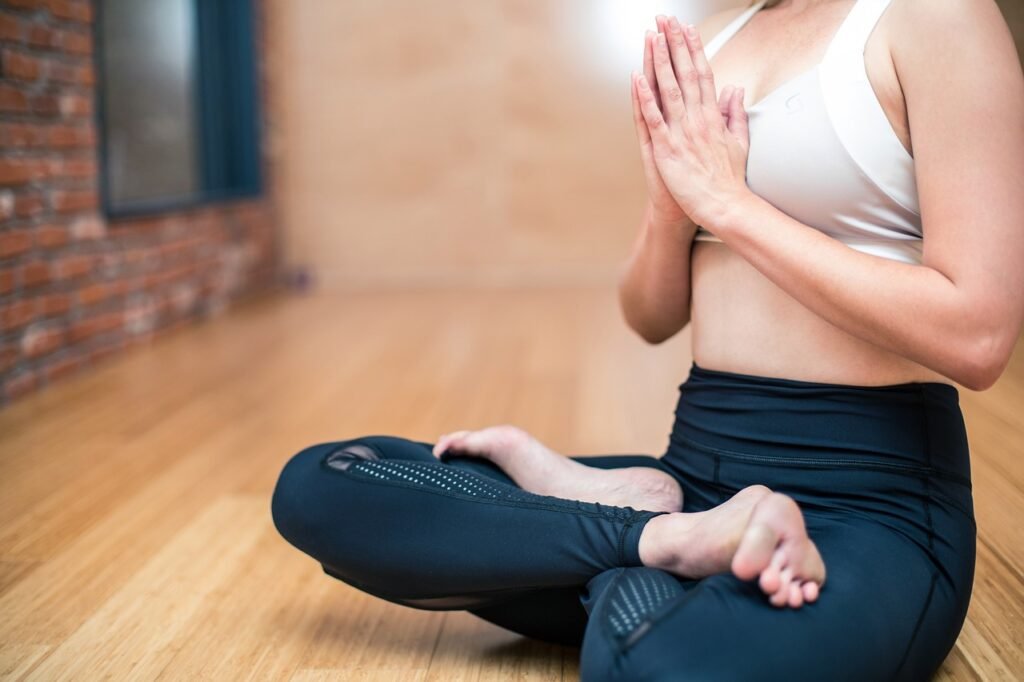
Stress and tension can contribute to muscle tightness and exacerbate lower back pain. Practicing relaxation techniques such as deep breathing exercises, meditation, or yoga can help reduce stress and promote relaxation. These techniques can also improve sleep quality, which is essential for the body’s natural healing process.
Supportive footwear
Wearing supportive footwear is important for maintaining proper alignment and reducing strain on the lower back. Choose shoes with good arch support that provide cushioning and shock absorption. Using orthotic inserts can further enhance support and alleviate discomfort. Avoid wearing high heels or flat shoes for extended periods, as they can disrupt natural alignment and increase the risk of lower back pain. It’s also important to replace worn-out shoes regularly to ensure optimal support.
By implementing these home remedies, individuals experiencing lower back pain can find relief and promote the overall health of their spine. It’s important to consult with a healthcare professional before starting any new exercise or treatment regimen, especially if the pain persists or worsens.