
Fatty Liver Disease can be a challenging condition to navigate, but with the right knowledge and strategies, you can effectively manage it and improve your liver health. This article will provide you with valuable insights and practical tips on how to take control of your Fatty Liver Disease, from understanding its causes and symptoms to implementing a healthy lifestyle that supports your liver’s recovery. Whether you’ve been recently diagnosed or have been living with this condition for some time, this guide is here to support you and empower you on your journey towards better liver function.

Understanding Fatty Liver Disease
Definition of Fatty Liver Disease
Fatty Liver Disease, also known as hepatic steatosis, is a condition characterized by the accumulation of excess fat in the liver cells. This buildup of fat can hinder the liver’s ability to function properly and carry out essential processes, such as filtering toxins from the blood and producing bile.
Causes of Fatty Liver Disease
There are two primary types of fatty liver disease: alcoholic fatty liver disease and non-alcoholic fatty liver disease (NAFLD). Alcoholic fatty liver disease occurs due to excessive alcohol consumption, which puts a strain on the liver and leads to fat accumulation. On the other hand, NAFLD is commonly associated with obesity, insulin resistance, high blood sugar levels, and metabolic syndrome.
Types of Fatty Liver Disease
As mentioned earlier, there are two main types of fatty liver disease: alcoholic fatty liver disease and non-alcoholic fatty liver disease. Alcoholic fatty liver disease is caused by excessive alcohol consumption, while non-alcoholic fatty liver disease can be further categorized into non-alcoholic fatty liver (NAFL) and non-alcoholic steatohepatitis (NASH). NAFL is characterized by fat accumulation in the liver without inflammation or liver cell damage, whereas NASH involves inflammation and liver cell damage in addition to fat accumulation.
Signs and Symptoms
Early Signs and Symptoms
In the early stages of fatty liver disease, most people experience few, if any, noticeable symptoms. However, some common early signs include fatigue, abdominal discomfort, and mild liver enlargement. These symptoms are often nonspecific and can easily be mistaken for other conditions, making it important to consult a healthcare professional for proper diagnosis.
Advanced Signs and Symptoms
As fatty liver disease progresses, more severe symptoms may manifest. Some advanced signs of fatty liver disease include jaundice (yellowing of the skin and eyes), swelling in the legs and abdomen, dark urine, persistent itching, and easy bruising or bleeding. Additionally, individuals may experience abdominal pain, loss of appetite, and unintentional weight loss.
When to See a Doctor
If you suspect you may have fatty liver disease or experience any concerning symptoms, it is crucial to consult a healthcare professional promptly. They can evaluate your condition, perform necessary tests or screenings, and determine the best course of action for diagnosis and treatment.

Diagnosis
Physical Examination
During a physical examination, a healthcare provider will carefully assess the abdomen, looking for signs of enlargement or tenderness. They may also check for jaundice, swelling, or other physical indicators of liver abnormalities.
Medical History
A detailed medical history is essential in diagnosing fatty liver disease. The healthcare provider will inquire about alcohol consumption, family history of liver disease, and any underlying medical conditions that may contribute to the development of fatty liver disease.
Laboratory Tests
Blood tests are commonly used to aid in diagnosing fatty liver disease. These tests measure liver enzymes as well as other markers that can indicate liver inflammation and damage. Elevated levels of alanine transaminase (ALT) and aspartate transaminase (AST) enzymes often suggest liver inflammation.
Imaging Tests
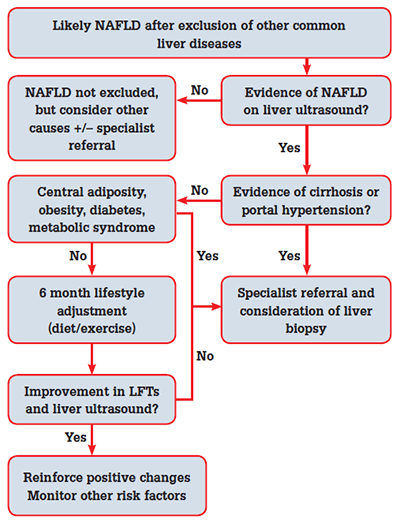
Imaging tests such as ultrasound, computerized tomography (CT), or magnetic resonance imaging (MRI) scans may be conducted to further evaluate and visualize the liver. These tests can help determine the extent of fat accumulation and identify any liver abnormalities or potential complications.
Treatment Options
Lifestyle Changes
Making positive lifestyle changes is often the first line of defense in managing fatty liver disease. This includes abstaining from alcohol for those with alcoholic fatty liver disease and adopting a healthy lifestyle for those with non-alcoholic fatty liver disease.
Dietary Modifications
A healthy diet plays a crucial role in managing fatty liver disease. Avoiding high-calorie, processed foods and opting for a well-balanced diet rich in fruits, vegetables, whole grains, and lean proteins is recommended. Limiting added sugars and unhealthy fats, such as saturated and trans fats, is also important.
Exercise and Physical Activity
Regular exercise and physical activity can be extremely beneficial for individuals with fatty liver disease. Engaging in moderate aerobic activities, such as brisk walking, swimming, or cycling, for at least 150 minutes per week can improve liver health, promote weight loss, and reduce the risk of complications.
Medications
In some cases, healthcare providers may prescribe medications to manage certain aspects of fatty liver disease. For example, medications may be prescribed to help control cholesterol levels, manage insulin resistance, or address underlying conditions that contribute to the development of fatty liver disease.
Prevention
Maintaining a Healthy Weight
Maintaining a healthy weight is essential in preventing fatty liver disease. This can be achieved by adopting a well-balanced diet and engaging in regular physical activity. If necessary, healthcare professionals can provide guidance and support in developing a personalized weight management plan.
Healthy Eating Habits
Eating a nutritious and well-balanced diet is crucial for preventing fatty liver disease. This includes consuming plenty of fruits, vegetables, whole grains, and lean proteins while limiting the intake of added sugars, unhealthy fats, and processed foods. A registered dietitian can provide tailored dietary recommendations.
Regular Exercise
Physical activity is a key component of maintaining liver health and preventing fatty liver disease. Engaging in regular exercise, such as aerobic activities or strength training, can help improve liver function, promote weight management, and reduce the risk of metabolic disorders associated with fatty liver disease.
Complications
Cirrhosis
If left untreated, fatty liver disease can progress to a more severe condition called cirrhosis. Cirrhosis is characterized by extensive scarring of the liver tissue, which hinders its ability to function properly. This can lead to complications such as fluid buildup in the abdomen, increased pressure in the blood vessels, and liver failure.
Liver Failure
Advanced fatty liver disease, particularly non-alcoholic steatohepatitis (NASH), can result in liver failure. When the liver loses its ability to perform essential functions, such as blood detoxification and protein synthesis, it can have severe consequences on overall health and wellbeing.
Liver Cancer
Individuals with fatty liver disease, especially those with cirrhosis, have an increased risk of developing liver cancer. Regular monitoring and appropriate medical interventions are crucial in preventing the progression to liver cancer.

Living with Fatty Liver Disease
Creating a Supportive Environment
Living with fatty liver disease can be challenging, so it is important to establish a supportive environment. This may involve informing family and friends about the condition, seeking their understanding and assistance, and finding support groups or online communities where you can connect with others facing similar challenges.
Managing Stress
Stress management techniques, such as practicing mindfulness, engaging in relaxation exercises, and pursuing enjoyable hobbies or activities, can help mitigate the negative impact of stress on liver health. Stress management is crucial as high stress levels can worsen the progression and symptoms of fatty liver disease.
Adhering to Treatment Plans
Following the prescribed treatment plan and attending regular check-ups with healthcare professionals are vital for effectively managing fatty liver disease. This includes taking any prescribed medications, making recommended lifestyle changes, and attending scheduled medical appointments to monitor the progression of the disease.
Frequently Asked Questions (FAQs)
What foods should I avoid with fatty liver disease?
When managing fatty liver disease, it is advisable to limit or avoid fatty foods, sugary beverages, high-sodium foods, processed foods, and alcohol. Consulting a healthcare professional or registered dietitian can provide further guidance on specific dietary restrictions.
Is fatty liver disease reversible?
The good news is that fatty liver disease is often reversible, especially in the early stages. By adopting a healthy lifestyle, including dietary modifications, regular exercise, weight management, and abstaining from alcohol (for those with alcoholic fatty liver disease), individuals can improve liver health and reverse the effects of fatty liver disease.
Can fatty liver disease be cured?
While fatty liver disease can often be reversed with lifestyle changes, it is important to note that there is no specific cure for the disease. Management and control of the condition primarily rely on making positive lifestyle choices and addressing any underlying conditions contributing to its development.

Conclusion
Maintaining Liver Health
Understanding fatty liver disease and taking steps to maintain liver health is crucial for overall wellbeing. By adopting a healthy lifestyle, including regular exercise, a well-balanced diet, and abstaining from excessive alcohol consumption, individuals can minimize the risk and impact of fatty liver disease.
Seeking Professional Help
When signs or symptoms of fatty liver disease arise, it is vital to seek professional help and consult a healthcare provider. Early diagnosis and intervention can significantly improve the prognosis of the disease and prevent potential complications.
Promoting Awareness
Promoting awareness about fatty liver disease is essential to help individuals recognize the signs, understand the risk factors, and take appropriate measures to prevent or manage the condition. By sharing knowledge and engaging in conversations about fatty liver disease, we can empower ourselves and others to make informed decisions regarding liver health.