
Are you tired of dealing with constant eye twitching and eye strain? Look no further! In this article, we will share some simple yet effective tips to help you prevent these annoying eye issues. Whether it’s from staring at a computer screen for long hours or simply overworking your eyes, we’ve got you covered. Say goodbye to those frustrating eye twitches and hello to healthier, happier eyes!
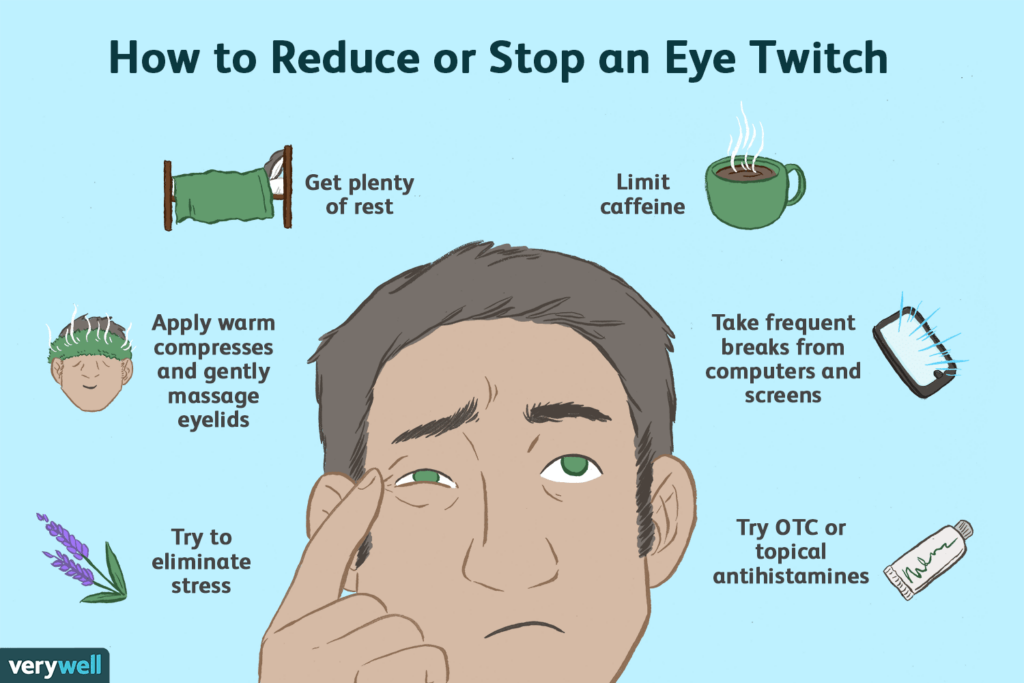
Causes of Eye Twitching
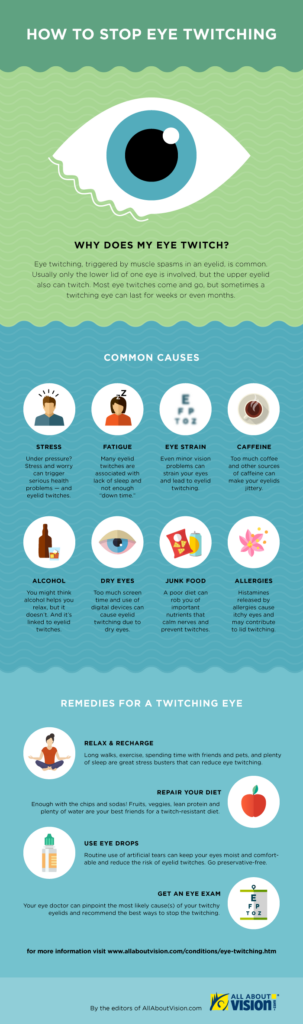
Eye twitching, also known as eyelid twitching or myokymia, is a condition that is characterized by the involuntary spasm or contraction of the muscles in the eyelids. While eye twitching is usually harmless and temporary, it can be quite bothersome and affect your daily activities. There are several potential causes of eye twitching, including:
Stress and anxiety
One of the most common causes of eye twitching is stress and anxiety. When you are under a lot of stress or experiencing anxiety, your body releases stress hormones that can trigger muscle contractions, including those in the eyelids. If you find yourself frequently experiencing eye twitching during periods of high stress or anxiety, it may be beneficial to explore stress management techniques such as deep breathing exercises, yoga, or meditation.
Fatigue and lack of sleep
Another common cause of eye twitching is fatigue and lack of sleep. When your body doesn’t get enough rest, it can lead to muscle spasms, including eye twitching. It is important to prioritize getting enough sleep each night to help prevent eye twitching and promote overall well-being. Aim for 7-9 hours of quality sleep every night and establish a consistent sleep routine.
Eye strain and dryness
Extended periods of staring at digital screens, reading, or performing close-up tasks can strain the muscles in your eyes and lead to eye twitching. This is commonly referred to as eye strain. Additionally, dry eyes can contribute to eye twitching as well. To prevent eye strain, make sure to take regular breaks and practice the 20-20-20 rule. This rule involves looking away from your screen every 20 minutes and focusing on an object 20 feet away for 20 seconds. Using artificial tears or lubricating eye drops can also help alleviate dryness and reduce eye twitching.
Caffeine and alcohol consumption
Consuming excessive amounts of caffeine and alcohol can also trigger eye twitching. Both substances can disrupt your sleeping patterns and contribute to fatigue, which as mentioned earlier, is a common cause of eye twitching. It is important to moderate your caffeine and alcohol intake to minimize the risk of eye twitching. Consider switching to decaffeinated beverages or herbal tea and limit alcohol consumption to maintain optimal eye health.
Nutritional imbalances
Certain nutritional imbalances can contribute to eye twitching. In particular, deficiencies in nutrients such as magnesium, calcium, and vitamin B12 have been associated with eye twitching. To maintain a balanced diet and prevent nutritional imbalances, make sure to include a variety of fruits, vegetables, whole grains, lean proteins, and dairy products in your meals. If you suspect a nutritional deficiency, consult with a healthcare professional for appropriate supplementation.
Allergies and eye irritation
Allergies and eye irritation can cause the eyes to become itchy, red, and watery, which may trigger eye twitching. Common allergens include pollen, dust mites, pet dander, and certain medications. It is important to identify and avoid allergens that may be causing eye irritation to prevent eye twitching. Using over-the-counter antihistamine eye drops or consulting with an allergist for appropriate treatments can also be beneficial.
Underlying medical conditions
In some cases, eye twitching can be a symptom of an underlying medical condition. Conditions such as blepharospasm, hemifacial spasm, and Bell’s palsy can cause persistent or frequent eye twitching. If you are experiencing prolonged or severe eye twitching that is accompanied by other symptoms, it is crucial to seek medical attention for a proper diagnosis and treatment.
Preventing Eye Twitching
While eye twitching can be a frustrating and uncomfortable experience, there are several preventive measures you can take to minimize its occurrence. By incorporating the following practices into your daily routine, you can effectively manage and prevent eye twitching:
Manage stress
Since stress is a common trigger for eye twitching, it is important to adopt stress management techniques to reduce its impact on your overall well-being. Engaging in activities such as yoga, meditation, deep breathing exercises, or hobbies that you enjoy can help alleviate stress and reduce the likelihood of eye twitching.
Get enough sleep
Prioritizing quality sleep is crucial in preventing eye twitching. Establishing a consistent sleep schedule and creating a relaxing bedtime routine can promote better sleep hygiene. Make sure to create a comfortable sleep environment, eliminate distractions, and limit screen time before bed to improve your sleep quality and reduce the risk of eye twitching caused by fatigue.
Take breaks and practice the 20-20-20 rule
To prevent eye strain and associated eye twitching, it is essential to take regular breaks when performing tasks that require prolonged visual concentration. Every 20 minutes, try to look away from your screen or close-up work and focus on an object approximately 20 feet away for about 20 seconds. This allows your eyes to rest and readjust, reducing the strain on the eye muscles.
Limit caffeine and alcohol intake
Reducing your consumption of caffeine and alcohol can help prevent eye twitching caused by their stimulant effects. Opt for healthier alternatives such as herbal tea or decaffeinated beverages, and moderate your alcohol intake. This will not only improve your eye health but also benefit your overall well-being.
Maintain a balanced diet
Eating a balanced diet that is rich in essential nutrients can help prevent eye twitching caused by nutritional imbalances. Include a variety of fruits, vegetables, whole grains, lean proteins, and dairy products in your meals. If you suspect a deficiency, consult with a healthcare professional for appropriate supplementation.
Protect your eyes from allergens and irritants
To prevent eye twitching caused by allergies and eye irritation, take steps to avoid exposure to common allergens such as pollen, dust, and pet dander. Use protective eyewear or sunglasses when outdoors, especially during allergy seasons. Additionally, keeping your living space clean, dust-free, and well-ventilated can help minimize exposure to irritants.
Seek treatment for underlying medical conditions
If your eye twitching persists or is accompanied by other concerning symptoms, it is important to consult with a healthcare professional for a proper diagnosis and treatment. They can address any underlying medical conditions that may be contributing to your eye twitching and provide appropriate interventions.
By adopting these preventive measures, you can minimize the occurrence of eye twitching and maintain optimal eye health.
Eye Strain Causes
Eye strain refers to the discomfort and fatigue experienced when your eyes are subjected to prolonged or intense use. This can be caused by a variety of factors, including:
Excessive screen time
In today’s digital age, excessive screen time has become a common cause of eye strain. Prolonged exposure to digital screens such as computers, smartphones, tablets, and televisions can lead to eye fatigue, dryness, and strain. The blue light emitted by these devices can also disrupt your sleep patterns, exacerbating eye strain. It is crucial to limit your screen time and practice healthy screen habits, such as taking regular breaks and using devices with blue light filters.
Incorrect lighting
Inadequate or improper lighting can strain your eyes and contribute to eye strain. Insufficient lighting or harsh glare can make it more difficult for your eyes to focus, leading to fatigue and discomfort. Ensure that your workspace or reading area is well-lit, preferably with natural light or a combination of ambient and task lighting. Avoid working or reading in dimly lit environments or under harsh, direct lighting.
Improper use of contact lenses or glasses
Wearing contact lenses or glasses that do not fit properly or are outdated can cause eye strain. It is important to have regular eye examinations to ensure that your prescription is up-to-date and your lenses fit correctly. If you experience discomfort or strain while wearing your contact lenses or glasses, consult with your eye care professional for an evaluation and adjustment.
Reading in poor conditions
Reading in inadequate lighting or holding reading material too close or too far from your eyes can strain your eyes and lead to eye fatigue. Make sure to read in a well-lit area and maintain a comfortable distance between your eyes and the text. Using a bookstand or holding your reading material at a proper angle can also help reduce strain.
Working in a dusty environment
Working in a dusty environment can cause eye irritation and strain. Dust particles can enter your eyes and irritate the surface, leading to discomfort and potential eye strain. It is important to wear protective eyewear such as goggles or safety glasses if you work in a dusty or hazardous environment. Taking regular breaks to wash your eyes and remove any debris can also help alleviate strain caused by dust.
Inadequate posture and ergonomics
Improper posture and ergonomics while working or performing tasks can contribute to eye strain. Slouching or hunching over can decrease blood flow to the eyes and neck, causing strain and discomfort. Maintaining good posture and ergonomics by sitting upright, supporting your back, and positioning your computer screen at eye level can help prevent eye strain.
Tips to Prevent Eye Strain
While it may be challenging to completely eliminate all causes of eye strain, there are several practical tips and habits you can incorporate into your daily routine to minimize its effects:
Take regular breaks
To prevent eye strain caused by excessive screen time or close-up tasks, it is important to take regular breaks and give your eyes a chance to rest. Following the 20-20-20 rule mentioned earlier, remember to look away from your screen every 20 minutes and focus on a distant object for 20 seconds. This helps to reduce eye fatigue and strain.
Adjust your screen settings
Optimizing your screen settings can significantly reduce eye strain. Adjust the brightness level of your screen to a comfortable setting and ensure that the text size and contrast are easy to read. Use the built-in “night mode” or install blue light filter applications on your electronic devices to minimize the exposure to blue light, particularly in the evening.
Ensure proper lighting
Proper lighting plays a crucial role in preventing eye strain. Make sure your workspace or reading area is well-lit, preferably with a combination of ambient and task lighting. Position your light source to minimize glare and shadows on your workspace. If necessary, use a desk lamp with adjustable brightness and direction to customize the lighting to your needs.
Get regular eye exams
Regular eye examinations are essential for maintaining optimal eye health and preventing eye strain. Eye exams can detect and correct any vision problems, determine the appropriate prescription for glasses or contact lenses, and identify any underlying eye conditions that may contribute to eye strain. Consult with your eye care professional to establish a regular eye examination schedule.
Use proper eyewear
Wearing the correct prescription glasses or contact lenses that fit properly is crucial in preventing eye strain. Make sure to update your prescription as needed and consult with your eye care professional if you experience any discomfort or strain while wearing your corrective eyewear. They can ensure that your lenses are suitable for your visual needs and recommend appropriate eyewear for specific activities such as reading or computer work.
Maintain good reading habits
Proper reading habits can help alleviate eye strain. Maintain an appropriate distance between your eyes and the reading material (about 16-18 inches for most people). Use good lighting and ensure that the text is well-illuminated. Avoid reading in dimly lit areas or under harsh lighting. Taking periodic breaks and blinking regularly while reading can also reduce eye fatigue.
Keep your workspace clean
A clean and clutter-free workspace can contribute to a more comfortable and productive work environment. Dust, debris, and accumulated dirt on your computer screen or desk can cause eye irritation and strain. Regularly clean your workspace and electronic devices to remove dust and ensure a clear view. Use an anti-reflective screen protector to minimize glare and reduce eye strain.
Practice correct posture and ergonomics
Maintaining proper posture and ergonomics can significantly reduce eye strain. Sit upright with your back supported, and position your computer screen at eye level. Adjust the height and angle of your chair and desk to ensure that your arms and wrists are properly aligned. Using an ergonomic chair and keyboard can also help promote good posture and minimize strain on your eyes and other parts of your body.
By incorporating these tips and habits into your daily routine, you can effectively prevent and alleviate eye strain, promoting healthier eyes and overall well-being.

Exercises to Relieve Eye Strain
In addition to practicing preventive measures and adopting good eye care habits, certain exercises can help relieve eye strain and promote relaxation. These exercises aim to relax the eye muscles and improve circulation, reducing fatigue and discomfort. Here are some exercises you can try:
Blinking exercises
Blinking is a natural reflex that helps lubricate and refresh our eyes. However, when we focus for extended periods, such as when staring at a screen, we tend to blink less frequently. This can lead to dryness and eye strain. Perform blinking exercises by intentionally blinking your eyes rapidly for a few seconds every 20 minutes. This helps to moisturize the eyes and prevent dryness.
Palming
Palming is a simple and effective exercise to relax and soothe tired eyes. Rub your hands together to generate heat and then gently place your warm palms over your closed eyes. Cup your hands over your eyes, making sure not to apply pressure on your eyeballs. Close your eyes and let the warmth and darkness provide a calming sensation. Stay in this position for a few minutes, taking long, deep breaths. Palming can help improve blood circulation and relieve eye strain.
Eye rolling
Eye rolling exercises can help improve eye flexibility and relieve eye strain caused by prolonged focus. Start by looking straight ahead and then slowly roll your eyes in a circular motion. Make sure to roll your eyes clockwise and counterclockwise. Repeat this exercise for a few minutes, and if you experience any discomfort, reduce the speed or size of the eye rolls. This exercise can help relax the eye muscles and reduce tension.
Focusing exercises
Focusing exercises can help improve the flexibility and coordination of the eye muscles. Hold your thumb about 10 inches away from your face and focus on it for a few seconds. Then, shift your focus to an object in the distance, such as a picture on the wall or a tree outside the window. Continue switching your focus between your thumb and the distant object for a few minutes. This exercise can help reduce eye strain and improve the ability to shift focus.
Eye massages
Gentle eye massages can help alleviate eye strain and tension. Start by closing your eyes and placing two fingers on your eyelids. Apply light pressure and gently massage your eyelids in a circular motion. Continue massaging for a few seconds, and then move your fingers to the area just below your eyebrows. Massage this area using the same circular motion. This exercise helps improve blood circulation and relaxes the muscles around the eyes.
Eye yoga
Eye yoga exercises involve a series of eye movements and stretches to improve eye flexibility and reduce strain. One simple exercise is the eye squeeze. Start by closing your eyes tightly for a few seconds, and then open them wide for a few seconds. Repeat this sequence multiple times. Another exercise is the figure-eight movement. Visualize a figure-eight in front of you and trace it with your eyes. Perform this exercise clockwise and counterclockwise. Eye yoga exercises can help relax and strengthen the eye muscles.
Incorporating these exercises into your daily routine can help alleviate eye strain and promote eye health. However, if you experience any pain or discomfort during these exercises, it is important to stop and consult with an eye care professional.
Eye Care Habits for Overall Health
While it is essential to take care of your eyes to prevent eye-related conditions, it is equally important to adopt healthy habits that promote overall well-being. By incorporating the following eye care habits into your daily life, you can optimize your eye health:
Follow a balanced diet
Maintaining a balanced diet that is rich in essential nutrients is crucial for healthy eyes. Include foods that are high in antioxidants, omega-3 fatty acids, vitamins A, C, and E, and minerals such as zinc and selenium. Such foods include leafy greens, citrus fruits, nuts, seeds, oily fish, and colorful vegetables. Additionally, staying hydrated by drinking enough water throughout the day is also beneficial for your eye health.
Stay hydrated
Proper hydration is important for overall health, including the health of your eyes. Dehydration can cause dry eyes and contribute to eye discomfort and strain. Make sure to drink an adequate amount of water throughout the day to maintain proper hydration. If you experience dry eyes, using artificial tears or lubricating eye drops can also help alleviate symptoms and promote eye moisture.
Avoid smoking
Smoking is detrimental to both overall health and eye health. Smoking increases the risk of various eye conditions, including cataracts, macular degeneration, and optic nerve damage. The chemicals in tobacco smoke can cause oxidative stress and inflammation in the eyes, leading to irreversible damage. If you smoke, consider quitting or seeking support to quit smoking for the sake of your eye and overall health.
Protect your eyes from UV rays
Excessive exposure to ultraviolet (UV) radiation from the sun can increase the risk of eye conditions such as cataracts and macular degeneration. Protect your eyes by wearing sunglasses that block 100% of both UVA and UVB rays when you are outdoors, even on cloudy days. Additionally, consider wearing a wide-brimmed hat for added protection from the sun’s rays.
Properly remove eye makeup
Improper removal of eye makeup can lead to eye irritation and potential eye infections. It is important to properly cleanse your eyelids and remove all traces of makeup before going to bed. Use a gentle cleanser or makeup remover specifically designed for the eye area. Avoid rubbing or pulling on your eyelids, as this can cause damage to the delicate skin and eyelashes.
Practice good hygiene
Maintaining good hygiene is essential to prevent eye infections and promote eye health. Wash your hands thoroughly with soap and water before touching your eyes or applying contact lenses. Avoid touching or rubbing your eyes unnecessarily to reduce the risk of introducing bacteria or irritants. Additionally, regularly clean your contact lenses and contact lens case according to the recommended guidelines.
Limit screen time
Excessive screen time can strain your eyes and contribute to various eye-related conditions. To maintain optimal eye health, it is important to limit the amount of time you spend staring at digital screens. Take regular breaks, follow the 20-20-20 rule, and engage in activities that do not involve screens, such as outdoor activities or hobbies.
Exercise regularly
Regular exercise promotes overall health, including eye health. Engaging in physical activity improves blood circulation and delivers essential nutrients to the eyes. Additionally, exercise can help reduce the risk of developing certain eye conditions such as glaucoma and age-related macular degeneration. Incorporate activities such as brisk walking, jogging, swimming, or yoga into your routine to benefit both your eyes and your overall well-being.
By incorporating these eye care habits into your daily life, you can maintain optimal eye health and reduce the risk of developing eye-related conditions. Remember to consult with an eye care professional if you experience any concerning symptoms or have specific eye care needs.
When to Seek Medical Help
While most cases of eye twitching and eye strain can be managed effectively with preventive measures and home remedies, there are certain situations in which it is important to seek medical help. If you experience any of the following symptoms or conditions, it is crucial to consult with an eye care professional for a proper evaluation and treatment:
Persistent, severe, or frequent eye twitching
If your eye twitching persists for an extended period, becomes severe, or occurs frequently, it may indicate an underlying condition that requires medical attention. Chronic or persistent eye twitching can be a symptom of conditions such as blepharospasm or hemifacial spasm, which may require specialized treatment.
Discomfort or pain in the eyes
Eye twitching accompanied by discomfort, pain, or other sensory changes in the eyes is a concerning sign that should be evaluated by a healthcare professional. These symptoms may indicate an eye infection, corneal damage, or other conditions that require medical intervention.
Sudden changes in vision
Sudden changes in vision, such as blurry vision, double vision, or loss of vision, should not be ignored and should be addressed promptly by an eye care professional. These symptoms may indicate serious eye conditions such as a detached retina or optic neuritis, which require immediate medical attention.
Excessive eye strain
If your eye strain is persistent, severe, or interfering with your daily activities despite adopting preventive measures and practicing good eye care habits, it is important to consult with an eye care professional. They can evaluate your eyes and provide appropriate interventions to alleviate eye strain.
Development of eye twitching after an injury or trauma
If you experience eye twitching following an injury or trauma to the eye or surrounding area, it is crucial to seek immediate medical attention. Eye twitching in combination with trauma may indicate an underlying structural or neurological issue that requires prompt evaluation and treatment.
Remember, your eye health is important, and seeking medical help when needed can prevent potential complications and ensure appropriate care.
Conclusion
Eye twitching and eye strain are common conditions that can be quite bothersome and affect daily activities. By understanding the causes of eye twitching, such as stress, fatigue, eye strain, caffeine, or nutritional imbalances, you can take steps to prevent and manage it effectively. Adopting preventive measures, such as managing stress, getting enough sleep, taking regular breaks, and maintaining a balanced diet, can significantly reduce the occurrence of eye twitching and eye strain.
Additionally, practicing exercises to relieve eye strain and cultivating healthy eye care habits can promote optimal eye health and overall well-being. Blinking exercises, palming, eye rolling, focusing exercises, eye massages, and eye yoga can help relieve eye strain and promote relaxation. Following a balanced diet, staying hydrated, avoiding smoking, protecting your eyes from UV rays, properly removing eye makeup, practicing good hygiene, limiting screen time, and exercising regularly are all essential for maintaining healthy eyes.
However, if you experience persistent, severe, or frequent eye twitching, discomfort or pain in the eyes, sudden changes in vision, excessive eye strain, or eye twitching after an injury or trauma, it is important to seek medical help. Consulting with an eye care professional will ensure a proper evaluation, diagnosis, and appropriate treatment.
By taking care of your eyes and seeking proper medical attention when needed, you can maintain optimal eye health and enjoy clear vision for years to come. Remember, your eyes are precious, and it is essential to prioritize their well-being.
