Living with Functional Neurological Disorder (FND) can be a challenging and confusing experience. From unexplained physical symptoms to sudden changes in coordination or mobility, FND can have a significant impact on your daily life. However, with the right strategies and support, managing FND is possible. In this article, we will explore effective techniques and practical tips to help you navigate the complexities of living with FND, empowering you to regain control and live a fulfilling life.

Understanding Functional Neurological Disorder (FND)
Functional Neurological Disorder, commonly referred to as FND, is a complex condition that affects the functioning of the nervous system. It is characterized by a range of neurological symptoms that cannot be explained by an underlying structural or organic disease. Instead, these symptoms arise from abnormalities in the way the brain and body communicate and process information.
Definition of FND
FND is categorized as a conversion disorder, which means that it is a condition where psychological stress or trauma is converted into physical symptoms. These symptoms often mimic those seen in other neurological disorders, such as paralysis, tremors, seizures, and difficulties with coordination or speech. However, unlike organic disorders, the symptoms of FND lack a clear medical explanation.
Causes of FND
The exact causes of FND are still not fully understood. However, it is believed that a combination of genetic, psychological, and environmental factors may contribute to the development of this condition. Traumatic experiences, such as physical or emotional abuse, can trigger FND symptoms in some individuals. Additionally, individuals with a history of other mental health disorders, such as anxiety or depression, may be more prone to developing FND.
Prevalence of FND
FND is more common than previously thought, with estimates suggesting that it affects up to 2% of the general population. It can occur at any age, though it is most commonly diagnosed in individuals between 15 and 60 years old. FND affects people of all genders and ethnicities, highlighting its indiscriminate nature.
Symptoms of FND
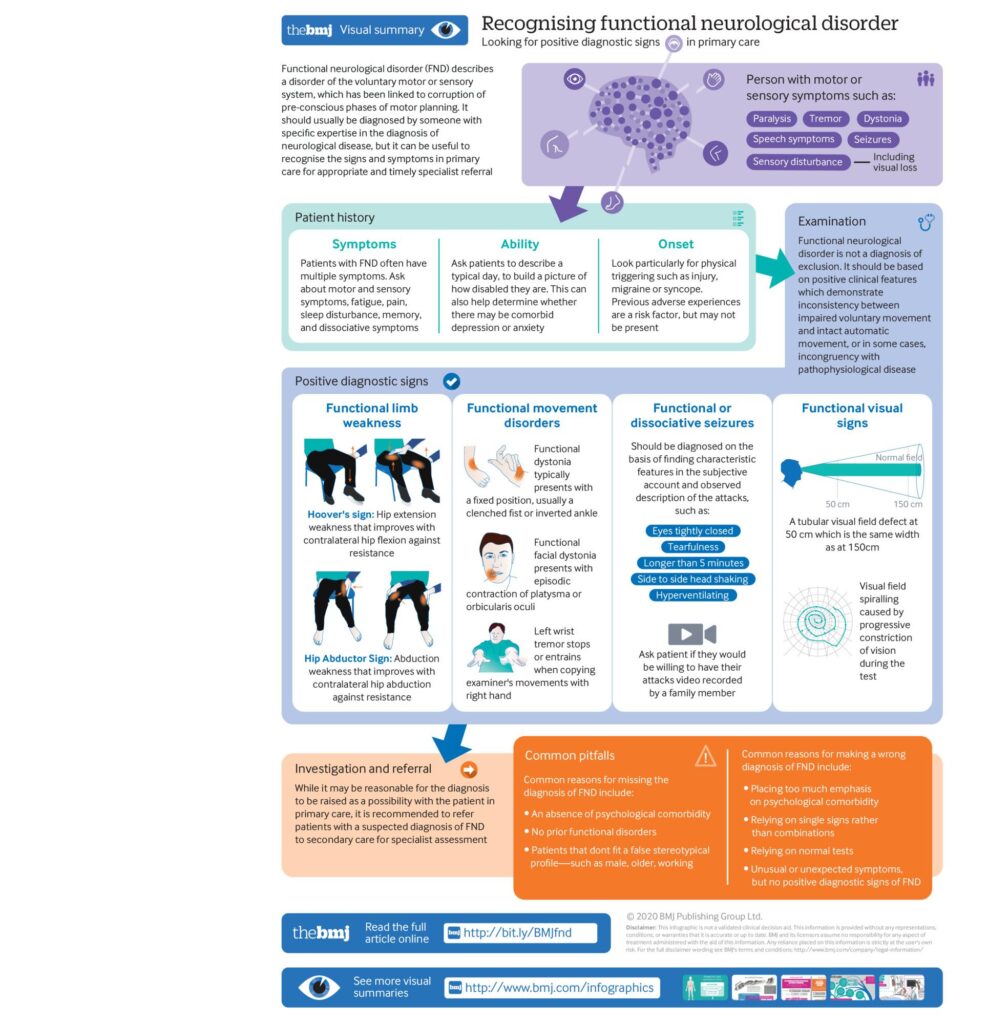
The symptoms of FND can vary widely from person to person, making diagnosis challenging. Some individuals may experience functional weakness, resulting in difficulty moving certain body parts or even complete paralysis. Others may have seizures or abnormal movements, such as tremors or jerking motions. Sensory symptoms, such as altered sensation, numbness, or tingling, are also common in FND. Speech problems, vision changes, and problems with balance and coordination are among other possible symptoms.
Diagnosing Functional Neurological Disorder
Diagnosing FND requires a comprehensive evaluation by a healthcare professional with expertise in neurology or psychiatry. The process typically involves various assessments and tests to rule out other possible causes of the symptoms.
Medical History Evaluation
The initial step in diagnosing FND involves a thorough review of the individual’s medical history. The healthcare provider will inquire about any prior physical or emotional traumas, as well as the specific symptoms experienced. This information helps to establish a timeline and identify potential triggers for the FND symptoms.
Physical Examination
A detailed physical examination is crucial in assessing functional neurological symptoms. The healthcare provider will closely observe muscle strength, reflexes, and coordination. They may also conduct specific tests to provoke or reproduce the symptoms, providing further insights into the diagnosis.
Diagnostic Tests for FND
Diagnostic tests, such as magnetic resonance imaging (MRI) or electroencephalography (EEG), can be helpful in ruling out structural abnormalities or organic neurological conditions. However, in individuals with FND, these tests usually show normal results. This reinforces the notion that FND is a functional disorder rather than a structural one.
Treatment Options for Functional Neurological Disorder
While there is no cure for FND, there are several treatment approaches available to manage the symptoms and improve quality of life. Treatment is often multimodal, involving a combination of various strategies.
Multidisciplinary Approach
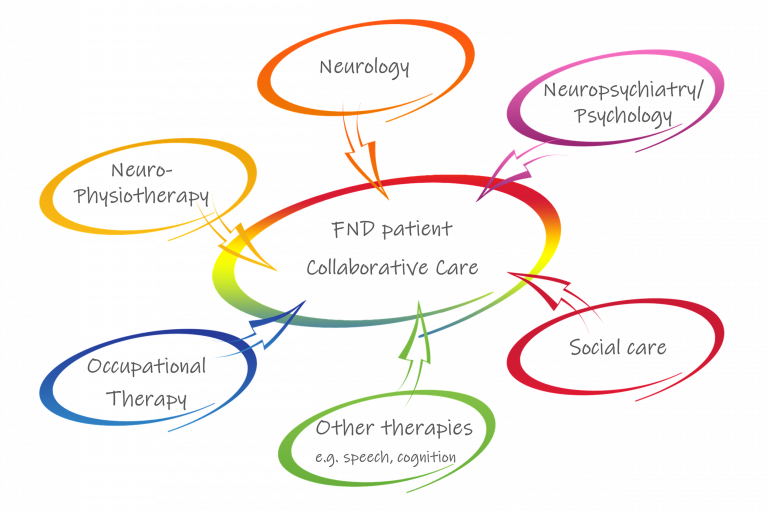
Managing FND effectively often requires a multidisciplinary team approach involving healthcare professionals from different specialties. This may include neurologists, psychiatrists, psychologists, physical therapists, occupational therapists, and social workers. Collaborative efforts ensure a holistic treatment plan tailored to individual needs.
Medications
Medications may be prescribed to help alleviate specific symptoms associated with FND. For instance, selective serotonin reuptake inhibitors (SSRIs) or antidepressants may be used to manage depression or anxiety symptoms. Anticonvulsants, such as gabapentin, may be prescribed to help control seizures or abnormal movements.
Psychotherapy
Psychotherapy, also known as talk therapy, is a crucial component of FND treatment. Different forms of psychotherapy can be beneficial, depending on the individual’s needs and preferences. Cognitive-behavioral therapy (CBT) helps individuals identify and modify negative thought patterns and behaviors, while psychodynamic therapy focuses on exploring the underlying emotional root causes of FND symptoms. Mindfulness-based therapies, such as mindfulness-based stress reduction (MBSR), can aid in reducing stress and increasing self-awareness.
Physical Therapy
Physical therapy plays a vital role in managing functional weakness, coordination issues, or mobility limitations associated with FND. Physical therapists use various techniques to improve muscle strength, balance, and flexibility. Gait training, sensorimotor retraining, mirror therapy, and task-specific training are some of the approaches employed to enhance motor function.
Occupational Therapy
Occupational therapy aims to help individuals with FND regain functionality and independence in daily activities. Occupational therapists work on improving fine motor skills, addressing cognitive impairments, and developing strategies to manage symptoms during activities of daily living. They may also provide recommendations for assistive devices or modifications to the home or workplace environment.
Coping Strategies for Managing FND
Living with FND can be challenging, but adopting certain coping strategies can significantly improve overall well-being. It is essential to remember that each person’s experience with FND is unique, and finding the approaches that work best for you is crucial.
Patient Education
Education plays a crucial role in understanding and managing FND. Learning about FND, its causes, symptoms, and available treatment options empowers individuals to actively participate in their care. It also helps reduce fear and anxiety associated with the condition.
Stress Management Techniques
Stress can exacerbate FND symptoms, so learning effective stress management techniques is essential. Engaging in activities such as meditation, deep breathing exercises, yoga, or gentle exercise can help reduce stress levels. Additionally, practicing mindfulness and maintaining a regular sleep schedule can promote overall well-being.
Establishing a Support System
Having a strong support system can make a significant difference in managing FND. Reach out to family, friends, or support groups to share experiences and emotions related to the condition. Connecting with others who understand and can provide empathy and encouragement creates a sense of belonging and reduces feelings of isolation.
Maintaining a Healthy Lifestyle
Adopting a healthy lifestyle can help manage FND symptoms effectively. Ensure you maintain a balanced diet, prioritize regular physical activity, and get enough sleep. Avoiding alcohol, nicotine, and caffeine can also contribute to overall well-being. Additionally, engaging in activities that bring joy and relaxation can improve mood and reduce stress.

The Role of Psychotherapy in FND Management
Psychotherapy plays a significant role in managing FND by addressing the emotional and psychological factors associated with the condition. Different types of psychotherapy can be beneficial in helping individuals cope with FND symptoms and improve overall mental well-being.
Cognitive Behavioral Therapy (CBT)
Cognitive-behavioral therapy (CBT) is a widely used psychotherapy approach for managing FND. CBT focuses on identifying and changing negative thought patterns and behaviors that contribute to distressing symptoms. It helps individuals develop coping strategies, challenge irrational beliefs, and reframe their perspective, leading to improved symptom management and better overall functioning.
Psychodynamic Therapy
Psychodynamic therapy aims to explore and understand the underlying emotional factors contributing to FND symptoms. By delving into past experiences, traumas, and unconscious conflicts, psychodynamic therapy helps individuals gain insight into their symptoms’ psychological origins. This increased self-awareness can lead to emotional healing, symptom reduction, and improved quality of life.
Mindfulness-Based Therapies
Mindfulness-based therapies, such as mindfulness-based stress reduction (MBSR) or mindfulness-based cognitive therapy (MBCT), can be beneficial for managing FND. These therapies teach individuals to purposefully focus their attention on the present moment, without judgment. By cultivating mindfulness, individuals can better cope with distressing symptoms, reduce anxiety and stress, and improve overall well-being.
Physical Therapy Approaches in FND Management
Physical therapy plays a critical role in the management of FND, helping individuals regain physical function and reduce symptom severity. Various physical therapy approaches are commonly employed to address the specific needs of individuals with FND.
Gait Training
Gait training is a specific physical therapy technique that focuses on improving walking patterns and balance. Individuals with FND may experience difficulties with gait, such as an unsteady or abnormal walk. Through gait training exercises, physical therapists can help retrain the body’s movements, promoting more fluid and sustainable walking patterns.
Sensorimotor Retraining
Sensorimotor retraining aims to improve the brain’s ability to process and integrate sensory information correctly. Physical therapists use specific exercises and techniques to enhance proprioception, balance, and coordination. By retraining the sensorimotor pathways, individuals with FND can experience improved body awareness and more controlled movements.
Mirror Therapy
Mirror therapy is a technique that uses visual stimulation to reduce pain and improve movement in FND. It involves the use of a mirror to reflect the unaffected limb to create an illusion that the affected limb is moving normally. This visual feedback can help rewire the brain’s perception of movement and reduce pain levels.
Task-Specific Training
Task-specific training focuses on relearning specific functional tasks that may have been affected by FND symptoms. Physical therapists guide individuals through exercises and activities that are tailored to their individual goals and needs. By gradually building up the skills required to perform these tasks, individuals can regain lost functionality and improve confidence in their abilities.
Supportive Care for Patients with FND
Supportive care plays a crucial role in helping individuals with FND manage their symptoms and navigate the challenges they may face on their journey to recovery. Support can come in various forms and can significantly contribute to the overall well-being of individuals living with FND.
Psychoeducation for Patients and Families
Psychoeducation involves providing individuals and their families with information about FND, its symptoms, and available treatment options. Understanding the disorder and its underlying mechanisms can help individuals and their loved ones make informed decisions about their care and ultimately reduce distress and frustration.
Support Groups
Participating in support groups can provide individuals with FND a safe space to share their experiences, validate emotions, and gain insights from others facing similar challenges. Support groups, whether in-person or online, foster a sense of community and belonging and provide opportunities for individuals to learn coping strategies from those who have firsthand experience.
Individual Counseling
Individual counseling, also known as therapy or psychotherapy, offers one-on-one support to individuals with FND. A trained therapist can provide a confidential and empathetic environment for individuals to explore their emotions, work through trauma, and develop strategies to manage FND symptoms effectively. Individual counseling allows for personalized attention and can address specific concerns unique to each person.
Occupational Support
For individuals with FND, returning to work or maintaining employment can be challenging. Occupational support involves working with professionals who can assess workplace environments, provide accommodations or modifications, and advocate for the individual’s needs. Occupational support aims to help individuals with FND maintain employment or explore alternative career options that suit their capabilities.
Medications for FND Management
Medications may be prescribed to help manage specific symptoms associated with FND. It is crucial to consult with a healthcare provider before starting or adjusting medication regimens to ensure safe and effective management of symptoms.
Selective Serotonin Reuptake Inhibitors (SSRIs)
Selective serotonin reuptake inhibitors (SSRIs), commonly used for the treatment of depression and anxiety, may also benefit individuals with FND. SSRIs work by increasing the levels of serotonin in the brain, which can help regulate mood and reduce symptoms of anxiety and depression often associated with FND.
Antidepressants
Antidepressant medications belonging to other classes, such as tricyclic antidepressants or serotonin-norepinephrine reuptake inhibitors (SNRIs), may also be prescribed to manage FND symptoms. These medications can help alleviate depression and anxiety symptoms, improve sleep quality, and provide relief from chronic pain.
Anti-anxiety Medications
Anti-anxiety medications, such as benzodiazepines, may be prescribed for individuals with FND experiencing high levels of anxiety or panic attacks. These medications can help reduce feelings of anxiety and promote a sense of calmness but should be used under close medical supervision due to their potential for dependency and side effects.
Anticonvulsants
Anticonvulsant medications, commonly used to manage seizures, may also be prescribed for individuals with FND experiencing seizure-like movements. Medications such as gabapentin or pregabalin can help control abnormal movements and reduce their frequency or intensity.
The Role of Complementary and Alternative Therapies in FND
Complementary and alternative therapies can be used alongside traditional treatment approaches to support individuals with FND. While these therapies may not provide a cure, they may offer additional benefits and promote overall well-being.
Acupuncture
Acupuncture, a traditional Chinese medicine practice, involves inserting thin needles into specific points on the body. Some individuals with FND find acupuncture helpful in managing pain, reducing stress, and promoting relaxation. It is believed that acupuncture works by stimulating the body’s natural healing mechanisms and restoring balance.
Yoga and Meditation
Yoga combines physical postures, breathing exercises, and meditation to promote physical and mental well-being. Engaging in regular yoga practice can help reduce stress, improve flexibility and balance, and enhance body awareness. Meditation, whether practiced independently or as part of yoga, can help calm the mind, increase self-awareness, and reduce anxiety and depression.
Massage Therapy
Massage therapy involves the manipulation of soft tissues in the body to promote relaxation, relieve muscular tension, and reduce pain. Some individuals with FND find that regular massage therapy sessions help alleviate physical symptoms, such as muscle stiffness or pain, and provide a sense of overall relaxation and well-being.
Herbal Supplements
While the use of herbal supplements for managing FND is not extensively studied, some individuals may find certain supplements beneficial. It is important to consult with a healthcare provider before starting any herbal supplement to ensure their safety and to avoid any potential interactions with medications.
Promoting Self-Care and Patient Empowerment for FND
Engaging in self-care practices and empowering oneself are essential aspects of managing FND. These strategies can help individuals regain a sense of control over their lives and actively participate in their treatment journey.
Self-monitoring and Self-Management Strategies
Self-monitoring involves keeping track of symptoms, triggers, and patterns to identify factors that worsen or alleviate symptoms. By tracking their experiences, individuals can identify strategies or lifestyle modifications that contribute to symptom management and overall well-being. Self-management strategies involve implementing these identified techniques to actively manage symptoms when they arise.
Goal Setting
Setting realistic and achievable goals can aid in FND management. By identifying specific goals related to symptom reduction, improving functionality, or participating in activities that bring joy, individuals can focus their efforts and measure their progress. Breaking larger goals into smaller, manageable steps provides a sense of accomplishment and motivation along the way.
Advocacy for Proper Care
Advocating for proper care involves actively voicing concerns, asking questions, and seeking appropriate medical attention. It is important for individuals with FND to advocate for themselves, ask for referrals to specialists as needed, and ensure that their healthcare providers are knowledgeable about the condition. By advocating for proper care, individuals can receive the support and treatment they need to manage FND effectively.
Seeking Peer Support
Connecting with others who are dealing with similar challenges can provide validation, support, and practical advice. Peer support can be found through online forums, support groups, or social media communities focused on FND. Sharing experiences and gathering insights from others who have navigated similar journeys can foster a sense of community and empower individuals with FND.
In conclusion, functional neurological disorder (FND) is a complex condition that affects the functioning of the nervous system. It is characterized by a range of neurological symptoms that cannot be explained by structural or organic disease. Diagnosis involves a comprehensive evaluation of medical history, physical examination, and ruling out other possible causes through diagnostic tests. Treatment options for FND include a multidisciplinary approach, medications, psychotherapy, physical therapy, and occupational therapy. Coping strategies such as patient education, stress management techniques, establishing a support system, and maintaining a healthy lifestyle can aid in managing FND. Psychotherapy and physical therapy play significant roles in FND management, addressing emotional and physical factors, respectively. Supportive care, medications, and complementary therapies can also contribute to symptom management. Promoting self-care and patient empowerment through self-monitoring, goal setting, advocacy, and seeking peer support are essential in navigating life with FND. With a comprehensive and individualized approach to treatment and support, individuals with FND can effectively manage their symptoms and improve their quality of life.
