
You’re facing that familiar monthly surge, the one that seems to signal your period with a fresh crop of unwelcome guests on your skin. Hormonal acne, you know it well. It’s not just a fleeting zit; it’s a persistent, often deeply frustrating challenge. But here’s the good news: managing hormonal acne long-term is absolutely achievable. As your trusted Listicle Content Architect, I’ve distilled years of expertise into this comprehensive guide to help you understand, tackle, and ultimately conquer those frustrating flare-ups. Forget quick fixes that leave you hanging; we’re diving deep into sustainable strategies that will transform your skin and boost your confidence.
Before you can effectively manage hormonal acne, you need to understand its root cause. This isn’t about poor hygiene or eating greasy food, though those can exacerbate existing issues. Hormonal acne is intricately linked to fluctuations in your body’s natural hormone levels, primarily androgens like testosterone. These hormones can increase sebum (oil) production, clog pores, and create an environment where acne-causing bacteria thrive.
The Androgen Connection
- What are androgens? Androgens are a group of hormones, including testosterone, that are present in both men and women. They play crucial roles in sexual development and reproductive function.
- How do they cause acne? In individuals prone to hormonal acne, increased androgen levels can stimulate the sebaceous glands in your skin to produce more oil. This excess oil, combined with dead skin cells, can create a plug within the hair follicle.
- The perfect storm for acne: This oily plug becomes a breeding ground for Propionibacterium acnes (P. acnes), a bacterium naturally found on the skin. The bacteria feed on the sebum, and their waste products trigger an inflammatory response, leading to those red, swollen, and sometimes painful pimples characteristic of hormonal acne.
Who Experiences Hormonal Acne?
While anyone can experience acne, certain life stages and conditions are more strongly associated with hormonal acne. Understanding if you fall into these categories can help you anticipate and manage potential breakouts.
Puberty and Adolescence
- The initial hormonal surge: During puberty, your body experiences a significant surge in hormones, including androgens. This is the most common time for acne to first appear and is often referred to as adolescent acne. While some acne may clear up as hormones stabilize, for many, it can persist.
The Menstrual Cycle
- The monthly roller coaster: For many women, hormonal acne flares up predictably in the week or two leading up to their period. This is due to the natural hormonal shifts that occur during the menstrual cycle.
- Estrogen and progesterone’s role: As your period approaches, estrogen and progesterone levels drop. These hormones typically have a calming effect on oil production. When they decline, the relative influence of androgens increases, leading to elevated sebum production and the potential for breakouts.
- Recognizing the pattern: Pay attention to your skin. If you consistently notice breakouts around the same time each month, it’s a strong indicator of menstrual cycle-related hormonal acne.
Pregnancy and Postpartum
- A dynamic hormonal landscape: Pregnancy brings about dramatic hormonal shifts. While some pregnant individuals experience clearer skin due to elevated estrogen, others can suffer from severe breakouts.
- Postpartum challenges: After childbirth, hormone levels fluctuate wildly again as your body adjusts. This is another common period for hormonal acne to worsen or emerge.
Polycystic Ovary Syndrome (PCOS)
- A common culprit: Polycystic Ovary Syndrome (PCOS) is a hormonal disorder that affects millions of women worldwide. A hallmark symptom of PCOS is an excess of androgens, which can lead to a variety of issues, including irregular periods, weight gain, and, you guessed it, persistent hormonal acne.
- Key diagnostic features: If you experience irregular periods, signs of excess androgens (like hirsutism – unwanted hair growth – or male-pattern hair loss), and ovarian cysts, it’s worth discussing with your doctor if PCOS could be contributing to your acne.
Menopause
- The hormonal flip: As women enter perimenopause and menopause, estrogen levels decline, while testosterone levels may remain relatively stable or even increase. This imbalance can lead to an increase in androgenic effects, including hormonal acne, which can be a new concern for some women in their 40s and 50s.
2. Lifestyle Adjustments: Your First Line of Defense
While medical interventions are often necessary for stubborn hormonal acne, you’d be surprised at how much you can influence your skin’s health through strategic lifestyle choices. These are the foundational elements for long-term acne management, working in synergy with other treatments.
Nurturing Your Gut Health
The gut-skin axis is a fascinating and increasingly recognized connection in dermatology. What happens in your gut is not isolated; it can significantly impact your skin’s appearance and health.
The Gut-Skin Connection Explained
- Microbiome balance: Your gut is teeming with trillions of bacteria, collectively known as the gut microbiome. When this microbiome is balanced, with a healthy ratio of beneficial to potentially harmful bacteria, it contributes to reduced inflammation throughout your body, including your skin.
- Leaky gut and inflammation: An imbalanced gut microbiome can lead to increased intestinal permeability, often referred to as “leaky gut.” This allows toxins and inflammatory compounds to enter the bloodstream, which can trigger or worsen acne.
- Key players: Certain beneficial bacteria, like Lactobacillus and Bifidobacterium, are thought to play a role in regulating inflammation and supporting a healthy skin barrier.
Boosting Your Gut with Diet
- Embrace fermented foods: Incorporate foods rich in probiotics, such as yogurt (unsweetened, with live and active cultures), kefir, sauerkraut, kimchi, and kombucha. These introduce beneficial bacteria directly into your gut.
- Fiber is your friend: Aim for a diet rich in fiber from fruits, vegetables, whole grains, and legumes. Fiber acts as a prebiotic, feeding the beneficial bacteria in your gut.
- Limit processed foods and sugar: These can feed harmful bacteria and contribute to inflammation. Reduce your intake of sugary drinks, refined carbohydrates, and processed snacks.
- Hydration is key: Water is essential for healthy digestion and overall bodily function. Ensure you’re drinking enough water throughout the day.
Stress Management: The Unexpected Culprit
You’ve likely noticed how stress can manifest on your skin. This isn’t a coincidence; it’s a direct result of the physiological changes that occur when you’re under pressure.
The Stress-Hormone Cascade
- Cortisol’s role: When you’re stressed, your body releases cortisol, the primary stress hormone. Chronically elevated cortisol levels can disrupt your hormonal balance, potentially leading to increased androgen production.
- Inflammation amplifier: Cortisol also promotes inflammation throughout the body, which, as we know, is a major driver of acne.
- The vicious cycle: Feeling stressed about your acne can, in turn, lead to more stress and more breakouts, creating a frustrating cycle.
Practical Stress-Busting Techniques
- Mindfulness and meditation: Even just a few minutes a day of focused breathing or guided meditation can significantly reduce stress levels. There are countless apps and online resources to guide you.
- Regular exercise: Physical activity is a powerful stress reliever. Aim for at least 30 minutes of moderate-intensity exercise most days of the week. This could be brisk walking, jogging, yoga, or dancing.
- Adequate sleep: Prioritize 7-9 hours of quality sleep per night. Sleep deprivation exacerbates stress and negatively impacts hormone regulation. Establish a consistent sleep schedule and create a relaxing bedtime routine.
- Prioritize hobbies and relaxation: Make time for activities you genuinely enjoy. This could be reading, listening to music, spending time in nature, or engaging in creative pursuits.
- Seek support: Don’t hesitate to talk to friends, family, or a therapist about what’s bothering you. Sharing your worries can lighten the load.
Sleep Hygiene: Your Skin’s Best Friend While You Snooze
It’s during sleep that your body does its most important restorative work, including skin repair and regeneration. Poor sleep quality can throw your entire system, including your hormones, out of whack.
The Importance of Quality Sleep
- Hormone regulation reset: During deep sleep, your body regulates a number of hormones, including cortisol and growth hormone. Disruptions to this process can upset the delicate hormonal balance that influences acne.
- Cellular repair and regeneration: While you sleep, your skin cells are busy repairing damage and producing new cells. This process is crucial for maintaining a healthy skin barrier and clearing out debris that can clog pores.
- Inflammation reduction: Adequate sleep helps to lower systemic inflammation, which is a key factor in the development and severity of acne.
Establishing Healthy Sleep Habits
- Consistent schedule: Go to bed and wake up around the same time every day, even on weekends. This helps regulate your body’s natural sleep-wake cycle (circadian rhythm).
- Create a relaxing environment: Make your bedroom dark, quiet, and cool. Invest in comfortable bedding and blackout curtains if needed.
- Limit screen time before bed: The blue light emitted from electronic devices can interfere with melatonin production, making it harder to fall asleep. Aim to put away screens at least an hour before bedtime.
- Avoid caffeine and alcohol close to bedtime: These substances can disrupt sleep patterns.
- Wind-down routine: Develop a relaxing pre-sleep ritual. This could include a warm bath, reading a book, gentle stretching, or listening to calming music.
3. Topical Treatments: Targeted Action for Your Skin
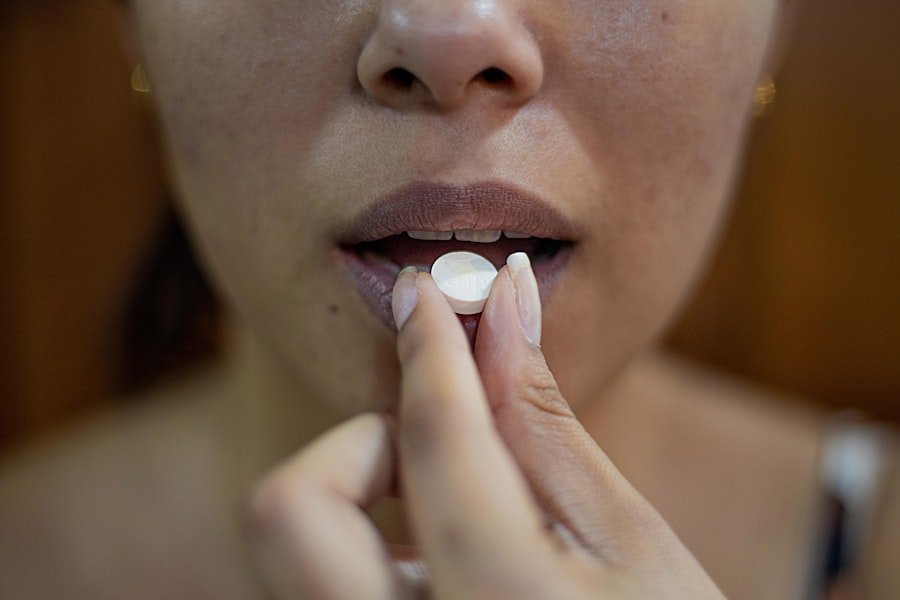
Once you’ve laid the groundwork with lifestyle changes, you can amplify your results with targeted topical treatments designed to address the specific concerns of hormonal acne. This approach involves understanding different active ingredients and how they work to combat clogged pores, inflammation, and bacteria.
Understanding Key Active Ingredients
The vast array of acne products can be overwhelming. Here, we’ll break down the most effective ingredients for hormonal acne and how they can benefit you.
Salicylic Acid (BHA)
- The pore-penetrator: Salicylic acid is a beta-hydroxy acid (BHA) that is oil-soluble. This means it can penetrate deep into your pores, where it exfoliates dead skin cells and dissolves excess sebum.
- Anti-inflammatory properties: Beyond exfoliation, salicylic acid also possesses anti-inflammatory properties, which can help reduce the redness and swelling associated with breakouts.
- Who it’s good for: Excellent for blackheads, whiteheads, and mild inflammatory acne. It’s generally well-tolerated, but can be drying for some.
- How to use: Look for cleansers, toners, or spot treatments containing 0.5% to 2% salicylic acid. Start with a lower concentration a few times a week and gradually increase usage as your skin tolerates it.
Benzoyl Peroxide
- The bacteria killer: Benzoyl peroxide is a potent antimicrobial agent that effectively kills P. acnes bacteria. It also has mild exfoliating properties.
- Proven efficacy: It’s a cornerstone ingredient in many over-the-counter and prescription acne treatments due to its proven effectiveness.
- Potential side effects: Benzoyl peroxide can be drying, irritating, and may cause bleaching of fabrics (towels, pillowcases, clothing).
- Who it’s good for: Effective for inflammatory acne, especially when other treatments haven’t yielded desired results.
- How to use: Available in various concentrations (2.5% to 10%). Start with a lower concentration (e.g., 2.5% or 5%) and apply as a spot treatment or as a wash. Apply to clean, dry skin.
Retinoids (Topical)
- The skin renovator: Topical retinoids, such as adapalene (Differin, now available over-the-counter) and prescription tretinoin, are vitamin A derivatives. They are incredibly effective at regulating cell turnover, preventing pores from becoming clogged.
- Beyond acne: Retinoids also have anti-aging benefits and can improve skin texture and tone over time.
- The “purging” phase: It’s important to be aware of the “purging” phase, where acne may temporarily worsen as the retinoid brings underlying congestion to the surface. This typically lasts 4-6 weeks.
- Who it’s good for: Highly effective for all types of acne, particularly for preventing new breakouts and treating post-inflammatory hyperpigmentation.
- How to use: Start with a pea-sized amount and apply to the entire face (avoiding the eye area) on clean, dry skin a few nights a week. Gradually increase frequency as tolerated. Always use sunscreen during the day when using retinoids, as they make your skin more photosensitive.
Combining and Cycling Treatments for Maximum Impact
Simply slathering on multiple products won’t necessarily yield better results. Strategic combining and cycling of treatments can prevent resistance and irritation.
Cocktailing for Success
- Salicylic acid and benzoyl peroxide: These can be used together, but it’s often best to use them at different times of the day to minimize irritation. For example, a salicylic acid cleanser in the morning and a benzoyl peroxide spot treatment in the evening.
- Retinoids and other actives: Retinoids are best used on their own in your nighttime routine due to their potency. You can use salicylic acid or benzoyl peroxide in the morning or as a spot treatment on non-retinoid nights.
- Listen to your skin: If you experience excessive dryness or redness, scale back on product usage or reduce the frequency.
The Art of Cycling Treatments
- Preventing bacterial resistance: For ingredients like benzoyl peroxide, cycling can help prevent bacteria from developing resistance. For example, use it for a few weeks, then switch to another acne-fighting ingredient for a period.
- Managing retinoid sensitivity: If your skin is sensitive to retinoids, you might cycle them with other treatments on alternate nights.
- Consult a dermatologist: A dermatologist can help you develop a personalized cycling regimen that’s most effective for your specific acne concerns.
4. Medical Interventions: When Topical Solutions Aren’t Enough
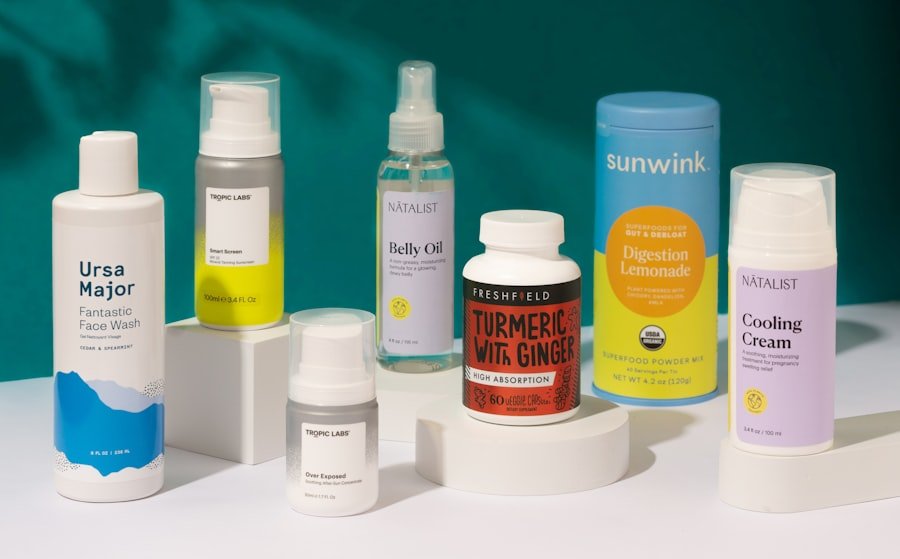
For many individuals with persistent or severe hormonal acne, topical treatments alone won’t provide lasting relief. This is where medical interventions prescribed by a dermatologist become crucial. These treatments address the underlying hormonal imbalances or target acne more aggressively.
Topical Prescription Medications
Your dermatologist can prescribe stronger versions of topical treatments or introduce new ones to your regimen.
Prescription Retinoids
- Higher potency: Prescription-strength retinoids like tretinoin and tazarotene are more potent than over-the-counter options and can be highly effective for persistent acne.
- Tailored treatment plans: Your dermatologist will guide you on the correct application, frequency, and manage potential side effects.
Topical Antibiotics
- Targeting bacteria: Topical antibiotics like clindamycin and erythromycin help to kill acne-causing bacteria and reduce inflammation.
- Often combined: They are frequently prescribed in combination with benzoyl peroxide to prevent antibiotic resistance and enhance effectiveness.
Azelaic Acid
- Versatile benefits: Azelaic acid has antibacterial, anti-inflammatory, and mild exfoliating properties. It can also help to reduce redness and the appearance of post-inflammatory hyperpigmentation.
- Good for sensitive skin: It’s often a good option for individuals with sensitive skin who may not tolerate harsher treatments.
Dapsone
- Anti-inflammatory powerhouse: Dapsone is a topical medication with potent anti-inflammatory properties. It’s particularly effective for inflammatory acne and adult female acne.
- May be a good alternative: It’s a good option if you’re unable to tolerate retinoids or benzoyl peroxide due to irritation.
Oral Medications for Hormonal Acne
When acne is widespread, deep, or scarring, oral medications can provide systemic relief by targeting the hormonal drivers from within.
Oral Contraceptives (The Pill)
- Regulating hormones: For many women, oral contraceptives are a highly effective treatment for hormonal acne. Certain types of birth control pills contain a combination of estrogen and progestin that can help suppress androgen production.
- FDA-approved options: The FDA has approved specific birth control pills for the treatment of acne.
- Important considerations: It’s crucial to discuss your medical history and any potential risks with your doctor, as not all birth control pills are suitable for everyone. The effects on acne can take several months to become apparent, and acne may return if you stop taking the pill.
Spironolactone
- Anti-androgen action: Spironolactone is a medication primarily used to treat high blood pressure, but it also has anti-androgen properties. It works by blocking the effects of androgens in your body, thereby reducing sebum production.
- Effective for adult female acne: It’s a popular and effective treatment for persistent hormonal acne in adult women.
- Potential side effects: As with any medication, spironolactone can have side effects. These can include increased urination, dizziness, and changes in menstrual cycles. Your doctor will monitor you closely.
Isotretinoin (Accutane)
- The ultimate acne weapon: Isotretinoin, formerly known as Accutane, is a powerful oral retinoid. It’s reserved for severe, recalcitrant acne that hasn’t responded to other treatments because it is highly effective at shrinking oil glands, reducing inflammation, and preventing clogged pores.
- Significant side effects and precautions: Isotretinoin has a low therapeutic index and can cause significant side effects, including severe dryness of the skin and mucous membranes, muscle aches, and, in rare cases, depression and birth defects.
- Strict monitoring required: Patients taking isotretinoin are subject to strict monitoring programs, including regular blood tests and pregnancy prevention protocols for women of childbearing potential.
5. Long-Term Management and Prevention: Staying Ahead of the Curve
“`html
| Metrics | Results |
|---|---|
| Skincare Routine | Consistent use of gentle cleansers and non-comedogenic products |
| Diet | Low-glycemic index foods and adequate hydration |
| Stress Management | Regular exercise and stress-reducing activities |
| Medication | Regular use of prescribed topical or oral medications |
| Follow-up | Regular visits to dermatologist for monitoring and adjustments |
“`
Managing hormonal acne long-term isn’t just about treating active breakouts; it’s about creating sustainable habits and staying vigilant to prevent future flare-ups. This is where consistency and a proactive approach truly pay off.
Maintaining Consistency with Your Routine
- The power of habit: Once you’ve established an effective skincare routine and lifestyle adjustments, the key is to stick with them. Hormonal acne is often a chronic condition, and consistent effort is more impactful than sporadic bursts of activity.
- Don’t get complacent: Even when your skin is clear, continue with your maintenance routine. This will help prevent underlying hormonal imbalances from manifesting as new breakouts.
- Regular check-ins: Schedule regular appointments with your dermatologist, even if your skin is clear. They can help you adjust your treatment plan as needed and address any emerging concerns.
Understanding and Adapting to Life Stage Changes
As you navigate different life stages, your hormonal landscape will continue to shift. Being aware of these changes allows you to adapt your management strategies.
Adjusting for Menstrual Cycles
- Pre-emptive measures: In the week leading up to your period, you might want to be extra diligent with your acne-fighting treatments, perhaps using a salicylic acid spot treatment more regularly or opting for a benzoyl peroxide wash.
- Post-period care: After your period, your skin may feel calmer. You can then ease back on more intensive treatments if your skin is feeling sensitive.
Pregnancy and Postpartum Considerations
- Safe skincare during pregnancy: Discuss all topical and oral medications with your obstetrician or dermatologist during pregnancy. Many common acne treatments are not safe during this time.
- Postpartum recovery: Hormonal acne can be a significant concern postpartum. Be patient with your skin and consult your doctor about safe treatment options while breastfeeding, if applicable.
Menopausal Skin
- Shifting strategies: As estrogen declines, you might find that topical treatments become more important. Your dermatologist can advise on appropriate retinoids or other topical therapies that are suitable for mature, potentially drier skin.
- Hydration is paramount: Maintaining skin hydration becomes even more critical during menopause to support the skin barrier and combat dryness.
The Importance of Sun Protection
This is a non-negotiable step for everyone, but it’s especially critical when you’re using acne treatments like retinoids or antibiotics, which can make your skin more sensitive to the sun.
Why Sunscreen is Your Best Friend
- Preventing hyperpigmentation: Sun exposure can worsen post-inflammatory hyperpigmentation (PIH), those dark marks left behind after acne has healed. Regular sunscreen use helps prevent these marks from forming or darkening.
- Protecting against treatment side effects: Many acne medications increase your skin’s sensitivity to UV radiation, making you more prone to sunburn and further skin damage.
- Overall skin health: Consistent sunscreen use is the most effective anti-aging strategy and helps maintain the overall health and resilience of your skin.
Choosing and Using Sunscreen Effectively
- Broad-spectrum SPF 30 or higher: Always opt for a broad-spectrum sunscreen that protects against both UVA and UVB rays. An SPF of 30 or higher is recommended.
- Non-comedogenic formulas: Look for sunscreens labeled “non-comedogenic” or “oil-free,” as these are less likely to clog pores.
- Apply generously and often: Apply sunscreen generously to all exposed skin 15-20 minutes before going outdoors. Reapply every two hours, or more often if you’re sweating or swimming.
- Don’t forget other areas: Remember to apply sunscreen to your neck, chest, and hands, as these areas can also show signs of sun damage and hyperpigmentation.
Seeking Professional Guidance: Your Dermatologist is Your Ally
You are not alone in this journey, and a qualified dermatologist is your most valuable resource.
When to See a Dermatologist
- Persistent acne: If over-the-counter treatments haven’t worked after several weeks or months of consistent use.
- Severe or cystic acne: Deep, painful cysts are often best managed with prescription treatments to prevent scarring.
- Scarring or post-inflammatory hyperpigmentation: A dermatologist can recommend treatments to address these concerns.
- Suspected underlying conditions: If you suspect your acne might be related to PCOS or another hormonal imbalance.
Building a Collaborative Relationship
- Open communication: Be honest and open with your dermatologist about your symptoms, concerns, and any lifestyle changes you’ve made.
- Follow-up care: Attend all scheduled follow-up appointments. This allows your dermatologist to monitor your progress, adjust your treatment plan, and address any new issues.
- Ask questions: Don’t hesitate to ask for clarification on anything you don’t understand about your diagnosis or treatment.
Managing hormonal acne long-term is a marathon, not a sprint. By understanding its causes, embracing a holistic approach that combines lifestyle adjustments with targeted treatments, and working closely with your dermatologist, you can achieve clearer, healthier skin and regain your confidence. You’ve got this.
FAQs
What is hormonal acne?
Hormonal acne is acne that is primarily caused by fluctuations in hormone levels, particularly androgens such as testosterone. It often appears on the lower part of the face, jawline, and neck.
How can hormonal acne be managed long-term?
Managing hormonal acne long-term involves a combination of lifestyle changes, skincare routines, and possibly medication. This may include using non-comedogenic skincare products, maintaining a healthy diet, managing stress levels, and using prescription medications such as birth control pills or spironolactone.
What are some lifestyle changes that can help manage hormonal acne?
Lifestyle changes that can help manage hormonal acne include maintaining a balanced diet, getting regular exercise, managing stress levels, getting enough sleep, and avoiding excessive consumption of dairy and high-glycemic foods.
What skincare routines are recommended for managing hormonal acne long-term?
Skincare routines for managing hormonal acne long-term may include using gentle, non-comedogenic cleansers, exfoliating regularly, using topical treatments containing ingredients like salicylic acid or benzoyl peroxide, and moisturizing with non-comedogenic products.
When should someone seek professional help for managing hormonal acne?
If over-the-counter treatments and lifestyle changes are not effectively managing hormonal acne, or if the acne is causing emotional distress or scarring, it is recommended to seek professional help from a dermatologist. They can provide personalized treatment plans, including prescription medications or procedures like chemical peels or laser therapy.