
Imagine navigating through the challenging world of anal abscesses without feeling overwhelmed or alone. In this article, we will explore effective strategies for managing the pain and discomfort caused by this condition. Whether you are personally experiencing an anal abscess or seeking knowledge to support a loved one, this comprehensive guide will equip you with the tools and insights needed to confidently tackle this medical challenge. From practical tips to soothing remedies, you will discover how to alleviate pain and discomfort, enabling you to regain control and find relief.
Understanding Anal Abscesses
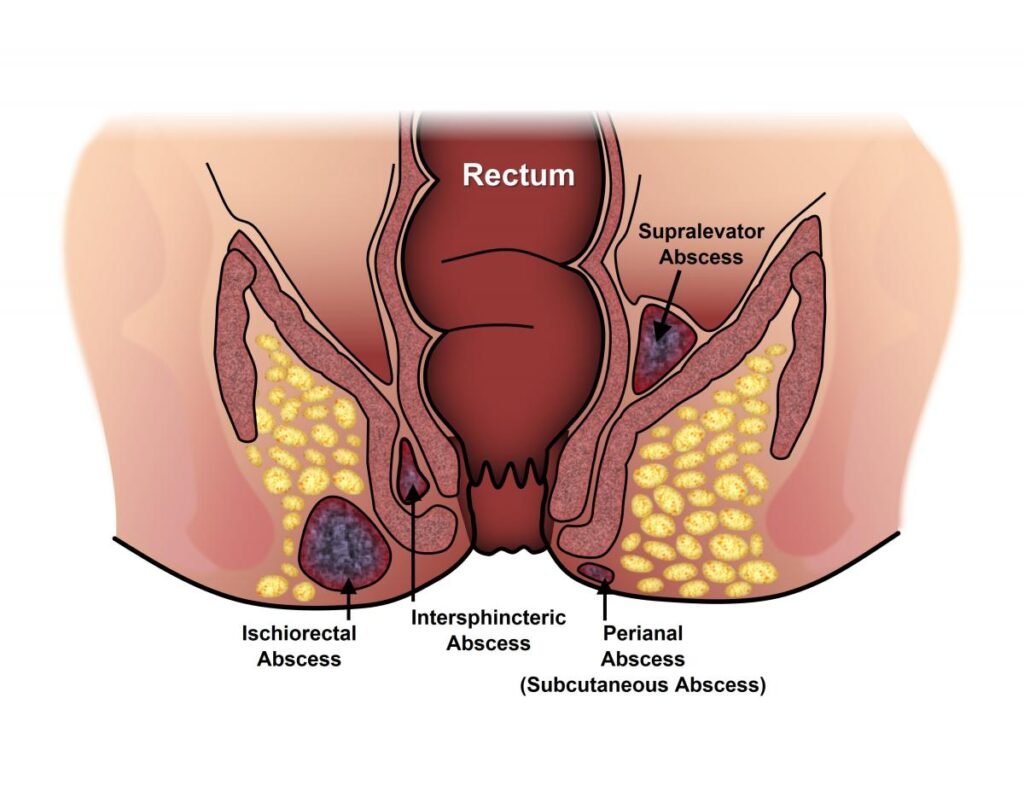
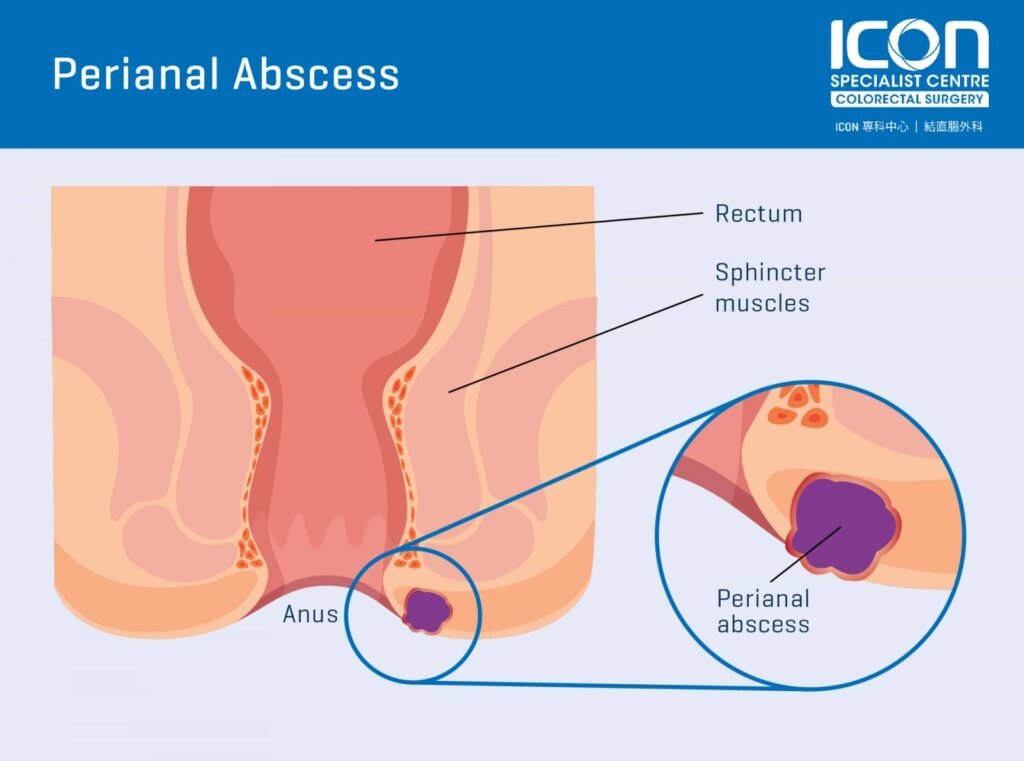
Anal abscesses are painful localized infections that form near the anus or rectum. They occur when bacteria enter the anal glands and cause an infection. These abscesses can develop in people of any age or gender, although they are more commonly seen in men. Understanding the causes, symptoms, and diagnosis of anal abscesses is key to managing and treating this condition effectively.
What Causes Anal Abscesses?
Anal abscesses are primarily caused by bacterial infections. Harmful bacteria, such as Escherichia coli (E. coli) or Staphylococcus aureus (staph), can enter the anal glands through small tears or breaks in the skin. These bacteria multiply rapidly, leading to an infection and the formation of an abscess. Certain factors can contribute to the development of anal abscesses, including Crohn’s disease, anal fistulas, and sexually transmitted infections.
Symptoms of Anal Abscesses
Recognizing the symptoms of anal abscesses is crucial for prompt identification and treatment. Common symptoms include localized pain around the anus or rectum, swelling, redness, and tenderness. The infected area may also feel warm to the touch and may be accompanied by fever, chills, and general discomfort. In some cases, pus may drain from the abscess, indicating an advanced stage.
Diagnosing Anal Abscesses
To diagnose an anal abscess, a healthcare professional will conduct a physical examination of the affected area and review the patient’s medical history. In some cases, they may order additional tests, such as blood tests or imaging studies like ultrasound or MRI. These tests can help determine the size, location, and severity of the abscess, allowing for appropriate treatment planning.
Medical Treatment Options
Several medical treatment options are available for anal abscesses, depending on the severity and location of the infection. A healthcare professional will assess the individual case and recommend the most suitable treatment approach.
Antibiotics
In mild cases where the abscess is small and has not yet formed a noticeable bulge, antibiotics may be prescribed. Antibiotics help control the infection and prevent it from spreading further. It is essential to complete the full course of antibiotics as prescribed, even if symptoms improve, to prevent potential complications.
Incision and Drainage
For larger or more advanced abscesses, a procedure called incision and drainage (I&D) may be necessary. During this procedure, a healthcare professional will make a small incision in the abscess, allowing accumulated pus to drain out. This helps relieve pain and pressure, promoting the healing process. After the drainage, the wound is typically left open to heal naturally or packed with gauze to facilitate proper healing.
Surgery
In certain cases, surgical intervention may be required to treat anal abscesses. Surgery is often recommended for complex or recurring abscesses, as well as for individuals with underlying conditions such as Crohn’s disease. The specific surgical approach may vary, but it typically involves removing the abscess and surrounding infected tissue. This procedure helps prevent further infections and minimize the risk of complications.
Home Remedies for Pain Relief
While medical treatment is necessary for effectively managing anal abscesses, there are several home remedies that can provide relief from pain and discomfort.
Warm Water Sitz Baths
Taking warm water sitz baths is a popular home remedy for anal abscesses. This involves sitting in a tub filled with warm water for approximately 15-20 minutes. The warm water helps soothe the affected area, reduce inflammation, and promote healing. Adding Epsom salts to the bathwater can further enhance the benefits.
Over-the-Counter Pain Medication
Over-the-counter pain medication, such as acetaminophen or non-steroidal anti-inflammatory drugs (NSAIDs), can help alleviate pain associated with anal abscesses. However, it is important to consult with a healthcare professional before taking any medication to ensure it is safe and appropriate for individual circumstances.
Topical Treatments
Applying topical treatments, such as over-the-counter creams or ointments, can provide temporary relief from pain and itching. Certain creams contain ingredients like hydrocortisone or lidocaine, which can help reduce discomfort and inflammation. However, it is important to consult with a healthcare professional before using any topical treatment to ensure it is suitable for the condition.
Lifestyle and Hygiene Tips
Adopting certain lifestyle practices and maintaining proper hygiene can play a significant role in managing anal abscesses and preventing their recurrence.
Maintaining Cleanliness
Keeping the affected area clean is crucial for preventing infection and promoting healing. Gently wash the area with mild, fragrance-free soap and warm water after bowel movements. Avoid using harsh chemicals or perfumed products, as they can irritate the skin and exacerbate symptoms.
Applying Warm Compresses
Applying warm compresses to the abscess area can help reduce pain, inflammation, and promote drainage. Soak a clean cloth in warm water and gently press it against the affected area for approximately 10-15 minutes. Repeat this process several times a day for relief.
Avoiding Foods That Aggravate Anal Abscesses
Certain foods can aggravate anal abscesses and worsen symptoms. It is advisable to avoid spicy foods, caffeine, alcohol, and foods high in processed sugars. Instead, focus on incorporating a balanced diet rich in fruits, vegetables, and high-fiber foods to aid digestion and prevent constipation.
Preventive Measures
Taking preventive measures can help reduce the risk of developing anal abscesses and lower the chances of recurrence.
Maintaining Good Hygiene Practices
Practicing good hygiene is essential to prevent infections. Keep the anal area clean and dry, and consider using unscented, hypoallergenic wipes after bowel movements. Wearing loose-fitting, breathable underwear made of natural fibers like cotton can also help maintain proper hygiene.
Avoiding Constipation
Straining during bowel movements can contribute to the development of anal abscesses. To avoid constipation, maintain a healthy diet rich in fiber, drink an adequate amount of water daily, and get regular exercise. If necessary, speak to a healthcare professional about using a stool softener or fiber supplement to promote regular bowel movements.
Regular Exercise
Engaging in regular exercise can help improve overall health and prevent constipation. Physical activity promotes proper digestion, reduces the risk of constipation, and supports a healthy immune system. Aim for at least 30 minutes of moderate exercise, such as brisk walking or cycling, on most days of the week.
Seeking Emotional Support
Dealing with the physical and emotional challenges of anal abscesses can be overwhelming. Seeking emotional support can make a significant difference in managing this condition.
Joining Support Groups
Joining support groups or online communities can provide a sense of belonging and a safe space to share experiences and concerns. Interacting with individuals who have gone through similar experiences can offer valuable emotional support, practical advice, and coping strategies.
Engaging in Relaxation Techniques
Engaging in relaxation techniques, such as deep breathing exercises, meditation, or yoga, can help manage stress and promote overall well-being. These practices can reduce anxiety, alleviate pain perception, and enhance the body’s natural healing process.
Consulting with a Mental Health Professional
If the emotional distress associated with anal abscesses becomes overwhelming, it may be beneficial to seek professional help. Consulting with a mental health professional, such as a therapist or counselor, can provide guidance, support, and strategies to manage anxiety, depression, or any other psychological challenges that may arise.
Discomfort Management Strategies
Managing discomfort is an important aspect of dealing with anal abscesses. Implementing proper analgesic techniques and utilizing pain management tools can help alleviate pain and improve overall quality of life.
Using Proper Analgesic Techniques
When experiencing pain, it is essential to utilize proper analgesic techniques to help manage discomfort effectively. Avoid prolonged sitting or standing, as they can exacerbate pain. Instead, try lying down or finding a comfortable position that provides relief.
Using Pain Management Tools
Various pain management tools, such as hot or cold packs, can help alleviate pain and reduce swelling. Applying a cold pack wrapped in a cloth or a warm compress to the affected area can provide temporary relief and promote healing.
Supportive Cushions and Pillows
Using supportive cushions or pillows when sitting can help reduce pressure on the abscess area and provide added comfort. A cushion with a hole in the center, known as a donut cushion, can relieve pressure, allowing the abscess to heal without additional irritation.
Dietary Considerations
Making specific dietary considerations can significantly impact the management and prevention of anal abscesses.
Including High Fiber Foods
Consuming a diet rich in high-fiber foods can help prevent constipation and maintain regular bowel movements. Incorporate fruits, vegetables, whole grains, and legumes into your meals to promote healthy digestion and reduce the risk of developing anal abscesses.
Staying Hydrated
Keeping the body hydrated is essential for overall health and digestive function. Aim to drink an adequate amount of water each day and limit the consumption of dehydrating beverages like caffeine or alcohol. Staying hydrated helps soften stools, making them easier to pass and reducing the strain on the anal area.
Avoiding Trigger Foods
Identifying and avoiding trigger foods that aggravate anal abscesses is crucial for managing symptoms. Spicy foods, alcohol, caffeine, and processed sugars are known to worsen inflammation and discomfort. Pay attention to your body’s reactions and make necessary adjustments to your diet to minimize triggers.
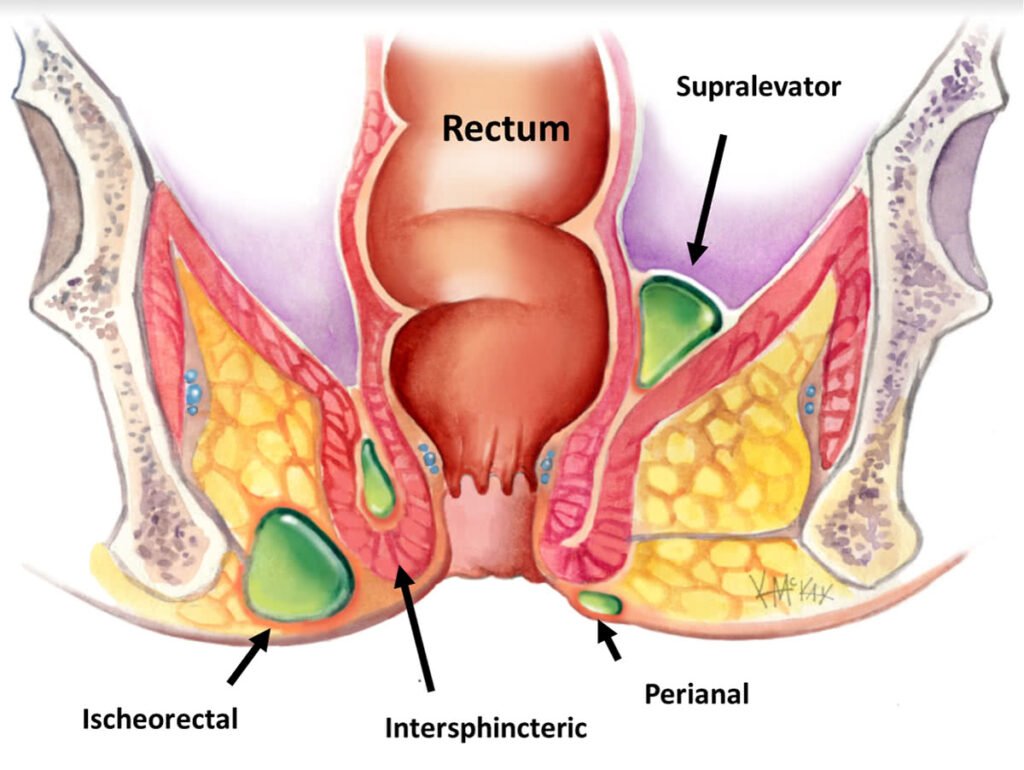
Possible Complications and When to Seek Medical Attention
Understanding the possible complications that can arise with anal abscesses and knowing when to seek medical attention is essential for ongoing management and treatment.
Abscess Recurrence
Even with proper treatment and preventive measures, anal abscesses can recur. If you have previously had an anal abscess and experience similar symptoms again, it is important to seek medical attention promptly. Early intervention can help prevent complications and ensure appropriate treatment.
Fistula Formation
If an anal abscess is not treated promptly or adequately, it can lead to the development of an anal fistula. A fistula is an abnormal tunnel that forms between the anus or rectum and the skin surrounding it. If you notice persistent or recurrent drainage from the abscess site or experience persistent pain, consult with a healthcare professional promptly.
Signs of Infection or Worsening Symptoms
If you notice signs of infection, such as increased redness, swelling, or discharge with a foul smell, it is crucial to seek immediate medical attention. Additionally, if your symptoms worsen or if you develop new symptoms, such as high fever, severe pain, or difficulty passing bowel movements, contact a healthcare professional without delay.
Long-Term Management and Follow-Up Care
Long-term management and follow-up care are essential to monitor the healing process, prevent recurrences, and address any emerging concerns.
Regular Doctor Visits
Maintaining regular visits with a healthcare professional is crucial for ongoing management of anal abscesses. They can assess the healing progress, evaluate any symptoms, and make adjustments to the treatment plan if necessary. Regular check-ups also provide an opportunity to discuss any concerns or ask questions.
Monitoring Symptoms
Being aware of your body and monitoring your symptoms is key to managing anal abscesses effectively. Pay attention to any changes in pain, swelling, or discharge. If you notice any persistent or concerning symptoms, promptly consult with a healthcare professional for appropriate evaluation and guidance.
Follow-Up Imaging or Tests
In some cases, follow-up imaging or tests may be necessary to assess the healing progress or investigate any potential complications. This may involve additional ultrasounds, MRI scans, or other diagnostic tests. Follow the healthcare professional’s recommendations regarding any necessary follow-up procedures to ensure comprehensive care.
By understanding anal abscesses, their causes, symptoms, and available treatments, individuals can take proactive steps in managing this condition effectively. Implementing lifestyle and hygiene tips, seeking emotional support, and following long-term management strategies can contribute to improved quality of life and minimize the risk of complications. Remember, always consult with a healthcare professional for personalized advice and guidance tailored to your specific needs.