
Maintaining proper hygiene is essential for preventing uncomfortable and potentially serious health issues like anal abscesses. These painful infections can occur when bacteria enter the anal glands, leading to the formation of pus-filled pockets. To steer clear of this unpleasant experience, it’s important to adopt good hygiene practices, such as thorough cleansing after bowel movements, using mild and scent-free soaps, and avoiding excessive wiping or scrubbing. By following these simple tips, you can reduce the risk of developing anal abscesses and ensure a healthier and more comfortable lifestyle.
Preventing Anal Abscesses: Tips for Good Hygiene
Anal abscesses can be a painful and uncomfortable condition that can greatly impact your daily life. But with proper hygiene practices, you can reduce the risk of developing anal abscesses and promote overall anal health. In this article, we will discuss various tips and strategies to prevent anal abscesses and maintain good hygiene.

Understanding Anal Abscesses
An anal abscess refers to a painful pocket of pus that forms near the anus. It typically occurs as a result of an infection in the anal glands, which are responsible for lubricating the anus during bowel movements. When these glands become blocked, bacteria can grow, leading to an abscess. Anal abscesses can be caused by a variety of factors such as anal fissures, sexually transmitted infections, and Crohn’s disease.
Causes of Anal Abscesses
There are several possible causes of anal abscesses. Anal fissures, which are small tears in the lining of the anus, can lead to abscesses if they become infected. Other potential causes include sexually transmitted infections, such as chlamydia or gonorrhea, and inflammatory bowel diseases like Crohn’s disease. It’s important to understand the underlying cause of your anal abscess to effectively prevent future occurrences.
Symptoms of Anal Abscesses
Recognizing the symptoms of an anal abscess is crucial for early detection and prompt treatment. Common symptoms include pain, swelling, redness, and tenderness in the anal area. You may also experience fever, chills, and a general feeling of being unwell. If you notice any of these symptoms, it is important to seek medical attention to prevent complications.
Possible Complications
If left untreated, anal abscesses can lead to serious complications. One of the most common complications is the formation of an anal fistula, which is an abnormal tunnel that connects the abscess to the skin around the anus. This can cause persistent drainage and recurrent infections. In severe cases, the infection can spread to other parts of the body, leading to a systemic infection. To avoid these complications, it is important to practice good hygiene and seek medical treatment if needed.
Maintaining Cleanliness
Maintaining good hygiene is essential for preventing anal abscesses. Regular cleansing of the anal area can help remove bacteria and prevent infection. Make sure to clean the area gently with warm water and a mild soap that is suitable for sensitive skin. Avoid harsh soaps or cleansers that can irritate the delicate skin in the anal area.
Proper Wiping Technique
When wiping after a bowel movement, it is crucial to use the proper technique to prevent the spread of bacteria. Use soft toilet paper and wipe from front to back to avoid introducing fecal bacteria to the anal area. This helps prevent infection and reduces the risk of developing an anal abscess.
Taking Baths or Showers
Taking regular baths or showers can contribute to good anal hygiene. Warm water helps cleanse the anal area and remove any bacteria or debris. If possible, consider using a handheld showerhead or a bidet to ensure thorough cleaning. Remember to use mild soap and avoid scrubbing too vigorously, as this can cause irritation.
Using Mild Soap
When washing the anal area, opt for mild soaps that are gentle on the skin. Harsh soaps or cleansers can strip away the natural oils and disrupt the delicate balance of the skin, leading to irritation and potential infections. Look for fragrance-free and hypoallergenic soaps specifically formulated for sensitive skin.
Drying Thoroughly
After cleansing, it is important to dry the anal area thoroughly. Excess moisture can create a damp environment that promotes the growth of bacteria. Gently pat the area dry with a clean towel or use a hairdryer on a low setting. Avoid rubbing or irritating the skin, as this can lead to further discomfort and potential infection.
Avoiding Irritants
To prevent anal abscesses, it is essential to avoid irritants that can aggravate the skin and increase the risk of infection.
Avoiding Harsh Soaps or Cleansers
As mentioned earlier, harsh soaps or cleansers can strip away the skin’s natural protective barrier and cause irritation. Opt for mild, fragrance-free cleansers that are specifically designed for sensitive skin.
Using Fragrance-Free Products
Fragrances and dyes commonly found in personal care products can irritate the sensitive skin in the anal area. Choose fragrance-free products to minimize the risk of irritation and allergic reactions.
Washing Fabrics
Cleanliness extends beyond the anal area itself. It is important to wash any fabrics that come into contact with the anus, such as underwear and towels, regularly. Use hypoallergenic and fragrance-free laundry detergent to prevent skin irritation.
Avoiding Tight Clothing
Tight clothing can create friction and trap moisture, leading to irritation and increased risk of infection. Opt for loose-fitting clothing that allows for air circulation and minimizes friction in the anal area.
Choosing Breathable Underwear
Breathable underwear made from cotton or other natural fibers allows for proper air circulation and helps keep the anal area dry. Avoid synthetic materials that can trap moisture and promote bacterial growth.
Promoting Healing
If you do develop an anal abscess, there are steps you can take to promote healing and prevent complications.

Sitz Baths
Sitz baths, which involve sitting in warm water, can help alleviate discomfort and promote the healing of anal abscesses. Fill a bathtub or basin with warm water and sit in it for 10-15 minutes, several times a day. This can help reduce inflammation and encourage drainage.
Applying Warm Compresses
Applying warm compresses to the affected area can help alleviate pain and promote healing. Soak a clean cloth in warm water, wring out the excess moisture, and gently apply it to the anal abscess for 10-15 minutes, several times a day.
Using Over-the-Counter Pain Relievers
Over-the-counter pain relievers, such as ibuprofen or acetaminophen, can help manage pain and reduce inflammation associated with anal abscesses. Follow the instructions on the packaging and consult with a healthcare professional if you have any underlying health conditions or concerns.
Avoiding Scratching or Picking
To prevent infection and further irritation, it is important to resist the urge to scratch or pick at the abscess. Breaking the skin can introduce additional bacteria and potentially worsen the condition. If you experience itching, talk to your healthcare provider about appropriate treatments.
Maintaining Good Circulation
Good circulation is crucial for the healing process. Avoid sitting or standing for prolonged periods, as this can restrict blood flow to the affected area. Take regular breaks and engage in gentle exercises that promote circulation, such as walking or stretching.
Choosing Proper Clothing
The choice of clothing plays a significant role in preventing anal abscesses and promoting overall anal health.
Loose-Fitting Clothing
Opt for loose-fitting clothing that allows for proper air circulation and minimizes friction in the anal area. Avoid tight jeans, leggings, or pants that can create unnecessary pressure and irritation.
Cotton Fabrics
Cotton fabrics are breathable and gentle on the skin. Choose underwear, pants, and skirts made from 100% cotton to promote air circulation and prevent moisture buildup.

Avoiding Synthetic Materials
Synthetic materials, such as nylon or polyester, can trap moisture and increase the risk of infections. Avoid underwear or clothing made from synthetic fabrics that can exacerbate the symptoms of anal abscesses.
Choosing Breathable Fabrics
Breathable fabrics, such as linen or bamboo, allow for proper air circulation and prevent moisture buildup. Consider incorporating these fabrics into your wardrobe to promote overall anal health.
Avoiding Tight Belts
Tight belts can create unnecessary pressure and restrict blood flow to the anal area. Opt for looser belts or suspenders that do not constrict the waistline.
Turning our attention to toiletries, selecting appropriate products is essential for maintaining good anal hygiene and preventing infections.
Sensitive Skin Cleansers
Choose gentle cleansers specifically formulated for sensitive skin. These cleansers are less likely to cause irritation and can help maintain the natural pH balance of the skin in the anal area.
Non-Irritating Wipes
If you prefer using wipes for personal hygiene, opt for non-irritating, fragrance-free wipes. Avoid wipes that contain alcohol or harsh chemicals, as they can dry out the skin and exacerbate irritation.
Choosing Unscented Products
Fragrances can irritate the delicate skin in the anal area. Select unscented products to minimize the risk of irritation and allergic reactions.
Avoiding Alcohol-based Wipes
Alcohol-based wipes can strip away the natural oils and disrupt the skin’s protective barrier. Opt for alcohol-free wipes or use gentle cleansers and water instead.
Using Moisturizers or Barrier Creams
If you experience dryness or irritation, consider using moisturizers or barrier creams specifically designed for the anal area. These products can help soothe the skin and create a protective barrier against bacteria and irritants.
Practicing safe sex is essential for preventing sexually transmitted infections (STIs) that can contribute to the development of anal abscesses.

Using Protection
Consistently using barrier methods, such as condoms or dental dams, can significantly reduce the risk of STIs that can lead to anal abscesses. It is important to use protection during any type of sexual activity to protect yourself and your partner.
Communication with Partners
Open and honest communication with your sexual partners is crucial for preventing and managing STIs. Discuss your sexual health history, get tested regularly, and encourage your partners to do the same.
Maintaining Good Sexual Hygiene
Good sexual hygiene practices, such as regular washing of the genital area before and after sexual activity, can help reduce the risk of infections. This includes washing the anal area thoroughly to remove any bacteria or debris.
Avoiding Rough or Aggressive Activities
Rough or aggressive sexual activities can cause trauma to the anal area, increasing the risk of developing anal fissures or abscesses. Ensure that sexual activities are consensual, comfortable, and mindful of the delicate nature of the anal region.
Regular STI Testing
Regular STI testing is essential for early detection and treatment of infections. Schedule regular check-ups with your healthcare provider to stay on top of your sexual health.
Managing diet and exercise is crucial for overall well-being and can contribute to the prevention of anal abscesses.
Eating a High-Fiber Diet
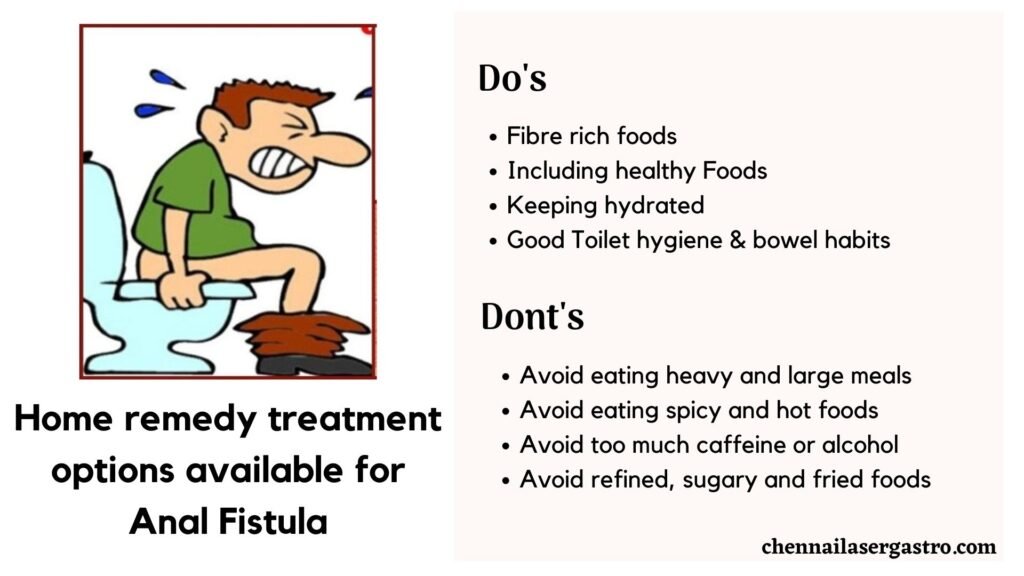
A high-fiber diet can promote regular bowel movements and prevent constipation, which can increase the risk of anal abscesses. Incorporate fiber-rich foods such as whole grains, fruits, vegetables, and legumes into your diet.
Staying Hydrated
Proper hydration is essential for maintaining regular bowel movements and preventing constipation. Drink an adequate amount of water throughout the day to support overall digestive health.
Regular Exercise
Engaging in regular exercise can help regulate bowel movements and promote overall physical health. Simple activities such as walking or yoga can be beneficial for maintaining proper digestion and preventing constipation.
Avoiding Excessive Straining
Excessive straining during bowel movements can increase the risk of developing anal fissures, which can lead to abscesses. Take your time during bowel movements and avoid straining excessively.
Managing Weight
Maintaining a healthy weight is important for preventing a variety of health conditions, including those that can contribute to anal abscesses. Follow a balanced diet, engage in regular physical activity, and consult with a healthcare professional if you need guidance on managing your weight.
Seeking medical treatment is crucial for proper diagnosis and management of anal abscesses.
Follow-Up Visits
If you develop an anal abscess or suspect that you may have one, it is important to follow up with your healthcare provider. They will be able to provide an accurate diagnosis and recommend an appropriate treatment plan.
Maintaining Good Hygiene Practices
Even after treatment, it is essential to continue practicing good hygiene to prevent recurrent anal abscesses. Follow the hygiene tips outlined in this article and maintain regular cleansing and washing routines.
Assessing Underlying Health Conditions
If you experience recurrent anal abscesses, it may be necessary to assess for underlying health conditions that may contribute to their development. Conditions such as inflammatory bowel disease or sexually transmitted infections may require further evaluation and treatment.
Addressing Chronic Conditions
If you have chronic conditions, such as Crohn’s disease, that are associated with an increased risk of anal abscesses, it is important to work closely with your healthcare provider to manage these conditions effectively. Proper treatment and management of these conditions can reduce the risk of recurrent abscesses.
Lifestyle Modifications
Making certain lifestyle modifications can help prevent anal abscesses and promote overall anal health. This includes incorporating the hygiene tips mentioned in this article, maintaining good sexual health practices, and taking steps to manage your diet and exercise. By adopting a proactive approach to your anal health, you can reduce the risk of developing anal abscesses and enjoy a comfortable and healthy life.
In conclusion, preventing anal abscesses is primarily about maintaining good hygiene practices and making healthy lifestyle choices. By understanding the causes, symptoms, and complications of anal abscesses, and following the tips outlined in this article, you can significantly reduce the risk of developing this painful condition. Remember to consult with a healthcare professional for a proper diagnosis and treatment plan if you experience any symptoms or concerns related to anal abscesses. Stay proactive, practice good hygiene, and prioritize your anal health to enjoy a comfortable and worry-free life.