
Having a child diagnosed with a brain tumor is undoubtedly a devastating experience for any parent. Throughout the journey of managing side effects associated with this condition, it’s crucial to remain informed and proactive. From understanding the different types of brain tumors affecting children to exploring effective treatment options and recognizing potential side effects, this article aims to provide valuable insights that can assist parents in navigating through the challenges of managing the side effects of a brain tumor in their child.
Understanding Brain Tumors in Children
Brain tumors in children are abnormal growths that occur in the brain or spinal cord. These tumors can vary in size, location, and type, which can affect the symptoms and treatment options available. It is important to gain a comprehensive understanding of brain tumors in children to better support them throughout their treatment journey.
Types of Brain Tumors in Children
There are several types of brain tumors that can affect children. Some common types include astrocytomas, medulloblastomas, ependymomas, and gliomas. Each type of tumor originates from different cells in the brain, and they may behave differently and require specific treatment approaches. Understanding the different types of brain tumors can help guide treatment decisions and provide valuable insights into the prognosis.
Causes and Risk Factors
The exact cause of brain tumors in children is still unknown. However, certain risk factors have been identified. These include genetic conditions such as neurofibromatosis, exposure to ionizing radiation, and certain hereditary syndromes. It is important to remember that most children with risk factors do not develop brain tumors. More research is needed to understand the underlying causes of brain tumors in children fully.
Symptoms and Diagnosis
The symptoms of a brain tumor in a child can vary depending on its size, location, and rate of growth. Common symptoms include headaches, seizures, balance and coordination difficulties, changes in vision, and behavioral changes. To diagnose a brain tumor, doctors may perform a physical examination, neurological tests, imaging tests such as MRI or CT scans, and sometimes a biopsy. Early diagnosis is crucial for timely treatment and improved outcomes.
Treatment Options for Brain Tumors in Children
Effective treatment options exist for children with brain tumors. The treatment plan will depend on several factors, including the type, size, and location of the tumor, as well as the child’s overall health. The primary treatment options include surgery, radiation therapy, chemotherapy, targeted therapy, immunotherapy, stem cell transplantation, and supportive care.
Surgery
Surgical removal of the tumor is often the first step in the treatment of brain tumors. The goal is to remove as much of the tumor as possible while minimizing damage to healthy brain tissue. In some cases, complete removal may not be possible due to the tumor’s location or involvement with critical brain structures.
Radiation Therapy
Radiation therapy uses high-energy X-rays or proton beams to kill cancer cells and shrink tumors. It is often used after surgery to target any remaining cancer cells that could not be completely removed. Radiation therapy can also be used as the primary treatment modality for inoperable or recurrent tumors. However, potential long-term side effects of radiation therapy, particularly in young children, need to be carefully considered.
Chemotherapy
Chemotherapy involves the use of drugs to kill cancer cells throughout the body. This treatment approach is often used to reach tumor cells that have spread beyond the primary site or to treat tumors that cannot be surgically removed. Chemotherapy may be administered orally, intravenously, or directly into the cerebrospinal fluid.
Targeted Therapy
Targeted therapy utilizes drugs or other substances that specifically target cancer cells or specific molecular alterations within the tumor. These therapies aim to disrupt the tumor’s growth signals while sparing healthy cells. Targeted therapies can be used alone or in combination with other treatment modalities.
Immunotherapy
Immunotherapy stimulates the body’s immune system to recognize and attack cancer cells. This treatment approach has shown promising results in some cases of brain tumors in children. Immunotherapy can be administered through various methods, including intravenous infusions or vaccines.
Stem Cell Transplantation
Stem cell transplantation is a procedure where healthy stem cells are infused into the patient’s bloodstream to replace damaged or destroyed cells. It is primarily used after high-dose chemotherapy or radiation therapy to restore healthy blood cell production.
Supportive Care
Supportive care is an essential component of brain tumor treatment for children. It focuses on managing symptoms, enhancing quality of life, and providing emotional and psychological support to both the child and their family. Supportive care measures may include pain management, nutritional support, physical therapy, and psychosocial interventions.

Common Side Effects of Brain Tumor Treatment
While treating brain tumors in children, there are several common side effects that can occur. Being aware of these side effects and having strategies to manage them can significantly improve the child’s overall well-being during and after treatment.
Fatigue
Fatigue is one of the most common side effects of brain tumor treatment. It can significantly impact a child’s energy levels, motivation, and ability to engage in daily activities. To manage fatigue, it is important to prioritize rest and sleep, conserve energy by pacing activities, engage in appropriate levels of physical activity, maintain proper nutrition and hydration, and provide emotional support.
Nausea and Vomiting
Nausea and vomiting are common side effects, particularly during chemotherapy. Antiemetic medications can help manage these symptoms. Additionally, dietary changes, such as eating smaller, frequent meals, avoiding strong odors or spicy foods, and keeping well-hydrated, can provide relief. Non-pharmacological approaches like acupuncture or acupressure may also be considered.
Hair Loss
Hair loss, also known as alopecia, is often a side effect of chemotherapy. While it can be distressing for the child, there are ways to manage it. Some hospitals offer scalp cooling, a technique that reduces blood flow to the scalp and helps preserve hair. Wigs, head coverings, and scarves can also be used to provide emotional support and help the child feel more comfortable.
Changes in Appetite and Weight
Brain tumor treatments can cause changes in appetite and weight in children. Working with a registered dietitian or nutritionist can help develop a suitable meal plan that meets the child’s nutritional needs. Calorie and protein intake may need to be monitored, and the use of nutritional supplements may be necessary. Encouraging physical activity and providing psychological support can also contribute to managing appetite and weight changes.
Cognitive and Learning Difficulties
Brain tumors and their treatments can affect a child’s cognitive abilities, such as memory, attention, and concentration. Educational support, such as individualized learning plans and accommodations, can help minimize the impact on education. Cognitive rehabilitation programs, memory strategies, and assistive technology can provide significant assistance. Accessing psychological support can also help children and their families cope with the challenges.
Emotional and Behavioral Changes
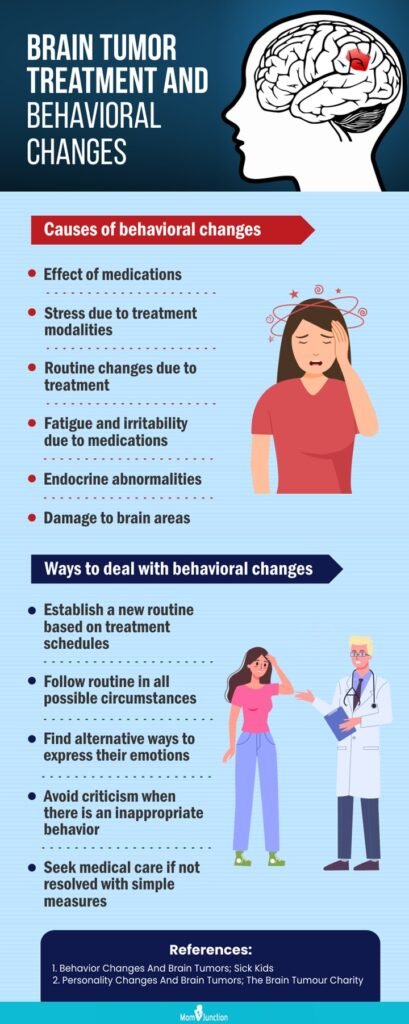
Children undergoing brain tumor treatment may experience emotional and behavioral changes due to various factors, including treatment-related side effects, stress, and adjustment difficulties. Counseling and therapy, support groups, and medications when appropriate can help address these changes. Relaxation techniques, such as deep breathing exercises or mindfulness activities, can also provide emotional support.
Neurological Effects
Brain tumors can lead to neurological effects, which can manifest as difficulties in motor skills, coordination, or sensory function. Physical therapy and occupational therapy can aid in improving these skills and enhancing the child’s overall quality of life. Depending on the specific neurological effects, medications or other interventions may also be considered.
Physical Effects
The physical effects of brain tumor treatment can vary depending on the treatment modalities and individual factors. Physical therapy, exercise programs, and pain management strategies can help minimize the impact on physical function. It is essential to engage in open communication with the healthcare team to address and manage any physical effects effectively.
Hormonal Effects
Certain types of brain tumors and their treatments can disrupt hormone production and regulation. This can lead to various hormonal effects and imbalances. Regular monitoring of hormone levels, hormonal replacement therapies, and lifestyle modifications can help manage these effects and support the child’s growth and development.
Long-Term Effects
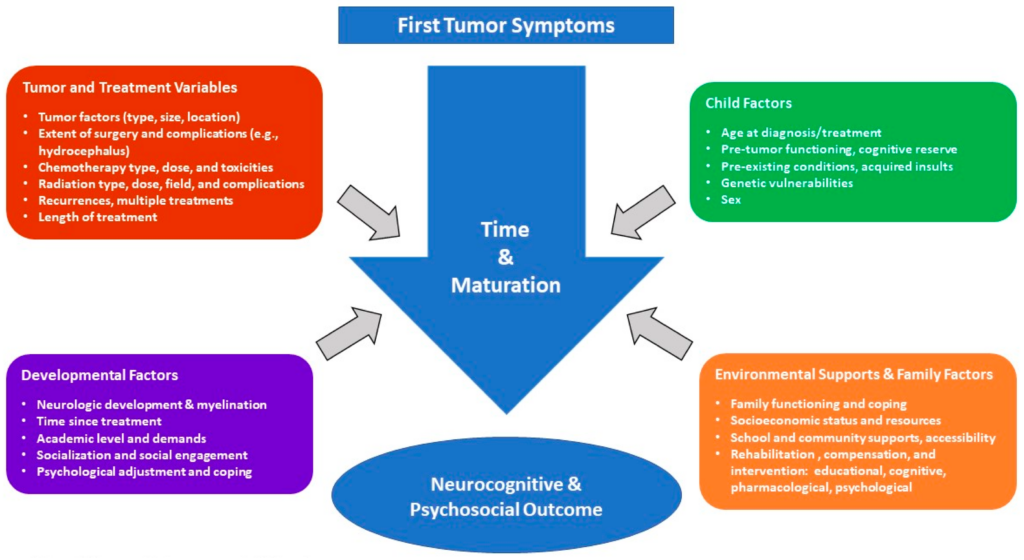
Even after successful treatment, children who have had brain tumors may face long-term effects. These effects can include neurocognitive deficits, endocrine abnormalities, and an increased risk of developing secondary cancers. Regular follow-up care, including monitoring for late effects, health promotion, lifestyle changes, and transitioning to adult care, can play a crucial role in managing long-term effects.
Managing Fatigue
Fatigue is a common side effect of brain tumor treatment that can significantly impact a child’s daily life. Here are some strategies to help manage fatigue:
Rest and Sleep
Encourage the child to prioritize rest and get adequate sleep. Establish a consistent sleep routine and create a calming environment conducive to quality rest.
Conserving Energy
Teach the child to pace their activities and avoid overexertion. Encourage them to take frequent breaks and prioritize essential tasks.
Activity and Exercise
Engage the child in appropriate levels of physical activity, as approved by their healthcare team. Exercise can aid in boosting energy levels and reducing fatigue, but it is crucial to strike the right balance.
Nutrition and Hydration
Ensure the child maintains a well-balanced diet with sufficient hydration. Adequate nutrition and hydration support the body’s energy levels and overall well-being.
Emotional Support
Provide emotional support throughout the child’s fatigue management journey. Encouragement, understanding, and empathy can go a long way in helping them cope with their fatigue.
Managing Nausea and Vomiting
Nausea and vomiting are common side effects of brain tumor treatment. To manage these symptoms effectively, consider the following strategies:
Antiemetic Medications
Work closely with the child’s healthcare team to determine the appropriate antiemetic medications. These medications can help control or prevent nausea and vomiting, providing significant relief.
Dietary Changes
Encourage the child to eat smaller, frequent meals. Avoiding strong odors or spicy foods and ensuring well-hydration can also help manage nausea and vomiting.
Acupuncture and Acupressure
Consider complementary therapies, such as acupuncture or acupressure, as they have shown potential in reducing nausea and vomiting.
Psychological Techniques
Teach the child relaxation techniques, such as deep breathing exercises or guided imagery, to help manage nausea and vomiting. These techniques can provide a sense of control and relief.
Managing Hair Loss
Hair loss can be emotionally challenging for children undergoing brain tumor treatment. Consider the following strategies to help manage the impact of hair loss:
Scalp Cooling
Explore the option of scalp cooling, where a specialized cap is worn during chemotherapy to reduce blood flow to the scalp. This technique has shown some success in preserving hair.
Wigs and Head Coverings
Provide the child with wigs, head coverings, or scarves to wear, if desired. These can help boost confidence and provide emotional support.
Emotional Support
Offer emotional support to the child as they navigate the changes caused by hair loss. Reassure them that their appearance does not define their worth, and help foster a positive body image.
Managing Changes in Appetite and Weight
Brain tumor treatment can cause changes in a child’s appetite and weight. Consider the following strategies to help manage these changes:
Dietary Counseling
Work with a registered dietitian or nutritionist to develop a suitable meal plan for the child. Tailoring their diet to meet their nutritional needs can help maintain weight and manage appetite.
Calorie and Protein Intake
Monitor the child’s calorie and protein intake to ensure they are receiving adequate nutrition. Supplementing with high-calorie, high-protein foods or nutritional supplements may be necessary.
Nutritional Supplements
Consider using nutritional supplements recommended by healthcare professionals to maintain the child’s nutrition when dietary intake is insufficient.
Physical Activity
Encourage appropriate levels of physical activity, as approved by the healthcare team. Regular exercise can help regulate appetite and support healthy weight management.
Psychological Support
Provide psychological support to the child and their family as they adapt to changes in appetite and weight. A supportive and understanding environment can positively impact their overall well-being.
Managing Cognitive and Learning Difficulties
Brain tumors and their treatments can affect a child’s cognitive abilities, presenting challenges in learning and memory. Consider the following strategies to help manage cognitive and learning difficulties:
Educational Support
Work with the child’s school to implement individualized learning plans and accommodations. Ensuring appropriate support and resources can help minimize the impact on education.
Cognitive Rehabilitation
Consider enrolling the child in cognitive rehabilitation programs. These programs focus on improving cognitive functions through targeted interventions and exercises.
Memory Strategies
Teach the child memory strategies, such as using calendars, reminders, or note-taking, to compensate for challenges in memory and attention.
Assistive Technology
Explore the use of assistive technology, such as voice-to-text software or educational apps, to support learning and compensate for cognitive difficulties.
Psychological Support
Ensure the child has access to psychological support services, such as counseling or therapy. Emotional support can help address any frustration or stress associated with cognitive and learning difficulties.
Managing Emotional and Behavioral Changes
Children undergoing brain tumor treatment may experience emotional and behavioral changes due to various factors. Consider the following strategies to help manage these changes:
Counseling and Therapy
Encourage the child to participate in counseling or therapy. Professional support can help them navigate complex emotions, anxiety, or adjustment difficulties.
Support Groups
Connect the child and their family with support groups or organizations that provide a sense of community and understanding among individuals facing similar challenges.
Medications
In some cases, medications may be required to manage significant emotional or behavioral changes. Consult with the child’s healthcare team to determine the most appropriate approach.
Relaxation Techniques
Teach the child relaxation techniques, such as deep breathing exercises, meditation, or progressive muscle relaxation. These techniques can help reduce stress and promote emotional well-being.
Mindful Activities
Engage the child in activities that promote mindfulness, such as yoga or art therapy. These activities can help them manage their emotions and find moments of peace and self-expression.
Managing Long-Term Effects
Even after successful treatment, children who have had brain tumors may face long-term effects. Consider the following strategies to manage these effects:
Regular Follow-Up Care
Ensure the child receives regular follow-up care to monitor for any late effects or potential recurrence. Regular check-ups and imaging scans can help detect and address any health concerns.
Screening for Late Effects
Implement recommended screening protocols for late effects, such as neurocognitive testing, endocrine assessments, and cardiovascular evaluations. Early detection and intervention can improve long-term outcomes.
Health Promotion and Lifestyle Changes
Encourage the child to adopt a healthy lifestyle, including regular physical activity, a balanced diet, and avoiding tobacco or excessive alcohol use. These lifestyle choices can support overall well-being and reduce the risk of certain health complications.
Transition to Adult Care
Help the child and their family navigate the transition to adult care as they age out of pediatric healthcare services. Ensure a smooth transition and continuity of care for their long-term health needs.
Psychological Support
Continue providing psychological support to the child and their family as they cope with any long-term effects. Emotional well-being remains a crucial aspect of their overall care.
In conclusion, understanding the different types of brain tumors, their causes, symptoms, and treatment options is vital when dealing with brain tumors in children. By being aware of the potential side effects and implementing appropriate strategies to manage them, healthcare providers, families, and caregivers can support children through their treatment journey and promote their overall well-being. With a comprehensive approach to care, the challenges associated with brain tumors in children can be effectively managed, improving their quality of life and optimizing their long-term outcomes.
