
Sometimes, the universe just decides to pile it on, doesn’t it? You’re juggling work deadlines, personal commitments, maybe even a global pandemic (who knows what tomorrow will bring!), and suddenly, your skin decides to stage a rebellion. Cue the familiar, unwelcome arrival of those red, angry bumps, right when you least need them. As your trusted Listicle Content Architect, I’ve seen it all, and stress-related acne is a particularly insidious foe. It’s a vicious cycle: stress causes breakouts, and breakouts cause more stress. But fear not! You’re not alone in this, and more importantly, you have the power to fight back. This isn’t about quick fixes or miracle cures; it’s about building a sustainable, smart approach to managing both your stress and your skin. We’re going to unpack this, piece by piece, and empower you with actionable strategies.
You’ve felt it, haven’t you? That tightness in your chest, the racing thoughts, the overwhelming urge to just curl up and disappear. When you’re stressed, your body goes into survival mode. This triggers the release of hormones like cortisol and adrenaline. While these are essential for managing acute threats, chronic stress keeps them elevated, leading to a cascade of physiological changes that directly impact your skin. Think of it as your body’s alarm system being stuck in the “on” position, and your skin is bearing the brunt of that constant signaling.
The Hormone Havoc: Cortisol’s Villainous Role
Cortisol, often dubbed the “stress hormone,” plays a central role. When your cortisol levels spike, it signals your sebaceous glands to ramp up oil production. Excess sebum is a prime ingredient for acne formation, as it can clog pores. Furthermore, chronic stress can lead to inflammation throughout your body. This inflammation can worsen existing acne and make new pimples more red, swollen, and painful. It’s like pouring fuel on the fire when your skin is already prone to irritation.
The Gut-Brain-Skin Axis: A Complex Network
Emerging research highlights the intricate connection between your gut, brain, and skin – the gut-brain-skin axis. Stress can negatively impact your gut microbiome, leading to imbalances. A disrupted gut can contribute to systemic inflammation, which, as mentioned, exacerbates acne. This means that addressing your internal environment is just as crucial as your external skincare routine. Your mood and your skin are more interconnected than you might think!
Inflammation: The Silent Culprit Behind Redness and Swelling
The inflammatory response triggered by stress is a key player in stress-related acne. Beyond just making existing blemishes look angry, chronic inflammation can also impair your skin’s barrier function. A compromised skin barrier is less able to defend itself against bacteria and environmental aggressors, creating a breeding ground for breakouts. Think of your skin barrier as a protective shield; when it’s weak, everything on the outside can get in and cause trouble.
2. Skincare Savvy: Gentle Yet Effective Strategies to Combat Breakouts
Once you understand why stress is wreaking havoc, you can tailor your skincare routine to support your skin. The key here is not to overcompensate with harsh treatments that can further irritate already stressed skin. Think of your skin as a delicate ecosystem that needs nurturing, not a battlefield to be aggressively conquered.
Cleansing with Care: Purify Without Stripping
Your daily cleanse is the foundation of your skincare. When you have stress-induced acne, it’s crucial to cleanse effectively without stripping your skin of its natural oils, which can paradoxically lead to more oil production.
Gentle Cleanser Selection:
Opt for a mild, sulfate-free cleanser. Look for ingredients like glycerin, hyaluronic acid, and ceramides, which help maintain hydration. Avoid harsh soaps, alcohol-based cleansers, and those with strong fragrances, as these can be highly irritating.
The Double Cleanse Method:
If you wear makeup or sunscreen, consider a double cleanse. Start with an oil-based cleanser or micellar water to break down impurities. Follow with your gentle water-based cleanser to ensure a thorough but gentle clean. This removes surface debris without over-drying.
Washing Technique:
Use lukewarm water, never hot. Gently massage the cleanser into your skin in circular motions. Avoid scrubbing vigorously, as this can worsen inflammation and damage your skin barrier. Pat your face dry with a clean, soft towel; don’t rub.
Targeted Treatments: Actives That Calms and Clears
While you should be cautious with potent ingredients when stressed, well-chosen actives can make a significant difference.
Salicylic Acid (BHA): The Pore-Penetrating Warrior
Salicylic acid is a beta-hydroxy acid (BHA) that’s oil-soluble, meaning it can penetrate deep into your pores to unclog them. It’s excellent for blackheads and whiteheads and has mild anti-inflammatory properties.
- Frequency: Start with a 2% salicylic acid cleanser or a leave-on treatment applied 2-3 times a week. Gradually increase frequency as your skin tolerates it.
- Caution: Avoid using other strong exfoliants (like AHAs or physical scrubs) on the same night you use salicylic acid.
Niacinamide: The Soothing, Barrier-Boosting Hero
Niacinamide (Vitamin B3) is a multitasking marvel. It helps reduce inflammation, regulate oil production, strengthen the skin barrier, and improve the appearance of pores and post-acne marks.
- Incorporate: Look for serums or moisturizers containing 5-10% niacinamide. It’s generally well-tolerated and can be used daily.
Benzoyl Peroxide (Use with Caution): The Bacteria Buster
Benzoyl peroxide is a potent antibacterial agent that effectively kills the P. acnes bacteria, a common contributor to breakouts. However, it can be drying and irritating.
- Concentration: Start with a low concentration (2.5% or 5%).
- Application: Use it as a spot treatment only on active pimples to minimize wider irritation. Apply it after your moisturizer to create a buffer.
- Beware: Benzoyl peroxide can bleach fabrics, so be mindful of your pillowcases and towels.
Moisturize: Hydration is Key for Healing
It might seem counterintuitive to moisturize when your skin is oily, but proper hydration is crucial for a healthy skin barrier, which is essential for healing and preventing further inflammation.
Lightweight and Non-Comedogenic Formulas:
Choose oil-free, non-comedogenic moisturizers. Ingredients like hyaluronic acid, ceramides, and glycerin will provide hydration without clogging pores.
The Importance of a Strong Barrier:
When your skin is stressed, its barrier function can be compromised. A good moisturizer helps to reinforce this barrier, making your skin more resilient and less prone to irritation and breakouts.
3. Lifestyle Levers: Taming Stress for Clearer Skin

Your skin is a reflection of your internal state, and managing stress effectively is paramount. This isn’t just about applying creams; it’s about proactively addressing the root cause of your breakouts.
Sleep: Your Body’s Ultimate Reset Button
Sleep is when your body repairs itself, regulates hormones, and reduces inflammation. When you’re sleep-deprived, your stress hormones spike, and your body’s ability to heal is compromised, directly impacting your skin.
Prioritize Consistent Sleep:
Aim for 7-9 hours of quality sleep each night. Establish a regular sleep schedule, even on weekends, to regulate your body’s natural circadian rhythm.
Create a Sleep Sanctuary:
Make your bedroom dark, quiet, and cool. Invest in comfortable bedding. Minimize screen time for at least an hour before bed, as the blue light can interfere with melatonin production.
Wind-Down Routine:
Develop a relaxing pre-sleep ritual. This could include a warm bath, reading a book, gentle stretching, or meditation. Signal to your body that it’s time to switch off from the day’s demands.
Nutrition: Fueling Your Skin from Within
What you eat has a significant impact on your overall health, including your skin. While diet alone won’t cure acne, certain foods can either exacerbate or help manage inflammation.
Anti-inflammatory Powerhouses:
Focus on whole, unprocessed foods. Incorporate plenty of fruits, vegetables, lean proteins, and healthy fats (like avocado, nuts, and seeds). These are rich in antioxidants and anti-inflammatory compounds.
Consider Your Glycemic Load:
High-glycemic foods (refined carbohydrates, sugary drinks) can cause rapid spikes in blood sugar, which can trigger hormonal responses that worsen acne. Opt for complex carbohydrates with a lower glycemic index.
Hydration Station:
Drinking enough water is fundamental for healthy skin. It helps flush out toxins and keeps your skin plump and hydrated, supporting its natural barrier function. Aim for at least 8 glasses of water a day.
Gut Health Matters:
As discussed, your gut health is linked to your skin. Incorporate fermented foods like yogurt, kimchi, and sauerkraut, or consider a probiotic supplement to support a healthy gut microbiome.
Mind-Body Techniques: Calming the Nervous System
When stress hits, your sympathetic nervous system goes into overdrive. Mind-body techniques help activate your parasympathetic nervous system, promoting relaxation and counteracting the stress response.
Deep Breathing Exercises:
Simple, yet profoundly effective. Inhale deeply through your nose, hold for a few seconds, and exhale slowly through your mouth. Practice this for a few minutes when you feel overwhelmed.
Mindfulness and Meditation:
Regular mindfulness practice can help you observe your thoughts and feelings without judgment, reducing their power over you. Even 5-10 minutes a day can make a difference. There are many guided meditation apps available to get you started.
Yoga and Tai Chi:
These practices combine gentle movement, deep breathing, and mindfulness, making them excellent for stress reduction and promoting a sense of calm.
4. Stress Management Toolkit: Proactive Strategies for a Calm Mind
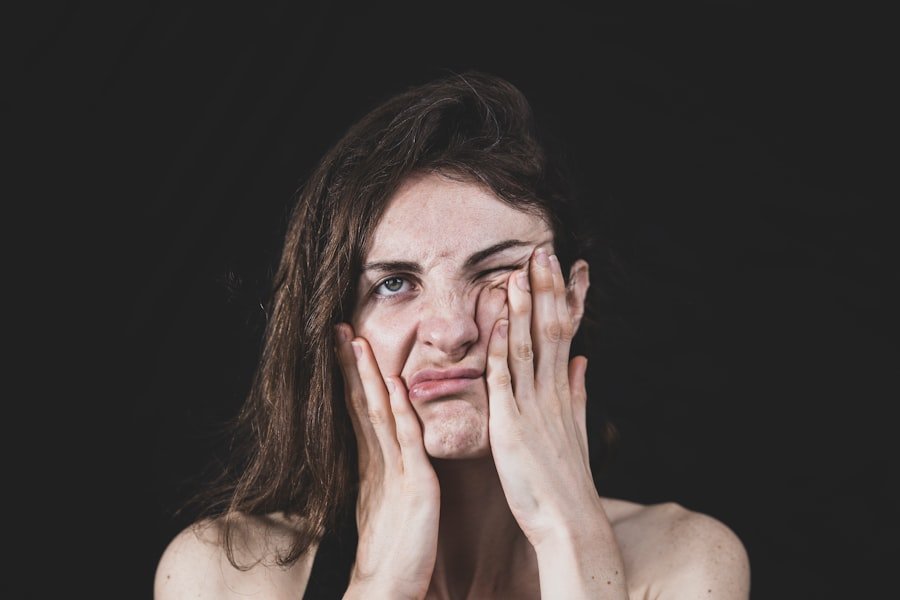
It’s one thing to react to stress, but it’s another to proactively build resilience against it. This section is all about equipping you with a diverse set of tools to manage your stress before it has a chance to wreak havoc on your skin. Think of yourself as building a personal stress-defense system.
Time Management and Prioritization: Taking Control of Your Schedule
Feeling overwhelmed often stems from a lack of control over your time and workload. Effective time management can significantly reduce your stress levels.
The Power of To-Do Lists:
Break down large tasks into smaller, manageable steps. This makes them less daunting and provides a sense of accomplishment as you tick items off.
Eisenhower Matrix: Urgent vs. Important:
Categorize tasks based on urgency and importance. Focus on “important but not urgent” tasks to prevent them from becoming crises later. Delegate or eliminate “not important” tasks.
Learn to Say No:
It’s a simple phrase, but incredibly powerful. Protect your time and energy by respectfully declining commitments that will overextend you. Your well-being is not negotiable.
Social Support: Connecting with Your Tribe
Humans are social creatures, and our connections with others are vital for our mental and emotional well-being. When you’re stressed, lean on your support system.
Talk it Out:
Share your feelings with trusted friends, family members, or a partner. Simply vocalizing your concerns can be incredibly cathartic and offer new perspectives.
Seek Professional Help:
If you find yourself consistently overwhelmed, a therapist or counselor can provide professional guidance and coping strategies. Don’t hesitate to reach out; it’s a sign of strength, not weakness.
Community and Connection:
Join clubs, volunteer, or participate in group activities that align with your interests. Building new connections and fostering existing ones can provide a much-needed sense of belonging and reduce feelings of isolation.
Hobbies and Joyful Activities: Making Time for Yourself
In the rush of daily life, it’s easy to let go of the things that bring you pure joy. These are not luxuries; they are essential for maintaining balance and preventing burnout.
Rediscover Your Passions:
What did you love to do before life got so busy? Make time for hobbies like painting, playing a musical instrument, gardening, hiking, or reading for pleasure.
Schedule “Me Time”:
Treat your personal time with the same importance as a work meeting. Block out time in your calendar specifically for relaxation and activities you enjoy.
Creative Outlets:
Engaging in creative activities can be a powerful way to process emotions and release tension. This could be journaling, writing, scrapbooking, or anything that allows for self-expression.
Digital Detox: Unplugging to Recharge
The constant barrage of notifications and information from our devices can be a major source of stress. Strategically disconnecting can provide significant relief.
Designated “No-Phone” Zones/Times:
Establish areas in your home (like the bedroom) or times of day (during meals) where devices are off-limits.
Content Curation:
Unfollow accounts that trigger negative emotions or anxiety. Curate your feed to be a source of inspiration, learning, and positive connection.
Scheduled Breaks from Social Media:
Consider taking entire days or weekends off from social media to fully disconnect and engage with the present moment.
5. When to Seek Professional Guidance: Escalating Concerns and Expert Support
| Factor | Impact on Acne |
|---|---|
| Stress | Can trigger acne breakouts |
| Sleep | Poor sleep can worsen acne |
| Diet | High sugar and dairy intake may contribute to acne |
| Skincare | Proper skincare routine can help manage acne |
While these strategies are designed to empower you, it’s important to recognize when your stress-related acne might require a more specialized approach. There are times when self-management reaches its limits, and professional intervention is the most effective path forward. As your LCA, I believe in empowering you with all the knowledge, including when to call in the cavalry.
Persistent and Severe Breakouts: Beyond the Usual Bustle
You’ve tried the gentle skincare, the stress management techniques, and you’re making an effort with your diet and sleep, but your acne remains stubborn, widespread, or is characterized by deep, painful cysts. This isn’t just the occasional stress pimple; this is a persistent challenge.
Dermatologist Consultation:
If your acne is severe, debilitating, or causing significant emotional distress, a dermatologist is your best resource. They can diagnose the specific type of acne you have and recommend prescription treatments tailored to your needs.
Exploring Prescription Options:
Dermatologists can prescribe topical medications like stronger retinoids, prescription-strength benzoyl peroxide, or topical antibiotics. In more severe cases, they might consider oral medications such as antibiotics, hormonal therapies (like birth control pills for women), or isotretinoin.
Understanding the Trigger:
A dermatologist can help determine if your acne is solely stress-related or if there are other underlying factors at play that need addressing, such as hormonal imbalances or specific skin conditions.
Mental Health Concerns: Recognizing the Intertwined Nature of Stress and Well-being
Sometimes, stress-related acne is a symptom of deeper mental health challenges. Your skin can be a visible manifestation of emotional turmoil.
Signs Your Stress Might Need Deeper Exploration:
If you’re experiencing prolonged periods of anxiety, depression, overwhelming sadness, irritability, or difficulty functioning in your daily life, it’s a sign that your stress levels are significantly impacting your mental well-being.
Therapy and Counseling:
A licensed therapist can help you identify the root causes of your stress, develop effective coping mechanisms, and work through any underlying emotional issues. Different therapeutic approaches, such as Cognitive Behavioral Therapy (CBT) or Dialectical Behavior Therapy (DBT), can be highly beneficial.
Psychiatrist Consultation:
In some cases, a psychiatrist may be consulted to discuss medication options for managing anxiety, depression, or other mental health conditions that are contributing to your stress. It’s about finding a holistic approach to your well-being.
Combining Treatments for Optimal Results: A Synergistic Approach
Often, the most effective approach involves a combination of treatments. Your dermatologist and mental health professional can work together, or collaborate with your primary care physician, to ensure a comprehensive plan.
Dermatologist and Therapist Collaboration:
Imagine your dermatologist is managing your topical treatments while your therapist helps you navigate the emotional fallout of acne and build stress resilience. This collaborative approach ensures all aspects of your well-being are addressed.
Lifestyle Modifications Enhanced by Professional Guidance:
The lifestyle strategies we’ve discussed—sleep, nutrition, mindfulness—are amplified when integrated with professional advice. A therapist can help you stick to a mindfulness practice, or a registered dietitian can help you craft an anti-inflammatory meal plan.
Patience and Persistence:
Remember, managing stress-related acne is a journey, not a destination. It requires patience, consistency, and a willingness to adapt your approach. Don’t get discouraged by setbacks. Celebrate the small victories and trust in the process. You are more capable than you think, and with the right strategies and support, you can achieve clearer skin and a calmer mind.
By now, you should feel a sense of empowerment. You’ve delved into the ‘why’ and explored the ‘how’ of managing stress-related acne. Remember, this is about building a lifestyle that supports both your physical and mental well-being, and your skin will thank you for it. Keep these strategies in your toolkit, and approach each day with intention and self-compassion. You’ve got this.
FAQs
What is stress-related acne?
Stress-related acne is a skin condition that is triggered or exacerbated by stress. When the body is under stress, it produces more cortisol, which can lead to an increase in oil production and inflammation in the skin, resulting in acne.
How does stress contribute to acne?
Stress can contribute to acne in several ways. It can lead to an increase in oil production, which can clog pores and lead to breakouts. Stress also triggers inflammation in the body, which can worsen existing acne or cause new breakouts to occur.
What are some strategies for managing stress-related acne?
Some strategies for managing stress-related acne include practicing stress-reducing activities such as yoga, meditation, or deep breathing exercises. It’s also important to maintain a healthy skincare routine, eat a balanced diet, and get regular exercise to help manage stress and reduce the likelihood of acne flare-ups.
Can stress-related acne be treated with medication?
In some cases, a dermatologist may prescribe medication to help manage stress-related acne. This may include topical treatments, oral medications, or hormonal therapies. It’s important to consult with a healthcare professional to determine the best course of treatment for individual cases.
Are there any long-term effects of stress-related acne?
While stress-related acne itself is not typically a serious medical condition, it can have long-term effects on a person’s emotional well-being and self-esteem. Chronic stress and acne can also lead to scarring if not properly managed. It’s important to address both the stress and acne to prevent long-term effects on mental and physical health.