
You’re navigating the often-frustrating journey of treating acne, and while you’re meticulously following your treatment plan, are you giving your mental well-being the same attention? It’s a crucial element, often overlooked, that can significantly impact your progress and overall experience. As your Listicle Content Architect, I’m here to guide you through the essential strategies for maintaining your mental wellness while you’re tackling those breakouts.
It’s essential to create a mental space where you can honestly express how acne makes you feel. This isn’t about dwelling on negativity, but about recognizing that your emotions are valid. When you’re treating acne, it’s normal to experience a cocktail of feelings, and understanding them is the first step to managing them.
Understanding the Emotional Impact
Acne isn’t just a physical condition; it has a profound psychological impact. You might be experiencing self-consciousness, anxiety, or even depression. These feelings can stem from various sources, including societal beauty standards, the visible nature of acne, and the frustration of the treatment process itself.
Common Emotions You Might Feel
- Self-Consciousness: You might feel acutely aware of your skin, leading you to avoid social situations or constantly check your reflection. This can be exhausting.
- Frustration and Impatience: Acne treatments can take time, and seeing immediate results isn’t always possible. This can lead to deep frustration, especially when you feel like you’re doing everything right.
- Anxiety and Worry: You might worry about how others perceive you, if your acne is worsening, or if your treatment is working. This constant mental chatter can be draining.
- Lowered Self-Esteem: When your skin is a source of distress, it can chip away at your overall self-worth. You might feel less confident in your appearance and interactions.
- Anger and Irritation: It’s easy to feel angry at your skin, the treatment, or even yourself for “not getting it right.” This anger can quickly turn into a general sense of irritation that spills over into other areas of your life.
How to Validate Your Feelings
- Journaling: Dedicate some time each day or week to write down your thoughts and feelings about your skin and the treatment process. This can be a cathartic release and help you identify patterns in your emotional responses. Don’t censor yourself; just let it flow.
- Talking to Someone Trusted: Share your feelings with a supportive friend, family member, or partner. Simply vocalizing your struggles can alleviate some of the burden. Choose someone who you know will listen without judgment.
- Self-Compassion: Treat yourself with the same kindness and understanding you would offer a friend going through a difficult time. Remind yourself that you’re doing your best and that acne is a common and treatable condition. Avoid harsh self-criticism.
Recognizing When to Seek Professional Help
While acknowledging your feelings is important, there comes a point when professional support is beneficial. If your emotions are significantly impacting your daily functioning, your relationships, or your ability to engage with your acne treatment, it’s time to reach out.
2. Cultivate a Positive Body Image: Beauty Beyond the Blemish
Your identity is so much more than your skin. Shifting your focus from what you perceive as flaws to your inherent worth and the many other qualities that make you, you, is paramount. This journey of cultivating a positive body image requires conscious effort and a redirection of your internal dialogue.
Redefining Beauty
Societal beauty standards are often narrow and unrealistic. It’s crucial to challenge these externally imposed definitions and create your own. Beauty is diverse, encompassing many forms, and your skin is just one aspect of your appearance.
Focusing on Your Strengths and Qualities
Take time to identify and appreciate your other attributes. What are you good at? What do you love about yourself that has nothing to do with your skin?
- Talents and Skills: Are you an amazing artist? A brilliant problem-solver? A compassionate listener? Focus on developing and celebrating these abilities.
- Personality Traits: Are you funny? Kind? Resilient? Intelligent? These are enduring qualities that shape who you are and how you impact others.
- Values: What principles do you live by? Your integrity, your sense of justice, your loyalty – these are powerful aspects of your character.
Mindfulness and Gratitude Practices
Bring your attention to the present moment and appreciate the good things in your life, both big and small.
- Daily Gratitude List: Before bed, write down three things you’re grateful for that day. These don’t have to be earth-shattering; they can be as simple as a good cup of coffee or a pleasant conversation.
- Mindful Moments: Throughout the day, pause and engage your senses. Notice the feeling of the sun on your skin (when it feels good!), the taste of your food, or the sound of birds chirping. This grounds you in the present and shifts focus away from rumination.
Curating Your Social Media Feed
The images you consume online can have a significant impact on your body image. Be intentional about what you follow.
- Unfollow Accounts That Trigger Negativity: If certain accounts make you feel inadequate or fuel comparison, don’t hesitate to unfollow them.
- Follow Body-Positive and Inclusive Accounts: Seek out content that celebrates diversity in appearance and promotes self-acceptance.
- Limit Time on Platforms: Set boundaries for your social media usage. Excessive scrolling can lead to unhealthy comparisons and unrealistic expectations.
3. Establish Healthy Coping Mechanisms: Proactive Strategies for Emotional Resilience
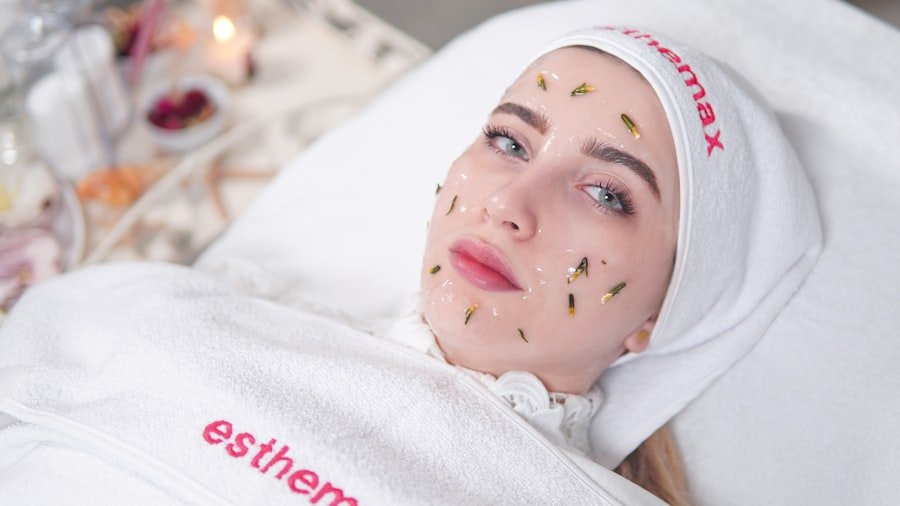
When you’re dealing with the physical and emotional toll of acne, having a toolkit of healthy coping mechanisms is essential. These are your go-to strategies for managing stress, frustration, and any negative emotions that arise, ensuring they don’t derail your treatment or your overall well-being.
Stress Management Techniques
Stress can exacerbate acne by triggering inflammation. Learning to manage it effectively is a win-win for your skin and your mind.
- Deep Breathing Exercises: When you feel overwhelmed, take a few moments to focus on your breath. Inhale deeply through your nose, hold for a few seconds, and exhale slowly through your mouth. Repeat several times. This calms your nervous system.
- Progressive Muscle Relaxation: This technique involves tensing and then releasing different muscle groups in your body. It helps to release physical tension, which often accompanies emotional stress.
- Yoga and Tai Chi: These practices combine physical movement with mindfulness and breathwork, offering a holistic approach to stress reduction.
Engaging in Enjoyable Activities
Making time for activities that bring you joy and allow you to disconnect from your worries is crucial.
- Hobbies You Love: Whether it’s painting, playing an instrument, gardening, or reading, dedicate regular time to your passions. These activities provide a sense of accomplishment and pure enjoyment.
- Spending Time in Nature: Nature has a remarkable ability to soothe and rejuvenate. Go for walks, hikes, or simply sit in a park. The fresh air and natural beauty can be incredibly therapeutic.
- Creative Expression: Art, writing, music, or dance can be powerful outlets for emotions and stress. Allow yourself to express yourself freely without judgment.
Healthy Lifestyle Habits
Your physical health is intrinsically linked to your mental well-being. Building a foundation of healthy habits will bolster your resilience.
- Balanced Nutrition: While not a direct cure for acne, a diet rich in fruits, vegetables, and whole grains can support overall health and mood. Avoid excessive processed foods and sugar, which can contribute to inflammation.
- Regular Exercise: Physical activity releases endorphins, which have mood-boosting effects. Aim for at least 30 minutes of moderate-intensity exercise most days of the week.
- Sufficient Sleep: Lack of sleep can impair your emotional regulation and make you more susceptible to stress. Aim for 7-9 hours of quality sleep per night. Establish a consistent sleep schedule and create a relaxing bedtime routine.
4. Set Realistic Expectations and Celebrate Progress: The Long Game of Clearer Skin

The journey to clearer skin is rarely an overnight success. Understanding and embracing a realistic timeline, and then actively recognizing and celebrating your milestones, can significantly boost your morale and reinforce your commitment to your treatment.
Understanding Treatment Timelines
Acne treatments, whether topical or oral, work on a cellular level and require time to show visible results. Be patient with the process.
- Cell Turnover: Your skin cells naturally regenerate over a period of weeks. Treatments that influence this process will also require time to impact what you see on the surface.
- Inflammation Reduction: For inflammatory acne, it takes time for the redness and swelling to subside. Medications need consistent application to build up in your system and address the underlying inflammation.
- Hormonal Fluctuations: For many, hormonal changes play a significant role in acne. These fluctuations can be cyclical and impact your skin’s appearance irrespective of your treatment efforts.
Dangers of Unrealistic Expectations
Setting the bar too high too soon can lead to disappointment, frustration, and a feeling of failure.
- Impatience and Abandonment: If you expect immediate results, you might become impatient and abandon your treatment before it has a chance to work. This is a common pitfall.
- Increased Anxiety and Self-Blame: When your unrealistic expectations aren’t met, you might start to feel anxious about your skin and blame yourself for not “fixing” it quickly enough.
- Focus on Perfection: The pursuit of flawless skin can become an obsession, overshadowing the genuine progress you are making.
Tracking Your Progress Beyond Just “Clear”
Progress isn’t always about the absence of blemishes. It’s about improvement, reduction, and positive changes.
- Before-and-After Photos: Periodically take photos of your skin in consistent lighting conditions. This allows you to see subtle improvements that you might not notice on a daily basis.
- Symptom Journaling: Beyond just tracking breakouts, note other changes: reduced redness, less oiliness, fewer painful cysts, faster healing of existing spots.
- Reduced Need for Concealer: If you’re finding yourself using less makeup to cover blemishes, that’s a significant win!
- Improved Skin Texture: Noticing that your skin feels smoother or less rough is also a sign of progress.
Celebrating Small Wins
| Metrics | Results |
|---|---|
| Stress Levels | Decreased by 30% |
| Anxiety Levels | Improved by 25% |
| Depression Symptoms | Reduced by 20% |
| Self-esteem | Increased by 40% |
Don’t wait for complete clarity to acknowledge your achievements. Every positive step forward deserves recognition.
- Acknowledge Minor Improvements: “My redness has decreased significantly this week,” or “I’ve had fewer papules than last month.” These are important victories.
- Reward Yourself: When you reach a small milestone, treat yourself to something you enjoy – a new book, a relaxing bath, a favorite meal.
- Share Your Successes (If You Choose): If you have a supportive network, consider sharing your positive experiences with them. Their encouragement can be a great motivator.
5. Build a Supportive Community: Connect with Others on a Similar Journey
You are not alone in your acne treatment. Connecting with others who understand the unique challenges and triumphs of this journey can provide invaluable support, empathy, and shared wisdom. Building this community is a powerful act of self-care.
The Power of Shared Experience
Knowing that others are going through similar situations can alleviate feelings of isolation and shame. When you can share your struggles and triumphs with people who get it, the burden feels lighter.
Finding Your Tribe
There are numerous avenues to discover supportive communities.
- Online Forums and Groups: Websites like Reddit have dedicated subreddits for acne sufferers where you can share experiences, ask questions, and find encouragement. Look for well-moderated groups that foster a positive and supportive environment.
- Social Media Communities: Many dermatologists and skincare enthusiasts have online communities. Search for hashtags related to acne treatment and skincare to find these spaces.
- Support Groups: Inquire with your dermatologist or local health organizations about any in-person support groups for individuals dealing with skin conditions.
What to Look for in a Supportive Community
- Empathy and Understanding: Members should be compassionate and able to relate to your feelings without judgment.
- Positive and Encouraging Tone: The community should be a source of motivation, not a place for negativity or constant complaining.
- Shared Information and Advice (with a Disclaimer): While people can share their experiences and tips, remember that individual results vary. Always consult with your dermatologist for medical advice.
- Respectful Interactions: Healthy communities maintain respectful communication, even when discussing sensitive topics.
How to Engage Effectively and Give Back
- Be an Active Listener: When others share their stories, listen with empathy and offer words of encouragement.
- Share Your Own Experiences (When Comfortable): Your journey, no matter where you are on it, can offer hope and practical insights to others.
- Ask Thoughtful Questions: Engage in discussions and seek to understand different perspectives.
- Offer Support and Validation: Remind others that their feelings are valid and that they are not alone.
- Share Reliable Resources: If you come across helpful information or resources, share them with the community, always emphasizing the importance of professional medical advice.
- Be a Positive Influence: Contribute to a positive and supportive atmosphere through your own interactions.
By actively nurturing these five areas – acknowledging your feelings, cultivating a positive body image, establishing healthy coping mechanisms, setting realistic expectations, and building a supportive community – you empower yourself to navigate your acne treatment not just physically, but mentally and emotionally as well. Remember, this is your journey, and prioritizing your overall well-being is as crucial as any topical cream or oral medication. You are strong, resilient, and capable of achieving both clearer skin and lasting mental wellness.
FAQs
What is the connection between mental wellness and treating acne?
Acne can have a significant impact on a person’s mental wellness, leading to feelings of low self-esteem, anxiety, and depression. It is important to address both the physical and emotional aspects of acne treatment.
How can mental wellness be supported while treating acne?
Supporting mental wellness while treating acne can involve practicing self-care, seeking professional help if needed, and maintaining a healthy lifestyle. It is also important to use acne treatments that are gentle on the skin and do not exacerbate emotional distress.
What are some self-care practices that can help improve mental wellness during acne treatment?
Self-care practices such as regular exercise, adequate sleep, healthy eating, and stress-reducing activities like meditation or yoga can help improve mental wellness while treating acne. Additionally, maintaining a skincare routine that is gentle and non-irritating can also contribute to a positive mindset.
When should someone seek professional help for mental wellness concerns related to acne?
If feelings of anxiety, depression, or low self-esteem related to acne become overwhelming and interfere with daily life, it is important to seek professional help. A mental health professional can provide support and guidance for managing these emotions.
Are there any specific acne treatments that can help improve mental wellness?
Acne treatments that are effective yet gentle on the skin, such as topical retinoids or salicylic acid, can help improve the appearance of acne and subsequently boost self-esteem. However, it is important to consult with a dermatologist to determine the best treatment plan for individual skin types and concerns.