
You’re looking for a natural way to find relief from bacterial vaginosis, and we’ve got you covered. In this article, we’ll explore some effective natural remedies that can help address the symptoms and restore balance to your vaginal environment. Whether you’re dealing with itching, odor, or discomfort, these remedies are here to offer you some much-needed relief. So let’s dive in and discover the power of natural solutions for bacterial vaginosis.

Causes and Symptoms of Bacterial Vaginosis
Cause of Bacterial Vaginosis
Bacterial Vaginosis, commonly known as BV, occurs due to an imbalance of the bacteria naturally present in the vagina. While the exact cause is still unknown, certain factors have been identified as potential triggers for this condition. These include a decrease in the levels of lactobacilli, which are beneficial bacteria in the vagina, and an increase in the levels of other harmful bacteria such as Gardnerella vaginalis. The disruption of this delicate balance can lead to the development of BV.
Common Symptoms of Bacterial Vaginosis
BV is often characterized by a range of uncomfortable and bothersome symptoms. Some of the most common symptoms include an unusual vaginal discharge that may be thin, grayish-white, or foamy in nature. The discharge may also have a strong and unpleasant odor, often described as a “fishy” smell. Additionally, many individuals with BV may experience itching, burning, or irritation in the vaginal area. While some women with BV may not experience any symptoms at all, it is important to be aware of these signs if they arise.
Medical Treatments for Bacterial Vaginosis
Antibiotics
One of the most common medical treatments for BV is the use of antibiotics. These prescription medications work by targeting and eliminating the harmful bacteria responsible for the infection. Metronidazole and Clindamycin are two commonly prescribed antibiotics for treating BV. It is essential to complete the full course of antibiotics as prescribed by your healthcare provider to ensure complete eradication of the infection.
Topical Treatments
In addition to oral antibiotics, topical treatments may also be recommended for the management of BV. These usually include medicated creams or gels that are applied directly to the vaginal area. Topical treatments such as clindamycin cream or metronidazole gel can help reduce symptoms and restore the balance of bacteria in the vagina. As with any medication, it is important to follow the instructions provided by your healthcare provider.
Probiotics
Probiotics, which are beneficial bacteria, can play a significant role in the treatment of BV. By introducing these “friendly” bacteria into the vaginal environment, they can help restore the natural balance and inhibit the overgrowth of harmful bacteria. Probiotic supplements or vaginal suppositories containing lactobacilli can be used to support the growth of beneficial bacteria and promote vaginal health. Consult with your healthcare provider to determine the appropriate probiotic treatment for your specific needs.
Natural Remedies for Bacterial Vaginosis Relief
Garlic
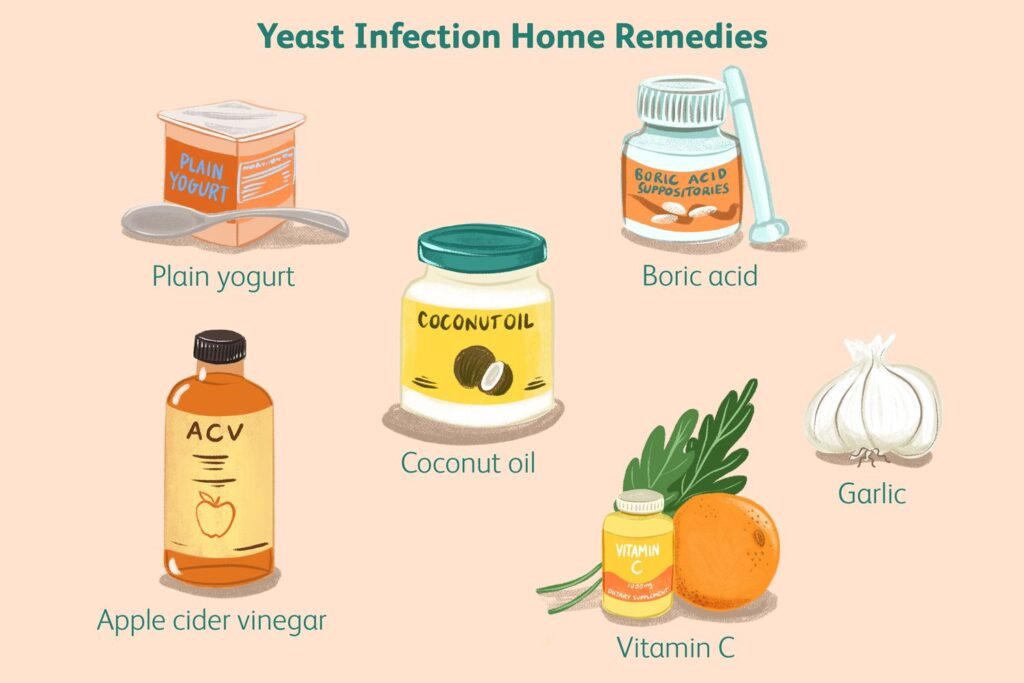
Garlic has been used for centuries for its antimicrobial properties. Consuming raw garlic or taking garlic supplements may help inhibit the growth of harmful bacteria associated with BV. Crush a clove of garlic and consume it daily or use garlic supplements as recommended by your healthcare provider to potentially alleviate BV symptoms.
Tea Tree Oil
Tea tree oil is known for its antimicrobial properties, making it a popular natural remedy for bacterial infections. However, it is important to dilute tea tree oil before using it topically in the vaginal area. Mix a few drops of tea tree oil with a carrier oil such as coconut oil and apply it to the affected area for relief from BV symptoms. Remember to perform a patch test first to ensure there are no adverse reactions.
Apple Cider Vinegar
Apple cider vinegar has been used for various health conditions, including BV. Its acidic nature helps create an inhospitable environment for harmful bacteria. Add a cup of apple cider vinegar to a warm bath and soak for 20 minutes to help alleviate BV symptoms. Avoid direct application of undiluted apple cider vinegar to the vagina, as it may cause irritation.
Yogurt
Yogurt is a well-known source of probiotics, which can help restore the natural balance of bacteria in the vagina. Consuming plain, unsweetened yogurt regularly can potentially promote the growth of beneficial bacteria and reduce BV symptoms. Applying plain yogurt topically to the vaginal area for a short period may also provide relief. However, consult with your healthcare provider before attempting this remedy.
Hydrogen Peroxide
Hydrogen peroxide can act as a disinfectant and may help eliminate harmful bacteria associated with BV. Dilute hydrogen peroxide with water and use it as a vaginal rinse. It is essential to follow proper dilution instructions and avoid prolonged use, as excessive use of hydrogen peroxide may disrupt the natural pH balance of the vagina.
Oregano Oil
Oregano oil has antimicrobial properties that can be beneficial in managing BV symptoms. Mix a few drops of oregano oil with a carrier oil and apply it topically to the affected area. Remember to perform a patch test before use and consult with your healthcare provider to determine the appropriate dosage and frequency.
Boric Acid
Boric acid has been used as a natural remedy for various vaginal infections, including BV. It helps create an unfavorable environment for harmful bacteria. However, it is important to note that boric acid should only be used under the guidance of a healthcare provider, as improper use can lead to irritation and other complications.
Fenugreek
Fenugreek is known for its anti-inflammatory properties and can potentially help alleviate BV symptoms. Consuming fenugreek seeds or drinking fenugreek tea regularly may aid in reducing inflammation. However, it is important to consult with your healthcare provider before using fenugreek as a remedy for BV.
Coconut Oil
Coconut oil has natural antimicrobial properties and may help inhibit the growth of harmful bacteria. Applying coconut oil topically to the vaginal area may provide relief from itching and irritation associated with BV. However, it is important to note that coconut oil is not a substitute for medical treatment and should be used as a complementary measure.
Essential Oils
Certain essential oils, such as lavender or rosemary oil, have antimicrobial properties that can potentially assist in managing BV symptoms. Dilute essential oils with a carrier oil, such as almond or jojoba oil, and apply them topically to the affected area. It is crucial to perform a patch test beforehand to avoid any adverse reactions.
Dietary Changes to Prevent Bacterial Vaginosis
Increase Intake of Probiotic Foods
Incorporating probiotic-rich foods into your diet can help support the growth of beneficial bacteria in the body. Foods such as yogurt, kefir, sauerkraut, and kimchi are excellent sources of probiotics. Adding these foods to your daily meals can potentially reduce the risk of BV recurrence.
Avoid Certain Foods
Certain foods may contribute to an imbalance of bacteria in the body or exacerbate BV symptoms. It is advisable to limit the consumption of sugary foods, processed foods, and refined carbohydrates, as these can promote the growth of harmful bacteria. Additionally, reducing the intake of alcohol and caffeine may also be beneficial for vaginal health.
Stay Hydrated
Maintaining proper hydration is essential for overall health, including vaginal health. Drinking an adequate amount of water helps flush out toxins from the body and supports the optimal functioning of bodily systems, including the vaginal flora. Aim to drink at least eight glasses of water per day to stay hydrated.
Reduce Sugar Intake
Excessive sugar consumption can disrupt the balance of bacteria in the body and contribute to the development or recurrence of BV. Limiting the intake of sugary foods and beverages, such as candies, sodas, and sweet treats, can help maintain a healthy vaginal environment. Opt for healthier alternatives like fresh fruits to satisfy your sweet cravings.

Lifestyle Modifications for Bacterial Vaginosis Relief
Maintain Good Hygiene
Practicing good hygiene is crucial for preventing and managing BV. Make sure to wash the genital area with mild, fragrance-free soap and warm water. Avoid using harsh cleansers or douches, as they can disrupt the natural balance of bacteria in the vagina. Remember to always wipe from front to back after using the toilet to prevent the spread of bacteria.
Avoid Douching or Harsh Cleansing Products
Douching or using harsh cleansing products in the vaginal area can disturb the natural pH balance and increase the risk of BV. It is best to avoid these practices and opt for gentle, pH-balanced products when necessary. Consult with your healthcare provider for recommendations on suitable cleansing products.
Wear Breathable Underwear
Choosing breathable underwear made of natural fabrics like cotton or linen can help maintain proper airflow and minimize moisture in the vaginal area. Avoid tight-fitting underwear or synthetic fabrics, as they can trap heat and moisture, creating an environment favorable for the growth of harmful bacteria.
Avoid Irritants
Certain products, such as scented or colored toilet paper, perfumed soaps, and laundry detergents, may contain irritants that can disrupt the vaginal flora and worsen BV symptoms. Opt for unscented and hypoallergenic products to decrease the risk of irritation and inflammation.
Practice Safe Sex
Engaging in safe sexual practices, such as using condoms, can help reduce the risk of BV. Condoms act as a barrier and can help prevent the exchange of bacteria between sexual partners. It is important to also discuss sexual health and potential risks with your partner.
Natural Remedies for Soothing Bacterial Vaginosis Symptoms
Sitz Baths
Sitz baths can provide soothing relief for BV symptoms. Fill a shallow basin or bathtub with warm water and add ingredients like Epsom salts, baking soda, or herbal remedies such as chamomile or calendula. Sit in the water for 15-20 minutes to help alleviate itching, burning, and irritation in the vaginal area.
Cold Compress
Applying a cold compress or ice pack wrapped in a clean cloth to the affected area can help reduce inflammation and provide temporary relief from BV symptoms. Ensure that the compress or ice pack is not directly applied to the skin to prevent frostbite or discomfort.
Aloe Vera Gel
Aloe vera has anti-inflammatory and soothing properties that can help alleviate BV symptoms. Apply pure aloe vera gel topically to the affected area for natural relief from itching and irritation. Ensure you are using pure aloe vera gel without added fragrances or additives.
Chamomile Tea
Chamomile tea possesses anti-inflammatory properties and may help soothe BV-related discomfort. Brew chamomile tea and allow it to cool. Use a clean cloth soaked in the tea as a compress or add the cooled tea to a sitz bath for additional relief.
Calendula Cream
Calendula cream, derived from the marigold plant, is known for its anti-inflammatory properties and can help soothe irritated skin. Apply a small amount of calendula cream to the vaginal area as directed by your healthcare provider to potentially reduce itching and inflammation.

Precautions to Consider When Using Natural Remedies for Bacterial Vaginosis
Consult with a Healthcare Provider
Before using any natural remedies, it is important to consult with your healthcare provider. They can provide guidance on the appropriateness and safety of specific remedies based on your individual circumstances. Additionally, they can help determine if any underlying conditions may be contributing to BV and provide comprehensive treatment options.
Allergic Reactions
While natural remedies are generally considered safe, it is essential to be aware of potential allergic reactions. Perform patch tests on a small area of skin before applying any remedy to the vaginal area to check for any adverse reactions. If you experience any itching, redness, or swelling, discontinue use and consult with your healthcare provider.
Side Effects and Interactions
Natural remedies, just like any other medication or treatment, can have side effects or interact with other medications. It is crucial to educate yourself about potential side effects and interactions associated with specific remedies. If you are currently taking any medications or have underlying health conditions, discuss the use of natural remedies with your healthcare provider to avoid any adverse effects.
When to Seek Medical Attention
Persistent Symptoms
If you are experiencing persistent BV symptoms despite trying various natural remedies, it is important to seek medical attention. Your healthcare provider can evaluate your symptoms and guide you towards appropriate medical treatments or adjustments to your current treatment plan.
Recurrent Infections
If you are experiencing recurrent BV infections, it is crucial to consult with your healthcare provider. They can assess potential underlying causes, such as hormonal imbalances or other health conditions, and recommend appropriate treatments to prevent further recurrences.
Pregnancy
If you are pregnant and suspect you have BV, it is important to seek medical attention promptly. BV during pregnancy can potentially lead to complications, such as preterm labor or an increased risk of acquiring other infections. Your healthcare provider can provide safe and effective treatment options tailored to your specific needs.
Complications
If you experience severe symptoms, such as intense pain, fever, or abnormal vaginal bleeding, it is crucial to seek immediate medical attention. These symptoms may indicate a more serious underlying condition or complications related to BV.
Conclusion
Bacterial vaginosis can be uncomfortable and disruptive to a person’s daily life. While medical treatments such as antibiotics and topical creams are commonly prescribed, natural remedies can also provide relief and support the body’s natural healing process. Natural remedies like garlic, tea tree oil, and yogurt may help alleviate symptoms, while dietary changes and lifestyle modifications can help prevent or reduce the occurrence of BV. It is important to consult with a healthcare provider before using any natural remedies and to seek medical attention if symptoms persist or worsen. By taking a comprehensive and holistic approach, individuals can find relief and maintain vaginal health.