
Are you tired of dealing with the pain and discomfort of bursitis? Look no further! We have discovered a natural remedy that can help alleviate the symptoms and provide you with much-needed relief. Bursitis can be a debilitating condition that affects daily activities, but with this simple and effective remedy, you can get back to living your life pain-free. Say goodbye to expensive medications and invasive treatments, and say hello to a natural solution for bursitis. Read on to find out more about this incredible remedy and start experiencing the relief you deserve.
What is Bursitis
Definition
Bursitis is a condition characterized by the inflammation of the bursae, which are small fluid-filled sacs that provide cushioning between bones, tendons, muscles, and skin. These sacs contain synovial fluid, which helps reduce friction and allows for smooth movement. When the bursae become irritated or inflamed, it can lead to pain, swelling, and limited mobility in the affected area.
Causes
Bursitis can be caused by various factors, including repetitive motion or overuse of a joint, trauma or injury to a specific area, prolonged pressure on a joint, and certain medical conditions such as rheumatoid arthritis or gout. Additionally, age and pre-existing joint abnormalities can also increase the risk of developing bursitis.
Symptoms
Common symptoms of bursitis include localized pain, tenderness, swelling, warmth, and redness in the affected area. The pain may worsen with movement or pressure. In some cases, the range of motion may also be affected, making it difficult to perform certain activities or exercises.
Medical Treatments for Bursitis
Pain Medications
Over-the-counter or prescribed pain medications can help alleviate the discomfort associated with bursitis. Nonsteroidal anti-inflammatory drugs (NSAIDs) such as ibuprofen or naproxen can reduce pain, inflammation, and swelling.
Physical Therapy
Physical therapy plays a crucial role in bursitis treatment. A trained physical therapist can develop a personalized exercise program to improve strength, flexibility, and range of motion. They may also utilize techniques such as massage, ultrasound, or electrical stimulation to reduce pain and inflammation.
Corticosteroid Injections
For severe cases of bursitis, corticosteroid injections may be recommended. These injections deliver medication directly to the affected area, reducing inflammation and providing temporary pain relief. It is important to note that long-term or repeated use of corticosteroids can have side effects, so they are typically used sparingly.
Surgery
Surgery is rarely necessary for bursitis. However, in cases where other treatments have not been successful, or if there is a significant structural issue contributing to the bursitis, surgical intervention may be considered. The procedure typically involves removing the inflamed bursa or addressing any underlying problems.

Natural Remedies for Bursitis
Hot and Cold Therapy
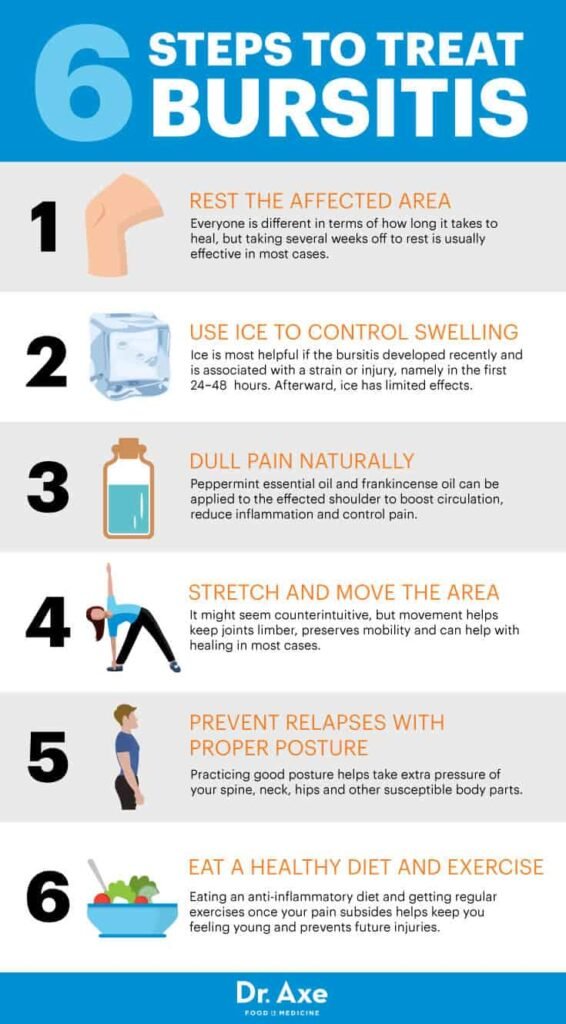
Hot and cold therapy can provide relief from bursitis symptoms by altering blood flow, reducing inflammation, and alleviating pain. Applying a hot compress or ice pack to the affected area can be effective in managing discomfort.
Rest and Immobilization
Resting the affected joint and avoiding activities that exacerbate the pain is important in allowing the body to heal. Immobilization through the use of braces or splints can also help reduce strain on the affected area and promote recovery.
Exercise and Stretching
Regular exercise can help strengthen the muscles surrounding the joint, improving stability and reducing the risk of further injury. Stretching exercises can also increase flexibility and range of motion, providing relief for bursitis symptoms.
Topical Pain Relievers
Topical pain relievers, such as capsaicin cream or arnica gel, can be applied directly to the affected area to provide temporary relief from pain and inflammation. These products work by desensitizing nerve endings or reducing swelling.
Epsom Salt Baths
Epsom salt baths can help reduce inflammation and relax the muscles. Adding Epsom salt to warm bathwater and soaking in it for 20-30 minutes can provide relief for bursitis symptoms. It is important to follow the recommended frequency and duration of baths for optimal results.
Ginger
Ginger possesses anti-inflammatory properties that can help alleviate pain and reduce inflammation associated with bursitis. Consuming ginger tea, incorporating ginger into meals, or taking ginger supplements may offer natural relief. It is advisable to consult a healthcare professional for the recommended dosage and usage.
Turmeric
Turmeric contains a compound called curcumin, which has anti-inflammatory properties. Adding turmeric to meals, taking curcumin supplements, or using turmeric-infused products may help reduce pain and inflammation associated with bursitis. Consulting a healthcare professional is recommended for proper guidance.
Omega-3 Fatty Acids
Omega-3 fatty acids, found in fatty fish such as salmon, mackerel, and sardines, as well as in flaxseeds and walnuts, have anti-inflammatory properties. Consuming foods rich in omega-3 fatty acids or taking supplements may help reduce inflammation and alleviate bursitis symptoms.
Magnesium
Magnesium is an essential mineral that plays a role in muscle relaxation and nerve function. Adequate intake of magnesium through diet or supplements may help relax muscles and ease pain associated with bursitis. It is important to consult with a healthcare professional for proper dosage and guidance.
Alternative Therapies
Alternative therapies such as acupuncture, massage therapy, chiropractic care, and herbal supplements may provide additional relief for individuals suffering from bursitis. These therapies aim to reduce pain, improve circulation, and promote overall healing. It is advisable to seek guidance from a qualified professional and discuss potential benefits and risks before pursuing alternative treatments.

Hot and Cold Therapy
Principle
Hot and cold therapy for bursitis is based on the principle of altering blood flow to the affected area. Cold therapy helps reduce inflammation and numb the area, temporarily relieving pain. Hot therapy, on the other hand, increases blood flow, promotes healing, and relaxes muscles and joints.
Hot Therapy Methods
Hot therapy for bursitis can be achieved through the use of heating pads, warm compresses, hot water bottles, or warm towels. Applying heat to the affected area for 15-20 minutes at a time can help alleviate pain and discomfort.
Cold Therapy Methods
Cold therapy for bursitis can be achieved by applying ice packs, frozen gel packs, or even a bag of frozen vegetables wrapped in a thin towel to the affected area. Cold therapy should be applied for 15-20 minutes at a time, allowing the area to rest for at least 45 minutes before reapplying.
Duration and Frequency of Application
The duration and frequency of hot and cold therapy application will depend on the individual’s tolerance and the severity of the symptoms. It is generally recommended to alternate between hot and cold therapy several times a day or as needed. It is important to monitor the skin for any adverse reactions, and if discomfort or irritation occurs, the therapy should be discontinued.
Related Terms About Natural Remedy For Bursitis.
Best Home Remedy For Shoulder Bursitis, Home Remedy For Bursitis In Ankle, Home Remedy For Bursitis In Elbow, Home Remedy For Bursitis In Knee, Home Remedy For Bursitis In Shoulder, Home Remedy For Bursitis In The Shoulder, Home Remedy For Elbow Bursitis, Home Remedy For Olecranon Bursitis, Home Remedy For Shoulder Bursitis