
Have you ever wished for a solution to help combat brain diseases without relying on artificial medications? Look no further! This article introduces an incredible natural remedy that has been proven to be effective for a variety of brain conditions. Say goodbye to the worries and concerns that come with traditional treatments, and embrace this promising alternative that harnesses the power of nature to provide relief and support for your brain health. Prepare to discover a new way of addressing brain diseases that will leave you feeling confident and hopeful.
Overview of Brain Diseases
Definition and Types of Brain Diseases
Brain diseases, also known as neurological disorders, are conditions that affect the structure and function of the brain, leading to a wide range of symptoms and impairments. There are various types of brain diseases, each characterized by different causes, symptoms, and treatment approaches. Some common types of brain diseases include Alzheimer’s disease, Parkinson’s disease, multiple sclerosis, epilepsy, and stroke. These conditions can have a profound impact on a person’s quality of life and may require long-term management and support.
Causes and Symptoms of Brain Diseases
Brain diseases can have complex and multifactorial causes. Some conditions are genetic and can be inherited from your parents, while others may be caused by environmental factors such as exposure to toxins or head injuries. Additionally, certain lifestyle factors like smoking, poor diet, and lack of physical activity can increase the risk of developing brain diseases.
The symptoms of brain diseases can vary depending on the specific condition and its severity. Common symptoms may include memory loss, difficulty concentrating, muscle weakness or stiffness, seizures, coordination problems, mood changes, and changes in speech or vision. It is important to seek medical attention if you or a loved one experiences any of these symptoms to receive an accurate diagnosis and appropriate treatment.
Benefits of Natural Remedies
Effectiveness of Natural Remedies for Brain Diseases
While conventional medical treatments play a crucial role in managing brain diseases, natural remedies can also provide significant benefits. Natural remedies, such as herbs, nutritional supplements, essential oils, acupuncture, and lifestyle changes, have been used for centuries to support brain health and improve symptoms related to neurological disorders.
Numerous studies have shown promising results regarding the effectiveness of natural remedies in managing brain diseases. For example, certain herbs and supplements have demonstrated neuroprotective properties, improving cognitive function and reducing inflammation in the brain. Essential oils have been shown to have calming and mood-enhancing effects, which can alleviate stress and anxiety, both of which can exacerbate symptoms of brain diseases.
Advantages of Using Natural Remedies
One of the key advantages of using natural remedies for brain diseases is the holistic approach they offer. Natural remedies focus on treating the underlying causes of the condition rather than merely addressing the symptoms. This approach not only helps in managing the disease but also supports overall well-being.
Another advantage is that natural remedies often have fewer side effects compared to conventional medications. Pharmaceutical drugs can sometimes cause unwanted side effects, whereas natural remedies derived from herbs, supplements, and essential oils are generally well-tolerated by the body when used correctly.
Safety and Lower Risk of Side Effects
Natural remedies also provide a safer alternative to conventional treatments for brain diseases. It is important to note that while natural remedies can offer many benefits, they should not replace prescribed medications without consulting a healthcare professional. However, incorporating natural remedies into your treatment regimen can complement conventional therapies and enhance their effectiveness.
Natural remedies are generally considered safe when used appropriately. However, it is essential to consult with a healthcare professional before starting any new treatment, especially if you are already taking medications or have pre-existing health conditions. This will help ensure that the natural remedy is compatible with your individual needs and will not interact negatively with other treatments.
Herbs for Brain Diseases
Ginkgo Biloba
Ginkgo Biloba is a popular herb known for its cognitive-enhancing properties. It has been used for centuries in traditional medicine to support brain health, improve memory, and enhance cognitive function. Research suggests that Ginkgo Biloba may help improve blood flow to the brain, protect against oxidative stress, and reduce inflammation, all of which can benefit individuals with brain diseases such as Alzheimer’s disease and dementia.
Bacopa Monnieri
Bacopa monnieri, also known as Brahmi, is an herb commonly used in Ayurvedic medicine to support brain function and memory. It contains compounds called bacosides, which have been shown to promote the growth and repair of brain cells and improve neurotransmitter activity. Bacopa monnieri has been found to improve cognitive performance, attention, and memory in individuals with brain diseases, making it a promising natural remedy.
Turmeric
Turmeric is a spice commonly used in cooking, but it also has significant medicinal properties, particularly for brain health. Curcumin, the main active compound in turmeric, has powerful anti-inflammatory and antioxidant effects, which can help reduce brain inflammation and oxidative stress associated with neurodegenerative diseases. Studies have shown that turmeric may improve memory, attention, and overall brain function, making it a valuable natural remedy for brain diseases.
Nutritional Supplements
Omega-3 Fatty Acids
Omega-3 fatty acids are essential nutrients that play a crucial role in brain health and function. These fatty acids are abundant in fatty fish, such as salmon and mackerel, as well as in walnuts, flaxseeds, and chia seeds. Omega-3 fatty acids have been shown to reduce inflammation in the brain, improve cognitive function, and protect against neurodegenerative diseases. Supplementing with omega-3 fatty acids can be beneficial for individuals with brain diseases, especially when dietary intake is insufficient.
Vitamin B12
Vitamin B12 is essential for maintaining optimal brain health and function. It is involved in the production of neurotransmitters and the formation of myelin, which protects and insulates nerve cells. Low levels of vitamin B12 have been associated with memory loss, cognitive decline, and neurodegenerative diseases. Supplementing with vitamin B12 can help improve brain function and reduce the risk of developing brain diseases, particularly in individuals who are deficient in this vitamin.
Vitamin D
Vitamin D, often referred to as the “sunshine vitamin,” is crucial for overall health, including brain health. Deficiency in vitamin D has been associated with an increased risk of developing brain diseases, such as Alzheimer’s disease and multiple sclerosis. Vitamin D plays a role in neuroprotection, regulating inflammation, and supporting brain cell function. Ensuring adequate vitamin D levels through supplementation or safe sun exposure can contribute to brain health and reduce the risk of brain diseases.

Essential Oils
Lavender Oil
Lavender oil is well-known for its calming and relaxing properties, which can benefit individuals with brain diseases, particularly those experiencing stress, anxiety, and sleep disturbances. Inhaling lavender oil or applying it topically can promote relaxation, reduce anxiety levels, and improve sleep quality. These effects can significantly improve the overall well-being of individuals with brain diseases and support their mental and emotional health.
Rosemary Oil
Rosemary oil has been associated with cognitive enhancement and memory improvement. Inhaling the aroma of rosemary oil has been found to increase alertness, cognitive performance, and memory retention. These benefits can be particularly helpful for individuals with brain diseases, as they often experience cognitive impairments. Using rosemary oil as part of a holistic treatment plan may help improve cognitive function and overall quality of life.
Peppermint Oil
Peppermint oil has invigorating and refreshing properties that can stimulate mental clarity and focus. Inhaling the scent of peppermint oil or using it topically can help alleviate mental fatigue and improve concentration, which can be beneficial for individuals with brain diseases experiencing cognitive difficulties. Peppermint oil can provide a natural and non-invasive way to support cognitive function and enhance daily activities.
Acupuncture and Acupressure
Acupuncture and acupressure are ancient healing practices rooted in Traditional Chinese Medicine. These techniques involve stimulating specific points on the body to promote the flow of energy or qi and restore balance. Many studies have shown that acupuncture and acupressure can be beneficial for individuals with brain diseases. These therapies have been found to reduce pain, alleviate symptoms of depression and anxiety, and improve cognitive function. Incorporating acupuncture or acupressure into a holistic treatment plan can provide additional support and relief for individuals with brain diseases.

Physical Exercise
Aerobic Exercises
Engaging in regular aerobic exercises, such as brisk walking, jogging, cycling, or swimming, can have numerous benefits for brain health. Aerobic exercises increase blood flow to the brain, stimulate the release of neurotransmitters and growth factors, and promote the development of new brain cells. Research indicates that regular aerobic exercise can improve cognitive function, memory, and mood in individuals with brain diseases. It is important to consult with a healthcare professional before starting any exercise program to ensure safety and appropriateness for your specific condition.
Yoga and Meditation
Yoga and meditation practices offer a holistic approach to brain health and well-being. These ancient practices combine physical postures, breathing techniques, and meditation to promote relaxation, reduce stress, and enhance mental clarity. Studies have shown that yoga and meditation can improve cognitive function, memory, attention, and overall mental health. Incorporating yoga and meditation into your daily routine can provide a range of benefits for individuals with brain diseases, including stress reduction and improved quality of life.
Mental Stimulation
Reading and Brain Games
Engaging in mentally stimulating activities, such as reading books, solving puzzles, and playing brain games, can help exercise and challenge the brain. These activities require cognitive skills like memory, attention, and problem-solving, which can benefit individuals with brain diseases. Regular mental stimulation can help maintain cognitive function, slow down cognitive decline, and improve overall brain health. Finding activities that you enjoy and incorporating them into your daily routine can have a positive impact on your brain and quality of life.
Learning a New Skill
Learning a new skill, whether it’s playing a musical instrument, painting, or learning a new language, can provide numerous benefits for brain health. Acquiring new knowledge and skills stimulates brain plasticity and promotes the growth of new connections between brain cells. This can enhance cognitive function, improve memory, and boost overall brain health. It’s never too late to start learning something new, and dedicating time to learning a skill can be a rewarding and enriching experience for individuals with brain diseases.

Stress Management
Relaxation Techniques
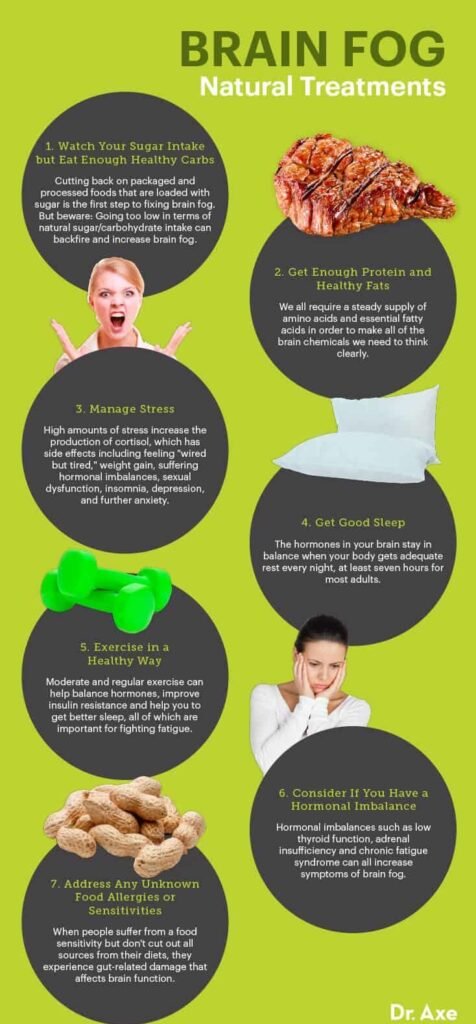
Stress has a significant impact on brain health and can worsen symptoms of brain diseases. Incorporating relaxation techniques into your daily routine can help reduce stress levels and promote a sense of calmness and well-being. Techniques such as deep breathing exercises, progressive muscle relaxation, and guided imagery can activate the body’s relaxation response, lower stress hormones, and promote a state of relaxation. Practicing relaxation techniques regularly can help individuals with brain diseases better cope with stress and improve their overall mental and emotional well-being.
Mindfulness and Meditation
Mindfulness and meditation practices involve focusing the mind on the present moment and cultivating a non-judgmental awareness of thoughts, sensations, and emotions. These practices have been shown to reduce stress, anxiety, and depression, improve attention and concentration, and enhance overall mental health. Incorporating mindfulness and meditation into your daily routine can help individuals with brain diseases develop resilience against stressful situations and achieve a greater sense of well-being.
Conclusion
Natural remedies offer a holistic and complementary approach to managing brain diseases. Incorporating herbs, nutritional supplements, essential oils, acupuncture, physical exercise, mental stimulation, and stress management techniques into your treatment plan can provide numerous benefits for brain health and overall well-being. It is important to remember that natural remedies should not replace prescribed medications without consulting a healthcare professional. However, when used correctly and as part of a comprehensive approach, natural remedies can support brain health, improve symptoms, and enhance the quality of life for individuals with brain diseases.

Related Terms About Natural Remedy For Brain Diseases
Curable Brain Diseases, What Are Some Common Brain Diseases