
Lyme disease is a challenging condition that has affected many individuals globally. If you or someone you know is grappling with this debilitating disease, you’ll be pleased to learn about a promising natural remedy. This article explores an effective solution that can help alleviate the symptoms of Lyme disease and potentially improve overall well-being. So, sit back, relax, and discover the power of nature in combating this illness.
What is Lyme Disease
Lyme disease is a tick-borne illness caused by the bacterium Borrelia burgdorferi. It is primarily transmitted through the bite of infected black-legged ticks. This disease is prevalent in woodland areas, where ticks reside and feed on animals such as deer, mice, and birds. If left untreated, Lyme disease can cause severe health complications, affecting multiple systems of the body, including the joints, heart, and nervous system.
Traditional Treatment
The most common treatment for Lyme disease is a course of antibiotics, typically prescribed for several weeks. Antibiotics such as doxycycline, amoxicillin, or cefuroxime are commonly used to eradicate the bacterial infection. While antibiotics are effective in killing the bacteria, they may have side effects and limitations in terms of long-term efficacy.
Antibiotics
Antibiotics play a crucial role in treating Lyme disease by targeting the bacteria directly. They help eliminate the infection and alleviate the symptoms. However, it is important to note that antibiotics may not be effective in all cases, especially in later stages of the disease. Additionally, some individuals may experience allergic reactions or adverse effects from prolonged antibiotic use.
Side Effects
Like any medication, antibiotics can have side effects. These may include gastrointestinal disturbances, such as nausea, vomiting, and diarrhea, as well as allergic reactions such as rashes or itching. Prolonged antibiotic use can also disrupt the natural balance of gut bacteria, leading to gastrointestinal complications.
Limitations
While antibiotics are the primary treatment option for Lyme disease, they have limitations in terms of long-term efficacy. In some cases, individuals may experience symptoms that persist even after completing the prescribed antibiotic course. This is known as chronic Lyme disease, and it often requires alternative approaches for symptom management and recovery.
Natural Remedies for Lyme Disease
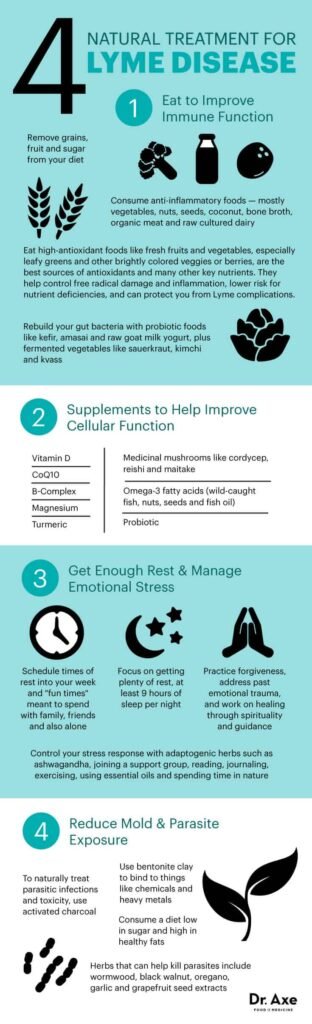
In addition to traditional treatment options, there are several natural remedies that can complement the conventional approach to Lyme disease. These remedies focus on supporting the body’s immune system, reducing inflammation, and promoting overall well-being. Natural remedies for Lyme disease include the use of herbs and supplements, essential oils, and dietary changes.
Herbs and Supplements
Certain herbs and supplements have been found to have beneficial effects in managing Lyme disease symptoms and supporting the immune system. Some commonly recommended herbs and supplements for Lyme disease include:
Andrographis
Andrographis is an herb traditionally used in Ayurvedic medicine. It possesses anti-inflammatory and antimicrobial properties, making it beneficial in managing Lyme disease symptoms.
Cat’s Claw
Cat’s Claw is a vine used in traditional medicine to boost the immune system. It may help reduce inflammation, ease joint pain, and support overall recovery in individuals with Lyme disease.
Japanese Knotweed
Japanese Knotweed is a plant known for its potent antimicrobial properties. It may aid in eliminating Lyme disease bacteria and reducing inflammation.
Garlic
Garlic has natural antimicrobial properties and may help fight against Lyme disease bacteria. It also supports cardiovascular health and boosts the immune system.
Samento
Samento, derived from the Uncaria tomentosa plant, is believed to have antimicrobial and anti-inflammatory effects. It may help in managing Lyme disease symptoms and supporting recovery.
Teasel Root
Teasel root has been used in traditional herbal medicine to alleviate joint pain and inflammation associated with Lyme disease. It may also support the body’s natural healing processes.
Olive Leaf Extract
Olive leaf extract has antimicrobial properties and may aid in fighting against Lyme disease bacteria. It also has antioxidant benefits and supports immune health.
Cordyceps
Cordyceps is a type of medicinal mushroom that has immune-modulating properties. It may help enhance the immune response and support overall recovery in individuals with Lyme disease.
Curcumin
Curcumin, derived from turmeric, has potent anti-inflammatory properties. It may help reduce inflammation in individuals with Lyme disease and alleviate associated symptoms.
Essential Oils
Essential oils have gained popularity for their potential health benefits, including their antimicrobial and anti-inflammatory properties. While research on essential oils specifically for Lyme disease is limited, they may serve as complementary treatments. However, it is important to use essential oils properly and consult with a healthcare professional before use. Some essential oils that may be beneficial for Lyme disease include:
Oregano Oil
Oregano oil is known for its potent antimicrobial properties. It may help in combating Lyme disease bacteria and reducing inflammation.
Eucalyptus Oil
Eucalyptus oil has antimicrobial and anti-inflammatory properties. It may help in managing Lyme disease symptoms, particularly respiratory issues.
Lemongrass Oil
Lemongrass oil possesses antimicrobial properties and may support the immune system. It may also help to alleviate joint pain associated with Lyme disease.
Tea Tree Oil
Tea tree oil is well-known for its antimicrobial properties. It may aid in combating bacterial and fungal infections, potentially including Lyme disease.
Clove Oil
Clove oil has strong antimicrobial properties and may help in inhibiting Lyme disease bacteria. It may also provide relief from pain and inflammation.
Thyme Oil
Thyme oil has antimicrobial and anti-inflammatory properties. It may help in managing Lyme disease symptoms and supporting the overall healing process.
Frankincense Oil
Frankincense oil is known for its immune-boosting and anti-inflammatory properties. It may aid in reducing inflammation and promoting overall well-being in individuals with Lyme disease.
Lavender Oil
Lavender oil has calming and anti-inflammatory properties. It may help alleviate anxiety and stress, which can be common in individuals with Lyme disease.
Dietary Changes
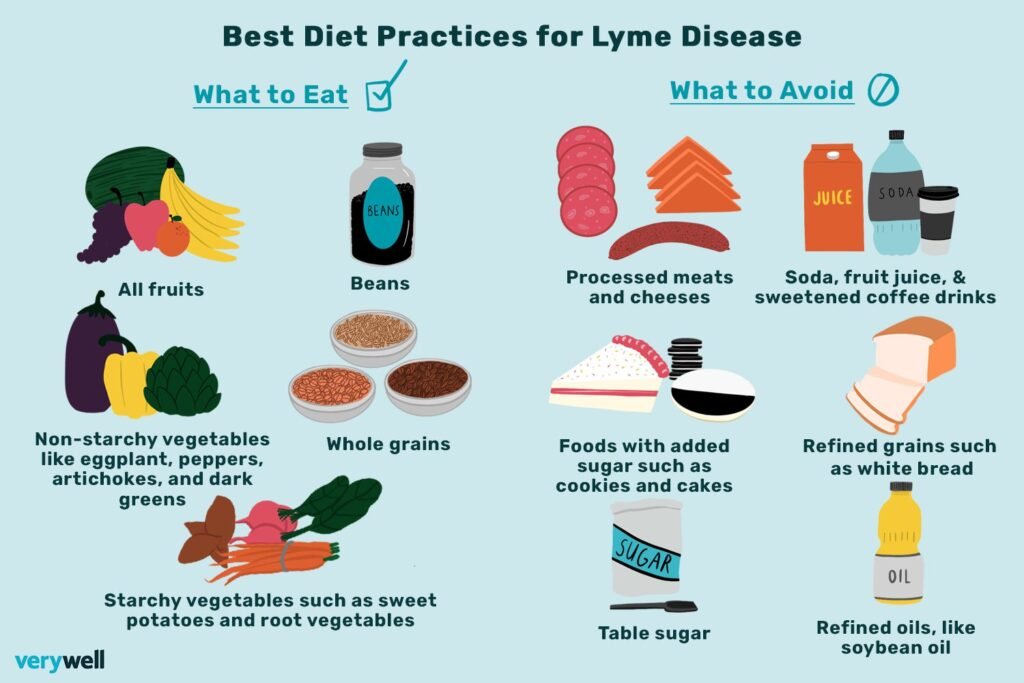
Dietary changes can play a significant role in supporting the body’s immune system and overall well-being during Lyme disease treatment. Some dietary changes that may be beneficial for individuals with Lyme disease include:
Anti-Inflammatory Diet
Following an anti-inflammatory diet can help reduce inflammation within the body. This involves consuming foods that are rich in antioxidants, such as fruits, vegetables, whole grains, and healthy fats.
Avoiding Sugar
Sugar consumption can contribute to inflammation and weaken the immune system. Avoiding or minimizing sugary foods and beverages can support the body’s natural healing processes.
Increasing Antioxidant Intake
Antioxidants help protect the body from oxidative stress and inflammation. Including foods high in antioxidants, such as berries, leafy greens, nuts, and seeds, can support the immune system.
Probiotics
Probiotics play a crucial role in promoting a healthy gut microbiome and supporting the immune system. Including probiotic-rich foods such as yogurt, kefir, sauerkraut, and kimchi can be beneficial.
Gluten-Free Diet
Some individuals with Lyme disease may have gluten sensitivities that can exacerbate symptoms. Following a gluten-free diet, which eliminates wheat, barley, and rye, may help alleviate gastrointestinal issues.
Avoiding Processed Foods
Processed foods often contain additives and preservatives that can contribute to inflammation and weaken the immune system. Opting for whole, unprocessed foods can support overall health during Lyme disease treatment.
Other Natural Therapies
In addition to herbs, supplements, essential oils, and dietary changes, there are several other natural therapies that can aid in the management of Lyme disease symptoms and support recovery. These therapies include:
Acupuncture
Acupuncture is a traditional Chinese medicine practice that involves the insertion of thin needles into specific points on the body. It may help alleviate pain, reduce inflammation, and support overall well-being.
Hyperthermia
Hyperthermia involves exposing the body to high temperatures, either locally or systemically. It has been used as an alternative therapy for Lyme disease to help kill bacteria and support the body’s natural healing response.
Oxygen Therapy
Oxygen therapy, such as hyperbaric oxygen therapy, involves breathing in pure oxygen in a pressurized chamber. It may aid in reducing inflammation, promoting tissue repair, and enhancing the immune system.
Rife Therapy
Rife therapy uses electromagnetic frequencies to target and kill bacteria or parasites in the body. It is sometimes used as a complementary approach in the management of Lyme disease.
Exercise and Rest
Regular exercise, suitable for the individual’s condition and energy levels, can help improve circulation, alleviate joint stiffness, and support overall well-being. Rest and sufficient sleep are also essential for the body’s healing process.
Prevention Measures
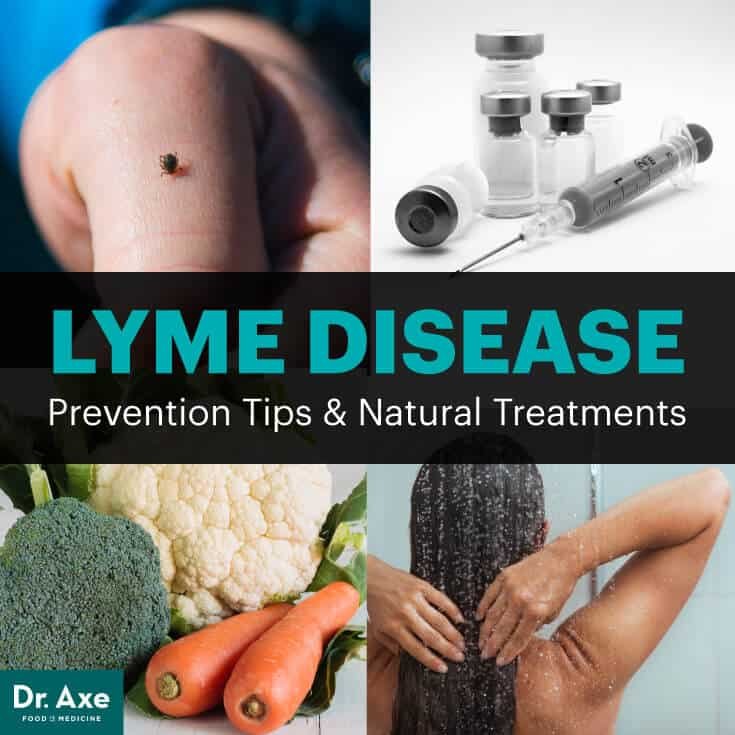
Preventing Lyme disease is crucial, as it can be a challenging illness to treat. Taking appropriate preventive measures can greatly reduce the risk of tick bites and subsequent infection. Some effective prevention measures include:
Tick Bite Prevention
When spending time in areas where ticks are prevalent, it is important to take precautions such as wearing long sleeves and pants, tucking pants into socks, and using insect repellents.
Proper Tick Removal
If a tick is found attached to the skin, it is important to remove it promptly and properly to minimize the risk of infection. Using fine-tipped tweezers, grasp the tick close to the skin and pull gently but firmly upward.
Tick Repellents
Applying insect repellents containing DEET or permethrin to exposed skin and clothing can help deter ticks from biting.
Protective Clothing
Wearing light-colored clothing, preferably with long sleeves and pants, can make it easier to spot ticks. Tucking pants into socks and wearing closed-toe shoes can further reduce the risk of tick bites.
Checking for Ticks
Performing regular tick checks after spending time outdoors, particularly in wooded or grassy areas, can help identify and remove ticks before they have a chance to transmit Lyme disease.
Keeping Yard Tick-Free
Keeping the yard well-maintained by mowing the grass regularly and removing leaf litter can help minimize tick populations and reduce the risk of exposure.
Supporting Immune System
Maintaining a healthy immune system is crucial in preventing and fighting off infections, including Lyme disease. This can be achieved by adopting a healthy lifestyle, exercising regularly, eating a balanced diet, managing stress, and getting adequate sleep.
Potential Benefits and Risks
Natural remedies for Lyme disease can offer various benefits when used properly and under the guidance of a healthcare professional. These benefits may include reduced inflammation, enhanced immune response, improved symptom management, and overall well-being. However, it is important to be aware of potential risks and contraindications associated with natural remedies.
Benefits of Natural Remedies
Natural remedies, such as herbs, supplements, essential oils, and dietary changes, can provide complementary support to traditional treatment. They may help alleviate symptoms and enhance overall recovery by targeting inflammation, supporting the immune system, and promoting wellness.
Risks and Contraindications
While natural remedies can be beneficial, they are not without risks. Some herbs, supplements, or essential oils may interact with medications or have adverse effects in certain individuals. It is important to consult with a healthcare professional before starting any natural remedies, especially if you have pre-existing conditions or are taking medications.
Consulting with a Healthcare Professional
When considering natural remedies for Lyme disease, it is crucial to seek professional advice from a healthcare provider who is knowledgeable about Lyme disease and integrative approaches. Consulting with a healthcare professional can help ensure the safe and effective use of natural remedies, proper integration with traditional treatment, and regular monitoring of progress.
Importance of Professional Advice
A healthcare professional experienced in Lyme disease can assess your individual condition, guide you in selecting appropriate natural remedies, and provide personalized recommendations based on your specific needs. They can also help identify any potential contraindications or interactions with medications.
Integration of Natural Remedies
A healthcare professional can help you integrate natural remedies into your treatment plan safely and effectively. They can provide guidance on dosing, timing, and potential interactions with medications or other herbs. They can also monitor your progress and make any necessary adjustments to your treatment regimen.
Monitoring Progress
Regular monitoring of progress is essential to ensure that the chosen natural remedies are effective and well-tolerated. A healthcare professional can help track your symptoms, assess the impact of natural remedies, and make any necessary modifications to optimize your overall treatment plan.
In conclusion, Lyme disease is a complex condition that requires an integrative approach to address its symptoms and support recovery. While traditional treatment with antibiotics remains the primary approach, natural remedies such as herbs, supplements, essential oils, and dietary changes can offer valuable complementary support. It is important to consult with a healthcare professional experienced in Lyme disease to ensure safe and effective use of natural remedies, proper integration with traditional treatment, and ongoing monitoring of progress. By taking a holistic approach and implementing preventive measures, individuals can optimize their health and well-being while managing Lyme disease.
Related Terms About Natural Remedy For Lyme Disease.
How To Cure Lyme Disease, How To Treat Lyme Disease, Medicine For Lyme Disease In Dogs, Medicine For Lyme Disease In Humans, Private Treatment For Lyme Disease UK, Standard Treatment For Lyme Disease, Treat Lyme Disease Early, Treat Lyme Disease With Antibiotics, Treating Lyme Disease With Augmentin, Treatment For Lyme Autoimmune Disease, Treatment For Lyme Disease After Antibiotics