
Hey there! Dealing with pesky pimples can be a real hassle, but fret not! We’ve got an awesome natural remedy that can help you bid farewell to those blemishes. In this article, we’ll explore a fantastic solution that tackles pimples in a gentle yet effective way. Say goodbye to harsh chemicals and expensive treatments, and say hello to a more natural and affordable approach to clearer skin. So, let’s dive right in and discover the secrets of this amazing natural remedy for pimples!
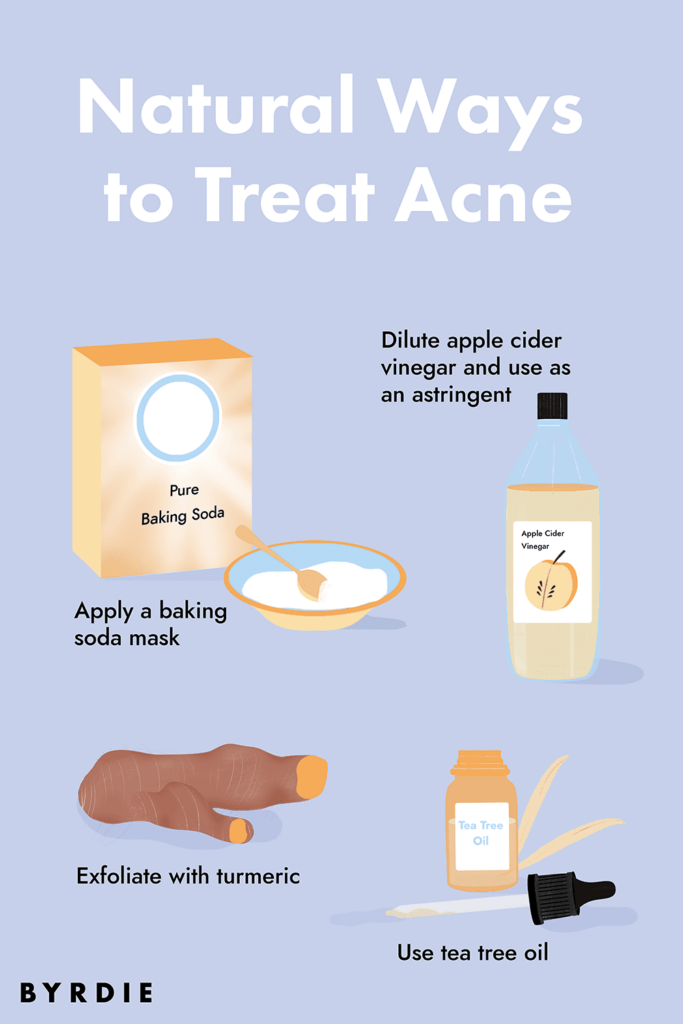
1. Causes of Pimples
1.1 Hormonal Imbalance
Pimples are often the result of hormonal imbalances in the body. During puberty, the body goes through significant changes, leading to an increase in androgen hormone production. This hormonal surge stimulates the oil glands to produce more sebum, which can clog the pores and lead to the formation of pimples.
1.2 Excessive Oil Production
Excess sebum production is another common cause of pimples. When the oil glands produce too much sebum, it can mix with dead skin cells and bacteria on the skin’s surface, leading to clogged pores and the formation of pimples.
1.3 Bacterial Infection
Pimples can also be caused by bacterial infections, primarily when the bacterium called Propionibacterium acnes proliferates on the skin. This bacterium is naturally present on the skin, but when it multiplies excessively, it can lead to inflammation and the formation of pimples.
1.4 Clogged Pores
Clogged pores occur when excess sebum, dead skin cells, and debris accumulate within the hair follicles. This accumulation blocks the pores and creates an ideal environment for the growth of bacteria. As a result, pimples can form, causing redness, swelling, and discomfort.
1.5 Diet and Lifestyle
Your diet and lifestyle choices can also contribute to the development of pimples. Consuming a diet high in processed foods, sugary snacks, and dairy products can increase inflammation in the body, leading to breakouts. Additionally, factors like stress, lack of sleep, and improper skincare can further exacerbate the occurrence of pimples.
2. Importance of Natural Remedies
2.1 Avoiding Harsh Chemicals
Natural remedies for pimples are often preferred over commercial products because they avoid the use of harsh chemicals. Many over-the-counter acne treatments contain ingredients like benzoyl peroxide and salicylic acid, which can cause dryness, irritation, and redness. Natural remedies, on the other hand, harness the power of natural ingredients to provide gentler and more nourishing solutions for your skin.
2.2 Gentle and Nourishing
Natural remedies are known for being gentle on the skin. They work by balancing the skin’s natural oil production and promoting overall skin health, rather than drying out the skin excessively. Natural ingredients like aloe vera and honey have soothing and hydrating properties, making them ideal for calming irritated skin and promoting healing.
2.3 Cost-Effective
Purchasing commercial acne treatments can often be expensive, especially when used regularly. Natural remedies, on the other hand, are often more affordable and accessible. Many natural ingredients can be found in your kitchen pantry or easily purchased at an affordable price. This makes natural remedies a cost-effective option for dealing with pimples.
2.4 Long-Term Benefits
One of the key advantages of using natural remedies to treat pimples is the potential for long-term benefits. While commercial products may provide temporary relief, they often fail to address the underlying causes of pimples. Natural remedies, however, can help regulate oil production, reduce inflammation, and nourish the skin, leading to long-term improvement in overall skin health.
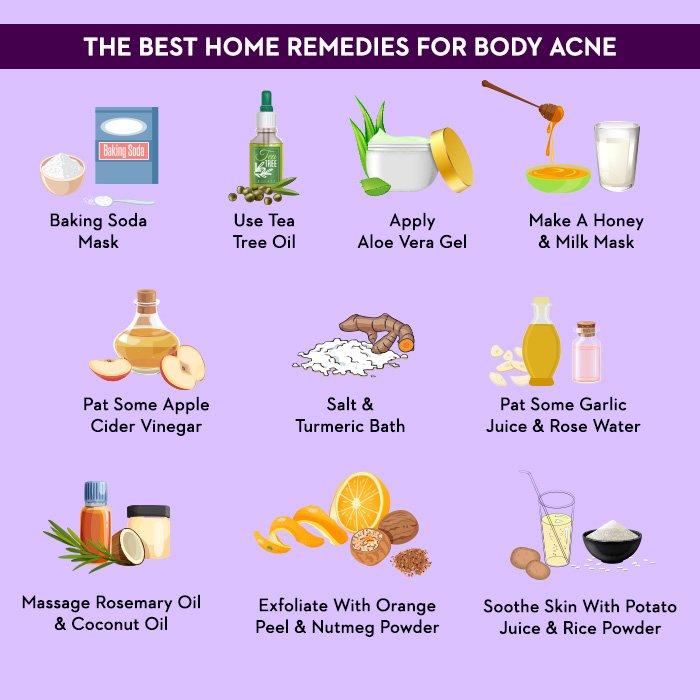
3. Common Natural Remedies
3.1 Tea Tree Oil
Tea tree oil is a popular natural remedy for pimples due to its potent antimicrobial properties. It can effectively kill the bacteria that contribute to the formation of pimples. Additionally, tea tree oil has anti-inflammatory properties that can reduce redness and swelling associated with pimples. Its natural acne-fighting properties make it an excellent addition to your skincare routine.
3.2 Aloe Vera
Aloe vera is well-known for its soothing and healing effects on the skin. It has anti-inflammatory properties that can reduce redness and irritation caused by pimples. Additionally, aloe vera helps promote the regeneration of skin cells and speeds up the healing process. Its moisturizing properties also prevent the skin from drying out, making it an excellent choice for individuals with dry or sensitive skin.
3.3 Honey
Honey has been used for centuries as a natural remedy for various skin conditions, including pimples. It has antibacterial and antiseptic properties that can inhibit the growth of acne-causing bacteria. Honey also moisturizes and soothes the skin, reducing redness and inflammation. Using honey as a face mask or spot treatment can help calm existing pimples and prevent new ones from forming.
3.4 Green Tea
Green tea is not only a refreshing beverage but also a beneficial natural remedy for pimples. It contains antioxidants that help fight inflammation and reduce the production of sebum, preventing clogged pores. Additionally, green tea has antibacterial properties that can help eliminate acne-causing bacteria. Using green tea as a toner or incorporating it into DIY face masks can contribute to clearer and healthier skin.
3.5 Turmeric
Turmeric is a spice commonly used in cooking, but it also offers numerous benefits for the skin. It has anti-inflammatory properties that can help reduce swelling and redness associated with pimples. Turmeric also brightens the skin and promotes a more even skin tone. Incorporating turmeric into homemade face masks can provide a natural and effective solution for dealing with pimples.
4. Tea Tree Oil
4.1 Antimicrobial Properties
Tea tree oil is renowned for its powerful antimicrobial properties. It contains compounds such as terpinen-4-ol that effectively kill acne-causing bacteria and inhibit their growth. By eliminating these bacteria, tea tree oil helps reduce the risk of pimple formation and promotes clearer skin.
4.2 Reduces Inflammation
In addition to its antimicrobial properties, tea tree oil also has anti-inflammatory effects. It helps calm the skin and reduces redness, swelling, and discomfort associated with pimples. By diminishing inflammation, tea tree oil assists in the healing process and prevents the formation of acne scars.
4.3 How to Use
To use tea tree oil as a natural remedy for pimples, start by diluting it with a carrier oil, such as jojoba oil or coconut oil. Mix a few drops of tea tree oil with a tablespoon of the carrier oil and apply it to the affected areas using a clean cotton pad or your fingertips. Allow it to sit for a few hours or overnight before rinsing it off. You can repeat this process daily until the pimples improve.
5. Aloe Vera
5.1 Soothing and Healing Effects
Aloe vera is a versatile plant that offers soothing and healing effects for the skin. It contains compounds such as polysaccharides and glycoproteins that promote skin regeneration and repair. By applying aloe vera to pimples, you can calm the skin and speed up the healing process.
5.2 Reduces Redness
One of the noticeable benefits of using aloe vera on pimples is its ability to reduce redness and inflammation. The gel-like consistency of aloe vera forms a protective barrier over the skin, preventing further irritation and redness. Regular application of aloe vera can result in a more even complexion and visibly reduced redness.
5.3 Application Methods
Aloe vera can be applied directly to the affected areas by cutting open a fresh aloe vera leaf and extracting the gel. Gently massage the gel onto the pimples and leave it on for 20-30 minutes before rinsing it off. Alternatively, you can use store-bought aloe vera gel, ensuring it is made with pure aloe vera and does not contain added chemicals or fragrances.
6. Honey
6.1 Antibacterial and Antiseptic Properties
Honey has been used for centuries for its antibacterial and antiseptic properties. It contains natural enzymes that can kill bacteria and prevent infections. When applied to pimples, honey can help eliminate acne-causing bacteria, reducing the risk of further breakouts.
6.2 Moisturizes and Soothes Skin
Honey is an excellent natural moisturizer that helps retain moisture in the skin, preventing dryness and flakiness. Its sticky consistency also creates a protective barrier, sealing in moisture and allowing the skin to heal. Moreover, honey has soothing properties that can reduce inflammation and relieve any discomfort caused by pimples.
6.3 Homemade Honey Face Masks
To enjoy the benefits of honey for pimples, you can create homemade honey face masks. Combine raw honey with ingredients like yogurt, lemon juice, or turmeric to create a paste. Apply the mixture to clean the skin and leave it on for 15-20 minutes before rinsing it off with lukewarm water. Regular use of honey face masks can result in smoother, clearer, and more hydrated skin.
7. Green Tea
7.1 Antioxidant Effects
Green tea is rich in antioxidants, particularly catechins, which can help fight inflammation and neutralize free radicals in the skin. By reducing inflammation, green tea contributes to healthier skin and prevents the formation of pimples. Its antioxidant properties also help protect the skin from oxidative damage caused by environmental factors.
7.2 Controls Oil Production
One of the main causes of pimples is excessive oil production. Green tea contains compounds that can regulate sebum production, preventing the pores from becoming clogged and reducing the risk of pimples. By controlling oil production, green tea helps maintain a balanced and healthy complexion.
7.3 DIY Green Tea Toner
You can create a simple DIY green tea toner by steeping a green tea bag in hot water for a few minutes. Allow the tea to cool, then transfer it to a spray bottle. After cleansing your face, spritz the green tea toner onto your skin or apply it with a cotton pad. It can be used twice daily as part of your skincare routine to help control oil production and keep your skin clear.
8. Turmeric
8.1 Anti-inflammatory Benefits
Turmeric contains a bioactive compound called curcumin, which has potent anti-inflammatory properties. It can help reduce redness, swelling, and irritation associated with pimples. Turmeric’s anti-inflammatory benefits promote faster healing and prevent the formation of scars.
8.2 Brightens Skin
In addition to its anti-inflammatory effects, turmeric can also brighten the skin and improve its overall appearance. It helps reduce hyperpigmentation, evens out the skin tone, and gives the complexion a healthy glow. Incorporating turmeric into your skincare routine can result in a more radiant and even complexion.
8.3 Turmeric Face Mask Recipes
You can create turmeric face masks by combining turmeric powder with other natural ingredients like yogurt, honey, or lemon juice. Mix the ingredients until you achieve a paste-like consistency and apply it to clean skin. Leave the mask on for 15-20 minutes before rinsing it off. Regular use of turmeric face masks can provide visible improvements in the appearance of pimples and the overall health of your skin.
9. Lifestyle Changes for Preventing Pimples
9.1 Proper Skincare Routine
Establishing a proper skincare routine is crucial for preventing pimples. It involves cleansing your face twice daily with a gentle cleanser, exfoliating regularly to remove dead skin cells, and moisturizing to keep the skin hydrated. Additionally, incorporating natural remedies like tea tree oil, aloe vera, honey, green tea, or turmeric can provide added benefits for preventing pimples and maintaining clear skin.
9.2 Healthy Diet
A healthy diet plays a significant role in maintaining clear and healthy skin. Incorporate foods rich in antioxidants, such as fruits, vegetables, and whole grains, into your diet to reduce inflammation. Avoid sugary foods, processed snacks, and dairy products, as they can contribute to increased sebum production and inflammation in the body.
9.3 Regular Exercise
Engaging in regular physical activity not only benefits your overall health but can also help prevent pimples. Exercise increases blood flow to the skin, promotes the elimination of toxins, and reduces stress levels, all of which contribute to healthier and clearer skin. Aim for at least 30 minutes of moderate exercise most days of the week.
9.4 Adequate Sleep
Getting enough sleep is essential for your skin’s health and overall well-being. During sleep, your body repairs and regenerates cells, including skin cells. Lack of sleep can disrupt this process and lead to increased inflammation and breakouts. Aim for 7-9 hours of quality sleep each night to promote clear and glowing skin.
9.5 Stress Management
Stress can have a significant impact on your skin’s health and contribute to the formation of pimples. Find healthy ways to manage stress, such as exercise, meditation, yoga, or engaging in hobbies. Taking time to relax and unwind can help regulate hormone levels and reduce the likelihood of breakouts.
10. When to Seek Professional Help
10.1 Persistent and Severe Acne
If you are experiencing persistent and severe acne that does not respond to natural remedies or over-the-counter treatments, it may be necessary to seek professional help. A dermatologist can assess your skin condition and recommend appropriate prescription medications or treatments to alleviate your acne symptoms.
10.2 Acne Scarring
Acne scars can be a common concern for individuals who have experienced severe pimples. If you are dealing with acne scarring that affects your self-confidence or the texture of your skin, consult with a dermatologist. They can provide treatment options such as laser therapy, chemical peels, or microneedling to help reduce the appearance of scars.
10.3 Emotional Distress
Pimples and acne can have a significant impact on a person’s emotional well-being and self-esteem. If your pimples are causing emotional distress or affecting your daily life, it is important to seek professional help. A dermatologist or mental health professional can provide guidance and support to help you navigate the emotional aspects of dealing with pimples.
In conclusion, pimples can be caused by hormonal imbalances, excessive oil production, bacterial infection, clogged pores, and lifestyle factors such as diet and stress. Natural remedies for pimples offer benefits such as avoiding harsh chemicals, providing gentle and nourishing solutions, being cost-effective, and offering long-term benefits. Common natural remedies include tea tree oil, aloe vera, honey, green tea, and turmeric, each with its own unique properties that contribute to clearer and healthier skin. Lifestyle changes, including a proper skincare routine, a healthy diet, regular exercise, adequate sleep, and stress management, play crucial roles in preventing pimples. However, if pimples persist, cause severe acne or scarring, or result in emotional distress, it is recommended to seek professional help from a dermatologist or mental health professional. By taking a comprehensive approach to skincare and considering natural remedies, you can effectively manage and prevent pimples for healthier, more radiant skin.
Related Terms About Natural Remedy For Pimples
Home Remedies For Eye Pimples In Malayalam, Home Remedies For Pimples After Delivery, Home Remedies For Pimples And Eczema, Home Remedies For Pimples And Glowing Skin, Home Remedies For Pimples Around Mouth, Home Remedies For Pimples Behind Ears, Home Remedies For Pimples Between Eyebrows, Home Remedies For Pimples In Private Parts, Home Remedies For Pimples Tamil, Home Remedies For Pimples That Hurt