
Imagine waking up one morning with a sore, red eye that just won’t stop watering. Your first thought might be to rush to the doctor and get a prescription for those bothersome pink eye symptoms. But what if there was a simple and natural way to soothe your discomfort? Look no further, as this article will reveal a natural remedy for pink eye that you can easily try at home. Say goodbye to the inconvenience of a doctor’s visit and hello to a quick and effective solution that will have you back to your bright-eyed self in no time.
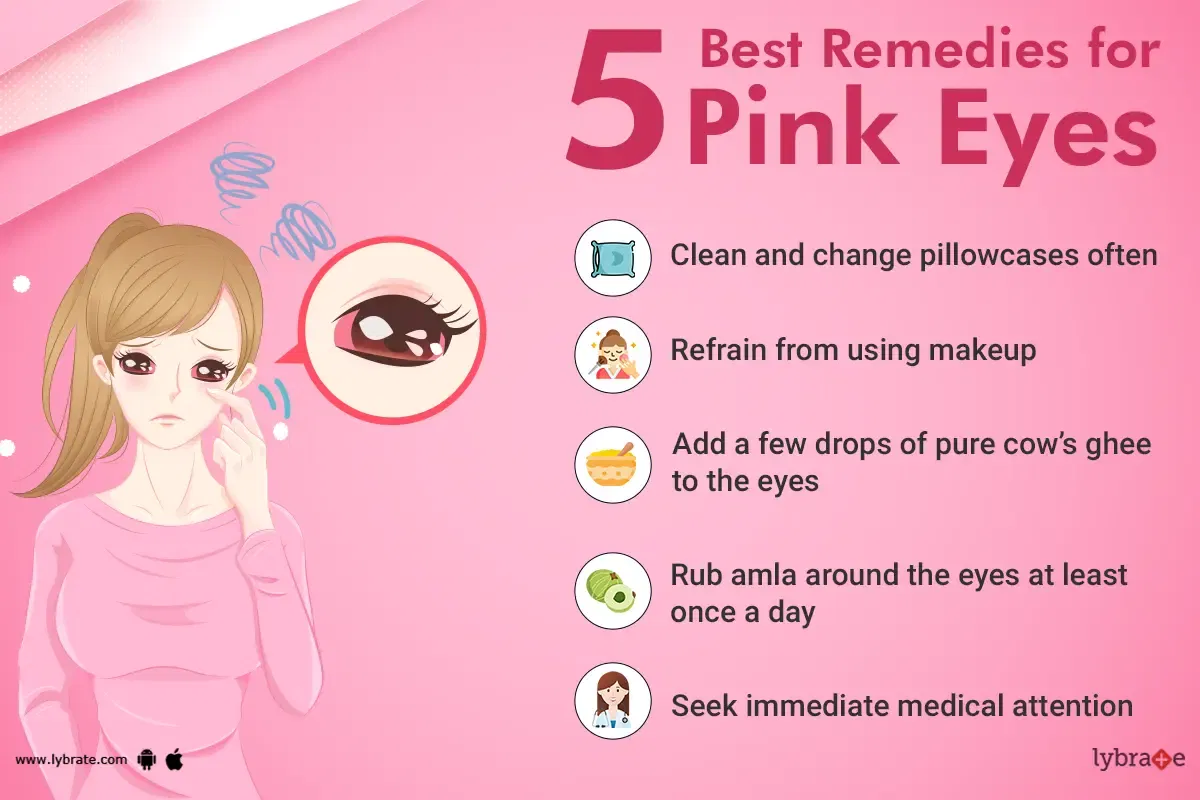
What is Pink Eye?
Pink eye, also known as conjunctivitis, is a common eye condition that causes inflammation of the conjunctiva, the thin, clear tissue that lines the white part of the eye and the inner surface of the eyelids. It can affect one or both eyes and can be caused by a variety of factors, including bacterial or viral infections, allergies, or irritants. Pink eye is highly contagious and can spread easily from person to person through direct or indirect contact.
Causes
Pink eye can be caused by various factors, including:
- Bacterial Infection: This is one of the most common causes of pink eye. Bacteria such as staphylococcus or streptococcus can enter the eye and cause an infection, leading to symptoms of pink eye.
- Viral Infection: Viruses, particularly those associated with the common cold, can also cause pink eye. Viral conjunctivitis is highly contagious and can spread easily through contact with infected individuals or contaminated surfaces.
- Allergies: Allergic conjunctivitis occurs when the conjunctiva becomes inflamed due to an allergic reaction to substances such as pollen, dust mites, pet dander, or certain medications.
- Irritants: Exposure to irritants like smoke, chemicals, or foreign objects can also cause pink eye. These irritants can lead to inflammation and redness in the eyes.
Symptoms
The symptoms of pink eye may vary depending on the cause, but common symptoms include:
- Redness in the white part of the eye
- Itching or burning sensation in the eyes
- Excessive tearing
- Discharge from the eye, which may be watery or yellowish in color
- Swelling of the eyelids
- Blurred vision or sensitivity to light
- Grittiness or the feeling of having something in your eye
It is important to note that not all cases of pink eye require medical treatment. In many cases, it can be managed at home with the right precautions and self-care measures.
Prevention and Self-Care
Maintaining good hygiene
Practicing good hygiene is crucial in preventing the spread of pink eye. Make sure to wash your hands thoroughly with soap and water before touching your eyes or applying any eye drops. Avoid sharing personal items such as towels, pillowcases, or makeup brushes to minimize the risk of contamination.
Avoiding contact with infected individuals
If someone in your household or workplace has pink eye, it is important to avoid close contact with them. Pink eye can spread easily through direct contact or by touching contaminated surfaces. Be mindful of this and take necessary precautions to prevent the spread of infection.
Using clean towels and pillows
To prevent reinfection, make sure to use clean towels, pillowcases, and washcloths. It is advisable to wash these items in hot water to kill any bacteria or viruses that may be present.
Avoiding touching or rubbing the eyes
Touching or rubbing your eyes can introduce bacteria or viruses into the eye, increasing the risk of pink eye. It is important to resist the urge to touch your eyes, especially if your hands are not clean.
Keeping hands clean
Regularly washing your hands with soap and water can help prevent the spread of pink eye. Additionally, using hand sanitizers can also be effective when soap and water are not readily available.

Natural Remedies for Pink Eye
1. Warm Compress
Applying a warm compress to the affected eye can help soothe the irritation and promote healing. Soak a clean cloth in warm water and gently place it over the closed eye for about 10 to 15 minutes. Repeat this a few times a day for relief.
2. Cold Compress
Similar to a warm compress, a cold compress can also provide relief from the symptoms of pink eye. Wrap an ice pack or a bag of frozen vegetables in a clean cloth and place it on the closed eye. This can help reduce inflammation and alleviate discomfort.
3. Eye Wash
Using a saline solution or an eye wash can help cleanse the eye and reduce the risk of infection. Follow the instructions on the product label or consult with a healthcare professional for proper usage and dosage.
4. Tea Bags
Tea bags, particularly chamomile or green tea bags, can be used as a natural remedy for pink eye. Steep the tea bags in warm water, allow them to cool, and then place them over the closed eyes for 10 to 15 minutes. The anti-inflammatory properties of tea can help reduce redness and inflammation.
5. Honey
Honey has antibacterial and anti-inflammatory properties, making it a potential natural remedy for pink eye. Mix a small amount of raw honey with warm water and use a clean dropper to apply a few drops to the affected eye. Repeat this process a few times a day.
6. Aloe Vera
Aloe vera gel contains soothing and anti-inflammatory properties that can help alleviate the symptoms of pink eye. Gently apply a small amount of pure aloe vera gel to the affected eye using a clean fingertip or a cotton swab. Avoid getting the gel directly into the eye.
7. Cucumber
Cucumber slices have cooling and hydrating properties that can provide relief from the discomfort associated with pink eye. Place chilled cucumber slices over the closed eyes for 10 to 15 minutes. This can help reduce redness and soothe the eyes.
8. Rose Water
Rose water is known for its soothing and antibacterial properties, which can make it beneficial in treating pink eye. Soak a cotton pad in rose water and gently wipe the closed eyelids. Repeat this a few times a day to relieve symptoms.
9. Turmeric
Turmeric contains curcumin, a compound known for its anti-inflammatory and antimicrobial properties. Mix a small amount of turmeric powder with warm water to create a paste. Apply the paste to the affected eye using a clean finger or a cotton swab. Leave it on for 10 minutes before rinsing off with warm water.
10. Chamomile
Chamomile tea bags can be used to create a soothing eye compress. Steep chamomile tea bags in hot water, allow them to cool, and then place them with closed eyes for 10 to 15 minutes. The chamomile’s anti-inflammatory properties can help reduce redness and promote healing.
Herbal Supplements and Essential Oils
1. Eyebright
Eyebright is an herb commonly used to treat various eye conditions, including pink eye. It has anti-inflammatory and astringent properties that may help reduce redness and relieve discomfort. Eyebright can be taken as a tea or in supplement form, following the recommended dosage.
2. Calendula
Calendula, also known as marigold, has antibacterial and anti-inflammatory properties that may be beneficial in treating pink eye. It can be used as an eye wash or applied topically as a compress.
3. Goldenseal
Goldenseal is a powerful herb with antimicrobial and anti-inflammatory properties. It can be used as an eye wash or taken orally in supplement form. However, it is important to consult with a healthcare professional before using goldenseal, as it can interact with certain medications and should not be used during pregnancy.
4. Lavender oil
Lavender oil has soothing properties that can help reduce inflammation and alleviate the symptoms of pink eye. Dilute a few drops of lavender oil with carrier oil, such as coconut oil, and gently apply to the affected area using a clean fingertip or a cotton swab.
5. Eucalyptus oil
Eucalyptus oil has antimicrobial properties that can help combat pink eye caused by bacterial infection. Dilute a few drops of eucalyptus oil with a carrier oil and apply it around the affected eye, avoiding direct contact with the eye itself. Be cautious, as eucalyptus oil may cause irritation in some individuals.
6. Chamomile oil
Chamomile oil, known for its calming and anti-inflammatory properties, can help reduce redness and irritation associated with pink eye. Dilute a few drops of chamomile oil with a carrier oil and apply it around the affected eye, avoiding direct contact with the eye.
7. Tea tree oil
Tea tree oil has strong antimicrobial properties and can be effective against certain types of pink eye caused by bacterial or fungal infections. However, it is important to dilute tea tree oil with a carrier oil and avoid direct contact with the eye.
8. Coconut oil
Coconut oil has moisturizing properties and can help relieve dryness and discomfort associated with pink eye. Gently apply a small amount of pure coconut oil around the affected eye using a clean fingertip or a cotton swab. Avoid getting the oil directly into the eye.

Dietary Support for Pink Eye
1. Vitamin C
Consuming foods rich in vitamin C can support eye health and help boost the immune system. Foods such as citrus fruits, strawberries, bell peppers, and broccoli are excellent sources of vitamin C.
2. Vitamin A
Vitamin A plays a crucial role in maintaining eye health and can help support the healing process of pink eye. Include foods like carrots, sweet potatoes, spinach, and kale in your diet, as they are rich in vitamin A.
3. Zinc
Zinc is important for immune function and can aid in the healing process of pink eye. Foods such as oysters, beef, pumpkin seeds, and legumes are good sources of zinc.
4. Omega-3 fatty acids
Omega-3 fatty acids have anti-inflammatory properties and can support overall eye health. Include sources of omega-3s like fatty fish (salmon, tuna), flaxseeds, chia seeds, and walnuts in your diet.
5. Probiotics
Probiotics are beneficial bacteria that can help support the immune system and promote overall health. Incorporate probiotic-rich foods such as yogurt, kefir, sauerkraut, and kimchi into your diet.
When to Seek Medical Attention
While many cases of pink eye can be managed at home, it is important to seek medical attention under certain circumstances:
Severe symptoms
If symptoms worsen or become severe, such as intense pain, blurred vision, or excessive discharge, it is important to consult with a healthcare professional. These symptoms may indicate a more serious underlying condition that requires medical evaluation and treatment.
No improvement with home remedies
If your symptoms do not improve within a few days or if they worsen despite trying natural remedies, it is advisable to seek medical attention. A healthcare professional can provide a proper diagnosis and prescribe appropriate medications if necessary.
Pink eye in infants
If a baby under three months old develops symptoms of pink eye, it is important to consult a healthcare professional as soon as possible. Infants have a higher risk of complications from pink eye and may require immediate medical attention.
Underlying medical conditions
If you have a pre-existing eye condition, a weakened immune system, or are currently undergoing treatment for another health condition, it is important to consult with a healthcare professional for appropriate diagnosis and treatment of pink eye.
In conclusion, pink eye can be an uncomfortable and contagious condition. However, with proper prevention measures, self-care techniques, and natural remedies, you can manage the symptoms and promote healing. Remember to maintain good hygiene, avoid contact with infected individuals, and consult with a healthcare professional if needed.

Related Terms About Natural Remedy For Pink Eye.
Any Natural Remedies For Pink Eye, Are There Natural Remedies For Pink Eye, At Home Remedies For Pink Eye In Dogs, At Home Remedies For Pink Eye In Toddlers, Home Remedies For Pink Eye Child, Home Remedies For Pink Eye In 1 Year Old, Home Remedies For Pink Eye In 8 Year Olds, Home Remedies For Pink Eye On Toddlers, Home Remedies For Pink Eye Or Stye, Home Remedies For Pink Eye Solution