
Hey there! Dealing with a pseudocyst can be quite the challenge, but don’t worry, because we’ve got some great news for you. In this article, we’re going to share a powerful natural remedy that can help you find relief from this troublesome condition. Pseudocysts can cause discomfort and disrupt your daily life, but with the help of this natural remedy, you’ll be on your way to feeling better in no time. So let’s dive right in and discover how to tackle pseudocysts the natural way!
What is a Pseudocyst?
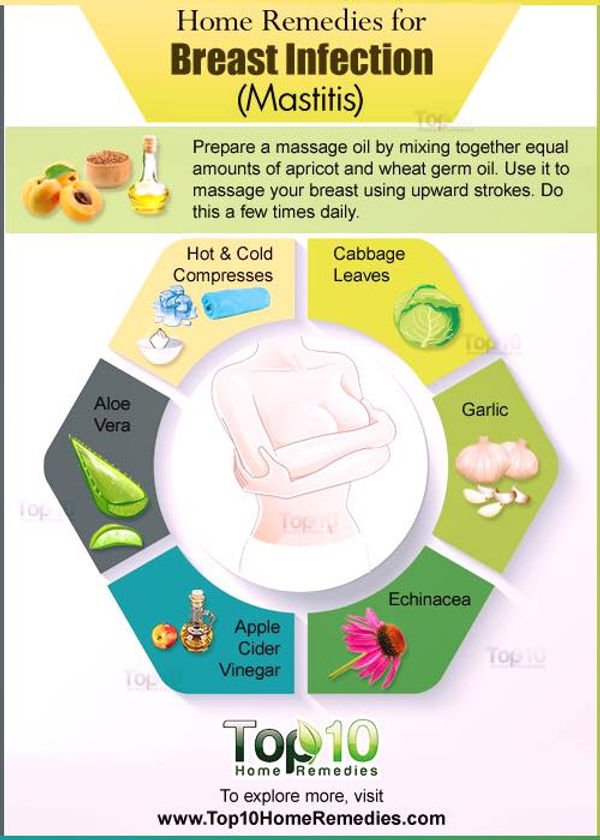
A pseudocyst is a fluid-filled sac that forms in different parts of the body, usually as a result of inflammation or injury. It typically develops after an acute episode of pancreatitis, a condition characterized by inflammation of the pancreas. Pseudocysts can also form in other organs such as the liver, kidneys, or spleen. These cysts are different from true cysts as they lack a lining of epithelial cells. Pseudocysts can vary in size and often resolve on their own over time, but they may require medical intervention or surgical procedures in some cases.
Traditional Treatments for Pseudocyst
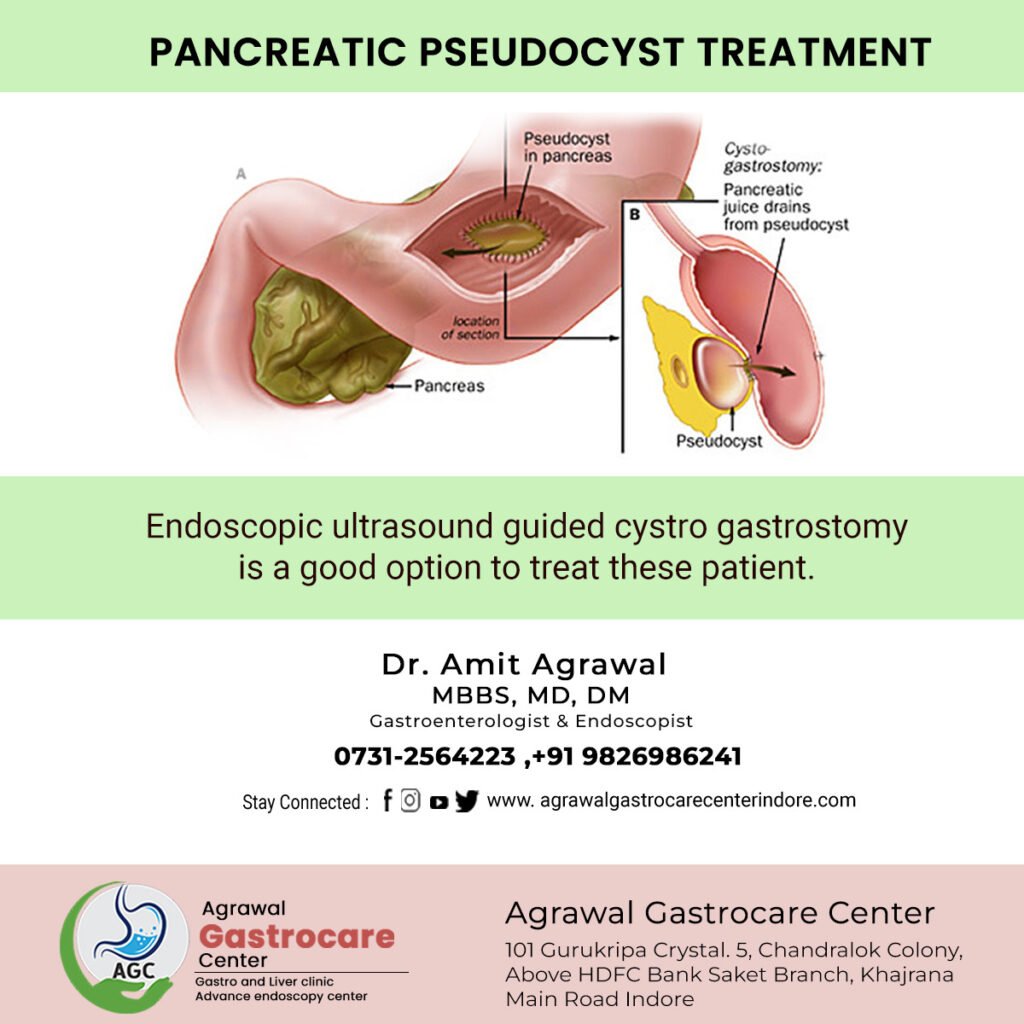
There are various treatment options available for pseudocysts, depending on their size, location, and symptoms. In many cases, medical intervention is the first line of treatment. This may involve close monitoring of the cyst through regular imaging tests and the administration of pain medication or antibiotics to manage symptoms and prevent infection. Surgical procedures may also be necessary for larger or more symptomatic cysts. This can involve draining the cyst with a needle placing a catheter to drain the fluid, or in some cases, removing the entire cyst surgically.
Natural Remedies for Pseudocyst
Alongside conventional treatments, there are also natural remedies that may help alleviate symptoms and support healing in cases of pseudocyst. These natural remedies focus on dietary changes, herbal supplements, acupuncture, lifestyle modifications, and alternative therapies to promote overall well-being.
Dietary Changes
Dietary changes play a significant role in managing pseudocysts and promoting healing. A low-fat diet is often recommended to reduce the strain on the pancreas and minimize the production of digestive enzymes that can contribute to inflammation. Avoiding alcohol is also crucial as it can worsen pancreatic inflammation and impair healing. Additionally, increasing fluid intake can help maintain hydration and support the body’s natural healing processes.
Herbal Supplements
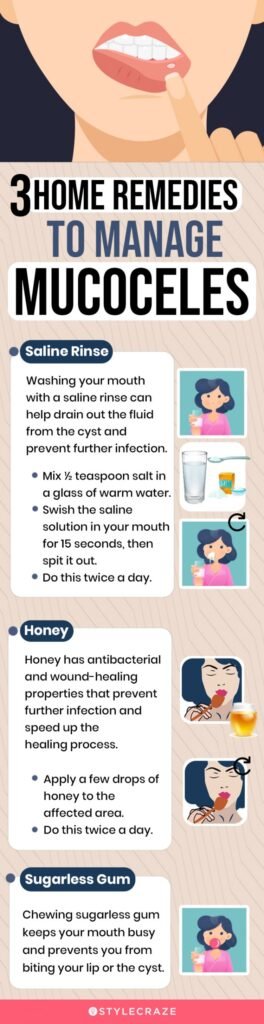
Certain herbal supplements have been studied for their potential benefits in managing pseudocysts. Bromelain, a proteolytic enzyme derived from pineapples, has shown anti-inflammatory properties and may help reduce swelling and pain associated with pseudocyst. Turmeric, known for its active compound curcumin, has also been found to possess anti-inflammatory properties and may aid in the healing process. Green tea, rich in antioxidants, may provide additional support to the body’s immune system and promote overall well-being.
Acupuncture
Acupuncture, a traditional Chinese medicine practice, involves the insertion of thin needles into specific points on the body to stimulate natural healing processes. While its efficacy in treating pseudocysts has not been extensively studied, acupuncture has shown promising results in managing pain and reducing inflammation in various conditions. By promoting blood flow and balancing the body’s energy, acupuncture may potentially support the healing of pseudocyst and alleviate associated symptoms.
Lifestyle Modifications
Making certain lifestyle modifications can positively impact the management of pseudocysts. Stress reduction techniques, such as meditation or engaging in hobbies, can help alleviate psychological stress and promote overall well-being. Regular exercise, within the limits advised by healthcare professionals, can support healthy digestion and reduce inflammation. Adequate sleep is also essential for the body’s healing processes and can aid in overall recovery.
Alternative Therapies
In addition to lifestyle modifications, alternative therapies such as yoga, meditation, and massage therapy can be beneficial for individuals with pseudocysts. Yoga involves gentle stretching and controlled breathing exercises, which can promote relaxation and relieve stress. Meditation, when practiced regularly, can calm the mind and reduce anxiety levels, supporting the body’s healing processes. Massage therapy, under the guidance of a qualified professional, can help alleviate symptoms such as pain, tension, and inflammation.

Preventive Measures
Taking preventive measures can play a crucial role in reducing the risk of pseudocyst development or recurrence. Avoiding tobacco in any form is essential, as smoking has been linked to an increased risk of pancreatic disease. Maintaining a healthy weight through a balanced diet and regular exercise can also lower the risk of pancreatitis and the subsequent development of pseudocysts. Limiting the consumption of carbonated drinks, which may irritate the pancreas, can also be beneficial in preventing the formation of pseudocysts.
Consulting a Healthcare Professional
While natural remedies can be valuable in managing pseudocysts, it is essential to consult a healthcare professional for proper diagnosis and guidance. It is crucial to seek medical advice for the appropriate treatment plan, as pseudocyst management can be complex and vary depending on individual circumstances. Additionally, it is important to discuss any herbal supplements you may consider taking, as they can potentially interact with medications prescribed for pseudocyst management. Regular monitoring of progress through imaging tests and check-ups will help ensure that the treatment plan is effective and make any necessary adjustments as needed.
Related Terms About Natural Remedy For Pseudocyst.
Can A Pseudocyst Come Back, Can A Pseudocyst Go Away On Its Own, How Long Does It Take For A Pseudocyst To Go Away, How To Remove Pancreatic Pseudocyst, Treatment For Antral Pseudocyst, Treatment For Pseudocyst Auricle, Treatment For Pseudocyst Of Pancreas, Treatment For Ruptured Pseudocyst, What Causes A Pseudocyst