
Pterygium, a common eye condition, can be a source of discomfort and annoyance. However, finding a natural remedy for it can provide relief and promote overall eye health. In this article, you will discover an effective and simple solution to treat Pterygium, allowing you to enjoy a clear and healthy vision once again.

What is Pterygium?
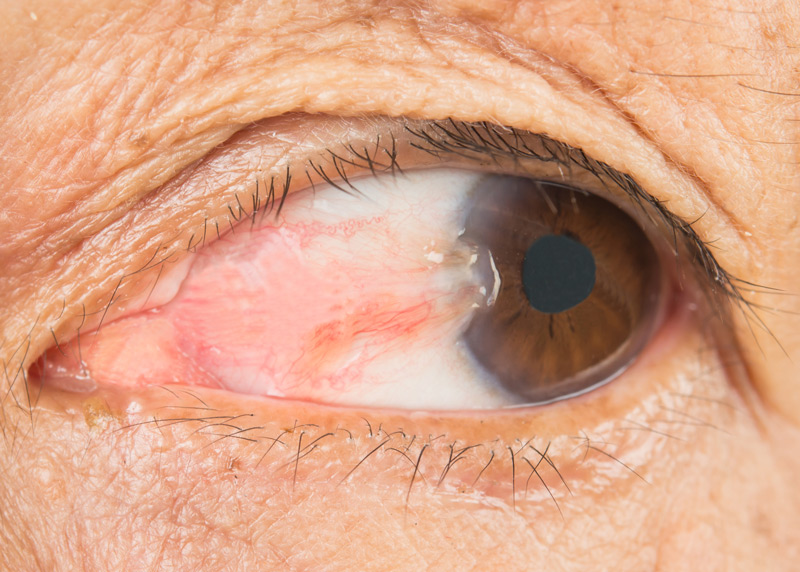
Pterygium is a non-cancerous growth that occurs on the conjunctiva, which is the clear tissue that covers the white part of your eye. It typically starts from the inner corner of the eye and extends towards the center, resembling a small raised bump on the surface of the eye. While it may not cause immediate vision problems, if the growth continues to grow and covers the cornea, it can lead to discomfort, irritation, and blurred vision.
Definition and Symptoms
Pterygium is characterized by the growth of pink, fleshy tissue on the surface of the eye. The symptoms associated with this condition include redness, irritation, a gritty sensation, and excessive tearing. In more advanced cases, the growth may cover the cornea, leading to astigmatism, blurred vision, and a decrease in visual acuity.
Causes
The exact cause of pterygium is not fully understood, but the condition is believed to be a result of excessive exposure to ultraviolet (UV) light, particularly from sunlight. Continuous exposure to UV radiation can damage the conjunctiva, causing abnormal growth. Other environmental factors, such as dust, wind, and dry climates, may also contribute to the development of pterygium.
Risk Factors
Certain factors can increase the likelihood of developing pterygium. These include spending prolonged periods in sunny or windy environments, having a history of sunburns or frequent eye irritation, being exposed to dust and pollutants, and being of Hispanic or Middle Eastern descent. It is important to note that while these factors increase the risk, anyone can develop pterygium regardless of their background or lifestyle.
Traditional Treatment Options
When it comes to treating pterygium, traditional treatment options usually aim to alleviate symptoms and prevent further growth. Treatment methods may include:
Eye Drops
Anti-inflammatory or lubricating eye drops can help relieve symptoms such as redness, irritation, and dryness. These drops can provide temporary relief but do not address the underlying cause of pterygium.
Surgery
Surgical removal of the pterygium may be necessary in cases where the growth significantly affects vision or causes discomfort. The procedure involves removing the abnormal tissue and replacing it with a graft to prevent regrowth. Surgery, however, carries risks like scarring, infection, and recurrence of the pterygium.
Steroid Medications
Steroid medications, in the form of eye drops or ointments, may be prescribed to reduce inflammation and relieve symptoms. These medications, though effective, are not a long-term solution and may have side effects with prolonged use.

Emerging Natural Remedies
In recent years, there has been growing interest in natural remedies for pterygium. While more research is needed to fully understand their effectiveness, the following natural remedies have shown promise in managing symptoms and potentially preventing further growth:
Aloe Vera
Aloe vera has been praised for its soothing and healing properties, and it may offer some relief for pterygium symptoms. Applying aloe vera gel to the affected area can help reduce inflammation and discomfort, providing a cooling sensation.
Turmeric
Turmeric, known for its anti-inflammatory properties, may help manage the symptoms of pterygium. Incorporating turmeric into your diet or taking supplements may aid in reducing inflammation and minimizing discomfort.
Green Tea
The antioxidants present in green tea have been linked to various health benefits, including reducing inflammation. Drinking green tea regularly or applying a cooled green tea bag to the affected eye may help alleviate symptoms associated with pterygium.
Lifestyle Measures
In addition to natural remedies, certain lifestyle measures can help manage pterygium and prevent its progression:
UV Protection
Since UV exposure is considered one of the primary causes of pterygium, taking preventive measures against UV radiation is essential. Wearing sunglasses with UV protection, wide-brimmed hats, and using sunscreen around the eyes can shield the eyes from harmful rays.
Eye Hygiene
Maintaining good eye hygiene can minimize irritants that may exacerbate pterygium symptoms. Washing your hands regularly, avoiding rubbing the eyes, and keeping the eye area clean can help reduce discomfort and promote healing.
Dietary Changes
Incorporating a diet rich in fruits, vegetables, and foods high in omega-3 fatty acids can benefit overall eye health. These foods, such as leafy greens, citrus fruits, fish, and nuts, contain essential nutrients that support eye health and may help prevent the development or progression of pterygium.

Homeopathic Remedies
Homeopathy offers alternative treatment options for pterygium. While individual results may vary, the following homeopathic remedies have been used to manage symptoms and potentially limit the growth of pterygium:
Cineraria Maritima Eye Drops
Cineraria maritima eye drops are commonly used in homeopathy to treat conditions affecting the eyes, including pterygium. These drops are believed to have anti-inflammatory and healing properties.
Silicea
Silicea, a homeopathic remedy derived from quartz, is often recommended for pterygium cases accompanied by scarring or slow healing. It aims to stimulate the body’s natural healing abilities and improve tissue health.
Thuja Occidentalis
Thuja occidentalis is a homeopathic remedy that may be used for pterygium cases involving recurrent growth. It is believed to have properties that help inhibit the growth and development of abnormal tissue.
Essential Oils for Pterygium
Essential oils have gained popularity in the field of natural remedies due to their various therapeutic properties. While more research is needed, the following essential oils may offer relief for pterygium symptoms:
Lavender Oil
Lavender oil is known for its calming and soothing properties. Applying diluted lavender oil around the affected eye may help reduce inflammation and alleviate discomfort.
Frankincense Oil
Frankincense oil possesses anti-inflammatory and healing properties. When diluted, it can be applied topically to the affected area to help reduce inflammation and promote healing.
Chamomile Oil
Chamomile oil is known for its anti-inflammatory and antioxidant properties. Applying diluted chamomile oil to the affected eye may help relieve redness, inflammation, and irritation associated with pterygium.

Herbal Remedies
Herbal remedies have been used for centuries to support eye health and promote healing. While scientific evidence is limited, the following herbs may offer potential benefits for managing pterygium:
Eyebright Herb
Eyebright herb has a long history of traditional use for eye conditions. It is believed to have anti-inflammatory properties and can be used as an eyewash or in the form of eye drops to soothe irritated eyes.
Calendula
Calendula, also known as marigold, is a widely used herb in herbal medicine. It is known for its anti-inflammatory and wound-healing properties. Applying calendula-infused oil around the affected eye may help reduce inflammation and relieve discomfort.
Ginkgo Biloba
Ginkgo biloba is an herb commonly used to support neurological health, but it may also have benefits for eye health. It has antioxidant and anti-inflammatory properties and is believed to improve circulation to the eyes. Taking ginkgo biloba supplements or using them in eye drops may help manage pterygium symptoms.
Vitamin and Mineral Supplements
Certain vitamins and minerals play a crucial role in maintaining eye health. While not a standalone treatment, the following supplements may be beneficial for supporting overall eye health and potentially preventing the progression of pterygium:
Vitamin C
Vitamin C is a powerful antioxidant that helps protect the eyes against damage caused by free radicals. Including vitamin C-rich foods in your diet, such as citrus fruits, berries, and leafy greens, or taking supplements, can contribute to eye health.
Vitamin E
Vitamin E is another antioxidant that helps protect the eyes from oxidative stress. Including vitamin E-rich foods like nuts, seeds, and vegetable oils in your diet or taking supplements may support overall eye health.
Zinc
Zinc is a mineral involved in various functions within the body, including eye health. Adequate zinc intake through diet or supplements may help maintain healthy eye tissues and support overall eye health.
Physical Therapy Techniques
In addition to natural remedies and supplements, certain physical therapy techniques may provide relief for pterygium symptoms:
Warm Compress
Applying a warm compress to the affected eye can help soothe irritation, reduce redness, and promote blood circulation. Simply soak a clean cloth in warm water, wring out the excess, and place it gently over the closed eye for a few minutes.
Eye Exercises
Performing regular eye exercises can help improve blood flow and reduce eye strain, which may be beneficial for managing pterygium symptoms. Simple exercises like eye rolling, focusing on near and distant objects, and blinking frequently can help alleviate discomfort.
Massage
Gently massaging the area around the eyes can help relieve tension, improve circulation, and reduce discomfort. Use your fingertips to perform light circular motions around the eye socket, moving from the inner to the outer corner of the eye.
Preventive Measures
Taking preventive measures can help reduce the risk of developing pterygium or prevent its recurrence after treatment. The following measures can promote overall eye health and minimize the likelihood of pterygium:
Regular Eye Exams
Regular comprehensive eye exams can help detect early signs of pterygium or other eye conditions. Early detection and prompt treatment can prevent the progression of pterygium and maintain good vision.
Proper Rest and Sleep
Adequate rest and quality sleep are crucial for maintaining overall health, including eye health. Getting enough sleep allows your eyes to rest and repair, reducing the risk of eye conditions like pterygium.
Avoidance of Irritants
Avoiding irritants such as dust, smoke, and strong chemicals can help minimize eye irritation and reduce the risk of pterygium development. Wearing protective eyewear when performing tasks that expose the eyes to potential irritants can provide added protection.
While natural remedies, lifestyle measures, and preventive measures offer potential benefits for managing pterygium, it is crucial to consult with a healthcare professional before trying any new treatment or making significant changes to your lifestyle. They can provide individualized guidance based on your specific condition and medical history. Remember, each case of pterygium is unique, and what works for one person may not work for another.
Related Terms About Natural Remedy For Pterygium.
Home Remedies For Pterygium, Home Remedy For Pterygium Eye, How To Heal A Pterygium Naturally, Natural Home Remedies For Pterygium, Natural Remedy For Pterygium, Natural Ways To Get Rid Of Pterygium