
If you’ve ever experienced the frustrating and disruptive symptoms of Restless Legs Syndrome (RLS), you’re not alone. Countless individuals suffer from the uncomfortable sensations that make it nearly impossible to relax and fall asleep. But fear not! In this article, you will discover a natural remedy that could be your key to peaceful nights and restful legs. Say goodbye to the constant urge to move and embrace the tranquility that awaits you. Let’s explore this simple yet effective solution that has the potential to change your life.
Understanding Restless Legs Syndrome
Restless Legs Syndrome (RLS) is a neurological condition characterized by uncomfortable sensations in the legs, leading to an irresistible urge to move them. This condition can significantly affect your quality of life, interfering with sleep and daily activities. Fortunately, there are various lifestyle changes, dietary approaches, herbal remedies, vitamins and supplements, therapeutic techniques, and stress-reduction techniques that can help manage and relieve the symptoms of Restless Legs Syndrome.
What is Restless Legs Syndrome?
Restless Legs Syndrome, also known as Willis-Ekbom Disease, is a common neurological disorder that affects the sensory-motor system. People with RLS experience unpleasant sensations in their legs, such as creeping, crawling, tingling, itching, or burning. These sensations typically occur when the person is at rest, especially during the evening or nighttime hours, and are temporarily relieved by movement. RLS affects both genders, although it is more prevalent in women and tends to worsen with age.
Causes of Restless Legs Syndrome
The exact cause of Restless Legs Syndrome is still unknown, but researchers believe that it may be due to a combination of genetic and environmental factors. Some individuals may have a family history of RLS, indicating a genetic predisposition. Additionally, certain medical conditions such as iron deficiency, kidney failure, pregnancy, diabetes, and peripheral neuropathy have been linked to the development or exacerbation of RLS. Medications like antipsychotics, antidepressants, and antihistamines may also trigger or worsen RLS symptoms.
Symptoms of Restless Legs Syndrome
The primary symptom of Restless Legs Syndrome is an irresistible urge to move the legs. This sensation is accompanied by uncomfortable feelings in the legs, which are often described as crawling, itching, creeping, pulling, or tingling. These symptoms typically worsen during periods of inactivity and are most severe during the evening or nighttime hours when you are trying to relax or sleep. Moving the legs, walking, or stretching can provide temporary relief. Some individuals with RLS may also experience periodic limb movements during sleep, which can cause further sleep disruption.
Lifestyle Changes for Managing Restless Legs Syndrome
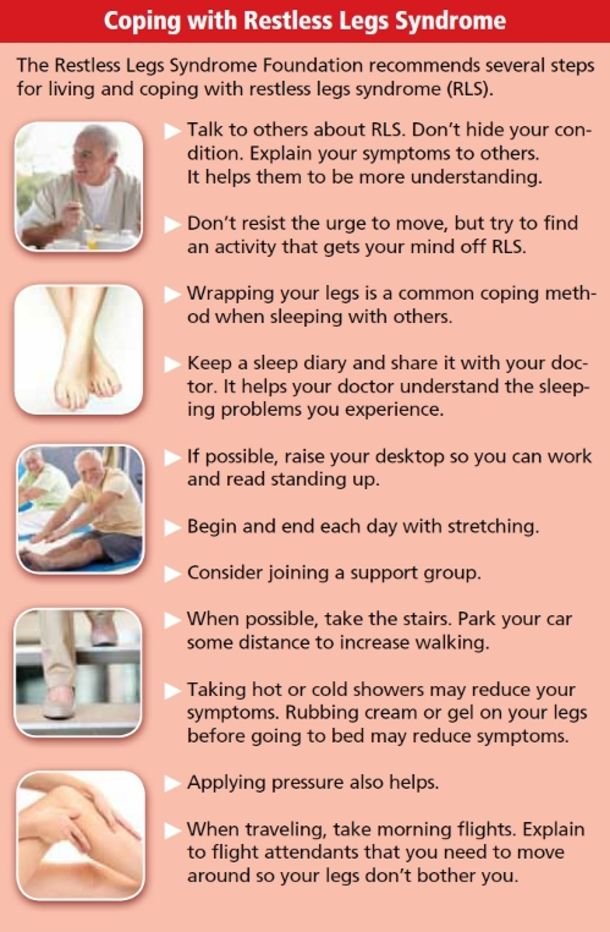
While there is no cure for Restless Legs Syndrome, certain lifestyle changes can help manage and alleviate symptoms. Incorporating these changes into your daily routine can greatly improve your quality of life.
Maintaining a Regular Sleep Schedule
Establishing a consistent sleep schedule is of utmost importance when managing Restless Legs Syndrome. Aim for seven to nine hours of quality sleep every night and set a fixed bedtime and wake-up time. Creating a calm and comfortable sleep environment, free from distractions, can also promote better sleep. Avoid stimulating activities close to bedtime and consider practicing relaxation techniques, such as deep breathing or progressive muscle relaxation, to help you wind down before sleep.
Regular Exercise and Stretching
Engaging in regular exercise and stretching can provide significant relief for individuals with Restless Legs Syndrome. Physical activity helps improve blood flow and circulation, reducing the frequency and severity of RLS symptoms. Focus on low-impact exercises such as walking, swimming, yoga, or biking. Additionally, stretching and gentle leg exercises can help alleviate muscle tension and promote relaxation.
Avoiding Stimulants and Alcohol
Stimulants, such as caffeine and nicotine, can worsen Restless Legs Syndrome symptoms. It is advisable to limit or avoid the consumption of caffeinated beverages, such as coffee, tea, and soda. Additionally, alcohol intake should be moderated or avoided, as it can disrupt sleep patterns and exacerbate RLS symptoms.
Practicing Stress-Reduction Techniques
Stress can intensify Restless Legs Syndrome symptoms, so incorporating stress-reduction techniques into your daily routine is crucial. Experiment with different methods, such as deep breathing exercises, progressive muscle relaxation, meditation, or mindfulness. These techniques can help calm both your mind and body, reducing anxiety and promoting overall well-being.

Dietary Approaches to Relieve Restless Legs Syndrome
Making certain dietary changes can complement the management of Restless Legs Syndrome and provide relief from uncomfortable sensations. Consider incorporating the following dietary approaches into your daily routine.
Increasing Iron Intake
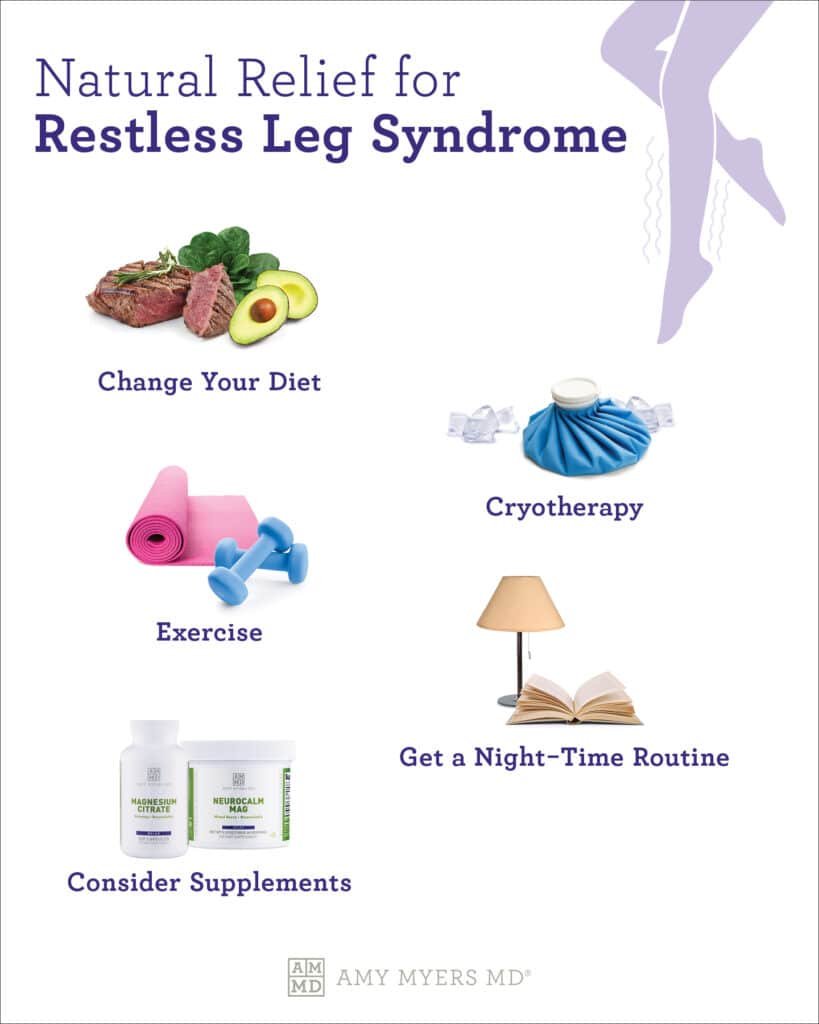
Iron deficiency has been linked to Restless Legs Syndrome. Boosting your iron intake through diet or supplements can help alleviate symptoms. Include iron-rich foods in your diet, such as red meat, poultry, fish, leafy greens, beans, and fortified cereals. It is advisable to consult with a healthcare professional before starting iron supplements to determine the appropriate dosage for your specific needs.
Including Magnesium-Rich Foods
Magnesium is involved in muscle relaxation and can contribute to reducing Restless Legs Syndrome symptoms. Incorporate magnesium-rich foods into your diet, such as dark leafy greens, nuts, seeds, legumes, and whole grains. If necessary, supplements can provide additional magnesium, but it is important to consult with a healthcare professional for proper dosage and guidance.
Consuming Vitamin B12
Vitamin B12 plays a crucial role in the maintenance of a healthy nervous system. Some studies suggest that vitamin B12 deficiency may contribute to Restless Legs Syndrome symptoms. Ensure an adequate intake of vitamin B12 by consuming animal products like meat, fish, eggs, and dairy. If you follow a plant-based diet, consider fortified plant-based alternatives or consult with a healthcare professional regarding supplementation.
Adding Folate-Rich Foods to the Diet
Folate, or vitamin B9, is essential for nerve function and reducing inflammation. Foods rich in folate include leafy green vegetables, citrus fruits, legumes, and fortified cereals. A well-balanced diet that includes these folate-rich foods can help manage Restless Legs Syndrome symptoms.
Avoiding Trigger Foods
In some cases, certain foods and beverages can trigger or worsen Restless Legs Syndrome symptoms. Pay attention to your body’s reaction to certain substances and consider eliminating or reducing the consumption of trigger foods, such as processed foods, refined sugars, and excessive sodium. It is essential to maintain a healthy and balanced diet, providing your body with the nutrients it needs for optimal functioning.
Herbal Remedies for Restless Legs Syndrome
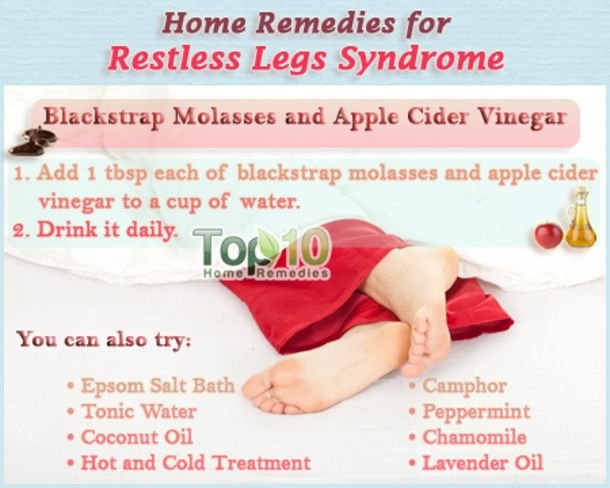
In addition to lifestyle changes and dietary approaches, herbal remedies can offer natural relief for Restless Legs Syndrome symptoms. Consider incorporating the following herbs into your routine, but remember to consult with a healthcare professional before starting any herbal remedies.
Valerian Root
Valerian root is a popular herbal remedy known for its sedative effects and ability to promote relaxation and sleep. Its calming properties can be helpful for individuals with Restless Legs Syndrome, especially before bedtime. Valerian root can be consumed as a tea or taken in supplement form, following the recommended dosage.
Passionflower
Passionflower is another herb that supports relaxation and helps reduce anxiety. It is commonly used to improve sleep quality and relieve Restless Legs Syndrome symptoms. Passionflower can be consumed as a tea or taken in capsule form, but it is important to consult with a healthcare professional to determine the appropriate dosage.
Chamomile
Chamomile is a gentle herb with calming and anti-inflammatory properties. It can help relax your nervous system and promote restful sleep, making it beneficial for individuals with Restless Legs Syndrome. Enjoy a cup of chamomile tea before bed or consider using chamomile essential oil during massage or aromatherapy.
Lavender
Lavender is renowned for its soothing and relaxing properties. It can help reduce anxiety, improve sleep quality, and alleviate Restless Legs Syndrome symptoms. Add a few drops of lavender essential oil to a warm bath, use it in a diffuser, or apply diluted lavender oil during massage to experience its calming effects.
Kava
Kava is a root native to the South Pacific known for its calming and sedative properties. It can help reduce anxiety and promote better sleep quality. Kava supplements or tea can provide relief from Restless Legs Syndrome symptoms, but it is important to consult with a healthcare professional before use.
Vitamins and Supplements for Restless Legs Syndrome
Certain vitamins and supplements can complement lifestyle changes and dietary approaches in managing Restless Legs Syndrome symptoms. However, it is crucial to consult with a healthcare professional before starting any new supplements to ensure proper dosage and safety.
Iron Supplements
Iron supplements may be recommended for individuals with Restless Legs Syndrome, especially those with iron deficiency. It is important to undergo blood tests to determine iron levels before starting supplements, as too much iron can be harmful. Healthcare professionals can guide you on the appropriate dosage and monitor your progress.
Magnesium Supplements
Magnesium supplements can help relax muscles and alleviate the discomfort associated with Restless Legs Syndrome. Magnesium citrate, glycinate, or oxide are commonly used forms. It is crucial to consult with a healthcare professional to determine the suitable dosage for your specific needs.
Vitamin D Supplements
Vitamin D deficiency has been associated with an increased risk of Restless Legs Syndrome. Ensuring adequate sun exposure and incorporating vitamin D-rich foods, such as fatty fish, fortified dairy products, or mushrooms, can help. In cases of deficiency, healthcare professionals may recommend vitamin D supplements.
Folate Supplements
Folate supplements can be beneficial for individuals with Restless Legs Syndrome, especially those with folate deficiency. However, it is necessary to consult with a healthcare professional to determine the appropriate dosage and to monitor your folate levels.
Massage and Therapeutic Techniques
Massage and various therapeutic techniques can help relax the muscles, increase blood flow, and alleviate Restless Legs Syndrome symptoms. Consider incorporating the following techniques into your routine, but remember to consult with a trained professional for proper guidance.
Restless Legs Syndrome Massage
A specialized massage technique focused on the legs and feet can provide relief from Restless Legs Syndrome symptoms. This type of massage involves gentle kneading, stroking, and specific pressure points to promote relaxation and improve circulation. Seek the assistance of a licensed massage therapist with experience in treating Restless Legs Syndrome.
Acupuncture
Acupuncture is an ancient Chinese practice that involves the insertion of thin needles into specific points of the body. This technique aims to restore the balance of energy flow, known as qi, and alleviate various conditions, including Restless Legs Syndrome. Consult with a licensed acupuncturist who can tailor the treatment to suit your specific needs.
Reflexology
Reflexology is a practice that involves applying pressure to specific areas on the feet, hands, and ears to stimulate healing in corresponding body parts. It can help reduce Restless Legs Syndrome symptoms by targeting foot reflex points associated with leg discomfort. Consider seeking a qualified reflexologist to experience the potential benefits of this technique.
Essential Oils for Restless Legs Syndrome Relief
Essential oils offer natural and aromatic remedies that can help relieve Restless Legs Syndrome symptoms. Here are a few oils to consider incorporating into your routine, but remember to dilute them properly and consult with a healthcare professional if you have any concerns.
Lavender Oil
Lavender oil is known for its calming and relaxing properties. It can be applied topically, diluted with a carrier oil, or added to a warm bath to promote relaxation and help alleviate Restless Legs Syndrome symptoms. The gentle aroma of lavender oil can also improve sleep quality.
Peppermint Oil
Peppermint oil has cooling and soothing properties that can provide relief from Restless Legs Syndrome symptoms. It can be applied topically, diluted with a carrier oil, or mixed into a massage oil to ease muscle discomfort and promote relaxation. However, use caution as peppermint oil can be intense and may cause irritation for some individuals.
Roman Chamomile Oil
Roman chamomile oil has anti-inflammatory and calming properties. It can help reduce muscle tension, alleviate discomfort, and promote relaxation. Dilute a few drops of Roman chamomile oil with a carrier oil and apply it to the affected areas or use it during a massage or aromatherapy session.
Cypress Oil
Cypress oil has invigorating and calming properties, making it helpful for managing Restless Legs Syndrome symptoms. Its soothing effects can enhance circulation and alleviate discomfort. Dilute a few drops of cypress oil with a carrier oil and massage it into the legs to experience its potential benefits.
Marjoram Oil
Marjoram oil has muscle-relaxing and sedative properties that can help relieve Restless Legs Syndrome symptoms. Dilute a few drops of marjoram oil with a carrier oil and apply it to the legs or add it to a warm bath before sleep for a soothing experience.
Hot and Cold Therapy for Restless Legs Syndrome
Hot and cold therapy can offer relief and relaxation for individuals with Restless Legs Syndrome. These simple techniques can be easily incorporated into your routine to alleviate discomfort.
Hot Compress
Applying a hot compress to the affected areas can promote relaxation and improve blood circulation, reducing Restless Legs Syndrome symptoms. Use a hot water bottle, warm towel, or heating pad and apply it to the legs for 20-30 minutes before bedtime or when experiencing discomfort.
Cold Compress
In some cases, applying a cold compress to the legs can provide relief from Restless Legs Syndrome symptoms. Wrap a cold pack or ice pack in a thin cloth and place it on the affected areas for 10-15 minutes. Make sure to protect your skin and avoid direct contact with ice to prevent injury.
Alternating Hot and Cold Therapy
Alternating between hot and cold therapies can help relax the muscles, increase blood flow, and provide relief from Restless Legs Syndrome symptoms. Begin with a hot compress for 10 minutes, followed by a cold compress for 5 minutes. Repeat this cycle a few times, ending with the cold compress. This technique can be particularly helpful before bedtime.

Stress-Reduction Techniques
Stress management techniques are essential for individuals with Restless Legs Syndrome, as stress can exacerbate symptoms. Incorporate the following stress-reduction techniques into your daily routine to promote better overall well-being and alleviate Restless Legs Syndrome symptoms.
Deep Breathing Exercises
Deep breathing exercises promote relaxation and help reduce stress. Practice slow, deep breaths, inhaling deeply through your nose and exhaling fully through your mouth. This technique can be done anywhere, at any time, providing instant stress relief and promoting calmness.
Progressive Muscle Relaxation
Progressive muscle relaxation involves tensing and releasing different muscle groups to promote relaxation and reduce muscle tension. Start with your toes and work your way up to your head, tensing each muscle group for a few seconds and then releasing the tension. This technique can be done lying down or sitting in a comfortable position.
Meditation and Mindfulness
Meditation and mindfulness techniques help calm the mind, reduce anxiety, and promote overall relaxation. Find a quiet and comfortable space, close your eyes, and focus on your breath or a calming word or phrase. Embrace the present moment and allow any stressful thoughts or worries to pass without judgment.
Yoga and Tai Chi
Yoga and Tai Chi are ancient practices that combine gentle movements, stretching, and controlled breathing. These activities help improve flexibility, balance, and relaxation. Participating in a yoga or Tai Chi class or following guided videos can alleviate Restless Legs Syndrome symptoms while promoting a sense of calm and well-being.
Seeking Professional Help
While self-management techniques can be beneficial, it is important to seek professional help when dealing with Restless Legs Syndrome, especially if your symptoms are severe or significantly impact your daily life. Consulting with a healthcare professional is crucial for an accurate diagnosis and to determine the most appropriate treatment options for your specific needs.
Consulting a Healthcare Professional
If you suspect you have Restless Legs Syndrome, consult with a healthcare professional. They will review your symptoms, medical history, and possibly order blood tests to rule out any underlying conditions. Healthcare professionals can provide a proper diagnosis and recommend treatment options based on your individual situation.
Medications for Restless Legs Syndrome
In some cases, healthcare professionals may prescribe medications to manage Restless Legs Syndrome symptoms. The specific medications will depend on the severity of your symptoms and other factors. Commonly prescribed medications include dopamine agonists, anticonvulsants, opioids, and iron supplements. It is important to closely follow your healthcare professional’s guidance and communicate any concerns or side effects.
Alternative Therapies
In addition to conventional medications, alternative therapies, such as transcranial magnetic stimulation (TMS) or transcutaneous electrical nerve stimulation (TENS), may be considered for individuals with severe Restless Legs Syndrome symptoms. These therapies should only be performed under the supervision of a healthcare professional experienced in these techniques.
In conclusion, while Restless Legs Syndrome can be a challenging condition to manage, there are various approaches that can help alleviate symptoms and improve overall well-being. Lifestyle changes, dietary adjustments, herbal remedies, vitamins and supplements, therapeutic techniques, and stress-reduction techniques can all contribute to managing Restless Legs Syndrome and promoting a better quality of life. However, it is crucial to consult with a healthcare professional to determine the most appropriate treatment options for your specific needs. With patience and persistence, you can find relief from Restless Legs Syndrome and enjoy restful sleep and comfort once again.
Related Terms About Natural Remedy For Restless Legs Syndrome.
Are There Any Home Remedies For Restless Legs, Natural Ways To Cure Restless Legs, What Home Remedy For Restless Leg Syndrome, What Natural Remedy For Restless Legs Antipsychotic Medication For Restless Leg Syndrome, Are There Any Home Remedies For Restless Legs, Available Treatment For Restless Leg Syndrome, Cause And Remedy For Restless Leg Syndrome, Common Medications For Restless Leg Syndrome, Compression Therapy For Restless Leg Syndrome, Cure For Restless Leg Syndrome Reddit