
Are you tired of feeling down and unmotivated during the colder months? If so, then we have the perfect solution for you. Our article will introduce you to a natural remedy for Seasonal Affective Disorder (SAD), a condition that affects many individuals during the winter season. Say goodbye to the winter blues and hello to a happier and more energized you. Discover the power of this natural remedy and take control of your mood and well-being.
Understanding Seasonal Affective Disorder (SAD)
Definition and Symptoms of SAD
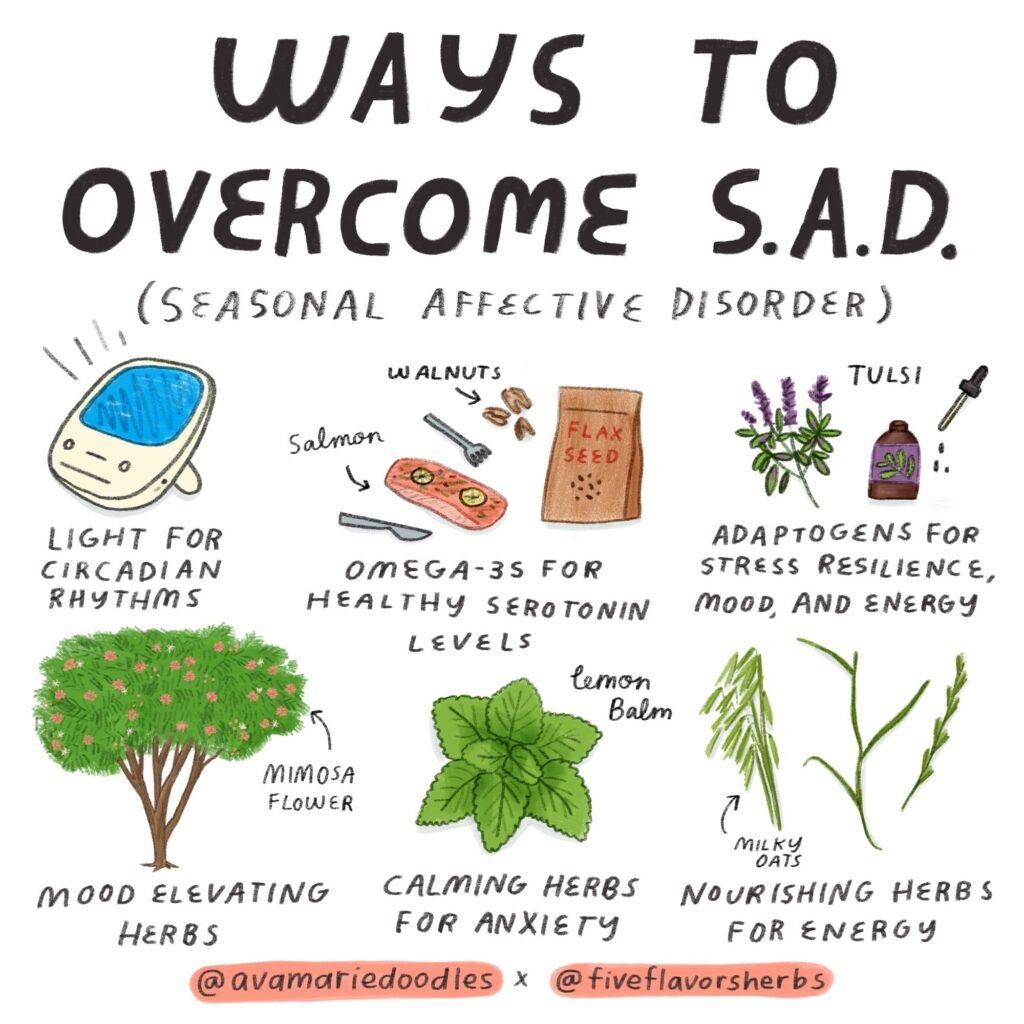
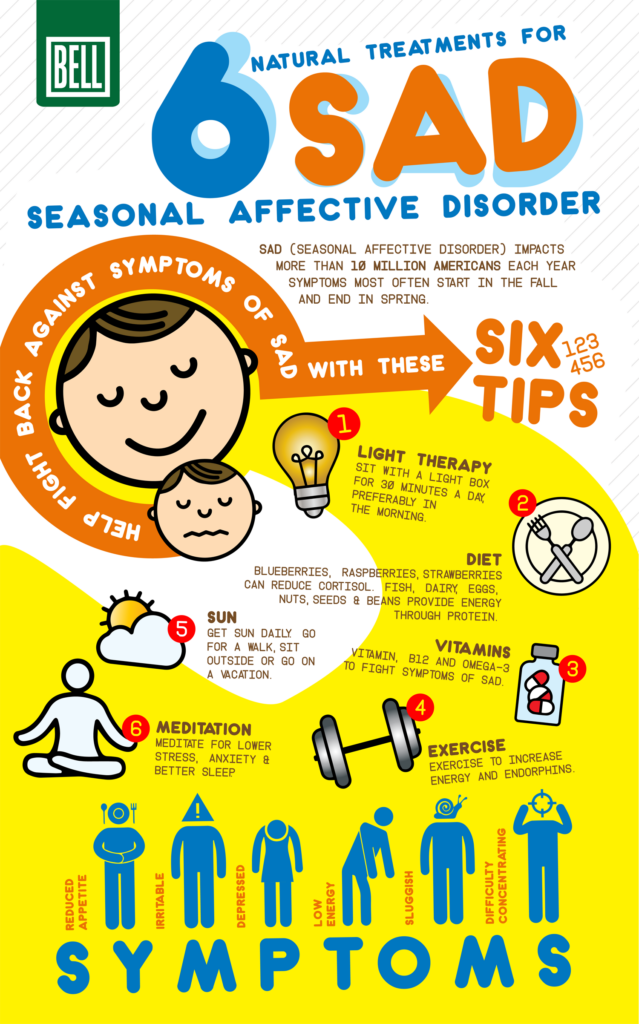
Seasonal Affective Disorder (SAD) is a type of depression that occurs in a seasonal pattern, with symptoms usually appearing during fall and winter and improving in spring and summer. If you experience feelings of sadness, low energy, and a lack of interest in activities during these months, you might be dealing with SAD. Other common symptoms include difficulty concentrating, changes in appetite, oversleeping, and weight gain. It’s important to note that these symptoms are not just the “winter blues,” but a genuine medical condition that can significantly impact your daily life.
Causes and Risk Factors
Although the exact cause of SAD is still unknown, researchers believe that it is linked to a combination of factors, including reduced exposure to sunlight, disrupted circadian rhythms, and imbalances in brain chemicals such as serotonin and melatonin. Additionally, certain risk factors can increase your susceptibility to developing SAD. These include being female, having a family history of depression or SAD, living far from the equator, and having a history of other mental health disorders.
Prevalence of SAD
SAD is a common condition that affects millions of people worldwide. It is estimated that approximately 5% of the population in the United States experiences SAD, while an additional 10-20% may have a milder form of the disorder. It tends to be more prevalent in regions with long, dark winters, such as Northern Europe and Alaska. However, SAD can also occur in milder climates where there are significant changes in daylight hours. It’s important to remember that you are not alone in dealing with SAD, and there are effective natural remedies that can help alleviate symptoms.
Benefits of Natural Remedies for SAD
Non-pharmaceutical Approach
One of the main benefits of natural remedies for SAD is that they offer a non-pharmaceutical approach to managing symptoms. Unlike antidepressant medications, natural remedies do not typically come with the potential for side effects or dependency. This allows you to take control of your mental health without relying solely on medication.
Minimal Side Effects
Many natural remedies for SAD have minimal to no side effects, making them a safe and viable option for long-term use. This is especially important for individuals who may be unable or unwilling to take medication due to personal or medical reasons. By incorporating natural remedies into your routine, you can minimize the risk of adverse reactions and ensure a more balanced approach to managing SAD.
Holistic Treatment
Another significant advantage of natural remedies is their holistic approach to addressing SAD symptoms. They focus not only on the physical aspect of the disorder but also on the emotional and psychological well-being. Natural remedies aim to restore balance and harmony within the body, promoting overall wellness in various areas of your life.
Promotes Overall Well-being
The use of natural remedies for SAD often goes hand in hand with adopting a healthier lifestyle. Incorporating activities such as exercise, proper nutrition, and stress reduction techniques can greatly enhance your overall well-being. By implementing these natural remedies, you can experience improvements not only in your SAD symptoms but also in your general quality of life.
Light Therapy
Introduction to Light Therapy
Light therapy, also known as bright light therapy or phototherapy, is a popular and effective treatment for SAD. It involves sitting close to a specially designed lightbox that emits bright light, simulating natural sunlight. This therapy helps regulate your circadian rhythms and reduces the production of melatonin, the hormone that causes drowsiness.
Types of Light Therapy
There are various types of light therapy devices available, ranging from lightboxes to dawn simulators and light visors. Lightboxes are the most commonly used devices and are designed to emit specific wavelengths of light that mimic sunlight. Dawn simulators gradually simulate a sunrise to help regulate your body’s internal clock. Light visors, on the other hand, allow you to wear the device while engaging in other activities, providing flexibility and convenience.
Using Light Therapy for SAD
To get the most out of light therapy for SAD, it is essential to establish a regular routine and adhere to specific guidelines. Typically, light therapy sessions last between 20-30 minutes, preferably in the morning. You should position yourself about 16-24 inches away from the lightbox and keep your eyes open without staring directly into the light. It’s important to consult with a healthcare professional for personalized recommendations on the duration and intensity of light therapy that suits your needs.
Duration and Timing of Light Therapy
The duration and timing of light therapy sessions can vary depending on individual responses and specific recommendations from healthcare professionals. While some individuals may benefit from shorter sessions of 10-15 minutes, others may require longer sessions up to 60 minutes. The timing of light therapy is crucial, with most individuals finding morning sessions to be the most effective. Starting your day with light therapy can help regulate your sleep-wake cycle and boost your mood throughout the day.
Outdoor Exposure
Importance of Outdoor Exposure
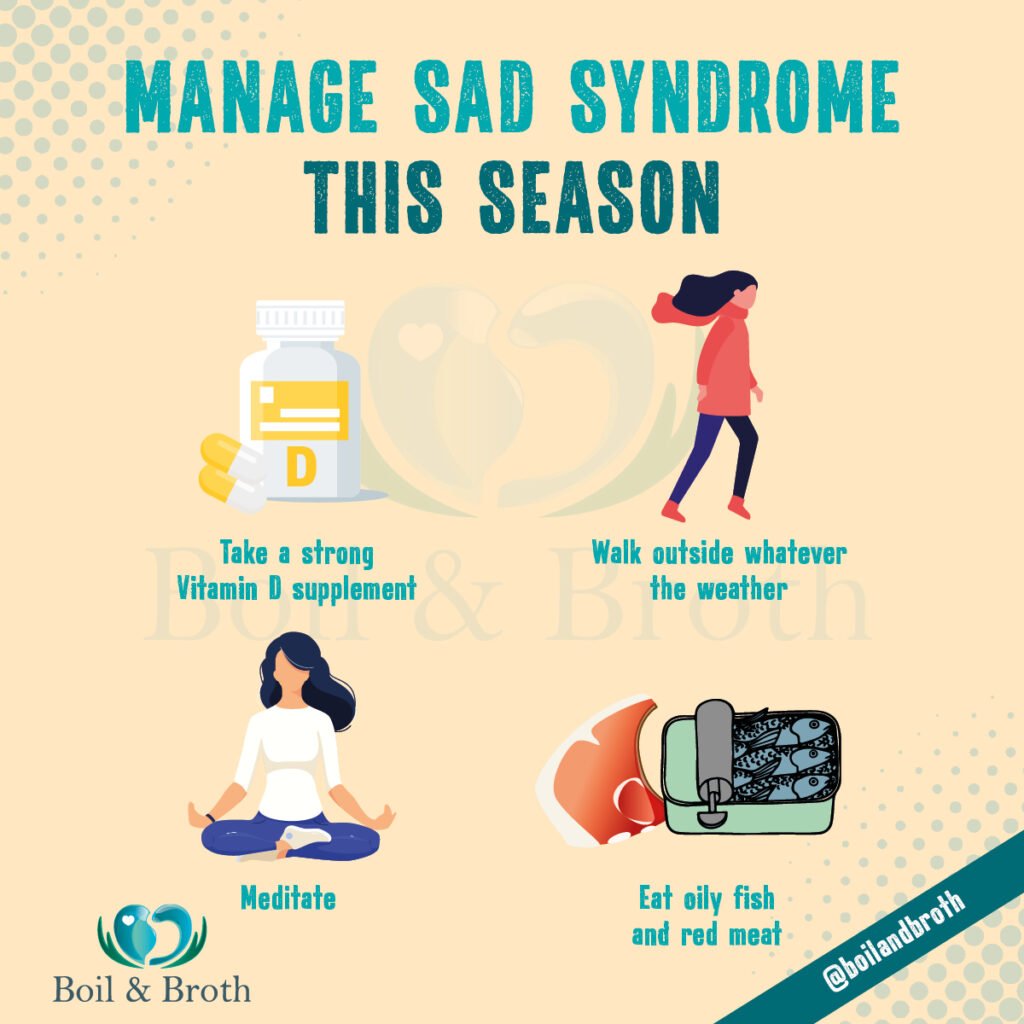
Spending time outdoors is crucial for individuals with SAD. Exposure to natural light has numerous positive effects on mood and overall well-being. Whether it’s a sunny day or a cloudy one, being outside allows you to absorb sunlight and experience the benefits it provides. The fresh air, change of scenery, and connection with nature can significantly impact your mental health, helping combat the symptoms of SAD.
Sunlight and Vitamin D
One of the primary reasons outdoor exposure is beneficial for SAD is the ability to obtain vitamin D from sunlight. Vitamin D deficiency has been linked to an increased risk of depression and other mood disorders. Exposure to sunlight triggers the synthesis of vitamin D in your skin, which plays a vital role in important brain functions. By getting regular outdoor exposure, you can ensure adequate vitamin D levels and potentially improve your SAD symptoms.
Maximizing Natural Light Exposure
To maximize natural light exposure, it’s important to make a conscious effort to spend time outdoors, even during colder months. Take advantage of opportunities to step outside during daylight hours, such as going for a walk during your lunch break or enjoying outdoor activities on the weekends. If possible, try to incorporate natural light into your working or living spaces by positioning yourself near windows or using skylights.
Outdoor Physical Activities
Engaging in outdoor physical activities is another fantastic way to combat SAD symptoms. Exercise releases endorphins, which are natural mood boosters, and being outside can enhance these effects. Whether it’s going for a run, practicing yoga in a park, or simply taking a leisurely hike, physical activity in nature provides a double benefit for managing SAD. Not only are you reaping the rewards of exercise on mental health, but you also benefit from the restorative powers of nature.
Exercise and Physical Activity
Impact of Exercise on Mental Health
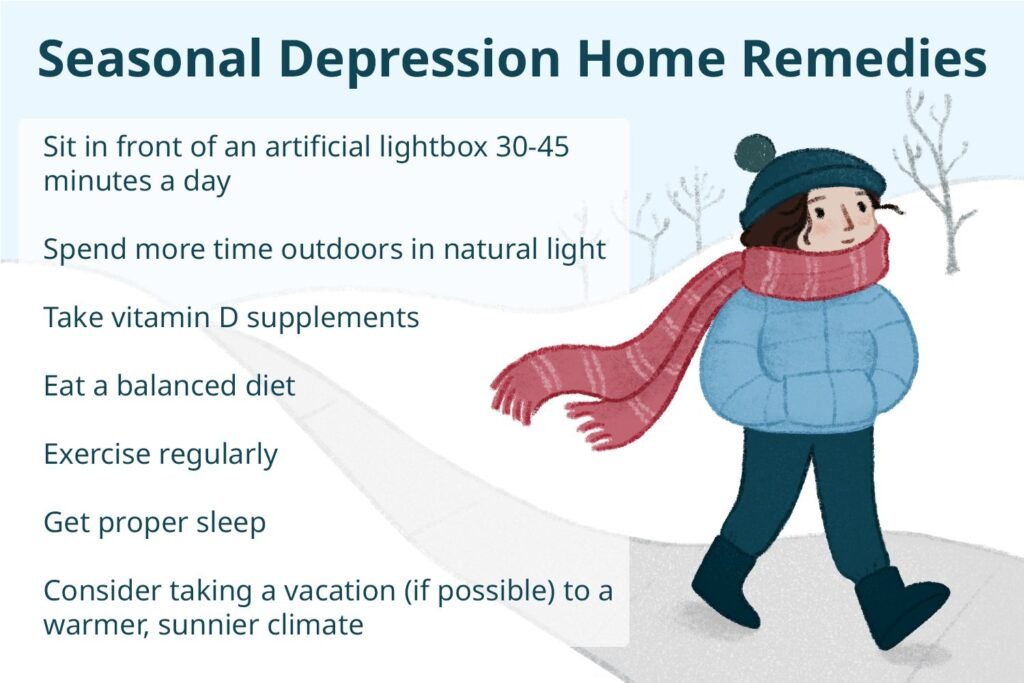
Exercise has long been recognized as a powerful tool for improving mental health, and its benefits extend to managing SAD symptoms as well. Engaging in regular physical activity releases endorphins, which are known as the body’s natural mood elevators. Exercise also promotes the release of neurotransmitters such as serotonin, dopamine, and norepinephrine, which are all involved in mood regulation.
Recommended Exercises for SAD
When it comes to managing SAD through exercise, there is no one-size-fits-all approach. The key is to find activities that you enjoy and that fit into your lifestyle. Aerobic exercises like walking, running, swimming, or cycling are excellent choices, as they elevate heart rate and stimulate the release of endorphins. Strength training exercises, such as weight lifting or resistance band workouts, can also be beneficial. Yoga, tai chi, and other mind-body activities offer a combination of physical movement, mindfulness, and relaxation that can have positive effects on both physical and mental well-being.
Benefits of Exercising Outdoors
Exercising outdoors offers unique advantages when it comes to managing SAD symptoms. The combination of physical activity and exposure to natural light can enhance the antidepressant effects of exercise. The changing scenery, sounds of nature, and connection with the environment can also serve as a distraction from negative thoughts or feelings. Additionally, exercising outdoors often provides an opportunity for social interaction, whether it’s joining a group class or exercising with friends, which can further improve your mood and well-being.
Group Activities and Support
Participating in group activities and finding support during your SAD journey can significantly enhance your overall experience. Joining exercise classes, group hikes, or outdoor sports leagues not only provides social interaction but also creates a sense of belonging and support. Sharing your experiences, challenges, and successes with others who understand what you’re going through can help alleviate feelings of isolation and encourage you to stay motivated in managing your symptoms.
Balanced Diet and Nutrition
Role of Nutrition in Mood Regulation
Maintaining a balanced diet and providing your body with the necessary nutrients is crucial for good mental health, including managing SAD symptoms. Certain nutrients play a significant role in mood regulation, and adopting a nutritious diet can support emotional well-being. The foods you consume can directly impact the production and availability of neurotransmitters, such as serotonin and dopamine, which are essential for regulating mood and emotions.
Foods to Combat SAD Symptoms
Incorporating specific foods into your diet can help combat SAD symptoms and promote mental well-being. Foods rich in omega-3 fatty acids, such as fatty fish, walnuts, and flaxseeds, have been shown to have antidepressant effects. Complex carbohydrates, like whole grains and legumes, can help stabilize blood sugar levels and improve mood. Additionally, foods containing tryptophan, such as turkey, eggs, and dairy products, can enhance serotonin production and help alleviate feelings of depression.
Supplements and Vitamins
In some cases, dietary changes alone may not provide sufficient amounts of certain nutrients to combat SAD symptoms. In these instances, supplements and vitamins can serve as a helpful addition to your natural remedy approach. Vitamin D supplements are commonly recommended for individuals with SAD due to the reduced sunlight exposure during the winter months. Omega-3 fatty acid supplements, such as fish oil capsules, can also be beneficial for those who struggle to consume enough through food sources.
Avoidance of Trigger Foods
While it’s important to focus on incorporating nutritious foods into your diet, it’s also crucial to be mindful of trigger foods that may exacerbate SAD symptoms. Foods that are high in sugar, refined carbohydrates, and processed ingredients can lead to energy crashes and mood swings. Caffeine and alcohol can also negatively impact sleep patterns and disrupt your overall mood. By avoiding these trigger foods and opting for healthier alternatives, you can better manage your SAD symptoms and maintain more stable energy levels throughout the day.
Herbal Remedies
Overview of Herbal Remedies
Herbal remedies have been used for centuries to treat various ailments, including mental health conditions like SAD. These remedies consist of natural plant-based substances that are believed to have specific therapeutic effects on the body and mind. Herbal remedies can be consumed in various forms, including teas, tinctures, or capsules, offering flexibility and customization to fit individual preferences.
Popular Herbs for SAD
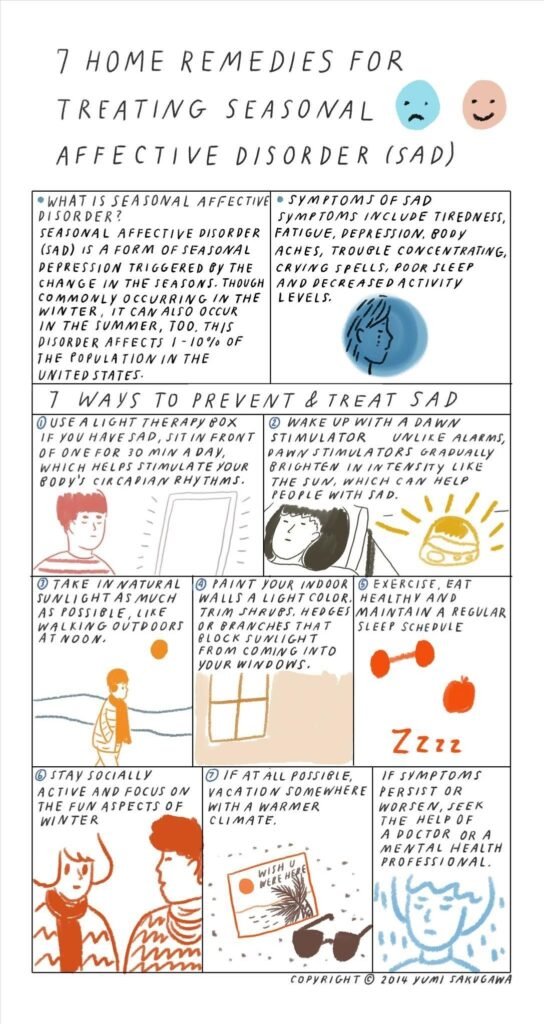
Several herbs have been identified as potentially beneficial for managing SAD symptoms. St. John’s Wort is one of the most studied and widely used herbal remedies for depression, including SAD. It is thought to work by increasing the availability of neurotransmitters in the brain, such as serotonin. Another popular herb, known as Rhodiola Rosea, has adaptogenic properties that help the body cope with stress and improve overall mood. Other herbs believed to be helpful for managing SAD include Ashwagandha, Siberian Ginseng, and Lemon Balm.
Preparation and Usage
The preparation and usage of herbal remedies can vary depending on the herb and the specific form it is consumed in. For instance, herbal teas are typically made by steeping herbs in hot water for a specified period, while tinctures often involve taking a few drops mixed with water or juice. Capsules provide a more convenient option for individuals who prefer a standardized dosage. It is crucial to follow the recommended dosage and instructions provided by the manufacturer or consult with a healthcare professional for personalized advice.
Safety Considerations
While herbal remedies are generally considered safe, it’s essential to be aware of potential side effects and interactions with other medications. Some herbs may cause allergic reactions or interact with certain drugs, potentially reducing their effectiveness or causing adverse effects. It is important to inform your healthcare provider of any herbal remedies you are considering taking to ensure they will not interfere with any other medications or medical conditions you may have.
Mind-Body Techniques
Stress Reduction and Relaxation
Stress reduction and relaxation techniques are invaluable tools in managing SAD symptoms. Chronic stress can worsen depression and exacerbate the effects of SAD. Mind-body techniques, such as deep breathing exercises, progressive muscle relaxation, and guided imagery, can help activate the body’s relaxation response and counteract the physiological effects of stress. These techniques promote a sense of calm and well-being, allowing for better management of symptoms and improved emotional health.
Practices for Mental Well-being
Practicing mindfulness and engaging in activities that promote mental well-being can greatly benefit individuals with SAD. Mindfulness involves being fully present in the moment and non-judgmentally accepting your thoughts and feelings. Regular mindfulness meditation has been shown to improve mood, reduce stress, and increase overall well-being. Other activities that can enhance mental well-being include journaling, engaging in creative hobbies, and cultivating positive relationships and social connections.
Mindfulness and Meditation
Mindfulness meditation is a practice that involves intentionally focusing on the present moment without judgment. By directing your attention to your breath, bodily sensations, or specific thoughts, you can cultivate awareness and develop a more balanced perspective on your emotions. Regular mindfulness meditation has been shown to alleviate symptoms of depression and anxiety, improve attention and concentration, and enhance emotional resilience.
Yoga and Tai Chi
Yoga and tai chi are mind-body practices that combine movement, breathing, and meditation. These ancient practices have been shown to have numerous benefits for mental health, including managing symptoms of depression and anxiety. Yoga involves a series of poses, breathing exercises, and meditation, promoting flexibility, strength, and relaxation. Tai chi, on the other hand, consists of slow, flowing movements and deep breathing, improving balance, focus, and overall well-being. Engaging in regular yoga or tai chi sessions can help alleviate SAD symptoms and provide a sense of calm and inner peace.
Sleep Hygiene
Importance of Good Sleep
Sleep plays a vital role in maintaining good mental health, and poor sleep can significantly exacerbate the symptoms of SAD. It is crucial to prioritize good sleep hygiene as part of your natural remedy approach. Quality sleep allows your body and mind to recharge, promotes emotional regulation, and enhances overall well-being. By implementing healthy sleep habits, you can improve your mood, increase your energy levels, and better manage SAD symptoms.
Establishing a Sleep Routine
Establishing a consistent sleep routine is essential for getting a good night’s rest. Go to bed and wake up at the same time every day, including weekends, to regulate your sleep-wake cycle. Create a relaxing nighttime routine before bed, such as taking a warm bath, reading a book, or practicing relaxation techniques. Avoid stimulating activities, bright screens, and heavy meals close to bedtime, as these can interfere with your ability to fall asleep and stay asleep.
Creating a Sleep-Friendly Environment
Your sleep environment plays a significant role in the quality of your sleep. Make sure your bedroom is cool, quiet, and dark, promoting a restful atmosphere. Use blackout curtains or an eye mask to block out any unwanted light, and consider using earplugs or a white noise machine to mask any disturbing noises. Invest in a comfortable mattress and pillows that support your body and provide optimal comfort for a good night’s sleep.
Avoidance of Stimulants and Electronics
Certain substances and activities can interfere with your sleep patterns and should be avoided if you want to optimize your sleep hygiene. Avoid consuming stimulants such as caffeine and nicotine close to bedtime, as they can disrupt your ability to fall asleep. Electronics, including TVs, smartphones, and tablets, emit blue light that can suppress the production of melatonin, making it harder to wind down and fall asleep. Make it a habit to disconnect from screens at least an hour before bedtime to allow your body to transition into a state of relaxation.
Seeking Professional Help
Recognizing When to Seek Help
While natural remedies can be highly effective in managing SAD symptoms, there may be instances where professional help is necessary. If your symptoms become overwhelming, interfere with your daily life, or persist despite trying various natural remedies, it is essential to seek guidance from a healthcare professional. They can evaluate your condition, provide an accurate diagnosis, and recommend appropriate treatment options, which may include therapy, counseling, or medication.
Therapy and Counseling
Therapy and counseling are valuable tools in managing SAD and can provide emotional support, guidance, and coping strategies. Cognitive-behavioral therapy (CBT) is often recommended for individuals with SAD, as it helps identify and challenge negative thought patterns and develop healthy coping mechanisms. Other therapy modalities, such as interpersonal therapy (IPT) or psychodynamic therapy, may also be beneficial, depending on your individual needs and preferences.
Medications for SAD
In some cases, medications may be prescribed to alleviate severe symptoms of SAD. Antidepressant medications, such as selective serotonin reuptake inhibitors (SSRIs), are commonly used to treat depression, including SAD. These medications work by increasing the availability of serotonin in the brain, which can help improve mood and reduce symptoms of depression. It’s important to work closely with a healthcare professional to find the right medication and dosage that suits your needs.
Combination of Natural and Medical Approaches
For many individuals, a combination of natural remedies and medical approaches provides the best results in managing SAD. Natural remedies can serve as a foundation for self-care and mental well-being, while medical interventions can address severe symptoms or be used in conjunction with other treatments. It’s crucial to communicate openly with your healthcare provider about the natural remedies you are using and any medications you may be taking to ensure a comprehensive and personalized approach to managing SAD.
In conclusion, understanding and effectively managing Seasonal Affective Disorder (SAD) is essential for maintaining good mental health during the fall and winter months. Natural remedies provide a holistic and non-pharmaceutical approach to alleviate symptoms, promote overall well-being, and improve quality of life. Incorporating techniques such as light therapy, outdoor exposure, exercise, a balanced diet, herbal remedies, mind-body techniques, sleep hygiene, and seeking professional help can help you regain control and find relief from SAD symptoms. Remember, everyone’s experience with SAD is unique, so it’s important to experiment and find the combination of natural remedies that work best for you. With the right tools, support, and self-care practices, you can successfully manage SAD and thrive throughout the year.
Related Terms About Natural Remedy For Seasonal Affective Disorder.
Alternative Treatments For Seasonal Affective Disorder, Common Treatment For Seasonal Affective Disorder, Effective Treatment For Seasonal Affective Disorder, How To Treat Seasonal Affective Disorder, Remedy For Seasonal Affective Disorder, Things To Do To Help With Seasonal Depression, Treatment For Reverse Seasonal Affective Disorder, Treatment For Seasonal Affective Disorder Is, Treatment Options For Seasonal Affective Disorder, Treatments Available For Seasonal Affective Disorder