
Are you tired of dealing with the itchy, painful effects of spider bites? Look no further! In this article, we will explore a simple and effective natural remedy that can provide relief from the discomfort caused by spider bites. Say goodbye to expensive creams and treatments, because this remedy can be made right at home with ingredients you probably already have in your kitchen. So, whether you’ve been bitten by a spider or just want to be prepared for any potential encounter, keep reading to discover this amazing solution that could make those pesky spider bites a thing of the past.

Identifying Spider Bites
Spider bites can be quite common, especially in areas where spiders are prevalent. It’s important to be able to identify spider bites in order to properly treat them. While not all spider bites require medical attention, some can cause significant discomfort and may require professional treatment.
Common symptoms of spider bites
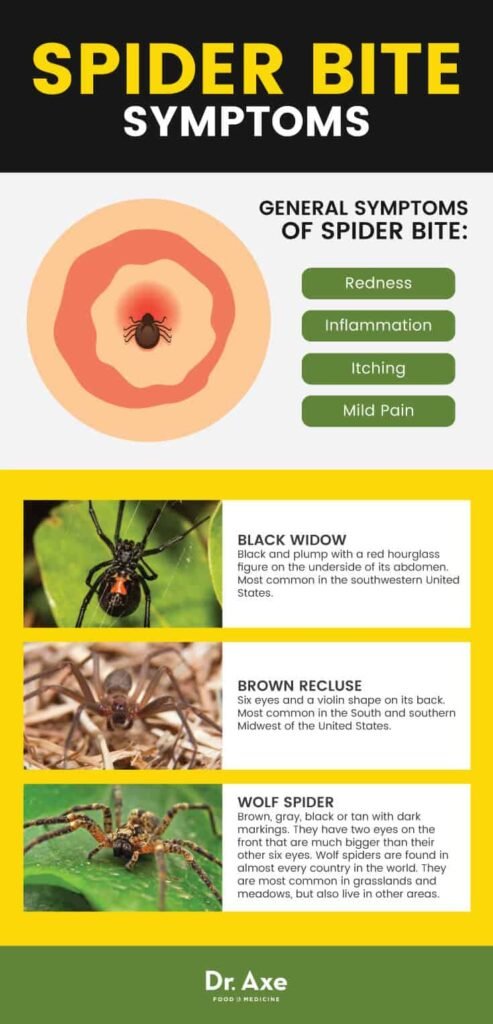
Spider bites can cause a variety of symptoms, depending on the type of spider and the individual’s reaction to the bite. Some common symptoms include redness, pain, swelling, itching, and the formation of a small blister at the site of the bite. In some cases, more severe symptoms can occur such as fever, muscle pain, headache, and nausea.
Differentiating spider bites from other insect bites
Identifying a spider bite can be challenging, as the symptoms can often resemble those of other insect bites. However, there are a few key differences that can help differentiate spider bites from other bites. Spider bites tend to leave small puncture marks at the site of the bite, whereas other insect bites may leave a larger, raised welt. Additionally, spider bites are more likely to cause intense pain and swelling, while other bites may simply cause itchiness or discomfort. If you are unsure whether a bite is from a spider or another insect, it is best to consult a healthcare professional for an accurate diagnosis.
Immediate First Aid Measures
When you are bitten by a spider, it’s important to take immediate first aid measures to minimize the potential for complications and promote healing.
Washing the affected area
As soon as you notice a spider bite, wash the affected area gently with mild soap and warm water. This helps to remove any venom or bacteria that may be present and reduces the risk of infection.
Applying cold compress
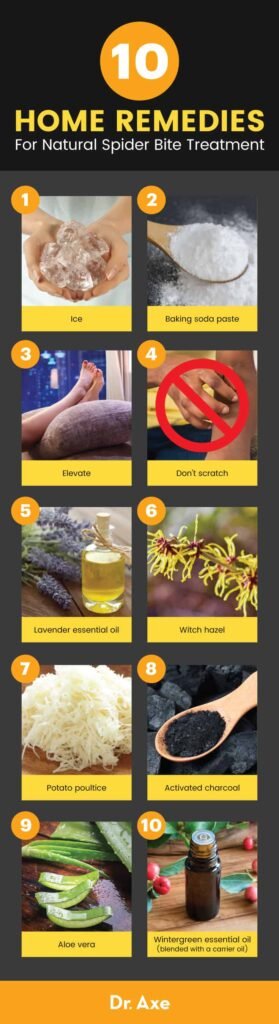
To reduce swelling and alleviate pain, apply a cold compress or an ice pack to the bite. This can help to numb the area and provide temporary relief.
Elevating the bite
Elevating the affected limb, if possible, can also help to reduce swelling and promote better circulation. This can be done by propping the limb up on pillows or using a sling to support it in an elevated position.
Removing tight clothing or jewelry
If the spider bite is on a limb and there is tight clothing or jewelry around the area, it’s important to remove them promptly. This helps to prevent constriction and allows for better blood flow to the affected area.
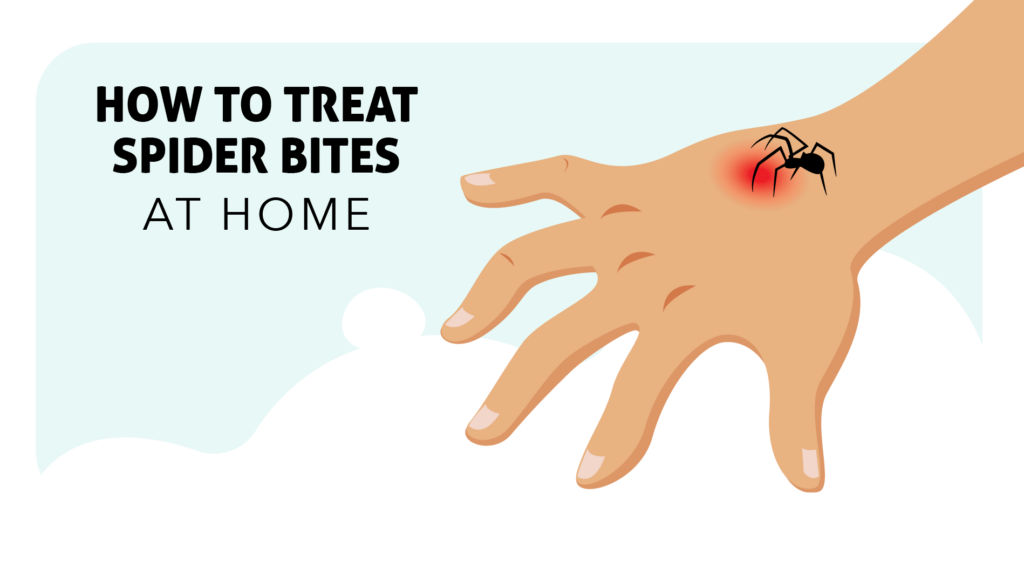
Home Remedies for Spider Bites
If you prefer to try natural remedies before seeking medical attention for a spider bite, there are several home remedies that may provide relief.
Applying activated charcoal
Activated charcoal has been used for its detoxifying properties and may help to draw out toxins from a spider bite. You can mix activated charcoal with a bit of water to form a paste and apply it directly to the bite. Leave it on for a few hours before rinsing off.
Using baking soda paste
Baking soda has anti-inflammatory properties and can help to reduce swelling and itchiness from spider bites. Mix baking soda with a small amount of water to create a paste and apply it to the affected area. Leave it on for about 15-20 minutes before rinsing off.
Applying aloe vera gel
Aloe vera gel is known for its soothing properties and can help relieve pain and inflammation from spider bites. Apply a generous amount of pure aloe vera gel to the bite and leave it on until it absorbs into the skin.
Using tea tree oil
Tea tree oil has antibacterial and anti-inflammatory properties and can help to prevent infection and reduce swelling. Dilute tea tree oil with a carrier oil, such as coconut oil, and apply it to the bite using a cotton swab. Be sure to patch test first, as tea tree oil can cause skin irritation in some individuals.
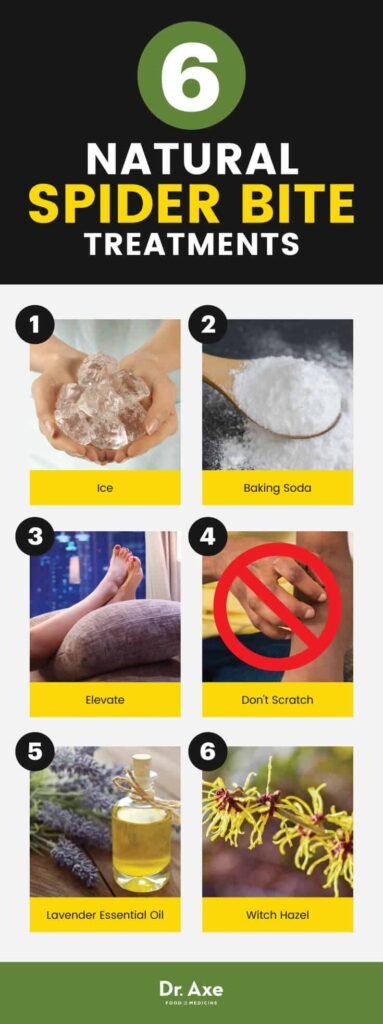
Using witch hazel
Witch hazel is a natural astringent that can help to reduce inflammation and soothe itchiness. Apply witch hazel to a cotton ball and gently dab it onto the affected area. Repeat as needed for relief.
Using Epsom salt
Epsom salt baths can help to draw out toxins and reduce inflammation from spider bites. Dissolve a cup of Epsom salt in warm bathwater and soak in it for about 15-20 minutes.
Applying honey
Honey has antimicrobial properties and can help to prevent infection in spider bites. Apply a small amount of raw honey to the bite and cover it with a clean bandage. Leave it on for a few hours before rinsing off.
Using apple cider vinegar
Apple cider vinegar can help to alleviate pain and reduce inflammation from spider bites. Dilute apple cider vinegar with water, soak a cotton ball in the mixture and apply it to the bite. Leave it on for about 15 minutes before rinsing off.
Applying turmeric paste
Turmeric has anti-inflammatory and antimicrobial properties and can help to reduce swelling and prevent infection. Mix turmeric powder with a small amount of water to form a paste and apply it to the bite. Leave it on for about 20 minutes before rinsing off.
Using essential oils
Certain essential oils, such as lavender or peppermint oil, can provide relief from pain and inflammation caused by spider bites. Dilute a few drops of the essential oil with a carrier oil and apply it to the bite using a cotton swab.
Herbal Remedies for Spider Bites
In addition to home remedies, there are also herbal remedies that can help with spider bites.
Using calendula
Calendula has anti-inflammatory properties and can help to reduce pain and swelling from spider bites. Apply calendula cream or ointment to the affected area a few times a day for relief.
Using chamomile
Chamomile has soothing properties and can help to calm itchiness and inflammation from spider bites. Brew a cup of chamomile tea and let it cool. Use a cotton ball to apply the chamomile tea to the bite or use chamomile essential oil diluted with a carrier oil.
Using lavender
Lavender has analgesic and anti-inflammatory properties and can help to alleviate pain and reduce swelling from spider bites. Apply lavender essential oil diluted with carrier oil to the bite using a cotton swab.
Using comfrey
Comfrey has anti-inflammatory properties and can help to reduce pain and promote healing in spider bites. Apply comfrey cream or ointment to the affected area a few times a day for relief.
Cautions and Precautions
While natural remedies can provide relief for spider bites, it’s important to exercise caution and take necessary precautions to prevent further complications.
Seeking medical attention if symptoms worsen
If you experience severe symptoms such as difficulty breathing, severe pain, or the development of a rash, it is important to seek immediate medical attention. These could be signs of a severe allergic reaction or infection.
Avoiding scratching the bite
Scratching a spider bite can introduce bacteria and increase the risk of infection. Try to resist the urge to scratch, and if necessary, use an over-the-counter anti-itch cream to alleviate itchiness.
Keeping the bite clean and dry
To prevent infection, it’s important to keep the spider bite clean and dry. Wash the area gently with mild soap and warm water and pat it dry with a clean towel. Avoid using harsh chemicals or alcohol-based products on the bite.
Being aware of allergic reactions
If you know you have allergies, it’s important to be cautious when treating spider bites with natural remedies. Some individuals may be allergic to certain ingredients, so it’s always best to patch test before applying any remedy to the bite.
Preventing Spider Bites
While it’s not always possible to completely avoid spider bites, there are steps you can take to reduce the risk.
Clearing clutter and tidying outdoor spaces
Spiders are attracted to cluttered areas, so keeping your outdoor spaces clean and tidy can help to reduce the presence of spiders. Remove any unnecessary items, such as piles of wood or debris, and regularly clean up any spider webs that may form.
Sealing cracks and openings in walls or windows
Spiders can easily enter homes through small cracks and openings. Seal any cracks or gaps in walls, windows, and doors to prevent spiders from entering your living space.
Using spider repellents
There are natural spider repellents available that can help to deter spiders from entering your home. These can be in the form of sprays or essential oils such as peppermint or eucalyptus oil.
Wearing protective clothing in spider-prone areas
If you are in an area where spiders are prevalent, it’s a good idea to wear long sleeves and pants to minimize skin exposure. This can help to reduce the chances of a spider bite.
Inspecting clothing and bedding before use
Before putting on any clothing or bedding, it’s important to inspect it for any signs of spiders or spider webs. Shake out clothing and bedding outdoors to remove any potential spiders or eggs.
Common Myths about Spider Bites
There are several misconceptions surrounding spider bites. It’s important to separate fact from fiction to have a better understanding of spider bites.
All spiders are venomous
Contrary to popular belief, not all spiders are venomous. In fact, the majority of spider species are harmless to humans and their bites may only cause minimal discomfort.
You always feel a spider bite
Many people believe that if they were bitten by a spider, they would always feel it happening. However, this is not always the case. Some spider bites may be painless or go unnoticed until symptoms start to appear.
All spider bites require medical attention
While some spider bites can cause severe symptoms that require medical attention, the majority of spider bites can be treated at home with natural remedies and basic first-aid measures. It’s important to assess the severity of the bite and seek medical attention if necessary.
When to Seek Medical Help
While most spider bites can be treated at home, there are certain situations in which medical help should be sought.
Development of severe symptoms
If you experience severe symptoms such as difficulty breathing, dizziness, or chest pain after a spider bite, it is important to seek immediate medical attention. These could be signs of a severe allergic reaction or a more serious medical condition.
Signs of an allergic reaction
If you develop hives, swelling of the face or throat, or have trouble breathing after a spider bite, it could be a sign of an allergic reaction. Seek medical attention immediately as this can be life-threatening.
Uncertainty in identifying the spider
If you are unsure about the type of spider that bit you and are experiencing severe symptoms, it’s best to seek medical attention. A healthcare professional will be able to properly identify the spider and provide appropriate treatment.
Infection of the bite
If the spider bite becomes increasingly red, swollen, or painful, or if there is pus or discharge coming from the bite, it may be a sign of infection. Seek medical attention to prevent further complications.
Conclusion
Spider bites can be a nuisance, but with the right knowledge and immediate first-aid measures, they can be effectively managed at home. Natural remedies such as activated charcoal, baking soda paste, and aloe vera gel can provide relief from the pain and inflammation caused by spider bites. However, it’s important to seek medical attention if symptoms worsen or if there are signs of an allergic reaction or infection. Prevention is key in avoiding spider bites, and taking precautions such as clearing clutter, sealing cracks, and wearing protective clothing can help to minimize the risk. By staying aware and informed, you can tackle spider bites with confidence and ensure the well-being of yourself and your loved ones.
Related Terms About Natural Remedy For Spider Bites.
All Natural Remedies For Spider Bite, Any Home Remedies For Spider Bites, Easy Home Remedies for Spider Bites, Home Remedies For Insect Bite Under the Eye, Home Remedies For Insect Bites And Itching, Home Remedies For Insect Bites For Toddlers, Home Remedies For Insect Bites In Babies, Home Remedies For Insect Bites In Toddlers, Home Remedies For Insect Bites That Itch, Home Remedies For Insect Bites That Itch And Swell