
Feeling stressed and overwhelmed? Look no further, as we’ve got just the thing for you – a natural remedy for stress. In today’s fast-paced world, where stress seems like a constant companion, it’s essential to find healthy and effective ways to alleviate those tension-filled moments. This article explores the power of natural remedies and how they can provide a much-needed sigh of relief for your mind and body. So, sit back, take a deep breath, and discover the secrets to easing your stress naturally.
Exercise
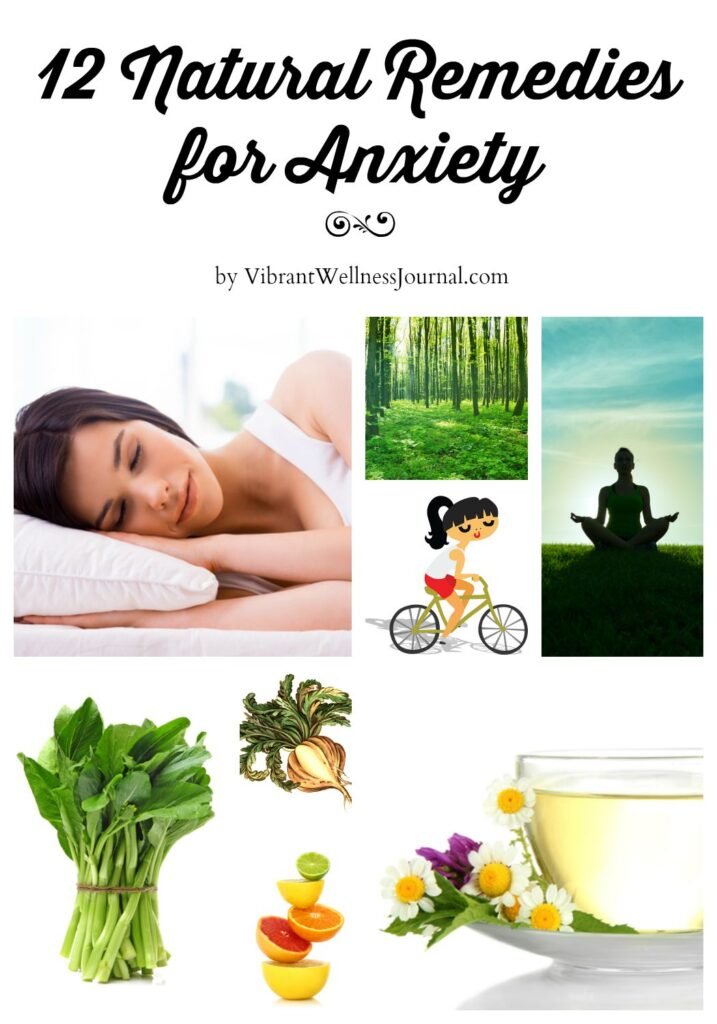
Exercise is a fantastic way to relieve stress and promote overall well-being. There are various types of exercises you can try, each offering unique benefits. One popular form of exercise that focuses on both physical and mental well-being is yoga. Yoga combines gentle stretches, controlled breathing, and meditation to help calm your mind and enhance your body’s flexibility and strength. By practicing yoga regularly, you can reduce stress, improve your mood, and increase your overall sense of well-being.
Another great option for stress relief is aerobic exercise. This type of exercise gets your heart pumping and your blood flowing, making it an excellent way to release built-up tension and stress. Engaging in activities like running, cycling, dancing, or swimming can not only help you blow off steam but also increase the production of endorphins, which are the feel-good chemicals in your brain. Regular aerobic exercise can even boost your self-confidence and improve your sleep patterns, making it a powerful natural remedy for stress.
Tai chi is yet another amazing exercise option for stress relief. Originally developed as a martial art form, tai chi combines slow, flowing movements with deep breathing and meditation. This gentle yet powerful exercise is known for its ability to reduce stress, improve balance and flexibility, and promote a sense of inner peace. The combination of physical movement and mindfulness in tai chi can help you release tension and promote relaxation, making it an excellent choice for managing stress.
Meditation
Meditation is a powerful practice that can help quiet the mind, reduce stress, and foster a greater sense of calmness and clarity. One popular form of meditation is mindfulness meditation. This technique involves focusing your attention on the present moment, such as your breath or physical sensations, while calmly observing your thoughts and emotions without judgment. By practicing mindfulness meditation regularly, you can increase self-awareness, decrease anxiety, and enhance your overall well-being.
Another form of meditation that can be beneficial for stress relief is transcendental meditation. This technique involves silently repeating a specific mantra or sound to help calm the mind and promote relaxation. Transcendental meditation has been found to reduce stress, anxiety, and even improve cardiovascular health. By incorporating this practice into your daily routine, you can experience a greater sense of peace and balance.
Loving-kindness meditation is another meditation technique that focuses on cultivating compassion and kindness towards oneself and others. By intentionally directing positive and loving thoughts, you can cultivate feelings of empathy, kindness, and connection. This practice can be particularly effective in reducing stress, enhancing social relationships, and promoting overall well-being.
Breathing Techniques
Breathing techniques are simple yet effective tools for managing stress and promoting relaxation. One popular technique is deep breathing, which involves taking slow, deep breaths, filling your lungs with air, and exhaling slowly. Deep breathing activates the body’s relaxation response, helping to reduce stress levels, lower blood pressure, and increase oxygen flow throughout the body.
Box breathing is another powerful breathing technique that can help you relax and reduce stress. This technique involves breathing in for a count of four, holding the breath for a count of four, exhaling for a count of four, and holding the breath out for a count of four. By repeating this pattern several times, you can calm your nervous system and promote a sense of calmness and clarity.
4-7-8 breathing is yet another effective breathing technique for stress relief. It involves inhaling deeply through the nose for a count of four, holding the breath for a count of seven, and exhaling slowly through the mouth for a count of eight. This technique can help regulate your breathing, reduce anxiety, and promote relaxation.
Herbal Remedies
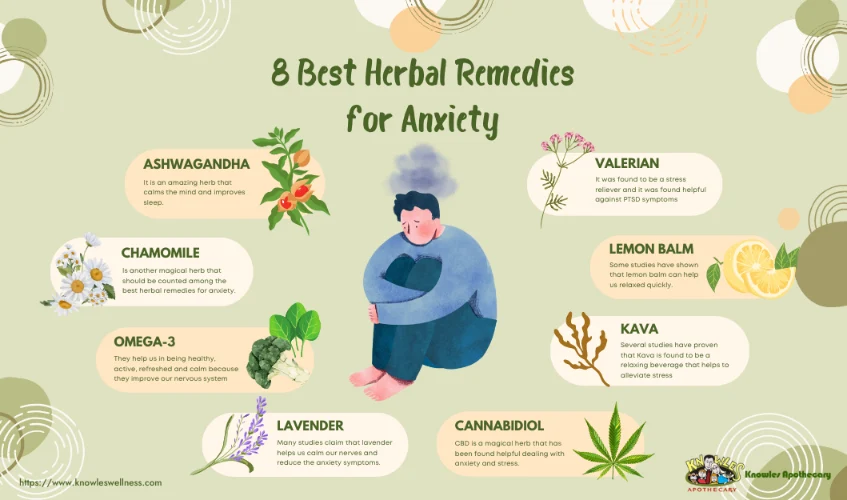
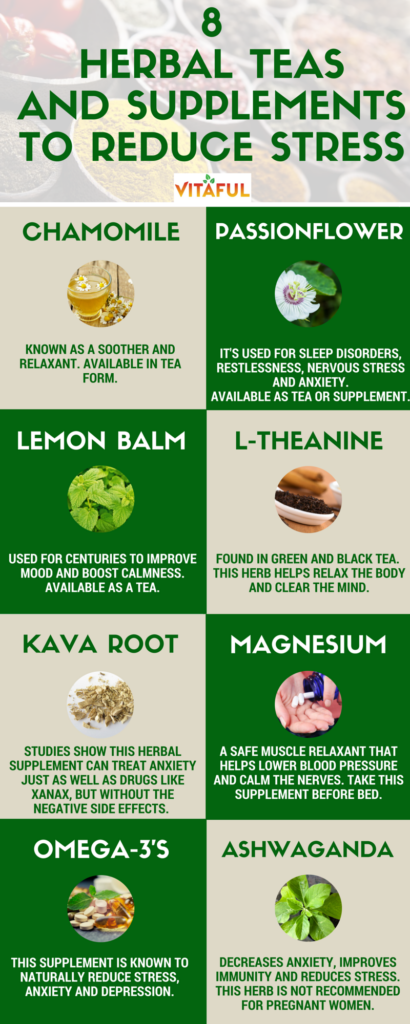
Herbal remedies have been used for centuries to promote relaxation and relieve stress. One popular herb known for its stress-relieving properties is ashwagandha. Ashwagandha is an adaptogen, meaning it helps the body adapt to stress by regulating the production of stress hormones. Consuming ashwagandha supplements or drinking ashwagandha tea can help reduce stress and promote a sense of calmness and balance.
Chamomile tea is another herbal remedy that is well-known for its calming properties. Chamomile tea contains compounds that bind to the same brain receptors as drugs like Valium, helping to reduce anxiety and promote relaxation. Drinking a warm cup of chamomile tea before bed can be especially beneficial for those struggling with sleep difficulties caused by stress.
Lavender oil is a popular essential oil that is often used in aromatherapy for its calming and soothing effects. Inhaling the scent of lavender oil or applying it topically can help reduce stress and promote relaxation. Some studies have even shown that lavender oil can improve sleep quality and decrease anxiety levels.
Aromatherapy
Aromatherapy is the practice of using essential oils derived from plants to enhance physical and psychological well-being. Lemon essential oil is one powerful oil often used in aromatherapy for stress relief. Its fresh and citrusy scent can help uplift your mood, improve mental clarity, and reduce feelings of stress and tension.
Lavender essential oil is another popular choice for stress relief. Its calming and floral scent has been shown to reduce anxiety, promote relaxation, and improve sleep quality. Diffusing lavender essential oil or adding a few drops to your bath can create a serene and stress-free environment.
Rosemary essential oil is known for its stimulating and uplifting properties. Its invigorating scent can help clear the mind, improve focus, and reduce mental fatigue. Rosemary essential oil can be used in a diffuser or diluted with a carrier oil for massage to promote relaxation and relieve stress.
Healthy Diet
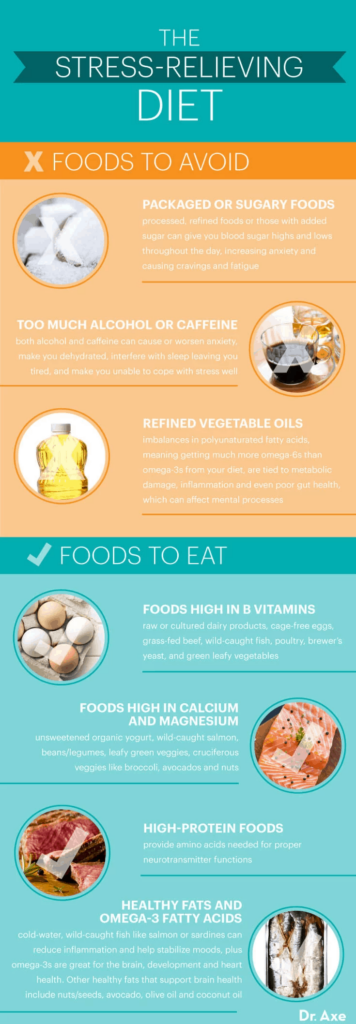
Maintaining a healthy diet is key to managing stress and promoting overall well-being. Certain foods are known to have stress-reducing properties and can be easily incorporated into your diet. Foods rich in omega-3 fatty acids, such as fatty fish like salmon or tuna, flaxseeds, and walnuts, can help balance stress hormones and promote a sense of calmness and relaxation.
Dark chocolate, in moderation, can also be a delicious and stress-reducing treat. Dark chocolate contains antioxidants that can help reduce stress hormones and improve mood. Opt for dark chocolate with a high percentage of cocoa, as it tends to have more stress-reducing benefits.
Herbal teas like chamomile tea, as mentioned earlier, and other herbal blends like peppermint or lemon balm can have soothing effects on the mind and body. Enjoying a warm cup of herbal tea can help you relax, unwind, and reduce stress levels.
Journaling
Journaling can be a powerful tool for stress management and self-reflection. One type of journaling technique that can help cultivate gratitude and positivity is gratitude journaling. This involves writing down things you are grateful for each day, encouraging a shift in focus towards appreciation and positivity. Gratitude journaling can help reduce stress, improve mood, and increase overall well-being.
Emotional release journaling is another technique that can be beneficial for stress relief. This involves writing down your thoughts, feelings, and emotions without judgment or censorship. Emotional release journaling allows you to express and release pent-up emotions, helping to reduce stress and promote emotional well-being.
Self-reflection journaling involves examining your thoughts, actions, and experiences to gain deeper insights into yourself and your patterns. By regularly engaging in self-reflection journaling, you can better understand your sources of stress, discover coping strategies, and cultivate self-awareness and personal growth.
Social Support
Seeking social support can be a helpful way to alleviate stress and foster a sense of connection and belonging. Talking to a friend or loved one openly and honestly about your feelings can provide emotional support and help alleviate stress. Simply sharing your thoughts and experiences with someone who listens nonjudgmentally can provide great relief.
Joining a support group is another option for finding social support. Support groups consist of individuals who are dealing with similar challenges, providing a safe and understanding space to share experiences and learn from others. Being part of a support group can help reduce feelings of isolation, enhance coping skills, and promote a sense of belonging.
For more specialized support, seeking therapy can be incredibly beneficial. A qualified therapist can provide guidance, tools, and techniques to help you manage stress and improve your overall well-being. Therapy offers a safe and confidential environment to explore the root causes of stress, develop coping strategies, and gain valuable insights into yourself.
Massage Therapy
Massage therapy is a wonderful way to relax, unwind, and relieve stress. There are several different types of massages, each offering unique benefits. Swedish massage is a gentle and soothing massage technique that involves long, flowing strokes to promote relaxation, reduce muscle tension, and improve circulation. This type of massage is a great option for stress relief and overall relaxation.
Deep tissue massage is a more intense technique that focuses on deeper layers of muscle and connective tissue. This type of massage can help release chronic muscle tension and knots, relieve stress-related tightness, and improve range of motion. Deep tissue massage may be a good choice if you have specific areas of tension or stress-related muscle pain.
Hot stone massage combines the use of smooth, heated stones with massage techniques to promote deep relaxation and ease muscle tension. The heat from the stones helps to relax the muscles and increase blood flow, providing a soothing and stress-relieving experience. Hot stone massage can be especially beneficial for those who prefer a warm and comforting touch.
Acupuncture
Acupuncture is an ancient Chinese practice that involves inserting thin needles into specific points on the body to restore balance and promote healing. There are different styles of acupuncture, each with its own techniques and theories. Traditional Chinese acupuncture is the most common form and focuses on balancing the flow of energy, known as Qi, through specific meridians in the body. This practice can help reduce stress, promote relaxation, and improve overall well-being.
Japanese acupuncture is another style that is known for its gentle and precise needling techniques. Japanese acupuncture aims to restore the body’s energy balance by targeting specific points along the meridians. This practice can help reduce stress, alleviate pain, and improve overall health and vitality.
Electroacupuncture is a modern variation of acupuncture in which a small electric current is applied to the inserted needles. This technique is often used to enhance the effects of traditional acupuncture and stimulate specific acupuncture points. Electroacupuncture can be particularly helpful for stress relief, pain management, and overall well-being.
Incorporating these natural remedies into your daily routine can provide powerful tools for managing stress and promoting a sense of well-being. Remember to listen to your body and choose the remedies that resonate with you and bring you joy and relaxation. By creating a balanced lifestyle that includes exercise, meditation, healthy nutrition, and self-care practices, you can effectively reduce stress and enhance your overall quality of life.
Related Terms About Natural Remedy For Stress.
Herbal Remedy For Chronic Stress, Herbal Remedy For Stress Incontinence, Herbal Remedy For Stress Symptoms, Herbal Remedy Reduce Stress, Home Remedy For Chronic Stress, Home Remedy For Oxidative Stress, Home Remedy For Reducing Stress, Home Remedy For Severe Stress, Home Remedy For Stress Incontinence, Home Remedy For Stress Stomach