
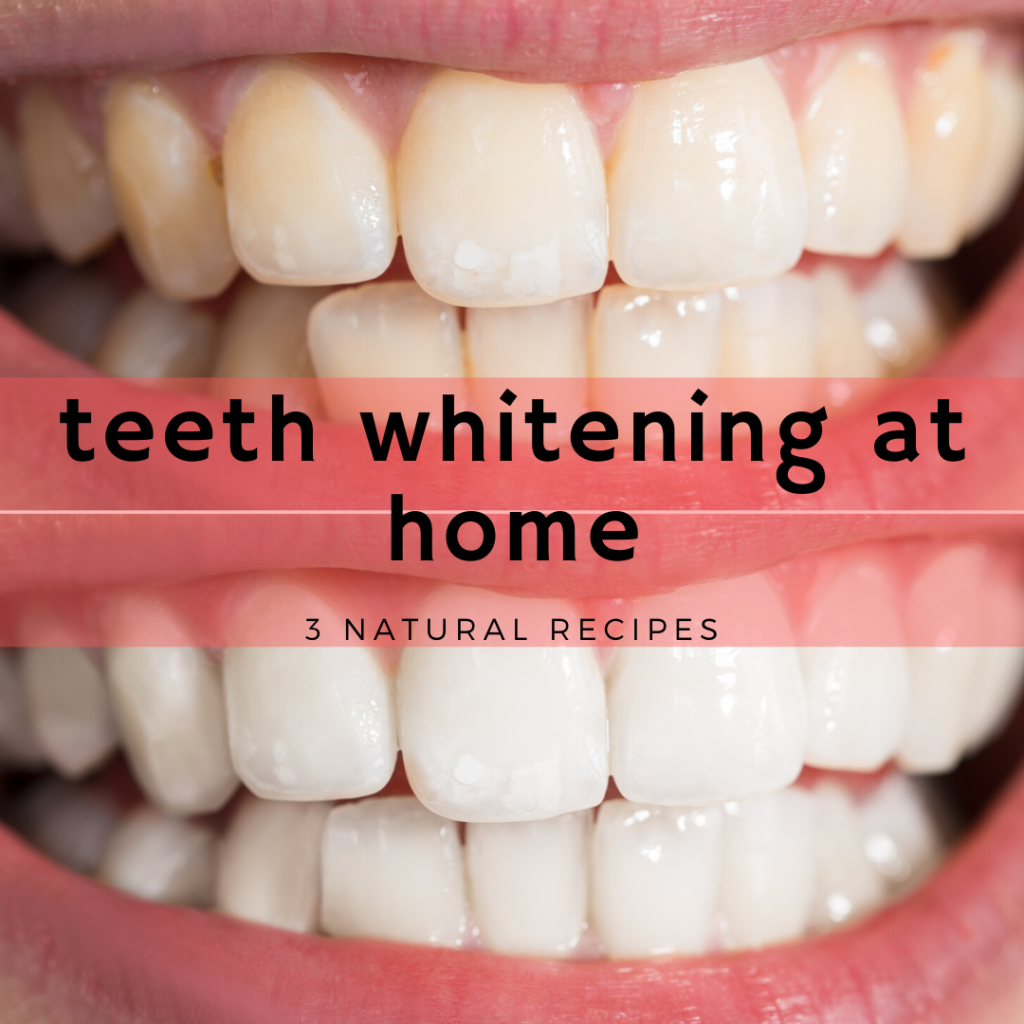
If you’ve ever wished for a brighter, whiter smile, look no further. Say goodbye to expensive dental treatments and hello to a natural remedy for teeth whitening that you can try right at home. This article will reveal an easy, cost-effective method that will leave your teeth looking radiant and dazzling. Get ready to show off your pearly whites as we unveil the secret behind achieving a million-dollar smile naturally.
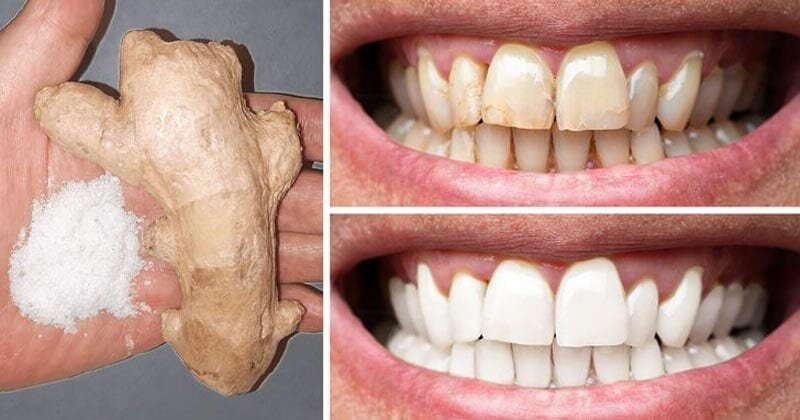
1. Use Baking Soda
1.1. How does baking soda whiten teeth?
Baking soda, also known as sodium bicarbonate, is a natural whitening agent that can help remove surface stains from your teeth. It works by creating an alkaline environment in your mouth, which prevents bacteria from growing and causing plaque buildup. Baking soda also acts as a mild abrasive, gently scrubbing away stains on the surface of your teeth.
1.2. How to use baking soda for teeth whitening
To use baking soda for teeth whitening, simply mix a small amount of baking soda with water to create a paste. You can then use your toothbrush to apply the paste to your teeth and gently brush in circular motions for about two minutes. Be sure to rinse your mouth thoroughly afterward to remove any residue. It’s important to note that while baking soda can be effective in removing surface stains, it may not be as effective in removing deeper, intrinsic stains.
1.3. Precautions and side effects
While baking soda is generally safe to use for teeth whitening, it’s important to use it in moderation and with caution. Overuse of baking soda can potentially damage the enamel on your teeth, leading to sensitivity and other oral health issues. It’s recommended to only use baking soda as a teeth whitening treatment once or twice a week. It’s also important to be mindful of any allergies or sensitivities you may have to baking soda. If you experience any adverse reactions, such as irritation or discomfort, discontinue use and consult with a dentist.
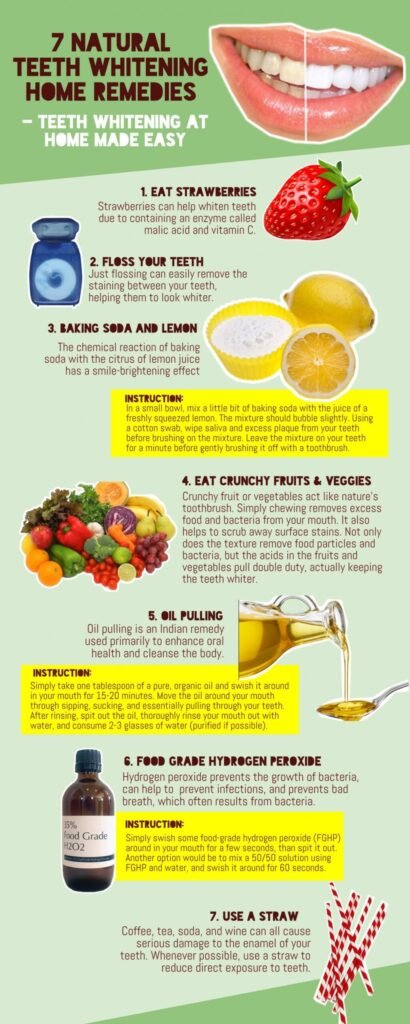
2. Oil Pulling
2.1. What is oil pulling?
Oil pulling is an ancient Ayurvedic practice that involves swishing oil in your mouth to improve oral hygiene and promote overall health. Traditionally, sesame or coconut oil is used for oil pulling, but other oils such as sunflower or olive oil can also be used.
2.2. How does oil pulling help in teeth whitening?
Oil pulling can help whiten teeth by reducing the amount of bacteria in your mouth. The oil acts as a natural cleanser, pulling toxins and impurities from your teeth and gums. By swishing the oil around in your mouth for about 15-20 minutes, you allow it to penetrate into the crevices and remove plaque and stains. Regular oil pulling can also help improve gum health and freshen your breath.
2.3. Different oil options for oil pulling
As mentioned earlier, sesame and coconut oil are the traditional oils used for oil pulling. However, you can choose whichever oil you prefer. Coconut oil has gained popularity for its antimicrobial properties, while sesame oil is known for its detoxifying properties. Sunflower oil is another option that can be effective in oil pulling. It’s important to note that the oil used for oil pulling should be organic and cold-pressed to ensure maximum benefits.
3. Hydrogen Peroxide
3.1. What is hydrogen peroxide?
Hydrogen peroxide is a chemical compound that is commonly used as a disinfectant and antiseptic. It is also known for its bleaching properties, making it an effective ingredient for teeth whitening.
3.2. How does hydrogen peroxide whiten teeth?
Hydrogen peroxide works as a teeth whitener by breaking down the stains on the surface of your teeth. It penetrates the enamel and reacts with the pigments that cause discoloration, effectively lifting them away. Additionally, hydrogen peroxide has antibacterial properties that can help reduce plaque and prevent gum disease.
3.3. Safety precautions when using hydrogen peroxide
While hydrogen peroxide can be effective in teeth whitening, it’s important to use it safely. It is recommended to use a concentration of no more than 3% hydrogen peroxide for oral use. Higher concentrations can cause irritation and damage to the soft tissues in your mouth. It’s important to dilute the hydrogen peroxide with water before using it as a mouthwash or applying it directly to your teeth. If you experience any adverse effects or discomfort, discontinue use and seek professional advice from a dentist.
4. Use Activated Charcoal
4.1. How does activated charcoal work as a teeth whitener?
Activated charcoal is a highly porous substance that has the ability to absorb toxins and impurities. When used for teeth whitening, it acts as a natural adsorbent, binding to stains and toxins on the surface of your teeth and removing them.
4.2. Methods of using activated charcoal for teeth whitening
There are several methods of using activated charcoal for teeth whitening. One common method is to create a paste by mixing activated charcoal powder with water and then applying the paste to your teeth with a toothbrush. Another method is to use activated charcoal in the form of toothpaste or mouthwash. Simply brush or rinse with the charcoal product as you would with regular toothpaste or mouthwash. It’s important to note that activated charcoal can be messy and may temporarily stain your sink or toothbrush, but it can be easily rinsed away.
4.3. Potential risks and considerations
While activated charcoal can be effective in removing surface stains, it’s important to use it with caution. Activated charcoal is abrasive and can potentially wear down the enamel on your teeth if used too frequently or with excessive force. It is recommended to use activated charcoal for teeth whitening no more than once or twice a week. If you experience any sensitivity or discomfort, discontinue use and consult with a dentist.
5. Rinse with Apple Cider Vinegar
5.1. How does apple cider vinegar assist in teeth whitening?
Apple cider vinegar has natural bleaching properties due to its high acidity. The acetic acid in apple cider vinegar can help remove surface stains and brighten your teeth.
5.2. Proper usage and dilution of apple cider vinegar
To use apple cider vinegar for teeth whitening, dilute it with water in a 1:2 ratio. Swish the diluted mixture in your mouth for about 30 seconds to 1 minute, ensuring that it reaches all areas of your teeth. After rinsing, thoroughly brush your teeth with regular toothpaste to remove any residual acid. It’s important to note that due to its high acidity, apple cider vinegar should not be used undiluted, as it can damage the enamel on your teeth.
5.3. Precautions and side effects
While apple cider vinegar can be effective in teeth whitening, it’s important to use it in moderation and with caution. The high acidity of apple cider vinegar can erode the enamel on your teeth if used too frequently or in excessive amounts. It’s recommended to use apple cider vinegar for teeth whitening no more than once a week. If you experience any sensitivity or discomfort, discontinue use and consult with a dentist.
6. Eat Fruits and Vegetables
6.1. Natural foods that promote teeth whitening
Certain fruits and vegetables have natural properties that can help whiten your teeth. Some examples include strawberries, apples, carrots, and celery. These foods have a high water content and help increase saliva production, which can aid in washing away surface stains and maintaining oral hygiene.
6.2. How do fruits and vegetables contribute to teeth whitening?
Fruits and vegetables that promote teeth whitening often have natural acids and enzymes that act as natural cleansers for your teeth. Additionally, the fiber in these foods can help scrub away plaque and debris. Regularly incorporating these foods into your diet can contribute to a brighter smile.
6.3. Recommendations for incorporating teeth whitening foods into your diet
To maximize the teeth-whitening benefits of fruits and vegetables, it’s best to consume them raw or lightly cooked. You can incorporate them into your diet by adding them to salads, snacking on them throughout the day, or blending them into smoothies. Remember to maintain good oral hygiene habits such as regular brushing and flossing, as diet alone cannot replace proper dental care.
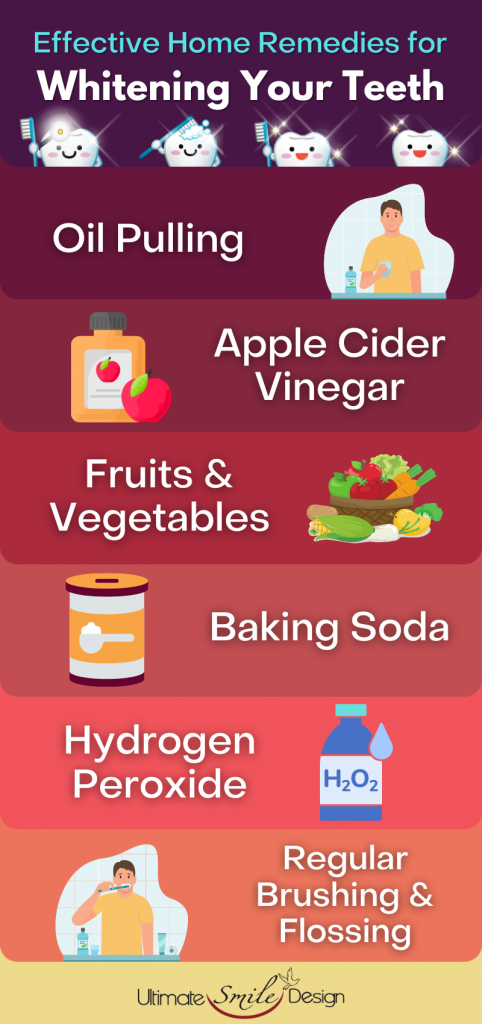
7. Brush with Whitening Toothpaste
7.1. How does whitening toothpaste work?
Whitening toothpaste contains special ingredients that help remove surface stains from your teeth. These ingredients, such as abrasives or polishing agents, work by physically scrubbing away stains. Some whitening toothpastes also contain hydrogen peroxide or other bleaching agents to further enhance the whitening effects.
7.2. Choosing the right whitening toothpaste
When selecting a whitening toothpaste, look for one that has the American Dental Association (ADA) seal of approval. This ensures that the toothpaste has been tested and meets the necessary safety and effectiveness standards. Additionally, consider your specific needs and preferences, such as sensitivity or flavor. Consult with your dentist for recommendations tailored to your oral health.
7.3. Proper brushing techniques for best results
To get the most out of your whitening toothpaste, it’s important to practice proper brushing techniques. Use a soft-bristle toothbrush and apply gentle pressure. Brush in circular motions for about two minutes, ensuring that you reach all surfaces of your teeth. Remember to also brush your tongue and the roof of your mouth to remove bacteria and freshen your breath. Rinse thoroughly with water after brushing to remove any residual toothpaste.
8. Strawberries for Teeth Whitening
8.1. The tooth-whitening properties of strawberries
Strawberries contain malic acid, an enzyme that can help remove surface stains from your teeth. This natural acid acts as a gentle exfoliant, breaking down the pigments that cause discoloration and leaving your teeth looking brighter.
8.2. Methods of using strawberries for teeth whitening
One way to use strawberries for teeth whitening is to create a paste by mashing up a few strawberries and mixing them with baking soda. Apply the paste to your teeth and leave it on for about five minutes. Brush your teeth thoroughly afterward to remove any residual strawberry particles. Another method is to simply rub a sliced strawberry directly onto your teeth for a few minutes, ensuring that the juice coats your teeth. Rinse thoroughly afterward.
8.3. Potential risks and considerations
While strawberries can help whiten your teeth, it’s important to use them in moderation. The natural sugars in strawberries can potentially contribute to tooth decay if left on your teeth for too long. It’s recommended to rinse thoroughly and brush your teeth after using strawberries for teeth whitening. If you experience any sensitivity or discomfort, discontinue use and consult with a dentist.
9. Lemon Peel Scrub
9.1. How does lemon peel aid in teeth whitening?
Lemon peel contains citric acid, which has natural bleaching properties. The acid acts as a mild whitener, helping to remove surface stains and brighten your teeth.
9.2. Preparation and usage of lemon peel scrub
To use lemon peel for teeth whitening, take a small piece of lemon peel and rub the inside of the peel against your teeth for a few minutes. Be gentle to avoid causing any damage to your enamel. Afterward, rinse your mouth thoroughly and brush your teeth to remove any residual lemon juice. It’s important to note that due to its acidity, lemon peel should not be used too frequently or for extended periods of time, as it may erode the enamel.
9.3. Precautions and potential side effects
While lemon peel can provide teeth-whitening benefits, it’s important to exercise caution when using it. Lemon juice is highly acidic and can potentially erode the enamel on your teeth if used excessively. It’s recommended to use lemon peel sparingly and no more than once a week. If you experience any sensitivity or discomfort, discontinue use and consult with a dentist.
10. Avoid Staining Substances
10.1. Common substances that stain teeth
There are certain substances that are known to stain teeth and should be avoided or consumed in moderation. Some common culprits include coffee, tea, red wine, tobacco, and certain types of foods and beverages that are dark in color, such as berries or soy sauce.
10.2. Tips for avoiding teeth staining
To minimize the staining effects of substances, it’s best to consume them sparingly and take preventive measures. Use a straw when drinking beverages that may stain your teeth, as this helps reduce direct contact. Rinse your mouth with water or brush your teeth shortly after consuming staining substances to minimize their effects. Additionally, maintaining good oral hygiene habits, such as regular brushing and flossing, can help prevent stains from setting in.
10.3. Maintaining teeth whitening results
To preserve your teeth whitening results and maintain a bright smile, it’s important to continue practicing good oral hygiene. This includes regular brushing and flossing, as well as routine visits to your dentist for professional cleanings. Avoiding staining substances and following the tips mentioned earlier can also help prolong the effects of your teeth-whitening efforts.
Video Remedy About Whitening Teeth
By incorporating these natural remedies and practices into your oral care routine, you can effectively whiten your teeth in a safe and natural way. Remember to always consult with a dentist before trying any new remedies or techniques, and listen to your body for any signs of discomfort or adverse effects. With dedication and consistency, you’ll be on your way to a brighter and more confident smile!
Related Terms About Natural Remedy For Teeth Whitening.
Effective Home Remedies For Teeth Whitening,
Home Remedies For Instant Teeth Whitening,
Home Remedies For Teeth Whitening Recipes,
Home Remedies For Teeth Whitening Reddit,
Home Remedies For Teeth Whitening Tips,
Home Remedies For Whitening Teeth Overnight,
Home Remedies For Whitening Teeth With Lemon,
Home Remedies For Whiter Teeth For Smokers,
Home Remedies For Whiter Teeth With Braces,
Home Remedies Teeth Whitening Reviews