
Hey there! If you’ve ever struggled with pesky zits and are tired of using chemical-laden products, we’ve got some good news for you. Our article is all about a fantastic natural remedy for banishing those dreaded blemishes. No need to delve into expensive creams or complicated skincare routines – this remedy brings simplicity and effectiveness together in one delightful package. Say goodbye to zits and hello to clear, glowing skin – naturally!

Understanding Zits
What are zits?
Zits, also known as acne, are pesky skin blemishes that can affect people of all ages. They are characterized by the appearance of red, inflamed bumps on the skin, often accompanied by whiteheads or blackheads. Zits can occur on any part of the body, but they are most commonly found on the face, chest, and back. While they may seem like a temporary annoyance, zits can have a significant impact on a person’s self-esteem and overall well-being.
Causes of zits
Zits are primarily caused by clogged hair follicles or pores, which lead to the accumulation of oil, bacteria, and dead skin cells. Hormonal changes, particularly during puberty, can increase oil production, making the skin prone to zit formation. Other factors that contribute to the development of zits include genetic predisposition, high levels of stress, certain medications, and fluctuations in hormone levels during the menstrual cycle. It is important to note that zits are not caused by poor hygiene or eating chocolate, despite popular misconceptions.
Types of zits
There are various types of zits that can appear on the skin, each with its own unique characteristics. These include:
- Whiteheads: These are small, closed comedones that appear as small white bumps on the skin. They are formed when oil and dead skin cells clog the hair follicle, causing it to bulge.
- Blackheads: These are open comedones that appear as dark spots on the skin. Contrary to popular belief, the dark color is not caused by dirt but rather by the oxidation of melanin, a pigment found in the skin.
- Papules: These are small, red bumps that are typically tender to the touch. They occur when the walls of the hair follicles break down, leading to inflammation.
- Pustules: These are similar to papules but contain pus. They appear as red, swollen bumps with a white or yellow center.
- Nodules: These are large, painful bumps that develop deep within the skin and can be quite stubborn. They often require medical intervention for effective treatment.
- Cysts: These are deep, painful, and pus-filled lesions that can cause scarring if not treated properly. They should be handled by a dermatologist to avoid further complications.
Understanding the different types of zits can help you identify and treat them effectively.
Daily Skincare Routine
Cleansing
Cleansing your skin is an essential step in any skincare routine, particularly when dealing with zits. Using a gentle cleanser, wash your face twice daily to remove dirt, oil, and impurities. Avoid harsh or abrasive cleansers as they can strip the skin of its natural oils, leading to increased oil production. Instead, opt for a cleanser that is specifically formulated for acne-prone skin and contains ingredients like salicylic acid or benzoyl peroxide, which help to unclog the pores.
Exfoliating
Exfoliating is another crucial step in maintaining clear and healthy skin. It helps to remove dead skin cells and unclog pores, preventing the buildup of oil and bacteria. However, it is important to choose a gentle exfoliator and avoid over-exfoliating, as this can irritate the skin and worsen zits. Look for exfoliating products that contain ingredients like alpha hydroxy acids (AHAs) or beta hydroxy acids (BHAs), which are effective in combating acne.
Toning
Toning is an often overlooked step in skincare routines but can be beneficial for zit-prone skin. Toners help to balance the skin’s pH levels, remove excess oil, and tighten the pores. Look for toners that are alcohol-free and contain ingredients like witch hazel or tea tree oil, which have natural antibacterial properties.
Moisturizing
Contrary to popular belief, moisturizing is essential even for oily and acne-prone skin. Applying a lightweight, oil-free moisturizer helps to keep the skin hydrated and prevents it from producing excess oil to compensate for dryness. Look for moisturizers that are labeled non-comedogenic, meaning they won’t clog the pores. Ingredients like hyaluronic acid or glycerin are excellent choices for maintaining balanced and hydrated skin.

Dietary Changes
Stay hydrated
One of the simplest yet most effective ways to improve your skin’s health is by staying hydrated. Drinking an adequate amount of water throughout the day helps to flush out toxins from the body and keeps the skin hydrated from within. When the skin is properly hydrated, it is less prone to inflammation and clogged pores, both of which can contribute to zits. Aim to drink at least eight glasses of water per day to reap the benefits for your skin and overall well-being.
Increase fruit and vegetable intake
A healthy diet rich in fruits and vegetables can significantly improve the condition of your skin. These foods are packed with essential vitamins, minerals, and antioxidants that help to nourish the skin from within and promote a clear complexion. Incorporate colorful fruits and vegetables into your meals and snacks, such as berries, leafy greens, bell peppers, and sweet potatoes, to ensure you are getting a variety of nutrients that benefit your skin.
Reduce dairy and processed food consumption
Studies have shown a link between dairy consumption and the development of zits. Dairy products, particularly those with high levels of hormones, can increase oil production and inflammation in the skin, leading to zit formation. Additionally, processed foods high in unhealthy fats and sugars can disrupt hormone levels and contribute to zit-prone skin. Limit your intake of dairy products and processed foods, and opt for healthier alternatives like plant-based milk, lean proteins, whole grains, and fresh foods to help improve your skin’s health.
Natural Ingredients for Zit Treatment
Tea tree oil
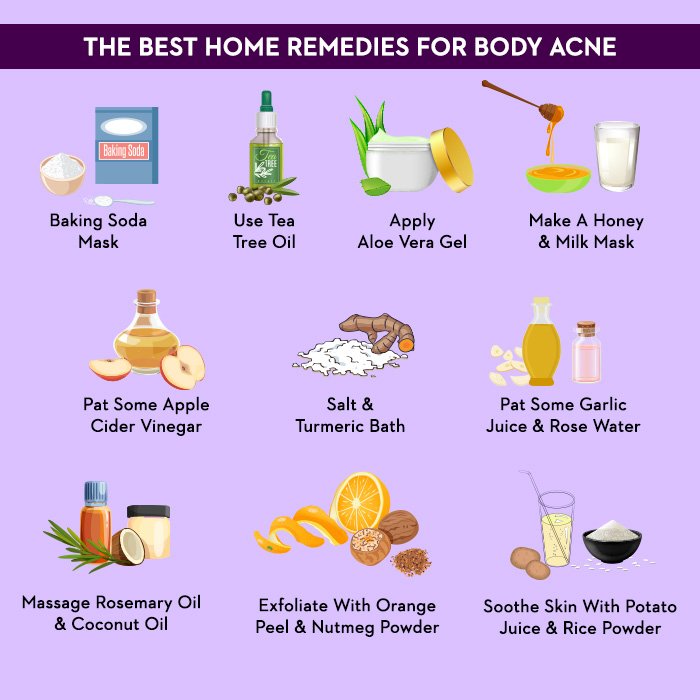
Tea tree oil is a powerful natural ingredient known for its antibacterial properties. It can effectively kill the acne-causing bacteria on the skin and reduce inflammation. To use tea tree oil for zit treatment, dilute a few drops with a carrier oil like jojoba oil or coconut oil and apply it to the affected area using a cotton swab. Leave it on for a few hours or overnight and rinse off with water. Be sure to patch test before applying it to your face, as some people may be sensitive to tea tree oil.
Aloe vera
Aloe vera has long been hailed for its soothing and healing properties. It contains anti-inflammatory compounds that can help reduce redness and swelling associated with zits. Extract fresh aloe vera gel from the plant and apply it directly to the affected area. Leave it on for 15-20 minutes, then rinse off with water. Aloe vera can also be found in many skincare products, so look for those that contain a high percentage of pure aloe vera gel for maximum benefits.
Honey
Honey is a natural humectant, meaning it helps to lock in moisture and keep the skin hydrated. It also has antibacterial properties that can help combat zit-causing bacteria. Apply a thin layer of raw honey to the affected area and leave it on for 15-20 minutes before rinsing off with water. The sticky texture of honey can make it a little messy to apply, so it’s best to do this treatment over a sink or in the shower.
Lemon juice
Lemon juice is a natural astringent that can help reduce oiliness and tighten the pores, making it an effective treatment for zits. Squeeze fresh lemon juice and dilute it with equal parts water. Dip a cotton ball into the mixture and apply it to the affected area, avoiding any open wounds or sensitive skin. Leave it on for 10-15 minutes, then rinse off with water. Lemon juice can make your skin more sensitive to the sun, so be sure to apply sunscreen before going outside.

Homemade Face Masks
Baking soda and water mask
Baking soda has properties that help to exfoliate the skin and remove dead skin cells, making it an excellent ingredient for a zit-fighting face mask. Mix equal parts baking soda and water to form a paste. Apply the paste to the affected area, gently massaging it into the skin using circular motions. Leave it on for 10-15 minutes, then rinse off with water. Baking soda can be drying, so be sure to moisturize your skin afterward.
Turmeric and honey mask
Turmeric is a powerful anti-inflammatory ingredient that can help reduce redness and inflammation associated with zits. Mix one teaspoon of turmeric powder with one tablespoon of honey to form a paste. Apply the paste to the affected area and leave it on for 15-20 minutes before rinsing off with water. Be cautious when using turmeric, as it can stain clothing and surfaces.
Oatmeal and yogurt mask
Oatmeal has soothing properties that can help calm irritated and inflamed skin, while yogurt contains lactic acid, which helps to exfoliate and brighten the skin. Mix equal parts cooked oatmeal and plain yogurt to form a paste. Apply the paste to the affected area and leave it on for 15-20 minutes before rinsing off with water. This mask is gentle enough to be used daily and can provide relief for zits and other skin concerns.
Lifestyle Adjustments
Manage stress levels
Stress can wreak havoc on your skin, exacerbating zits and other skin conditions. When you are stressed, your body produces more cortisol, a hormone that can increase oil production and inflammation in the skin. Engaging in stress-management techniques like exercise, meditation, deep breathing, and getting enough sleep can help reduce stress levels and improve your overall skin health.
Limit makeup usage
While makeup can be a great tool for enhancing your natural beauty, excessive use of certain products can clog the pores and contribute to zit formation. Opt for non-comedogenic or oil-free makeup products and avoid heavy, pore-clogging foundations or powders. Be sure to remove your makeup thoroughly before going to bed to allow your skin to breathe and regenerate overnight.
Avoid touching the face
Our hands come into contact with countless germs and bacteria throughout the day, and touching your face can transfer those bacteria onto your skin, leading to zit formation. Avoid touching your face unnecessarily and be mindful of where you rest your hands. If you feel the need to touch your face, be sure to wash your hands thoroughly first.
Regular exercise
Engaging in regular exercise not only benefits your overall health but also promotes healthy skin. Exercise increases blood flow to the skin, which nourishes the cells and helps to remove toxins. It also reduces stress levels and can improve hormonal balance, both of which contribute to zit prevention. Aim for at least 30 minutes of moderate-intensity exercise, such as brisk walking, jogging, or cycling, on most days of the week.
Over-the-counter Remedies
Salicylic acid
Salicylic acid is a common ingredient found in many over-the-counter zit treatments. It works by exfoliating the skin and unclogging the pores, helping to prevent zit formation. Look for cleansers, toners, or spot treatments that contain 2% salicylic acid and use them according to the instructions on the packaging. Be sure to start with a lower concentration if you have sensitive skin and gradually increase the strength if necessary.
Benzoyl peroxide
Benzoyl peroxide is another popular ingredient that is effective in treating zits. It kills the bacteria that cause acne and helps to unclog the pores. Benzoyl peroxide can be found in various forms, including cleansers, creams, and gels. Start with a lower concentration, around 2.5% or 5%, and gradually increase if needed. Keep in mind that benzoyl peroxide can cause dryness and irritation, so be sure to moisturize your skin and follow the instructions provided.
Sulfur-based products
Sulfur has been used for centuries to treat acne and is known for its antibacterial and anti-inflammatory properties. Sulfur-based products work by reducing oiliness and killing the bacteria that contribute to zit formation. Look for sulfur-based cleansers, masks, or spot treatments and use them as directed. Keep in mind that sulfur products can have a distinct smell, but the benefits they offer to zit-prone skin outweigh the temporary odor.
Avoid Popping the Zits
Reasons to avoid popping
While it may be tempting to pop a zit to alleviate its appearance or discomfort, it is best to resist the urge. Popping zits can lead to a variety of negative consequences, including the spread of bacteria, increased inflammation, scarring, and delayed healing. When you squeeze a zit, you risk pushing the bacteria deeper into the skin, which can lead to more severe breakouts or the development of cysts. It is best to allow zits to heal on their own or seek professional advice for safe extraction.
How to deal with whiteheads and blackheads
Whiteheads and blackheads are common forms of zits that can be safely managed at home without popping them. To deal with whiteheads, apply a warm compress to the affected area to soften the skin and loosen the debris trapped inside the pore. Gently press down on the sides of the whitehead using clean fingertips or a clean cotton swab to encourage the pus to come out. Clean the area with a gentle cleanser and apply a spot treatment containing benzoyl peroxide or salicylic acid.
To deal with blackheads, use gentle exfoliation and cleansing techniques to remove the buildup of dead skin cells and oil that contribute to their formation. Look for products containing salicylic acid or use a gentle scrub to exfoliate the skin. Regularly using a pore strip can also help to remove stubborn blackheads. It is important to remember that results may take time, and consistency is key in managing whiteheads and blackheads effectively.

Seek Professional Advice
When to consult a dermatologist
While most zits can be effectively managed with a consistent skincare routine and lifestyle adjustments, there are times when it is necessary to seek professional advice. If your zits are severe, persistent, or causing significant distress, it is best to consult a dermatologist. They can evaluate your skin condition, identify the underlying causes of your zits, and recommend appropriate treatment options. They may prescribe stronger medications, such as retinoids or antibiotics, or perform procedures like extractions, chemical peels, or laser therapy to help clear your skin.
Prescription medications
In some cases, over-the-counter remedies may not provide the desired results, and prescription medications may be necessary. Dermatologists can prescribe topical or oral medications that specifically target zit-causing bacteria, reduce inflammation, regulate hormone levels, or promote skin renewal. It is important to follow the prescribed regimen exactly as instructed and communicate any concerns or side effects with your dermatologist.
Preventing Future Zits
Maintain a consistent skincare routine
Preventing future zits requires maintaining a consistent skincare routine that includes cleansing, exfoliating, toning, and moisturizing. Stick to the products that work well for your skin and avoid introducing too many new products at once, as this can cause irritation or sensitivity. Be sure to remove makeup before bed, cleanse your face morning and night, exfoliate 1-2 times per week, and moisturize daily. Consistency is key to keeping your skin healthy and zit-free.
Keep hair clean and away from the face
Hair can be a major source of oil, dirt, and bacteria that can contribute to zit formation. Keeping your hair clean and away from your face can help prevent zits on the forehead, cheeks, and jawline. Tie your hair back when sleeping or during activities that may cause excessive sweating. Avoid using heavy hair products like gels or oils that can transfer onto the skin and clog the pores.
Avoid using harsh products
Using harsh or abrasive skincare products can strip the skin of its natural oils and disrupt its delicate balance, leading to increased oil production and zits. Avoid products that contain harsh ingredients like alcohol, sulfates, or fragrances. Opt for gentle, non-comedogenic products that are specifically formulated for acne-prone skin. Listen to your skin and pay attention to how it reacts to different products. If a product causes irritation or worsens your zits, discontinue use and try something gentler.
In conclusion, understanding zits and implementing a comprehensive skincare routine, making dietary changes, utilizing natural ingredients, adopting homemade face masks, making lifestyle adjustments, using over-the-counter remedies, avoiding popping zits, seeking professional advice when needed, and following preventive measures can all contribute to clearer, healthier skin. While there is no one-size-fits-all approach to treating and preventing zits, with patience and consistency, you can achieve a more radiant complexion and boost your confidence in the process. Remember, taking care of your skin is an ongoing journey, and it is important to listen to your skin’s unique needs and adapt your routine accordingly. Here’s to achieving your skin goals and embracing the best version of you!
Related Terms About Natural Remedy For Zits
Home Remedy For Acne And Scars,
Home Remedy For Acne In Face,
Home Remedy For Acne Redness,
Home Remedy For Acne Redness And Swelling,
Home Remedy For Acne Winter,
Home Remedy For Acne With Pus,
Home Remedy For Blemishes And Dark Spots,
Home Remedy For Blemishes And Pigmentation,
Home Remedy For Bumps On Upper Lip,