
You’re ready to ditch the harsh chemicals and embrace a gentler approach to clearer skin. As your Listicle Content Architect (LCA), I’ve curated this definitive guide to natural ways to reduce acne. Get ready to transform your skincare routine from the inside out.
You are what you eat, and your skin is a direct reflection of your internal health. When it comes to acne, your diet plays a surprisingly significant role. Think of your skin as a canvas; the nutrients you provide will determine the quality of the masterpiece. It’s not about deprivation, but about strategic choices that nourish your complexion.
Understanding the Inflammatory Connection
Many processed and sugary foods trigger inflammation throughout your body, which can manifest as angry red bumps on your face. These foods can spike your blood sugar, leading to hormonal fluctuations that exacerbate acne. By opting for whole, unprocessed foods, you’re essentially dialing down the internal fire that fuels breakouts.
The Sweet Spot: Reducing Sugar Intake
This is often the hardest, but most impactful, change you can make. Sugary drinks, pastries, processed snacks, and even hidden sugars in sauces and yogurts are acne’s best friends. When you consume sugar, your body releases insulin, which in turn can boost androgen production. Androgens are hormones that increase sebum (oil) production, creating a perfect breeding ground for acne bacteria.
- Swap sugary drinks for water: Infuse your water with fruits like lemon, cucumber, or berries for a refreshing, sugar-free alternative.
- Rethink your breakfast: Move away from sugary cereals and opt for a high-protein breakfast like eggs or Greek yogurt with berries.
- Read labels carefully: Be mindful of added sugars in seemingly healthy foods like granola bars and canned fruits.
Embrace the Good Fats: Omega-3s to the Rescue
Don’t fear fats! Healthy fats, particularly omega-3 fatty acids, are crucial for reducing inflammation and supporting skin health. They can help calm your immune system and reduce the inflammatory response that leads to acne.
- Include fatty fish in your diet: Salmon, mackerel, and sardines are excellent sources of omega-3s. Aim for at least two servings per week.
- Incorporate plant-based sources: Walnuts, flaxseeds, and chia seeds are also fantastic for omega-3 intake. Sprinkle them on your yogurt, oatmeal, or add them to smoothies.
- Consider an omega-3 supplement: If you struggle to get enough through your diet, a high-quality omega-3 supplement can be beneficial.
The Antioxidant Arsenal: Fighting Free Radicals
Antioxidants are your skin’s superheroes, battling free radicals that can damage skin cells and contribute to inflammation. Foods rich in antioxidants can help protect your skin and promote healing.
- Load up on colorful fruits and vegetables: Berries, leafy greens (spinach, kale), bell peppers, and carrots are packed with vitamins and antioxidants.
- Enjoy green tea: This beverage is loaded with catechins, powerful antioxidants that have anti-inflammatory properties and can help reduce sebum production.
- Don’t forget vitamin C: Citrus fruits, kiwi, and bell peppers are excellent sources of vitamin C, which is essential for collagen production and skin repair.
The Gut-Skin Connection: Probiotics and Prebiotics
Did you know your gut health is intricately linked to your skin’s health? A balanced gut microbiome can help reduce inflammation and improve overall skin function. Probiotics introduce beneficial bacteria to your gut, while prebiotics are the food for these good bacteria.
- Fermented foods are your friends: Yogurt (plain, unsweetened), kefir, sauerkraut, and kimchi are fantastic sources of probiotics.
- High-fiber foods are prebiotic powerhouses: Onions, garlic, asparagus, bananas, and whole grains feed your beneficial gut bacteria.
- Consider a probiotic supplement: If your diet lacks fermented foods, a daily probiotic supplement can be a good option.
Hydration is Key: The Unsung Hero
Water is fundamental for every bodily function, and your skin is no exception. Proper hydration helps to flush out toxins, keep your skin cells plump and healthy, and can even improve your skin’s ability to regulate oil production.
- Aim for at least 8 glasses of water a day: Adjust this based on your activity level and climate.
- Listen to your body’s thirst cues: Don’t wait until you’re parched to drink.
- Herbal teas count too: Many herbal teas are hydrating and can offer additional benefits.
2. Topical Treatments: Nature’s Gentle Warriors for Your Skin
While diet addresses acne from the inside, topical treatments directly target breakouts and inflammation on the surface. You don’t need harsh chemicals to achieve results; nature offers a wealth of potent, yet gentle, ingredients.
Tea Tree Oil: The Natural Antibacterial Powerhouse
For decades, tea tree oil has been revered for its potent antimicrobial and anti-inflammatory properties. It’s a natural fighter against Propionibacterium acnes, the bacteria that contributes to breakouts.
- Dilution is critical: Never apply undiluted tea tree oil to your skin, as it can cause irritation. Mix 1-2 drops with a teaspoon of a carrier oil like jojoba, coconut, or almond oil.
- Spot treatment hero: Apply your diluted mixture directly to individual blemishes using a clean cotton swab.
- Facial toner enhancement: Add a few drops to your favorite natural facial toner for a generalized skin-clearing effect.
- Patch test first: Before applying to your face, test a small diluted amount on your inner wrist to ensure you don’t have a reaction.
Witch Hazel: The Soothing Astringent
Witch hazel is a natural astringent derived from the witch hazel shrub. It helps to reduce inflammation, tighten pores, and remove excess oil without over-drying your skin.
- Alcohol-free is best: Look for an alcohol-free witch hazel toner to avoid stripping your skin of its natural moisture.
- Post-cleansing swipe: Apply a small amount to a cotton pad and gently swipe it over your cleansed face to remove residual impurities and calm inflammation.
- Soothe irritation: It can also be used on other areas of irritation, like razor burn.
Aloe Vera: The Calming Healer
Known for its incredible soothing and healing properties, aloe vera is a natural wonder for inflamed and irritated skin. It contains compounds that reduce inflammation, promote cell regeneration, and hydrate your skin.
- Fresh is fantastic: If you have an aloe vera plant, gently extract the gel from a leaf. Make sure to scrape off any yellow latex, which can be irritating.
- Cooling compress: Apply a thin layer of fresh aloe vera gel to your face and leave it on for 10-15 minutes before rinsing with cool water.
- Overnight treatment: For a more intensive treatment, apply a thicker layer before bed and rinse off in the morning.
- Soothing sunburn relief: It’s also excellent for calming sunburns, which can sometimes exacerbate acne.
Honey: Nature’s Antibacterial and Moisturizing Mask
Raw honey, particularly manuka honey, is a potent natural antibiotic and humectant (meaning it draws moisture to the skin). Its antibacterial properties help to fight acne-causing bacteria, while its moisturizing qualities keep your skin supple.
- Manuka honey is the gold standard: While other raw honeys offer benefits, manuka honey has superior antibacterial properties.
- Apply as a mask: Spread a thin layer of raw honey over your clean face and leave it on for 15-20 minutes. Rinse thoroughly with warm water.
- A touch of sweetness for blemishes: For a targeted treatment, apply a tiny dab of honey directly to a zit overnight.
Clay Masks: Drawing Out Impurities
Clay masks are a fantastic way to deep cleanse your pores and absorb excess oil. Different types of clay offer slightly different benefits, but all are effective at drawing out impurities that can lead to breakouts.
- Bentonite clay: Known for its strong detoxifying properties, it’s excellent for oily and acne-prone skin.
- Kaolin clay: A gentler option, ideal for sensitive skin, it helps to absorb oil and impurities without being overly drying.
- French green clay: Rich in minerals, it helps to tone and purify the skin.
- Mixing your mask: Mix your chosen clay with water, apple cider vinegar (diluted!), or plain yogurt to create a paste. Apply to your face, let it dry (but not crack), and rinse with warm water.
3. Lifestyle Habits: Creating an Acne-Resistant Environment
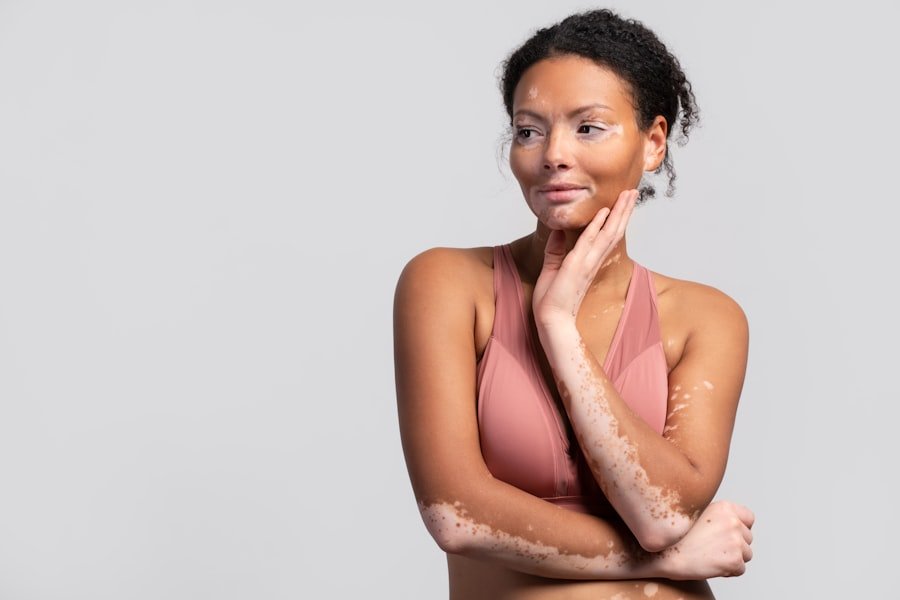
Beyond diet and topical treatments, your daily habits significantly influence your skin’s health. By adopting a few simple lifestyle changes, you can create an environment that is less conducive to acne formation.
The Art of Gentle Cleansing
Over-cleansing or using harsh cleansers can strip your skin of its natural oils, causing it to produce even more oil in an attempt to rebalance. The key is to cleanse effectively but gently.
- Choose a mild cleanser: Opt for a pH-balanced, sulfate-free cleanser that won’t strip your skin.
- Wash twice a day: Cleanse your face in the morning to remove overnight buildup and in the evening to remove makeup, dirt, and oil.
- Lukewarm water is your friend: Hot water can strip your skin’s natural oils, while cold water might not be effective enough at removing impurities.
- Pat, don’t rub: After cleansing, gently pat your face dry with a clean towel.
The Dangers of Touching Your Face
Your hands are a breeding ground for bacteria and dirt. Every time you touch your face, you’re potentially transferring these to your pores, leading to congestion and breakouts.
- Be mindful of unconscious habits: Notice when you rest your chin on your hands or touch your face throughout the day.
- Keep your hands busy: If you find yourself idly touching your face, try engaging your hands in another activity like fiddling with a stress ball.
- Clean your phone screen regularly: Your phone is something you touch constantly and then bring to your face.
The Importance of Quality Sleep
Sleep is not a luxury; it’s a necessity for your body’s repair processes, and that includes your skin. During sleep, your skin cells regenerate and repair themselves. Lack of sleep can lead to increased stress hormones, which can trigger acne.
- Aim for 7-9 hours of quality sleep: Establish a regular sleep schedule, even on weekends.
- Create a calming bedtime routine: This could include a warm bath, reading, or gentle stretching.
- Ensure your bedroom is dark and cool: This promotes better sleep quality.
Stress Management: A Calm Mind, A Clearer Complexion
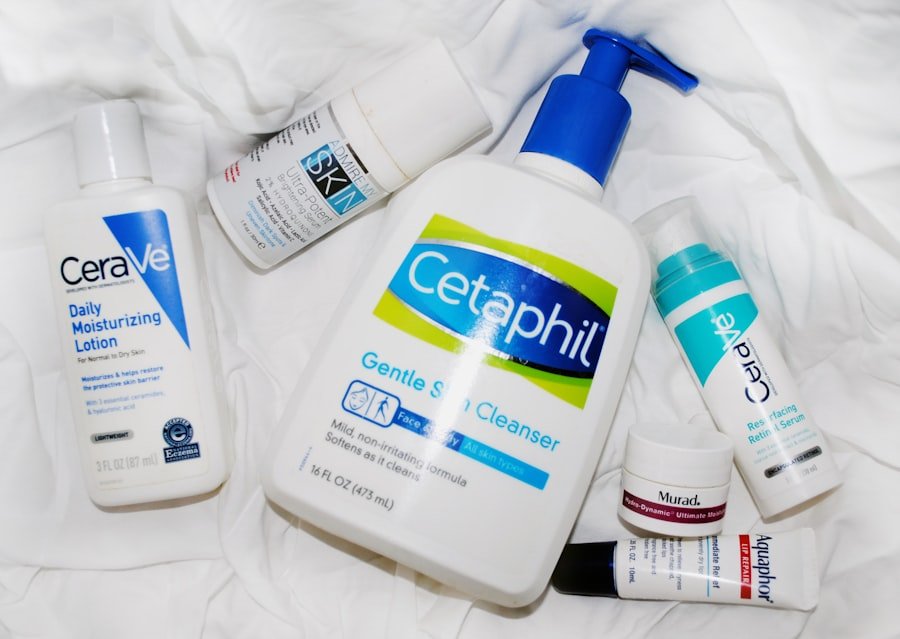
Stress is a major trigger for acne in many people. When you’re stressed, your body releases cortisol, a hormone that can increase oil production and inflammation. Finding healthy ways to manage stress is crucial for clear skin.
- Mindfulness and meditation: Even a few minutes of daily meditation can make a significant difference.
- Deep breathing exercises: When you feel overwhelmed, take slow, deep breaths to calm your nervous system.
- Regular exercise: Physical activity is a fantastic stress reliever. Aim for at least 30 minutes of moderate-intensity exercise most days of the week.
- Spend time in nature: Being outdoors has been proven to reduce stress levels.
- Engage in hobbies: Make time for activities you enjoy and that help you relax.
Hair and Hygiene: Subtle but Significant Factors
The products you use on your hair and your overall hygiene habits can also contribute to breakouts, particularly along your hairline and on your back and chest.
- Keep hair products away from your face: Many hair styling products contain oils and silicones that can clog pores. Try to keep your hair off your face, especially when sleeping.
- Wash your hair regularly: This is especially important if you have oily hair.
- Clean your pillowcases frequently: Your pillowcase can accumulate oil, sweat, and bacteria. Aim to change it every few days.
- Shower after sweating: If you exercise or sweat a lot, shower as soon as possible afterward to remove pore-clogging sweat and oil.
- Consider back and chest acne: If you experience breakouts on your body, be mindful of showering immediately after exercise and using gentle body washes on those areas.
4. Herbal Remedies: Harnessing the Power of Plants
| Method | Effectiveness | Notes |
|---|---|---|
| Tea Tree Oil | High | Has antibacterial and anti-inflammatory properties |
| Aloe Vera | Moderate | Helps reduce inflammation and redness |
| Green Tea | Moderate | Contains antioxidants and can reduce sebum production |
| Apple Cider Vinegar | Low | May help balance skin pH, but can cause irritation |
| Probiotics | Low | May help reduce inflammation and improve gut health |
Nature has provided us with a vast pharmacopeia of herbs that possess properties beneficial for managing acne. These botanical wonders have been used for centuries for their healing and clarifying effects.
Calendula: The Anti-inflammatory Soother
Calendula, also known as pot marigold, is renowned for its anti-inflammatory, antiseptic, and wound-healing properties. It can help to calm redness and irritation associated with acne while promoting faster healing.
- Calendula cream or salve: Look for high-quality creams or salves containing calendula extract. Apply them to affected areas to soothe inflammation and reduce redness.
- Calendula infused oil: You can also make your own calendula-infused oil by steeping dried calendula flowers in a carrier oil like olive or almond oil for several weeks.
- Toner alternative: Diluted calendula tea can also be used as a gentle, anti-inflammatory facial rinse.
Chamomile: The Gentle Soother and Antioxidant
Chamomile is most commonly known for its calming properties, making it an excellent choice for soothing stressed and inflamed skin. It also contains antioxidants that can help protect your skin from damage.
- Chamomile tea compress: Steep a chamomile tea bag in hot water, let it cool, and then apply the cooled tea bag to affected areas for a soothing effect.
- Chamomile infused water: Brew a strong cup of chamomile tea, let it cool completely, and use it as a facial mist or toner.
- Diluted essential oil: If you have high-quality chamomile essential oil, dilute it with a carrier oil and apply it as a spot treatment.
Green Tea: A Topical Antioxidant Bomb
As mentioned in the diet section, green tea is fantastic when consumed, but it’s also a powerful ingredient when applied topically. Its catechins, particularly EGCG, have potent antioxidant and anti-inflammatory properties that can help reduce sebum production and fight acne bacteria.
- Green tea toner: Brew a strong cup of organic green tea, let it cool completely, and store it in a spray bottle. Use it as a refreshing facial toner throughout the day.
- DIY green tea mask: Mix cooled green tea with a bit of honey or yogurt for a nourishing and acne-fighting mask.
- Steam inhalation: Add a green tea bag to a bowl of hot water and lean over it with a towel draped over your head. The steam will help open your pores, allowing the beneficial compounds to penetrate.
Nettle: The Detoxifying and Anti-inflammatory Herb
Nettle, often considered a pesky weed, is actually a nutritional powerhouse and a potent anti-inflammatory herb. It can help to detoxify the body and reduce inflammation, both of which are beneficial for acne-prone skin.
- Nettle tea for internal cleansing: Drinking nettle tea regularly can support your body’s detoxification processes.
- Nettle infused oil: Similar to calendula, nettle can be infused into oils for topical application to help calm inflammation and irritation.
- Topical application of diluted infusion: A diluted, cooled infusion of nettle can be used as a gentle facial rinse.
Rosehip Seed Oil: For Scarring and Regeneration
While not directly an acne fighter, rosehip seed oil is incredibly beneficial for post-acne care. It’s rich in essential fatty acids, vitamin C, and retinoids (a natural form of vitamin A), which help to regenerate skin cells, fade acne scars, and improve overall skin texture.
- Apply as a serum: After cleansing and toning, apply a few drops of pure rosehip seed oil to your face and gently massage it in.
- Moisturizer booster: Mix a drop or two into your regular moisturizer for an added boost of regeneration.
- Targeting dark spots: Its ability to fade hyperpigmentation makes it excellent for targeting post-inflammatory hyperpigmentation (PIH).
5. The Holistic Approach: Connecting Mind, Body, and Skin
True skin transformation isn’t just about isolated treatments; it’s about embracing a holistic approach that recognizes the interconnectedness of your mind, body, and skin. When you address acne from all angles, you achieve more profound and lasting results.
Understanding Your Triggers: A Personalized Journey
What works for one person might not work for another. The most effective natural approach involves understanding your unique triggers and tailoring your strategies accordingly.
- Keep a skincare journal: Document what you eat, your stress levels, your menstrual cycle, and any new products you use. This will help you identify patterns and triggers.
- Observe your skin’s reactions: Pay attention to how your skin responds to different foods, stress levels, and topical treatments.
- Be patient: Natural solutions often take time to show results. Consistency is key.
The Importance of Consistency and Patience
This is perhaps the most crucial element of any natural skincare journey. You won’t achieve a flawless complexion overnight. Embrace the process and trust that with consistent effort, your skin will respond positively.
- Set realistic expectations: Understand that some breakouts may still occur, but the frequency and severity will likely decrease.
- Don’t give up too soon: If you don’t see immediate results, don’t get discouraged. Stick with your routine for at least 4-6 weeks before making major changes.
- Celebrate small victories: Acknowledge and appreciate the progress your skin is making, no matter how small.
When to Seek Professional Guidance
While natural methods are powerful, there are times when professional advice is necessary. If your acne is severe, persistent, or causing significant distress, don’t hesitate to consult a dermatologist or a qualified healthcare professional.
- Severe or cystic acne: These types of acne may require prescription treatments or professional interventions.
- Scarring: If you’re concerned about acne scarring, a dermatologist can recommend treatments to minimize their appearance.
- Underlying medical conditions: In some cases, acne can be a symptom of an underlying medical condition that needs to be addressed.
Creating a Supportive Skincare Routine
Your daily skincare routine should be a ritual that nourishes and cares for your skin, not a chore. Make it an enjoyable experience that promotes relaxation and well-being.
- Dedicate time for self-care: Whether it’s a 15-minute mask or a relaxing evening cleanse, carve out time for your skin.
- Be mindful of your ingredients: Choose products with natural, recognizable ingredients that you can understand.
- Listen to your skin: If your skin feels dry, moisturize. If it feels oily, use a gentle cleanser.
By embracing these natural approaches, you’re not just treating acne; you’re investing in the long-term health and radiance of your skin. You are empowering yourself with knowledge and taking control of your complexion. Remember, you’ve got this!
FAQs
What are some natural ways to reduce acne?
Some natural ways to reduce acne include using tea tree oil, applying green tea extract, using aloe vera, and incorporating a healthy diet with plenty of fruits and vegetables.
How does tea tree oil help reduce acne?
Tea tree oil has natural antibacterial and anti-inflammatory properties that can help reduce acne. It can also help to unclog pores and reduce the appearance of acne scars.
What are the benefits of using green tea extract for acne?
Green tea extract contains antioxidants and anti-inflammatory properties that can help reduce acne and calm irritated skin. It can also help to regulate sebum production and reduce the appearance of acne.
How does aloe vera help with acne?
Aloe vera has anti-inflammatory and antibacterial properties that can help reduce acne and soothe irritated skin. It can also help to moisturize the skin without clogging pores.
How does diet affect acne?
A diet high in processed foods, sugar, and dairy products can contribute to acne. On the other hand, a diet rich in fruits, vegetables, and whole grains can help reduce inflammation and improve overall skin health.