Congratulations on your pregnancy! As you embark on this beautiful journey, it’s important to be aware of certain risks and take necessary precautions to keep you and your baby safe. One such risk is listeriosis, a foodborne illness that can have serious consequences. In this article, we will explore the dangers of listeriosis during pregnancy and discuss effective preventive measures to ensure a healthy and worry-free pregnancy. So let’s dive in and learn more about this potential threat and how you can protect yourself and your little one.
Pregnancy and Listeriosis: Risks and Precautions
Pregnancy is an exciting and joyous time in a woman’s life, but it also comes with a heightened awareness of potential risks and precautions. One such concern is listeriosis, a foodborne illness caused by the bacterium Listeria monocytogenes. In this article, we will explore what listeriosis is, the dangers it poses during pregnancy, risk factors for contracting the infection, symptoms to watch out for, complications that can arise, and steps you can take to prevent listeriosis while pregnant.

What is Listeriosis?
Listeriosis is a serious infection caused by consuming food contaminated with Listeria monocytogenes. This bacterium is commonly found in soil, water, and some animals. It can contaminate a variety of foods, including unpasteurized dairy products, deli meats, and certain produce.
The Dangers of Listeriosis during Pregnancy
Listeriosis poses particular risks to pregnant women and their developing fetuses. The immune system undergoes changes during pregnancy, making pregnant women more susceptible to infections like listeriosis. If contracted during pregnancy, listeriosis can lead to severe complications for both the mother and the baby.

Risk Factors for Contracting Listeriosis during Pregnancy
While any pregnant woman can contract listeriosis, certain factors can increase the likelihood. A weakened immune system, whether due to illness or medication, can make you more susceptible to infections. Age also plays a role, with women under 30 being at a higher risk. Additionally, occupation and environment, such as working with animals or in healthcare settings, and underlying health conditions can increase the chances of contracting listeriosis.
Symptoms of Listeriosis
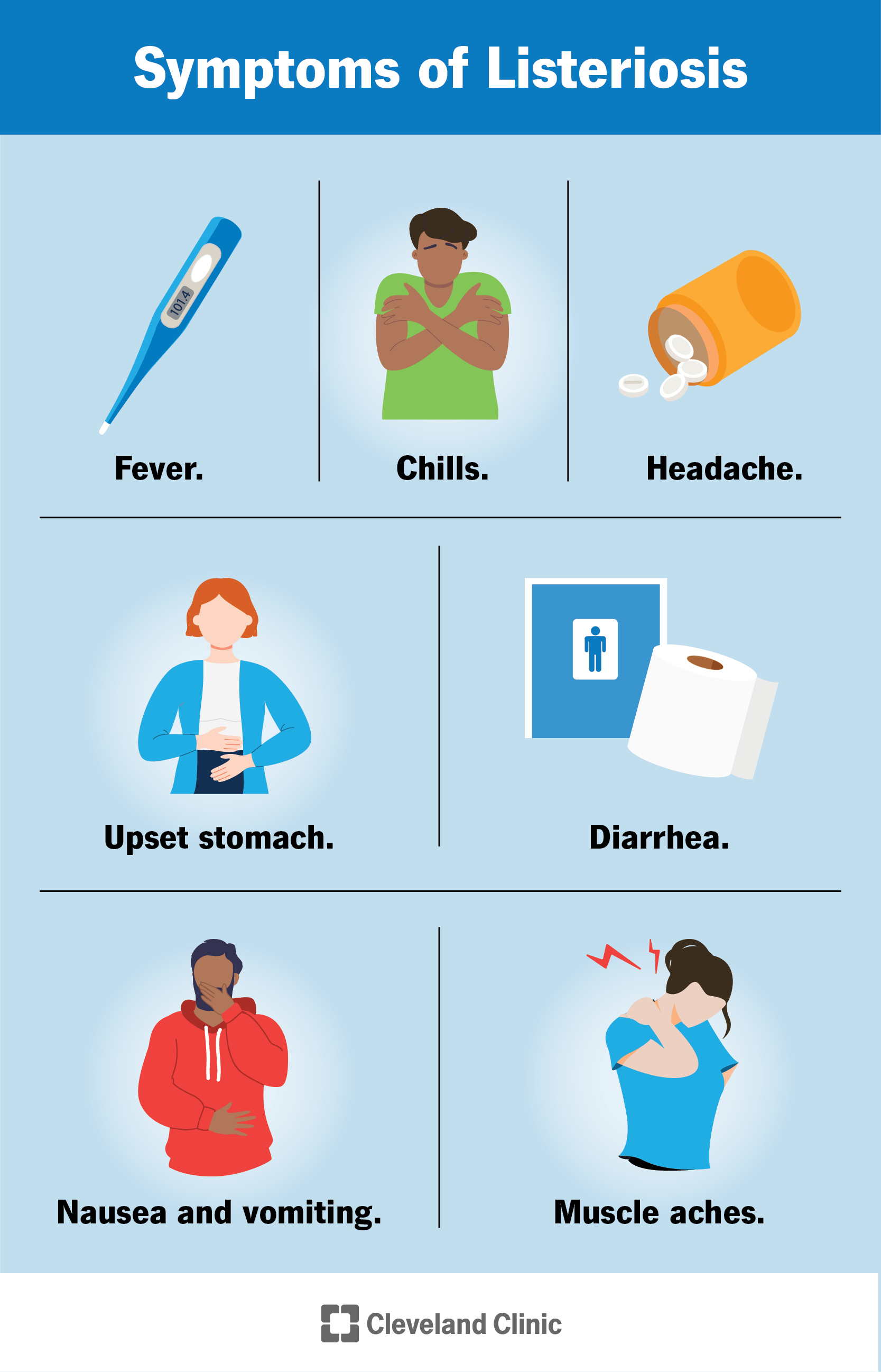
The symptoms of listeriosis can vary and may resemble the flu or other gastrointestinal illnesses. Early symptoms can include fever, muscle aches, headache, nausea, and diarrhea. Later symptoms can include stiff neck, confusion, loss of balance, and convulsions. If you experience any of these symptoms, it is essential to consult your healthcare provider.
Complications of Listeriosis during Pregnancy
Listeriosis can lead to complications both for the mother and the developing fetus. In pregnant women, the infection can cause flu-like symptoms, but it can also result in more severe issues such as meningitis or blood infections. For the fetus, listeriosis can lead to miscarriage, stillbirth, premature birth, or severe health problems after birth.
How Listeriosis can Affect the Fetus
Listeriosis can be transmitted from the mother to the fetus during pregnancy, labor, or delivery. The infection, even if the mother remains asymptomatic, can have serious consequences for the developing fetus. Listeriosis can lead to miscarriage, low birth weight, developmental delays, intellectual disabilities, and even life-threatening infections in newborns.

Preventing Listeriosis during Pregnancy
Prevention is key when it comes to listeriosis during pregnancy. Educating yourself about the risks and taking appropriate precautions can significantly reduce the chances of contracting this infection.
Safe food handling practices are essential in preventing listeriosis. This includes thoroughly washing hands, utensils, and surfaces before and after handling food. It is crucial to separate raw and cooked foods to prevent cross-contamination. Additionally, cooking foods thoroughly and reheating them to the appropriate temperature can kill any potential Listeria bacteria.
Certain foods are known to have a higher risk of Listeria contamination and should be avoided. These include unpasteurized dairy products, such as soft cheese, as well as deli meats, hot dogs, and refrigerated smoked seafood. It is safer to opt for pasteurized dairy products and to heat deli meats until steaming before consuming them.
Proper hygiene and cleaning practices also play a significant role in preventing listeriosis. Regularly cleaning and sanitizing surfaces in the kitchen and other areas where food is prepared and consumed can eliminate potential Listeria contamination.
When to Seek Medical Attention
If you suspect that you may have contracted listeriosis, it is important to seek medical attention promptly. A healthcare provider can diagnose the infection through blood or other laboratory tests and provide appropriate treatment if necessary. Additionally, if you experience any signs of fetal complications, such as decreased fetal movement or abnormal ultrasound findings, it is crucial to consult your obstetrician for further evaluation and monitoring.
In conclusion, while listeriosis poses risks during pregnancy, you can take steps to minimize the chances of contracting this infection. By practicing safe food handling practices, avoiding risky foods, maintaining proper hygiene, and seeking medical attention when needed, you can safeguard your health and the health of your baby. Remember, knowledge and precaution are your allies in ensuring a healthy and happy pregnancy.
