
You’re struggling with that persistent reminder of past breakouts – the dark spots and red marks that acne leaves behind. It’s frustrating, right? You conquered the zit, but its shadow lingers, affecting your confidence. Well, as your Listicle Content Architect (LCA), I’m here to guide you through the art of preventing acne discoloration. This isn’t just about treating active acne; it’s about proactive protection and smart strategies to ensure your skin heals beautifully, without those lingering marks. Get ready to unlock the secrets to a clearer, more even-toned complexion.
Before you can fight it, you need to know it. Acne discoloration isn’t a single entity; it’s largely categorized into two main types: Post-Inflammatory Hyperpigmentation (PIH) and Post-Inflammatory Erythema (PIE). Understanding the difference is crucial for choosing the most effective prevention and treatment strategies.
What is Post-Inflammatory Hyperpigmentation (PIH)?
PIH is what most people think of when they talk about dark spots left by acne. It’s a darkening of the skin that occurs after an inflammatory lesion, like a pimple, has healed. When your skin is injured or inflamed, it triggers a response in the melanocytes – the cells responsible for producing melanin, the pigment that gives your skin its color.
- The Mechanism: In response to inflammation, melanocytes can become overactive, producing an excess amount of melanin. This extra pigment accumulates in the epidermis (the outer layer of your skin) or sometimes deeper in the dermis (the middle layer), resulting in brownish, grayish, or even blackish spots.
- Who is Most Affected? PIH is more common and often more prominent in individuals with medium to dark skin tones. This is because their skin already has more melanin. While lighter skin tones can experience PIH, it may appear as less intense brown spots or sometimes pinkish-red marks, which can be confused with PIE.
- Triggers for PIH:
- Inflammation Level: Deeper, more inflamed acne lesions (cysts and nodules) are more likely to cause significant PIH than superficial whiteheads or blackheads.
- Picking or Squeezing: This is a major culprit. When you pick, squeeze, or pop pimples, you’re essentially creating further injury and increasing inflammation. This trauma further signals melanocytes to go into overdrive.
- Sun Exposure: The sun is PIH’s best friend (for making it worse, that is). UV radiation stimulates melanin production, exacerbating and darkening existing PIH marks, making them more noticeable and harder to fade.
- Genetics: Some individuals are genetically predisposed to developing PIH more readily than others.
What is Post-Inflammatory Erythema (PIE)?
PIE refers to the red or pink marks that acne can leave behind. Unlike PIH, which is caused by excess pigment, PIE is a result of damaged blood vessels near the skin’s surface.
- The Mechanism: When a pimple is inflamed, it causes dilation (widening) of the small blood vessels (capillaries) in the dermis. After the inflammation subsides, these capillaries can remain dilated, causing the skin to appear red or pink. In some cases, the inflammation can even damage the tiny capillaries, leading to visible redness that persists.
- Who is Most Affected? PIE is more common in individuals with lighter skin tones. Their skin’s natural lack of pigment makes the redness from dilated blood vessels more apparent.
- Triggers for PIE:
- Inflammation: Again, the degree and depth of inflammation play a significant role. Inflammatory acne lesions are the primary cause of PIE.
- Picking and Squeezing: Similar to PIH, picking at acne damages the delicate capillary network, leading to and prolonging redness.
- Heat: Exposure to heat, whether from the sun, hot showers, or saunas, can further dilate blood vessels, making PIE more noticeable.
- Certain Skincare Ingredients: While less common, some harsh skincare ingredients can irritate the skin and cause temporary redness, which can be mistaken for PIE or worsen existing PIE.
The Overlap and Why Prevention is Key
It’s important to note that you can experience both PIH and PIE from the same breakout. For example, a deep, inflamed pimple might initially cause redness (PIE) and then, as it heals, lead to dark spots (PIH). The key takeaway unified by both conditions is that inflammation is the root cause. Therefore, the most effective strategy is to prevent and minimize inflammation in the first place.
2. Taming the Zits: Proactive Acne Treatment and Management
The most direct way to prevent acne discoloration is to prevent acne itself, or at the very least, to manage existing breakouts effectively and gently. The less inflammation and damage you inflict on your skin, the less likely you are to develop persistent marks.
Gentle Cleansing is Non-Negotiable
Your daily cleansing routine is the foundation of acne management. Harsh scrubbing or stripping your skin can worsen inflammation and dry it out, ironically leading to more oil production.
- Choose the Right Cleanser: Opt for a gentle, non-foaming or low-foaming cleanser. Look for ingredients like ceramides, hyaluronic acid, or glycerin, which help maintain your skin’s moisture barrier. Avoid cleansers with harsh sulfates (like Sodium Lauryl Sulfate), which can be overly drying.
- Wash Twice Daily: Cleanse your face in the morning to remove any oil and sweat accumulated overnight, and again in the evening to remove makeup, dirt, and pollutants from the day.
- Pat, Don’t Rub: After cleansing, gently pat your face dry with a soft towel. Rubbing can irritate the skin and exacerbate inflammation.
- Avoid Over-Washing: Cleansing more than twice a day can strip your skin of its natural oils, leading to dryness and irritation, which can worsen acne.
Targeted Treatments for Active Breakouts
When you have active pimples, using the right treatments can speed up healing and minimize inflammation and the risk of discoloration.
- Salicylic Acid (BHA): This beta-hydroxy acid is oil-soluble, meaning it can penetrate deep into your pores to unclog them. It’s excellent for blackheads and whiteheads and can help reduce inflammation. Use it in a cleanser, toner, or spot treatment.
- Benzoyl Peroxide: This is a powerful antibacterial agent that kills acne-causing bacteria (P. acnes) and helps to reduce inflammation. It’s most effective for inflammatory lesions like papules and pustules. Start with a lower concentration (2.5% or 5%) to minimize irritation, as higher concentrations can be drying and may bleach fabric.
- Topical Retinoids (Prescription and Over-the-Counter): Retinoids (like retinol, adapalene, tretinoin) are vitamin A derivatives that are potent acne fighters. They work by increasing cell turnover, preventing pores from becoming clogged, and reducing inflammation. Adapalene is now available over-the-counter. Prescription retinoids are often more potent and can be prescribed by a dermatologist.
- Spot Treatments: For individual pimples, a targeted spot treatment can be very effective. Look for ingredients like salicylic acid, benzoyl peroxide, or clay-based formulas that can help to dry out the zit and reduce inflammation quickly.
Resist the Urge: The Golden Rule of “Do Not Pick!”
This is arguably the most crucial advice you’ll receive for preventing acne discoloration. Picking, squeezing, or popping pimples is a direct pathway to darker marks and longer-lasting redness.
- Understand the Damage: When you pick, you’re not just squeezing out pus; you’re damaging the follicle wall, introducing bacteria, and causing further inflammation. This trauma triggers the skin’s repair mechanisms, which can involve overproducing melanin (PIH) or causing persistent redness due to damaged capillaries (PIE).
- Out of Sight, Out of Mind: If a pimple is particularly bothersome, try to distract yourself. If it’s in a visible area, consider wearing a hydrocolloid patch. These patches create a moist environment that can help to heal the pimple and also act as a physical barrier, preventing you from picking at it.
- Seek Professional Help: If you struggle with compulsive picking, consider speaking with a therapist or counselor. There are also derma-errasing techniques a dermatologist can discuss.
3. The Power of Protection: Sunscreen, Your PIH/PIE Nemesis
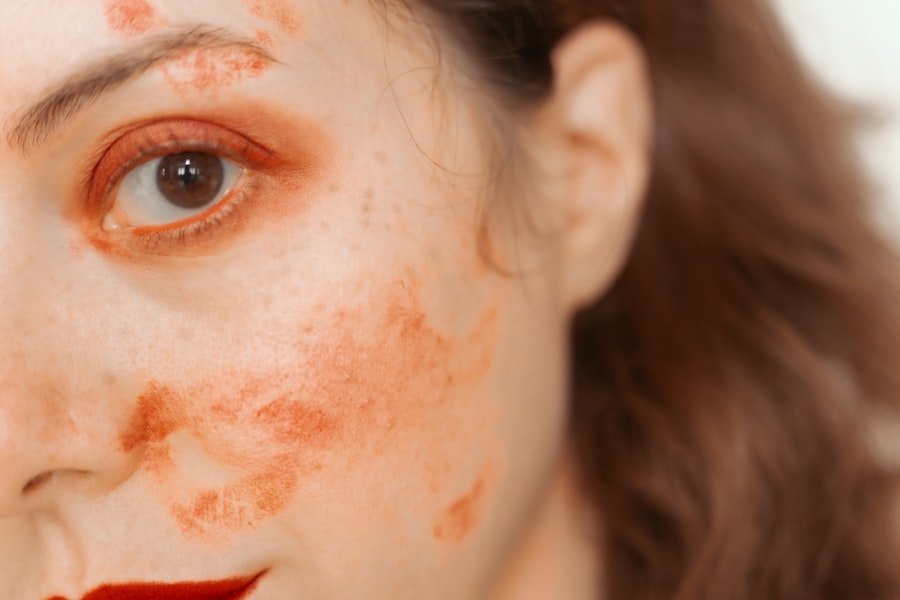
Sun exposure is a major roadblock in your journey to clear, even-toned skin. It exacerbates existing PIH and can make PIE more noticeable. Making sunscreen a non-negotiable part of your daily routine is paramount.
Daily Sunscreen: Your Non-Negotiable Armor
You need to wear sunscreen every single day, regardless of the weather. Think of it as your daily protective shield against further discoloration.
- Choose Broad-Spectrum Protection: Always opt for a sunscreen labeled “broad-spectrum.” This means it protects against both UVA and UVB rays. UVA rays can contribute to premature aging and darkening of PIH, while UVB rays are primarily responsible for sunburn.
- SPF 30 or Higher: The American Academy of Dermatology recommends an SPF of 30 or higher. Higher SPF offers greater protection, but consistent application is more important than chasing the highest number.
- Mineral vs. Chemical Sunscreens:
- Mineral Sunscreens (Zinc Oxide and Titanium Dioxide): These physical blockers sit on top of your skin and physically block UV rays. They are generally well-tolerated by sensitive and acne-prone skin. However, some formulations can leave a white cast.
- Chemical Sunscreens: These absorb UV rays and convert them into heat. They tend to be lighter in texture and more cosmetically elegant, but some individuals may experience irritation.
- Non-Comedogenic Formulations: Look for sunscreens specifically labeled “non-comedogenic.” This means they are formulated not to clog your pores, which is essential for acne-prone skin.
- Apply Liberally and Reapply: Don’t skimp on sunscreen! Apply a sufficient amount to cover all exposed skin. Reapply every two hours, especially if you’re sweating or swimming, to ensure continuous protection.
Sun Protection Beyond Sunscreen
While sunscreen is your primary defense, other measures can further shield your skin.
- Seek Shade: During peak sun hours (typically 10 AM to 4 PM), try to limit your direct sun exposure. Seek shade whenever possible.
- Wear Protective Clothing: Hats with wide brims, sunglasses, and long-sleeved clothing can provide additional protection from harmful UV rays.
- Be Mindful of Medications: Some acne medications, like oral isotretinoin and even topical retinoids, can make your skin more sensitive to the sun. Always be extra vigilant with sun protection when using these treatments.
4. Nurturing Your Skin: Hydration and Barrier Support
A healthy skin barrier is crucial for efficient healing and for preventing inflammation, which, as we’ve established, is the root cause of most discoloration. Hydration plays a vital role in maintaining this barrier.
The Importance of a Hydrated Skin Barrier
Think of your skin barrier as a protective wall. When it’s compromised, your skin becomes more susceptible to irritation, inflammation, and environmental damage. Proper hydration strengthens this wall.
- Hydration for Healing: Well-hydrated skin heals more effectively. When your skin is adequately moisturized, its natural repair processes can function optimally, leading to faster fading of PIH and PIE.
- Preventing Overproduction of Oil: When skin is dry and stripped, it can overcompensate by producing more oil, which can lead to breakouts and, consequently, more discoloration.
- Reducing Irritation: A healthy, hydrated barrier is less prone to irritation from active ingredients or environmental stressors.
Choosing the Right Hydrators and Moisturizers
Not all moisturizers are created equal, especially for acne-prone skin. You want something that hydrates without being heavy or pore-clogging.
- Look for Humectants: Ingredients like hyaluronic acid, glycerin, and sodium hyaluronate attract water to your skin, keeping it hydrated.
- Incorporate Emollients: These ingredients help to smooth and soften the skin. Ceramides are excellent emollients that are naturally found in the skin barrier and are crucial for its integrity. Fatty acids and cholesterol are also beneficial.
- Opt for Lightweight, Oil-Free, Non-Comedogenic Formulas: These are essential for acne-prone skin. Gel-based or lotion formulations are often ideal. Avoid heavy creams or ointments that can feel greasy and clog pores.
- Consider Ingredients that Support Barrier Repair: Look for products containing ceramides, niacinamide, or panthenol (Vitamin B5). Niacinamide, in particular, has anti-inflammatory properties and can help to reduce redness and improve skin’s barrier function.
Gentle Exfoliation for Cell Turnover
While we’ve stressed gentle cleansing, occasional exfoliation can be beneficial for removing dead skin cells that can contribute to dullness and make discoloration more apparent. However, this needs to be done with extreme caution.
- Chemical Exfoliants are Preferred: Chemical exfoliants like AHAs (alpha-hydroxy acids) and BHAs (beta-hydroxy acids) are generally gentler than physical scrubs.
- Glycolic Acid and Lactic Acid (AHAs): These help to slough off dead skin cells, revealing brighter skin underneath and can aid in fading PIH over time.
- Salicylic Acid (BHA): As mentioned before, it penetrates pores but also acts as an exfoliant on the skin’s surface.
- Start Slowly and Infrequently: Begin with an exfoliant at a low concentration and use it only once or twice a week. Gradually increase frequency as your skin tolerates it.
- Avoid Over-Exfoliation: Too much exfoliation can strip the skin, damage the barrier, and worsen inflammation, leading to more discoloration. Pay attention to how your skin feels. If it becomes red, sensitive, or flaky, reduce or stop exfoliation.
- Avoid Harsh Scrubs: Physical scrubs with large, jagged particles can create micro-tears in the skin, leading to inflammation and worsening discoloration. If you must use a physical exfoliant, choose one with very fine, smooth particles.
5. Advanced Strategies: Targeted Treatments for Fading Discoloration
| Preventing Acne Discoloration | Benefits |
|---|---|
| Regular cleansing | Removes excess oil and dirt |
| Using non-comedogenic products | Prevents clogged pores |
| Applying sunscreen | Protects skin from UV damage |
| Avoiding picking or squeezing acne | Prevents further inflammation and scarring |
Once you’ve got your acne under control and are diligently protecting your skin from the sun, you might be looking for ways to actively fade existing PIH and PIE. This is where targeted treatments come into play.
Topical Treatments Known for Brightening
Many ingredients are formulated to tackle stubborn hyperpigmentation and redness.
- Vitamin C: A powerful antioxidant that brightens the skin, fades dark spots (PIH), and provides some protection against UV damage. Look for stable forms like L-Ascorbic Acid in concentrations of 10-20%.
- Niacinamide (Vitamin B3): This multi-tasking ingredient is fantastic for reducing inflammation (which helps with PIE), minimizing pore appearance, and, importantly, inhibiting the transfer of melanin to skin cells, thus helping to fade PIH.
- Alpha Arbutin: A derivative of hydroquinone, alpha arbutin is a potent skin-lightening agent that works by inhibiting tyrosinase, an enzyme necessary for melanin production. It’s a safer alternative for many individuals seeking to fade PIH.
- Kojic Acid: Another tyrosinase inhibitor, kojic acid is derived from fungi and is effective at lightening dark spots.
- Licorice Extract: This natural ingredient has anti-inflammatory and antioxidant properties, and it also contains glabridin, which inhibits melanin production. It’s particularly good for calming redness (PIE) and helping to fade PIH.
- Azelaic Acid: This ingredient has anti-inflammatory and antibacterial properties, making it effective for both active acne and post-acne marks. It helps to reduce redness and fade hyperpigmentation.
Professional Treatments for Stubborn Marks
When topical treatments aren’t enough, a dermatologist can offer more targeted solutions.
- Chemical Peels: Medical-grade chemical peels use higher concentrations of acids (like glycolic, salicylic, or TCA) to deeply exfoliate the skin and stimulate cell turnover. This can significantly improve the appearance of PIH and PIE.
- Laser and Light Therapies:
- Pulsed Dye Laser (PDL): This type of laser is excellent for targeting the redness associated with PIE. It works by selectively targeting and destroying the dilated blood vessels.
- Intense Pulsed Light (IPL): IPL can address both redness and brown spots (PIH) by targeting pigment and vascular lesions.
- Fractional Lasers (Ablative and Non-Ablative): These lasers create microscopic channels in the skin, stimulating collagen production and promoting rapid cell regeneration, which can dramatically improve the texture and tone of the skin, addressing both PIH and PIE.
- Microneedling: This procedure involves using fine needles to create tiny punctures in the skin. This controlled injury stimulates the body’s natural healing process, leading to collagen production and improved skin texture and tone, which can help fade discoloration.
Patience is a Virtue
Remember, fading acne discoloration takes time. Your skin needs time to regenerate and for the pigment to fade or the capillaries to normalize. Consistent application of your chosen treatments and unwavering commitment to sun protection will yield the best results. Don’t get discouraged if you don’t see dramatic changes overnight. Stick with your routine, and you’ll be well on your way to achieving a clearer, more even-toned complexion.
FAQs
What causes acne discoloration?
Acne discoloration, also known as post-inflammatory hyperpigmentation, is caused by the skin’s inflammatory response to acne lesions. When the skin is inflamed, it produces excess melanin, leading to dark spots or patches on the skin.
How can acne discoloration be prevented?
To prevent acne discoloration, it’s important to treat acne promptly and avoid picking or squeezing acne lesions. Using sunscreen with a high SPF can also help prevent further darkening of acne scars.
What skincare ingredients can help prevent acne discoloration?
Skincare ingredients such as retinoids, vitamin C, niacinamide, and alpha hydroxy acids (AHAs) can help fade acne discoloration and even out skin tone. These ingredients work by promoting cell turnover and reducing melanin production.
Are there professional treatments for acne discoloration?
Yes, professional treatments such as chemical peels, microdermabrasion, laser therapy, and microneedling can help fade acne discoloration. These treatments work by exfoliating the skin, stimulating collagen production, and targeting pigmentation.
How long does it take for acne discoloration to fade?
The time it takes for acne discoloration to fade varies from person to person. In general, it can take several weeks to several months for dark spots or patches to fade, especially with consistent use of skincare products and professional treatments.