Imagine this scenario: you’re cooking a delicious meal in your kitchen, when suddenly you accidentally touch a hot pan and feel an excruciating pain. You quickly realize that you’ve burned your hand. Burns can happen to anyone, anywhere, but did you know that there are simple steps you can take to prevent them from occurring at home? In this article, we will explore a range of practical tips to keep you and your loved ones safe from burns, as well as effective methods for treating them in the comfort of your own home. So, sit back, relax, and let’s bring the heat down on burns!

Understanding Burns
Burns are a common type of injury that can occur in various situations and can range from minor to severe. Understanding the different types of burns and their causes is essential in order to prevent and effectively manage them.
Types of Burns
There are three main types of burns: first-degree burns, second-degree burns, and third-degree burns.
First-degree burns are the mildest and only affect the outer layer of the skin. Symptoms include redness, pain, and mild swelling. These burns typically heal within a week and can be treated at home.
Second-degree burns involve the outer layer of the skin and extend into the underlying layers. They cause blisters, intense pain, redness, swelling, and potentially peeling or thickening of the skin. These burns may require medical attention, especially if they cover a large area or are located on the face, hands, feet, or genitals.
Third-degree burns are the most severe and penetrate through all layers of the skin. They may appear white, brown, or black and can cause numbness due to nerve damage. Third-degree burns always require immediate medical attention.
Causes of Burns
Burns can be caused by a variety of factors, including:
-
Fire or flames: This is one of the most common causes of burns and can occur in household accidents, car accidents, or fires.
-
Hot liquids: Scald burns can happen when hot water or other liquids come into contact with the skin.
-
Electrical burns: These occur when electricity passes through the body, causing burns both internally and externally.
-
Chemical burns: Exposure to certain chemicals, such as acids or bases, can result in burns.
-
Sunburn: Prolonged exposure to the sun without protection can lead to sunburn, which is a type of burn.
Understanding the causes of burns can help in preventing them and taking appropriate precautions.
Preventing Burns
Taking proactive measures to prevent burns is crucial to ensure the safety and well-being of yourself and those around you. By practicing fire safety measures, following kitchen safety tips, taking electrical safety precautions, being aware of hot water hazards, and preventing sunburn, you can significantly reduce the risk of burns.
Fire Safety Measures
-
Install smoke detectors in every room of your home and check them regularly to ensure they are functioning properly.
-
Make sure to have fire extinguishers readily available in your kitchen, garage, and other areas prone to fire hazards.
-
Create and practice a fire escape plan with your family, including identifying escape routes and a designated meeting point outside.
-
Avoid smoking in bed or near flammable objects.
-
Keep flammable materials, such as curtains or paper, away from open flames.
Kitchen Safety Tips
-
Never leave cooking unattended, especially when using the stove or oven.
-
Keep pot handles turned inward to prevent accidental spills.
-
Use oven mitts or pot holders when handling hot cookware or dishes.
-
Keep flammable items, such as kitchen towels or curtains, away from the stove.
-
Regularly clean your oven and stovetop to avoid grease buildup, which can be a fire hazard.
Electrical Safety Precautions
-
Use electrical appliances and cords that are in good condition and free of fraying or damage.
-
Do not overload electrical outlets or use extension cords for long periods of time.
-
Keep electrical cords away from heat sources and water.
-
Teach children not to play with electrical outlets or cords.
-
If you experience a power outage or electrical issue, consult a qualified electrician for repairs, rather than attempting to fix it yourself.
Hot Water Precautions
-
Set your water heater temperature to a maximum of 120 degrees Fahrenheit (49 degrees Celsius) to avoid scalding.
-
Test the water temperature with your hand before bathing or showering, especially for young children or the elderly who may have reduced sensitivity to heat.
-
Never leave young children unattended in the bathroom or near hot water sources.
-
When adding hot water to a bath or sink, always turn on the cold water first to avoid accidental scalding.
Sunburn Prevention
-
Apply sunscreen with a minimum SPF of 30 to all exposed areas of your skin, and reapply every two hours or after swimming or sweating.
-
Seek shade during the peak hours of sun exposure, typically between 10 a.m. and 4 p.m.
-
Wear protective clothing, such as long sleeves, pants, a wide-brimmed hat, and sunglasses, to minimize sun exposure.
-
Avoid indoor tanning beds, as they can cause harmful skin damage and increase the risk of burns.
By following these preventive measures, you can significantly reduce the risk of burns in everyday situations.
Managing Minor Burns at Home
Although prevention is critical, accidents can still happen, and it’s important to know how to manage minor burns at home. By accurately assessing the burn and providing appropriate first aid, you can help alleviate pain and promote healing.
Assessing the Burn
Before providing treatment, it’s essential to assess the severity of the burn. First-degree burns can generally be managed at home, while second-degree burns may require medical attention if they cover a large area or affect sensitive areas like the face or genitals. Third-degree burns always require immediate medical attention.
To assess the burn, follow these steps:
- Remove any clothing or accessories from the burned area.
- Gently run cool water over the burn for a few minutes to help reduce pain and remove any residual heat.
- Observe the burn for redness, swelling, blisters, or other signs of damage.
- If the burn is larger than your palm or affects the face, hands, feet, or genitals, seek medical attention.
First Aid for Minor Burns
For first-degree burns and smaller second-degree burns, the following first aid measures can be performed at home:
-
Cooling the Burn
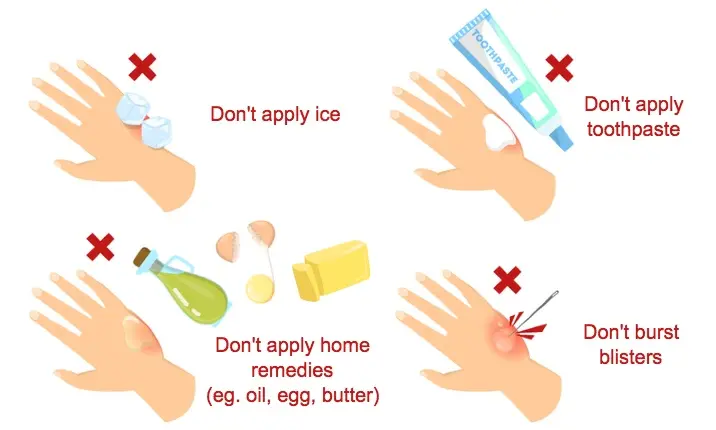
Place the burned area under cool running water for 10 to 20 minutes. This can help alleviate pain, reduce swelling, and prevent further damage. Avoid using ice directly on the burn, as it can cause further injury.
-
Applying Dressings
After cooling the burn, cover it with a sterile non-stick dressing or a clean cloth. This helps protect the burn from infection and additional trauma. Avoid using adhesive bandages directly on the burn.
-
Pain Relief
Over-the-counter pain relievers, such as acetaminophen or ibuprofen, can be taken to alleviate pain and reduce inflammation. Follow the recommended dosage instructions and consult a healthcare professional if unsure.
-
Avoiding Home Remedies
While there are many home remedies suggested for treating burns, it’s important to avoid applying any substances such as butter, oil, egg whites, or toothpaste to the burn. These can interfere with the healing process or even lead to infection.
By properly assessing and providing first aid for minor burns, you can aid in the healing process and reduce the risk of complications.
Treating Minor Burns
For minor burns that do not require medical attention, there are further steps you can take to promote healing and prevent infection.
Cooling the Burn
Continuing to cool the burn for the first few hours can help alleviate pain and reduce damage. You can apply a cool compress or run cool water over the burn for short periods.
Applying Dressings
After cooling the burn, you can apply a thin layer of antibiotic ointment to the area. This helps prevent infection and promotes healing. Be sure to choose an ointment specifically designed for burns.
Pain Relief
Over-the-counter pain relievers, such as acetaminophen or ibuprofen, can be taken as needed to manage pain and reduce inflammation. Follow the instructions on the packaging and consult a healthcare professional if you have any concerns or if the pain persists.
Avoiding Home Remedies
It’s important to avoid applying home remedies, such as butter, oil, egg whites, or toothpaste, to the burn. These substances can interfere with the healing process and increase the risk of infection. Stick to recommended treatments and consult a healthcare professional if you have any doubts.
Properly treating minor burns at home can help promote healing and minimize the risk of complications. If you notice any signs of infection, increased pain, or worsening symptoms, it’s important to seek medical attention.

Recognizing and Responding to Severe Burns
Severe burns require immediate medical attention and should not be treated at home. Knowing the signs of severe burns and how to respond can help save lives.
Signs of Severe Burns
It’s crucial to recognize the signs of severe burns. Here are some indicators that a burn should be considered severe:
-
The burn is third-degree: This means it penetrates through all layers of the skin and may appear white, brown, or black.
-
The burned area is large: Burns that cover a significant portion of the body or a large area, regardless of the degree, are considered severe.
-
The burn affects the face, hands, feet, genitals, or major joints: Burns in these areas can have serious implications and may require specialized care.
-
Difficulty breathing: Burns that involve the airway or inhalation of hot gases can be life-threatening and require immediate medical attention.
Responding to Severe Burns
When confronted with a severe burn, follow these steps:
-
Call emergency services: Dial the emergency number in your country (e.g., 911 in the United States) for immediate medical assistance.
-
Ensure safety: If possible, remove the person from the source of the burn and make sure both you and the individual are safe from further harm.
-
Keep the person warm: Cover them with a clean blanket or clothing to help prevent hypothermia.
-
Elevate the burned area: If feasible, raise the burned extremity above heart level to help reduce swelling.
-
Offer reassurance and support: Stay with the person, provide comfort, and offer reassurance until medical help arrives.
Remember, severe burns require professional medical attention. Acting quickly and appropriately can improve the chances of a successful recovery.
Seeking Medical Attention
While minor burns can often be treated at home, there are situations in which seeking medical help is necessary. Understanding when to seek medical attention and taking emergency steps before help arrives is crucial.
When to Seek Medical Help
It’s important to seek medical attention for burns in the following situations:
-
The burn is larger than your palm or affects sensitive areas, such as the face, hands, feet, or genitals.
-
The burn is deep and involves multiple layers of skin.
-
The burn is caused by chemicals, electricity, or a high-temperature source, such as a fire or hot metal.
-
The burn is accompanied by difficulty breathing, dizziness, or other symptoms of a more serious injury.
-
The burn does not show signs of improvement or becomes infected.
In these cases, do not hesitate to seek medical help.
Emergency Steps Before Medical Help Arrives
While waiting for medical help to arrive, there are some essential steps you can take:
-
Ensure the person’s safety by removing them from the source of the burn and checking for any immediate dangers.
-
Cover the burn loosely with a cool, sterile dressing or a clean cloth to prevent contamination.
-
Do not apply ice directly to the burn, as it can further damage the skin.
-
Monitor the person’s breathing and level of consciousness. If they become unresponsive, perform CPR if you are trained to do so.
-
Offer comfort and reassurance while waiting for medical professionals to arrive.
By recognizing when to seek medical help and taking appropriate emergency steps, you can assist in ensuring the best possible outcome for burn victims.

Precautions for Special Populations
Certain populations, such as children and older adults, may require additional precautions to prevent burns and promote safety.
Burn Prevention for Children
Children are more susceptible to burns due to their curious nature and limited understanding of potential dangers. To prevent burns in children:
-
Be vigilant and supervise young children at all times, especially in the kitchen or near heat sources.
-
Use safety gates to keep young children away from hot stoves or fireplaces.
-
Set water heater temperatures to a maximum of 120 degrees Fahrenheit (49 degrees Celsius) to prevent scald burns.
-
Teach children about fire safety and the importance of avoiding matches, lighters, and other potential fire starters.
-
Install tamper-resistant electrical outlet covers to prevent burns caused by electrical accidents.
Burn Prevention for Older Adults
Older adults may be at higher risk of burns due to factors such as reduced sensation to heat, decreased mobility, or cognition issues. To prevent burns in older adults:
-
Ensure that hot water temperatures are set to safe levels and the faucets are labeled appropriately.
-
Install grab bars and non-slip mats in bathrooms to prevent falls and reduce the risk of scald burns.
-
Keep pathways and living areas well-lit to minimize the risk of accidental contact with hot surfaces.
-
Encourage the use of proper protective equipment, such as oven mitts, when handling hot cookware or dishes.
-
Regularly check electrical cords and appliances for damage and replace as needed to prevent electrical accidents.
By taking these additional precautions, you can minimize the risk of burns in vulnerable populations.
Dealing with Emotional Trauma
Burns can have a profound impact on a person’s emotional well-being. Coping with burn-related stress and anxiety, as well as providing support to burn survivors, is crucial for their recovery.
Coping with Burn-related Stress and Anxiety
Experiencing a burn injury can be traumatic, leading to feelings of fear, anxiety, depression, and even post-traumatic stress disorder (PTSD). Here are some coping strategies that can help:
-
Seek professional help: Consider reaching out to a therapist or counselor who specializes in trauma to help process emotions and develop healthy coping mechanisms.
-
Join support groups: Connecting with others who have experienced similar burn injuries can provide a sense of understanding, validation, and support.
-
Practice self-care: Engage in activities that promote self-care and relaxation, such as exercise, meditation, deep breathing exercises, or hobbies that bring joy.
-
Communicate your feelings: Talk openly with loved ones about your emotions and concerns, allowing them to provide support and understanding.
Supporting Burn Survivors
Supporting burn survivors is essential in their overall healing and recovery process. Here are some ways you can offer support:
-
Be empathetic and understanding: Validate their feelings and experiences, and avoid judgment or minimizing their pain.
-
Listen actively: Provide a safe space for burn survivors to share their thoughts and feelings, and be attentive to their needs.
-
Offer practical assistance: Help with daily tasks, such as cooking, cleaning, or running errands, to alleviate some of the stress and pressure they may be experiencing.
-
Encourage professional help: Recommend therapy or counseling services to assist with their emotional recovery.
-
Celebrate progress: Celebrate milestones and achievements, no matter how small, to boost their confidence and motivation.
Providing emotional support and understanding can make a significant difference in a burn survivor’s journey towards healing.

Promoting Healing and Recovery
Proper wound care, scar management, and physical therapy play essential roles in promoting healing and recovery for burn victims.
Wound Care
Proper wound care is crucial in preventing infection, promoting healing, and minimizing scarring. Follow these guidelines:
-
Keep the burn clean: Wash the burn gently with mild soap and water, and pat it dry with a clean towel.
-
Apply antibiotic ointment: Cover the burn with a thin layer of antibiotic ointment to prevent infection.
-
Change dressings regularly: Regularly change dressings to maintain cleanliness and promote healing.
-
Avoid picking at scabs: Picking at scabs can delay healing and increase the risk of infection.
Scar Management
Scars are a natural part of the healing process after a burn injury. Proper scar management can help minimize their appearance and improve flexibility. Consider these strategies:
-
Apply silicone gel sheets or ointments: These products can help flatten and soften scars.
-
Massage the scar tissue: Gently massaging the scar with a moisturizer or scar massage cream can improve blood circulation and break up scar tissue.
-
Protect scars from the sun: Exposure to sunlight can cause scars to darken, so always apply sunscreen with a minimum SPF of 30 to scarred areas when going outdoors.
Physical Therapy and Rehabilitation
Physical therapy and rehabilitation are often necessary for burn survivors to regain function, mobility, and strength. This may include exercises, stretches, and other interventions tailored to the individual’s specific needs.
-
Encourage regular physical therapy sessions: Attend scheduled physical therapy appointments and follow the recommended exercise regimen provided by the therapist.
-
Promote a safe environment: Make necessary modifications to the home to accommodate the individual’s mobility needs and ensure a safe recovery environment.
-
Provide emotional support: Offer encouragement and emotional support during the recovery process, as it can be physically and mentally demanding.
By following these strategies, individuals can improve the healing process, reduce the impact of scars, and regain physical functionality after a burn injury.
Long-term Impact and Prevention Strategies
Burn injuries can have long-term physical, emotional, and psychological impacts on individuals and communities. Raising awareness about burns and implementing prevention programs are crucial in minimizing the incidence of burn injuries.
Raising Awareness
Educating the general population about burn prevention, first aid, and the long-term impact of burns can help reduce the number of burn incidents. Ways to raise awareness include:
-
Conducting community workshops and seminars on burn prevention, first aid, and safety measures.
-
Collaborating with schools to incorporate burn safety education into the curriculum.
-
Distributing informational materials, such as pamphlets or posters, in public spaces like healthcare facilities, community centers, and workplaces.
-
Utilizing social media platforms and other digital channels to share burn prevention tips and information.
Burn Prevention Programs
Implementing burn prevention programs at various levels can have a significant impact on reducing burn injuries. These programs can target specific populations, such as children, older adults, or individuals in high-risk professions. Key components of burn prevention programs include:
-
Providing fire safety training in schools, workplaces, and community centers.
-
Offering first aid courses that specifically cover burn care and treatment.
-
Conducting home safety assessments and installations for vulnerable populations, such as low-income families or older adults.
-
Collaborating with local fire departments, healthcare organizations, and community leaders to promote burn prevention initiatives.
-
Regularly evaluating the effectiveness of burn prevention programs to identify areas for improvement.
By actively engaging in raising awareness and implementing prevention programs, communities can work together to reduce the incidence and impact of burn injuries.
In conclusion, understanding burns, their types, and causes is crucial for prevention and effective management. By implementing preventive measures, correctly assessing and treating minor burns, recognizing and responding to severe burns, seeking timely medical attention when necessary, and taking additional precautions for special populations, we can significantly reduce the incidence and impact of burns. Furthermore, supporting burn survivors emotionally, promoting healing and recovery through proper wound care, scar management, and physical therapy, and raising awareness about burns and implementing prevention programs are vital steps toward a safer and healthier future for everyone.