
Are you worried about your child’s health and want to prevent them from getting croup? Look no further! In this article, we will provide you with valuable tips to create a healthy home environment that can help lower the risk of croup in children. From maintaining cleanliness to creating a safe and hygienic atmosphere, these practical suggestions will keep your little one healthy and happy. So, let’s get started on fostering a healthy environment for your child and preventing croup!

What is Croup?
Croup is a respiratory condition that primarily affects children, causing them to develop a hoarse cough and difficulty breathing. It is caused by inflammation and swelling of the upper airways, including the voice box (larynx) and windpipe (trachea). This swelling can restrict the airflow, resulting in the characteristic bark-like cough and a high-pitched noise when breathing in, known as stridor. Croup is most commonly caused by a viral infection, with the parainfluenza virus being the most frequent culprit.
Understanding Croup
Causes of Croup
The main cause of croup is viral infection, particularly the parainfluenza virus. Other viruses such as influenza, adenovirus, respiratory syncytial virus (RSV), and even the common cold can also lead to croup. These viruses are easily spread through respiratory droplets when an infected person coughs or sneezes.
Symptoms of Croup
Croup typically starts with upper respiratory symptoms like a runny nose, nasal congestion, and low-grade fever. As the condition progresses, the characteristic barking cough and hoarseness develop. Breathing difficulties, especially during night time, may become more noticeable, accompanied by a high-pitched sound when inhaling, known as stridor. In severe cases, the child’s breathing may become labored, and their skin may appear pale or blue.
Risk Factors for Croup
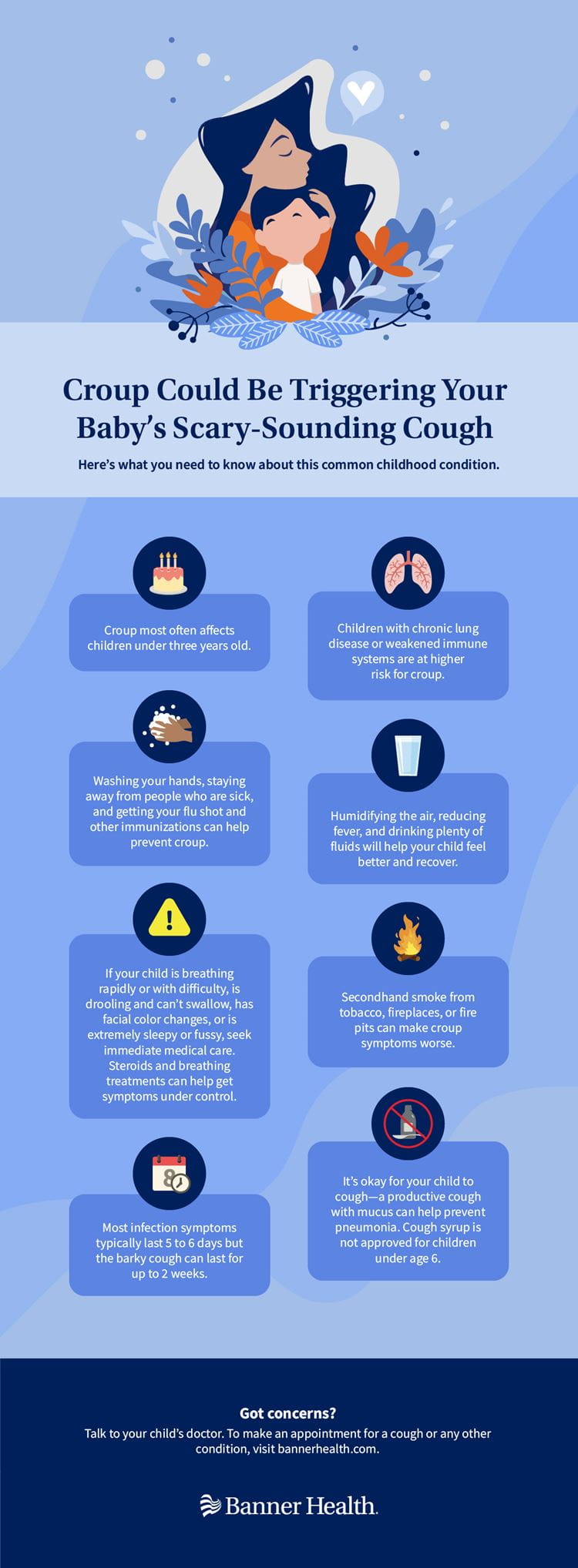
Certain factors may increase a child’s risk of developing croup. Young children between the ages of 6 months to 3 years are most commonly affected because their airways are narrower. Additionally, children with a weakened immune system, exposure to tobacco smoke, a family history of croup, or living in crowded environments are also more susceptible to croup.

Preventing Croup
Preventing croup involves implementing various measures to minimize the risk of viral infections and promote overall respiratory health. Here are some effective strategies to prevent croup in children:
Maintaining a Clean and Hygienic Environment
Regularly cleaning and disinfecting surfaces throughout the home can help prevent the spread of viruses that cause croup. Pay close attention to frequently touched areas such as doorknobs, light switches, and remote controls. Additionally, keeping the home free from dust and allergens can help reduce the chances of respiratory irritation.
Practicing Good Hand Hygiene
Teaching children the importance of proper handwashing is crucial in preventing the spread of viruses. Encourage them to wash their hands with soap and water for at least 20 seconds, especially before meals, after using the restroom, and after coughing or sneezing. It is also essential for adults to lead by example and practice regular handwashing.
Avoiding Exposure to Respiratory Infections
Limiting your child’s exposure to individuals who have respiratory infections, such as the flu or cold, is crucial in preventing the spread of viruses. Encourage sick family members or friends to stay away until they are no longer contagious. It is also advisable to avoid crowded places or gatherings during the peak season of respiratory infections.
Ensuring Proper Vaccination
Keeping your child up-to-date with their vaccinations is essential in protecting them against various viral infections, including those that can cause croup. Following the recommended vaccine schedule set by healthcare professionals will help ensure your child receives the necessary immunizations to strengthen their immune system.
Limiting Exposure to Irritants
Irritants in the environment, such as tobacco smoke, can aggravate the respiratory system and increase the risk of developing croup. Keep the home smoke-free by prohibiting smoking indoors and avoiding exposure to secondhand smoke. Additionally, minimizing the use of strong cleaning products and chemicals can help prevent respiratory irritation.
Promoting General Health and Immunity
Maintaining overall health and boosting immunity is essential in preventing various respiratory infections, including croup. Encourage your child to eat a balanced and nutritious diet rich in fruits, vegetables, whole grains, and lean proteins. Regular exercise, sufficient sleep, stress management, and avoiding overexertion are also important in supporting a healthy immune system.
Creating a Healthy Home Environment
Keeping the Home Clean and Dust-Free
Regular cleaning of the home, including dusting surfaces and vacuuming, helps eliminate allergens and reduce the risk of respiratory irritation. Pay attention to dust-prone areas such as carpets, curtains, and upholstery. Using a damp cloth or microfiber cloth while dusting can minimize the spreading of dust particles.
Maintaining Optimal Humidity Levels
Dry air can irritate the respiratory system, making children more susceptible to croup and other respiratory conditions. Using a humidifier or vaporizer can help maintain optimal humidity levels in the home, especially during the winter months when indoor air tends to be dry. It is important to clean and maintain these devices properly to prevent the growth of mold or bacteria.
Avoiding Tobacco Smoke Exposure
Exposure to tobacco smoke, whether it is active smoking or secondhand smoke, is detrimental to respiratory health. It increases the risk of developing croup and other respiratory infections. Make your home a smoke-free zone and avoid exposing your child to environments where smoking is prevalent.
Using a Humidifier or Vaporizer
If your child is prone to croup or experiences recurrent episodes, using a humidifier or vaporizer can help alleviate symptoms. The increased moisture in the air can help reduce coughing and ease breathing. However, it is essential to follow the manufacturer’s instructions for proper usage and regularly clean the device to prevent the buildup of mold or bacteria.
Regularly Cleaning and Disinfecting Toys
To prevent the spread of viruses that can cause croup, it is important to regularly clean and disinfect your child’s toys. Use mild soap and water to clean toys that can be submerged and wipe down other toys with disinfectant wipes or a mixture of water and vinegar.
Teaching Proper Hand Hygiene
Teach Kids to Wash Their Hands Correctly
Proper handwashing is one of the most effective ways to prevent the spread of viruses that cause croup. Teach your child the correct technique, which includes wetting their hands, lathering with soap, scrubbing all surfaces for at least 20 seconds, rinsing thoroughly, and drying with a clean towel or air dryer. Ensure they understand the importance of washing all areas, including between fingers, under nails, and wrists.
Encouraging Handwashing at Key Times
In addition to teaching proper handwashing technique, encourage your child to wash their hands at key times throughout the day. This includes before eating, after using the restroom, after touching public surfaces, after coughing or sneezing, and after playing with pets. Emphasize the importance of washing hands regularly, especially during the cold and flu season.
Using Hand Sanitizer When Handwashing is Not Convenient
When handwashing is not immediately available, such as when you are outside the home, it is important to have hand sanitizer readily accessible. Ensure the hand sanitizer contains at least 60% alcohol and supervise young children to ensure they use a sufficient amount and rub it in properly.
Keeping Hands Away from the Face
Instruct your child to avoid touching their face, especially their eyes, nose, and mouth, as this can introduce viruses into their system. Encourage them to use a tissue or their elbow to cover their mouth and nose when coughing or sneezing instead of using their hands.
Minimizing Exposure to Respiratory Infections
Limiting Contact with Sick Individuals
To reduce the risk of contracting croup or other respiratory infections, limit your child’s contact with individuals who are sick or showing symptoms of a respiratory illness. It is particularly important for individuals with croup to avoid close contact with other children until they are no longer contagious.
Encouraging Respiratory Etiquette
Teaching your child proper respiratory etiquette can go a long way in preventing the spread of viruses. Instruct them to cover their mouth and nose with a tissue or their elbow when coughing or sneezing. Discourage them from coughing or sneezing into their hands, as this can spread the virus to surfaces or others through direct contact.
Cleaning and Disinfecting Frequently Touched Surfaces
Regularly disinfecting frequently touched surfaces in the home can help eliminate viruses that cause croup. This includes doorknobs, light switches, countertops, and electronic devices. Use EPA-approved disinfectants and follow the instructions on the product labels for effective cleaning and disinfection.
Promoting Good Air Circulation
Proper air circulation can help reduce the concentration of viruses in indoor spaces. Open windows or use fans to improve air flow within the home. In addition, maintaining a clean and properly functioning HVAC system ensures the circulation of clean and filtered air throughout your home.

Importance of Proper Vaccination
Ensuring Up-to-Date Vaccinations
Keeping your child up-to-date with their vaccinations is crucial in preventing various viral infections, including those that can cause croup. Schedule regular visits with your healthcare provider to ensure your child receives the recommended vaccines according to their age and immunization schedule. This includes vaccines against influenza, measles, mumps, and rubella (MMR), and diphtheria, tetanus, and pertussis (DTaP).
Administering the Recommended Vaccines
Following the recommended vaccine schedule is essential to protect your child against viruses that can cause croup. This schedule may vary depending on your location and healthcare provider recommendations. Stay informed about the vaccines your child needs, their benefits, and any potential side effects.
Understanding the Benefits of Vaccination
Vaccination plays a crucial role in preventing the spread of infectious diseases. By vaccinating your child against viruses like influenza and parainfluenza, you are not only protecting them but also contributing to the overall community immunity. Vaccination reduces the risk of severe illness, complications, and the spread of the virus to vulnerable populations, such as infants and the elderly.
Reducing Exposure to Irritants
Keeping the Home Smoke-Free
Exposure to tobacco smoke increases the risk of respiratory infections and can worsen symptoms of croup. Make your home smoke-free by prohibiting smoking indoors and creating a designated outdoor smoking area away from the main entrance.
Avoiding Strong Chemicals and Cleaning Products
Strong chemicals and cleaning products can irritate the respiratory system and trigger symptoms of croup. Use mild and eco-friendly cleaning products whenever possible. Opt for natural alternatives like vinegar, baking soda, and essential oils to clean and disinfect your home.
Minimizing Exposure to Allergens
Allergens like pollen, pet dander, and dust mites can trigger respiratory symptoms and exacerbate croup. Regularly clean and vacuum your home to reduce allergen levels. Consider using allergy-proof covers for pillows and mattresses, and keep pets outside the bedroom if your child is sensitive to animal allergens.

Promoting General Health and Immunity
Maintaining a Nutritious Diet
A well-balanced and nutritious diet is essential for overall health and a strong immune system. Provide your child with a variety of fruits, vegetables, whole grains, and lean proteins. Limit their intake of processed foods, sugary snacks, and beverages, as these can weaken the immune system.
Encouraging Regular Exercise
Regular physical activity promotes cardiovascular health and stimulates the immune system. Encourage your child to engage in age-appropriate exercise and outdoor activities. This helps improve lung capacity, strengthens the respiratory system, and reduces the risk of respiratory infections, including croup.
Sufficient Sleep
Adequate sleep is vital for a healthy immune system. Ensure your child gets enough sleep based on their age and establish a consistent bedtime routine. Avoid excessive screen time before bed, as it can interfere with sleep quality.
Stress Management
Excessive stress can compromise the immune system and make children more susceptible to infections. Teach your child healthy stress management techniques, such as deep breathing exercises, yoga, or engaging in hobbies they enjoy. Create a calm and supportive environment at home to help reduce stress levels.
Avoiding Overexertion
Overexertion can weaken the immune system and make children more vulnerable to respiratory infections. Encourage your child to balance their activities and avoid extreme physical exertion. Allow time for rest and relaxation to give their body time to recover and strengthen.
Conclusion
By taking proactive measures to prevent croup, you can help protect your child from this distressing respiratory condition. Maintaining a clean and hygienic environment, practicing good hand hygiene, minimizing exposure to respiratory infections, ensuring proper vaccination, reducing irritant exposure, and promoting general health and immunity are all effective strategies in preventing croup. Remember, prevention is key, and by following these guidelines, you can create a healthy home environment and reduce the risk of croup in your child.