
Once in a while, a child may wake up in the middle of the night with a harsh, barking cough that leaves both them and their parents feeling worried. But fear not, because this article will clarify all your doubts about croup! In this comprehensive guide, we will take a closer look at the causes, symptoms, and treatments of this common childhood illness. So, if you want to understand croup better and learn how to ease your little one’s discomfort, keep reading!
What is Croup?
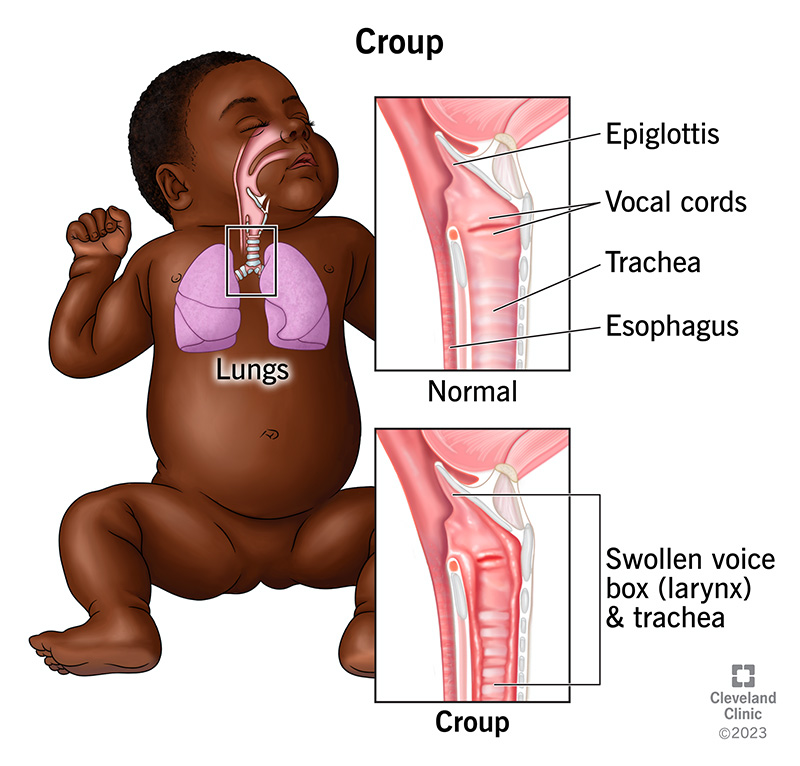
Croup is a common respiratory condition that primarily affects children, causing a barking cough and difficulty breathing. It is characterized by inflammation and swelling of the upper airway, including the larynx, trachea, and bronchi. This inflammation can cause a narrowing of the airway, leading to the distinct cough and other symptoms associated with croup.
Definition
Croup is a condition that typically manifests as a viral infection of the upper respiratory tract, specifically affecting the larynx, trachea, and bronchi. The swelling and inflammation of these airways result in the distinctive cough and other symptoms commonly associated with croup.
Prevalence
Croup is most common in children between the ages of six months and three years, with peak incidence occurring in children aged one to two years. The condition is relatively common and accounts for a significant proportion of emergency department visits in children with respiratory symptoms.
Causes of Croup
Croup can be caused by various factors, including viral and bacterial infections, allergies, reflux, and inhalation of irritants.
Viral Infections
Viral infections, particularly those caused by the parainfluenza virus, are the most common cause of croup. Other viruses, including respiratory syncytial virus (RSV), influenza virus, and adenovirus, can also lead to croup.
Bacterial Infections
While less common than viral infections, bacterial infections can also cause croup. Bacterial tracheitis, an infection of the trachea, is one such example. Streptococcus pneumoniae and Haemophilus influenzae are the most common bacteria associated with bacterial croup.
Allergies
Some children may develop croup-like symptoms due to allergies. An allergic reaction can cause inflammation and swelling of the airways, leading to coughing and difficulty breathing.
Reflux
Gastroesophageal reflux, commonly known as acid reflux, can irritate and inflame the throat and vocal cords. This irritation can result in symptoms similar to croup, such as a barking cough and hoarseness.
Inhalation of Irritants
Inhaling irritants, such as smoke or chemical fumes, can trigger inflammation in the airways, causing croup-like symptoms. This is more commonly seen in adults and older children, as they are more likely to encounter such irritants.

Symptoms of Croup
Croup is characterized by several distinct symptoms that can vary in severity from mild to severe. Recognizing these symptoms is crucial in determining the appropriate course of action for treatment.
Barking Cough
One of the hallmark symptoms of croup is a barking cough. The cough tends to resemble the sound of a seal or a barking dog and is usually worse at night or during periods of agitation or crying.
Hoarseness
Hoarseness is another common symptom of croup. The swelling and inflammation in the airways can cause changes in the voice, resulting in a raspy or strained quality.
Stridor
Stridor refers to a high-pitched, noisy breathing sound that occurs when air is forced through the narrowed airway. This sound is most noticeable during inhalation and can be a cause for concern, especially if it is severe or accompanied by other symptoms.
Fever
A mild fever is often present in children with croup. While the fever is usually low-grade, it may occasionally be higher, especially if the underlying cause is due to a bacterial infection.
Difficulty Breathing
As the airway becomes inflamed and narrowed, children with croup may experience difficulty breathing. This can manifest as rapid or labored breathing, retractions (visible pulling in of the chest wall during breathing), and increased effort to breathe.
Diagnosis of Croup
Accurate diagnosis of croup is essential for determining the appropriate treatment plan. Healthcare professionals will consider the child’s symptoms, perform a physical examination, and may order additional tests to confirm the diagnosis.
Physical Examination
During a physical examination, the healthcare provider will listen to the child’s breathing with a stethoscope to assess for characteristic sounds like stridor. They will also observe the child’s overall appearance and evaluate their respiratory effort.
X-rays
In some cases, an X-ray of the neck and chest may be ordered to assess the extent of airway narrowing and rule out other potential causes of respiratory symptoms.
Viral Tests
In certain situations, such as when the cause of croup is uncertain, viral tests may be performed to identify the specific virus responsible for the infection. This can help guide treatment decisions and inform infection control measures if necessary.

Treatment options for Croup
Treatment for croup aims to reduce airway inflammation, alleviate symptoms, and improve breathing. The appropriate treatment plan will depend on the severity of symptoms and the underlying cause of croup.
Home Remedies
In mild cases of croup, home remedies can often help relieve symptoms. These may include using a humidifier or cool mist vaporizer to add moisture to the air, keeping the child well-hydrated, and providing comfort measures such as cuddling or reading a book to distract from discomfort.
Medications
In more severe cases of croup, medications may be prescribed to reduce airway inflammation and alleviate symptoms. Corticosteroids, such as dexamethasone or prednisolone, are commonly used to reduce inflammation and improve breathing. Nebulized epinephrine may also be administered in a hospital setting for immediate relief of severe symptoms.
Hospitalization
In rare cases, children with severe croup or complications may require hospitalization. Hospitalization allows for closer monitoring and the administration of treatments like oxygen therapy or intravenous fluids if needed.
Prevention of Croup
Taking steps to prevent croup infection is important, particularly in high-risk individuals such as young children or those with compromised immune systems.
Hand Hygiene
Practicing good hand hygiene is one of the most effective ways to prevent the spread of respiratory infections, including those that can cause croup. Regularly washing hands with soap and water, or using an alcohol-based hand sanitizer, can help reduce the risk of infection.
Vaccination
Ensuring that children are up to date with their vaccinations, including the influenza vaccine, can help prevent respiratory infections that may lead to croup. Vaccines such as the measles, mumps, and rubella (MMR) vaccine can also play a role in preventing certain viral infections that could result in croup.

When to Seek Medical Attention
While many cases of croup can be managed at home, there are instances where medical attention should be sought promptly.
Persistent Symptoms
If a child’s symptoms worsen or do not improve within a few days, it is important to seek medical attention. Persistent symptoms may indicate a more severe case of croup or the presence of complications.
Difficulty Breathing
Difficulty breathing is a red flag symptom that warrants immediate medical attention. If a child is struggling to breathe, appears pale or blue, or is experiencing retractions, seek emergency medical care without delay.
Possible Complications of Croup
Although most cases of croup resolve without complications, there is a risk of certain complications arising in severe cases.
Epiglottitis
In rare instances, croup can lead to inflammation and swelling of the epiglottis, a small flap of cartilage at the base of the tongue. This condition, known as epiglottitis, can cause severe respiratory distress and requires urgent medical intervention.
Pneumonia
Severe cases of croup may increase the risk of developing secondary bacterial infections, such as pneumonia. It is important to monitor for worsening symptoms and seek medical attention if there are concerns about the development of complications.
Respiratory Distress
Severe narrowing of the airway in croup can lead to respiratory distress, which can be life-threatening if not promptly addressed. If a child is experiencing severe difficulty breathing, immediate medical attention is crucial.

Croup in Children vs Adults
While croup primarily affects children, adults can also develop similar symptoms, albeit less frequently.
Age Groups
Croup is most commonly seen in children between six months and three years of age. Adults can also develop respiratory conditions that cause symptoms similar to croup, but this is usually less common.
Presentation of Symptoms
In children, croup typically presents with a barking cough, hoarseness, stridor, and difficulty breathing. Adults may experience cough, hoarseness, and respiratory symptoms, but these symptoms are more likely to be caused by other conditions, such as allergic reactions or respiratory infections.
Conclusion
Croup is a respiratory condition that primarily affects children, causing inflammation and swelling of the upper airway. Understanding the causes, symptoms, and treatment options for croup is crucial in managing the condition effectively. By recognizing the signs of croup and seeking appropriate medical attention when necessary, parents and caregivers can help ensure the well-being of children affected by this common respiratory condition.