
If you’ve ever wondered how you can protect yourself from the debilitating effects of diabetes mellitus, look no further. This article provides an insightful overview of the steps you can take to prevent this chronic disease. By understanding the risk factors, adopting a healthy lifestyle, and seeking regular medical check-ups, you can significantly reduce the likelihood of developing diabetes mellitus and lead a happier, healthier life. So, let’s dive in and learn how to safeguard ourselves from this condition.
Preventing Diabetes Mellitus
Understanding Diabetes Mellitus
Diabetes Mellitus is a chronic condition that affects the body’s ability to properly regulate blood sugar levels. It occurs when the pancreas is unable to produce enough insulin or when the body becomes resistant to insulin. Insulin is a hormone that helps transport glucose from the bloodstream into the cells, where it is used as fuel. Without enough insulin or the body’s inability to use it effectively, glucose builds up in the blood, leading to high blood sugar levels. If left unmanaged, diabetes can have serious health consequences, including heart disease, kidney damage, nerve damage, and vision problems.
Types of Diabetes Mellitus
There are several types of diabetes mellitus, but the two most common types are type 1 and type 2 diabetes. Type 1 diabetes is an autoimmune condition where the body’s immune system mistakenly destroys the insulin-producing cells in the pancreas. This type of diabetes usually develops in childhood or adolescence and requires lifelong insulin therapy. On the other hand, type 2 diabetes occurs when the body becomes resistant to insulin, and the pancreas cannot keep up with the increased demand for insulin. It is often associated with lifestyle factors such as poor diet and sedentary behavior, and it is more common in adults, although it is increasingly affecting younger individuals due to the rise in obesity rates.
Risk Factors for Diabetes Mellitus
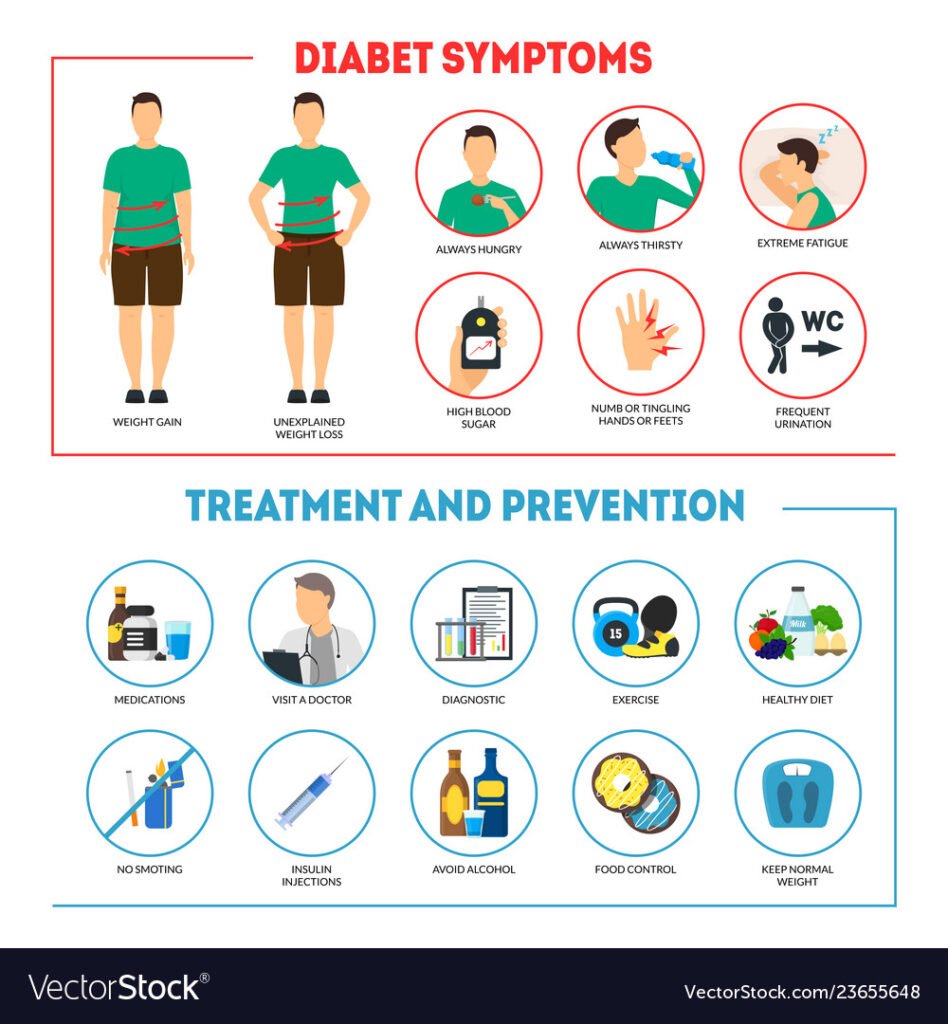
Certain factors increase the risk of developing diabetes mellitus. Some of the main risk factors include a family history of diabetes, being overweight or obese, leading a sedentary lifestyle, having high blood pressure or high cholesterol levels, and having a history of gestational diabetes during pregnancy. Additionally, certain ethnic groups, such as African Americans, Hispanics, Native Americans, and Asian Americans, have a higher prevalence of diabetes. Age also plays a role, as diabetes becomes more common as individuals grow older.
Importance of Preventing Diabetes Mellitus
Preventing diabetes mellitus is crucial for maintaining good health and preventing complications associated with the condition. By making positive lifestyle choices and managing risk factors, you can reduce the likelihood of developing diabetes. Prevention also plays an essential role in reducing the burden on healthcare systems and improving the overall quality of life for individuals and communities.
Maintaining a Healthy Diet
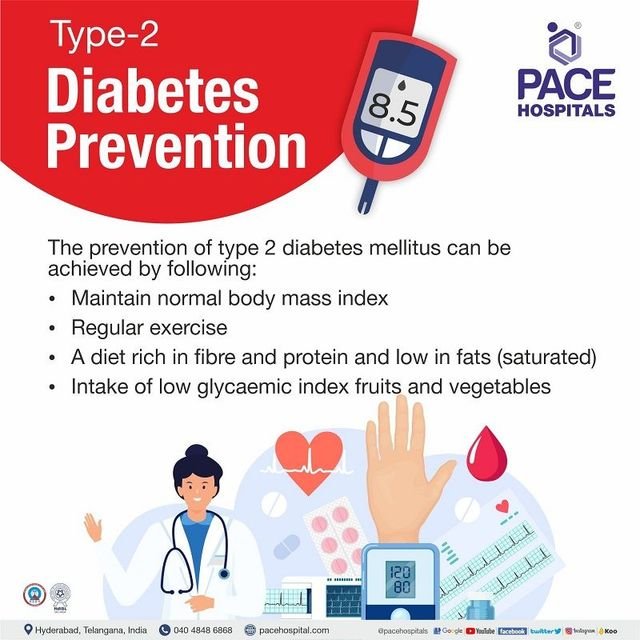
Diet plays a critical role in preventing diabetes mellitus. Focus on consuming a balanced diet that includes a variety of fruits, vegetables, whole grains, lean proteins, and healthy fats. Limit the intake of processed foods, sugary snacks, and beverages high in added sugars. Incorporate more fiber-rich foods, such as beans, lentils, and whole grains, as they help regulate blood sugar levels and promote satiety. Avoid trans fats and opt for healthier cooking oils like olive oil. By choosing nutrient-dense foods and watching portion sizes, you can maintain a healthy weight and control blood sugar levels.
Regular Physical Activity
Engaging in regular physical activity is essential for preventing diabetes mellitus. Aim for at least 150 minutes of moderate-intensity aerobic exercise per week, such as brisk walking, swimming, or cycling. Physical activity helps improve insulin sensitivity and promotes weight loss, both of which are key factors in preventing type 2 diabetes. Incorporate strength training exercises, such as weightlifting or bodyweight exercises, at least twice a week to build muscle mass and increase metabolism. Remember to consult with a healthcare professional before starting any new exercise routine, especially if you have existing health conditions.

Weight Management
Maintaining a healthy weight is crucial for preventing diabetes mellitus. Excess weight, especially around the abdomen, increases the risk of developing insulin resistance and type 2 diabetes. Adopting a balanced diet and engaging in regular physical activity are essential for achieving and maintaining a healthy weight. Set realistic goals and make gradual changes to your lifestyle to promote sustainable weight loss. Seek support from healthcare professionals, registered dietitians, or a support group to stay motivated and accountable throughout your weight management journey.
Avoidance of Sugary Beverages
Sugary beverages, such as soda, energy drinks, and fruit juices, can contribute to weight gain and increase the risk of diabetes mellitus. These beverages are packed with added sugars and empty calories, providing little to no nutritional value. Opt for water, unsweetened tea, or flavored water instead. If you enjoy fruit juice, opt for freshly squeezed juice or dilute it with water to reduce the sugar content. Be mindful of hidden sugars in drinks like smoothies and coffee drinks, and choose sugar-free or low-sugar alternatives when possible.
Reducing Intake of Processed Foods
Processed foods, including packaged snacks, frozen meals, and fast food, often contain high amounts of added sugars, unhealthy fats, and sodium. These foods contribute to weight gain, insulin resistance, and increased risk of diabetes mellitus. When grocery shopping, read food labels and choose whole, unprocessed foods whenever possible. Cook meals at home using fresh ingredients and flavor them with herbs and spices instead of relying on processed sauces and seasonings. By opting for whole foods, you can better control the nutritional content of your meals and support your overall health.
Monitoring Blood Glucose Levels
Regularly monitoring blood glucose levels can help identify any abnormalities and allow for early intervention and management of diabetes mellitus. Individuals who are at a higher risk of developing diabetes, such as those with a family history or overweight individuals, can benefit from monitoring their blood sugar levels regularly. This can be done using a blood glucose meter or through an HbA1c test, which provides an average blood sugar level over the past two to three months. Consulting with a healthcare professional can help determine the appropriate frequency of blood glucose monitoring based on individual risk factors.
Managing Stress Levels
Stress can have a significant impact on overall health, including the risk of developing diabetes mellitus. Chronic stress can contribute to unhealthy behaviors such as emotional eating, lack of exercise, and poor sleep quality, all of which increase the risk of diabetes. It is important to find effective stress management techniques that work for you, such as practicing mindfulness and relaxation techniques, engaging in hobbies, seeking social support, and incorporating regular exercise into your routine. Taking steps to manage stress can not only help prevent diabetes but also improve your overall well-being.
Avoidance of Smoking and Alcohol
Smoking and excessive alcohol consumption are linked to an increased risk of diabetes mellitus. Smoking affects blood circulation and damages blood vessels, making it harder for insulin to work effectively. Excessive alcohol consumption can lead to weight gain, liver damage, and an increased risk of developing type 2 diabetes. It is important to quit smoking and limit alcohol consumption to reduce the risk of developing diabetes and other related health issues.
Regular Medical Check-ups
Regular medical check-ups are essential for preventing diabetes mellitus. During these check-ups, healthcare professionals can assess your risk factors, monitor your blood sugar levels, and provide guidance on lifestyle modifications. They can also address any concerns or questions you may have regarding diabetes prevention. Be sure to schedule regular visits with your healthcare provider and follow their recommendations for preventive care and screenings.
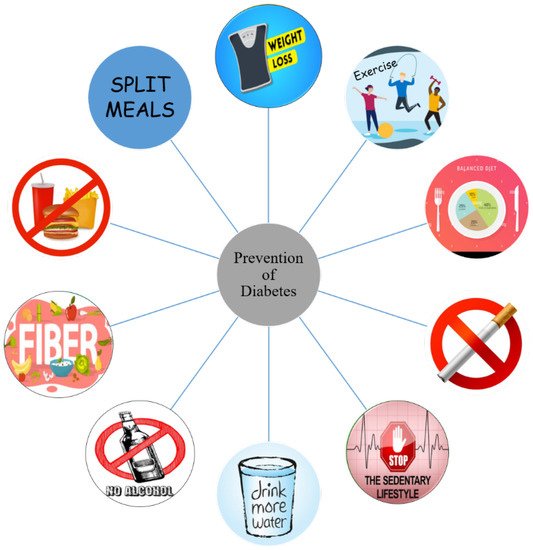
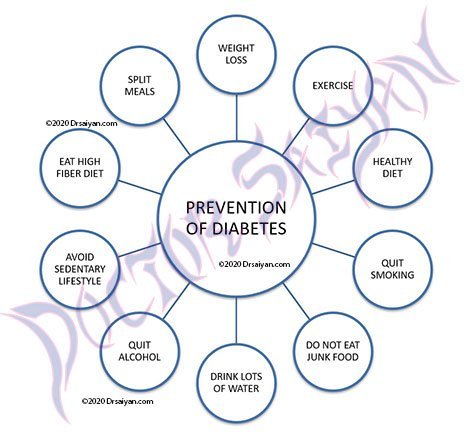
In conclusion, preventing diabetes mellitus requires a holistic approach that includes a healthy diet, regular physical activity, weight management, and avoiding unhealthy habits like smoking and excessive alcohol consumption. By making positive lifestyle choices and managing risk factors, you can reduce the likelihood of developing diabetes and improve your overall health and well-being. Remember to consult with a healthcare professional for personalized advice and guidance on diabetes prevention and to maintain regular medical check-ups to monitor your health.