
I’m so glad you stumbled upon this article! Today, we’re going to take a closer look at a topic that is close to many people’s hearts: improving the quality of life for individuals with endocrine system disorders. From diabetes to thyroid dysfunction, these conditions can have a tremendous impact on a person’s daily life. But fear not, because in this article, we will explore various strategies, treatments, and support systems that can help individuals with endocrine system disorders lead happier, healthier lives. So grab a cup of tea, sit back, and let’s embark on this journey together!

Understanding Endocrine System Disorders
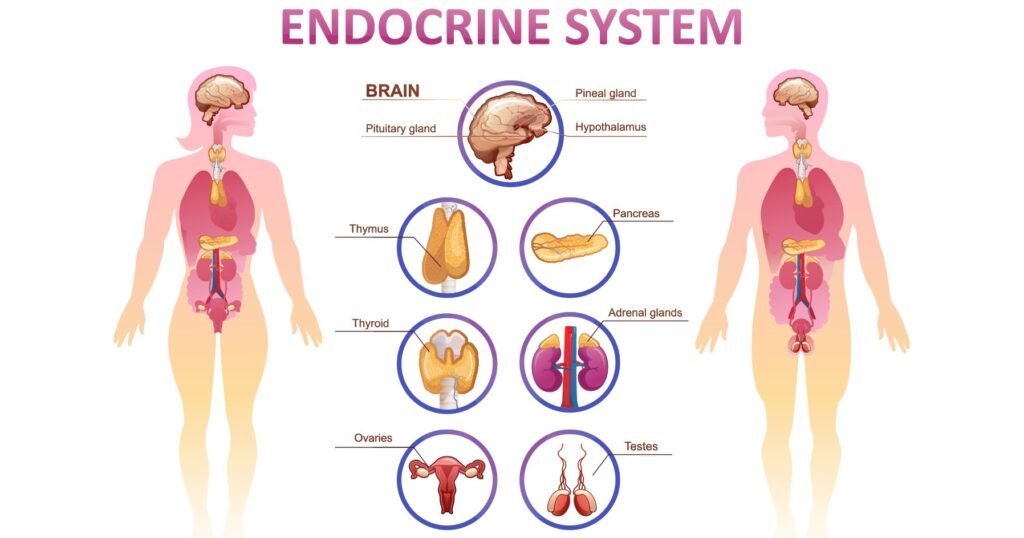
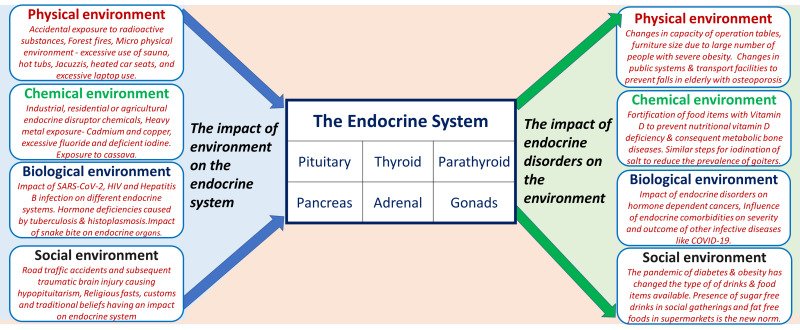
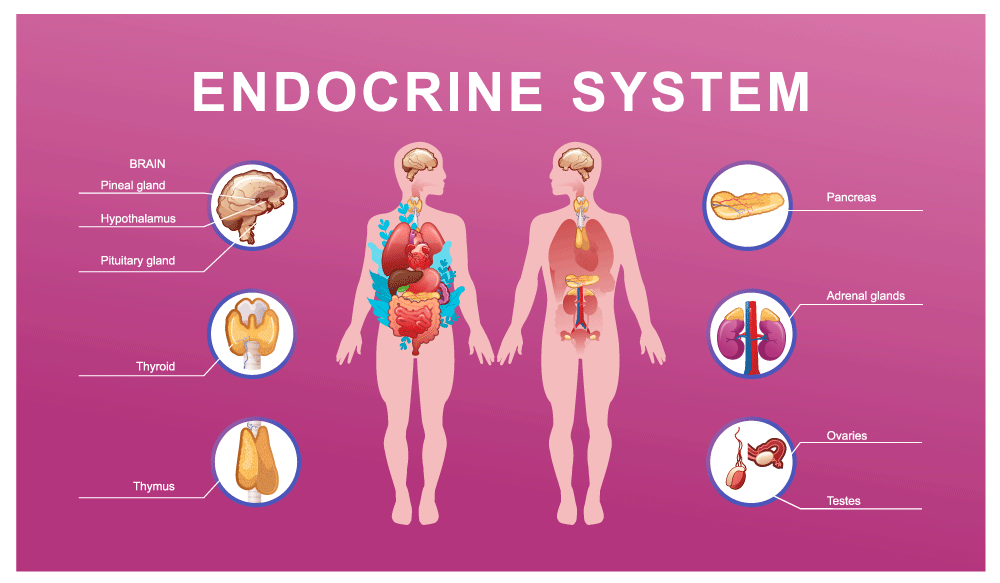
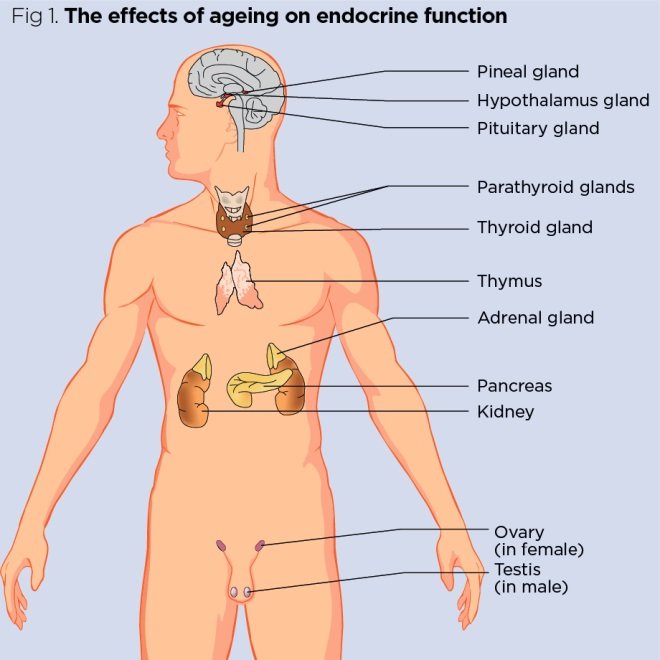
The endocrine system is a complex network of glands that produce and release hormones into the bloodstream. These hormones act as chemical messengers that regulate various bodily functions, including metabolism, growth and development, reproduction, and mood. However, when there is an imbalance in hormone production or regulation, it can lead to endocrine system disorders.
Definition of Endocrine System Disorders
Endocrine system disorders refer to a group of medical conditions that affect the normal functioning of the glands and hormones in the endocrine system. These disorders can arise from factors such as genetic mutations, autoimmune diseases, tumors, or even lifestyle factors. They can affect individuals of any age and may involve one or multiple glands in the endocrine system.
Types of Endocrine System Disorders
There are several types of endocrine system disorders, each affecting specific glands or hormones within the system. Some common examples include thyroid disorders (such as hypothyroidism and hyperthyroidism), diabetes, adrenal gland disorders, polycystic ovary syndrome (PCOS), and pituitary gland disorders. Each disorder presents with its own set of symptoms and requires specific diagnostic and treatment approaches.
Causes of Endocrine System Disorders
The causes of endocrine system disorders can vary depending on the specific disorder and individual factors. Some disorders, such as diabetes or PCOS, may have a strong genetic component, while others, like thyroid disorders, may be triggered by environmental factors or autoimmune diseases. Hormonal imbalances can also occur due to certain medications, stress, or tumors in the endocrine glands. Understanding the underlying causes of these disorders is crucial for effective diagnosis and treatment.
Diagnosis and Treatment Options for Endocrine System Disorders
Early detection and diagnosis of endocrine system disorders is essential for preventing complications and managing symptoms effectively.
Importance of Early Detection and Diagnosis
Early detection and diagnosis of endocrine system disorders can significantly improve outcomes and quality of life for individuals. Prompt medical intervention can help prevent or minimize the development of complications and ensure the implementation of appropriate treatment plans. Regular check-ups and screenings, especially for individuals with a family history of endocrine disorders or other risk factors, are vital in detecting potential issues early on.
Diagnostic Procedures for Endocrine System Disorders
The diagnosis of endocrine system disorders typically involves a combination of medical history evaluation, physical examinations, and specialized tests. Blood tests are commonly used to measure hormone levels and identify any imbalances. Imaging techniques, such as ultrasounds, CT scans, or MRI scans, may be utilized to visualize the affected glands or identify any tumors. In certain cases, a biopsy may be necessary to obtain tissue samples for further analysis.
Medical Treatments for Endocrine System Disorders
The treatment options for endocrine system disorders depend on the specific disorder and its severity. Medications are often prescribed to restore hormonal balance, regulate blood sugar levels, or alleviate symptoms associated with the disorder. For example, individuals with hypothyroidism may be prescribed synthetic thyroid hormone replacement therapy, while individuals with diabetes may require insulin injections or oral medications to manage blood sugar levels. Close monitoring by healthcare professionals is crucial to ensure the effectiveness and safety of the medications.
Surgical Options for Endocrine System Disorders
Surgery may be an option for certain endocrine system disorders, particularly when there are tumors or abnormal growths affecting the glands. For instance, individuals with adrenal gland disorders may undergo surgical removal of tumors in the adrenal glands. Surgical procedures can often provide long-term solutions and relieve symptoms associated with the disorder. However, it is important to weigh the potential benefits against the risks and consult with healthcare professionals to determine the most suitable treatment approach.
Managing Symptoms and Complications of Endocrine System Disorders
While there is no cure for most endocrine system disorders, effective management of symptoms and complications is crucial for improving quality of life.
Symptom Management Strategies
Symptom management strategies for endocrine system disorders vary depending on the specific symptoms experienced by individuals. For example, individuals with diabetes may need to monitor their blood sugar levels regularly and make dietary adjustments accordingly. Managing stress levels through relaxation techniques, such as meditation or yoga, can also help alleviate symptoms associated with hormonal imbalances. Developing a customized symptom management plan in collaboration with healthcare professionals ensures a targeted approach tailored to individual needs.
The Role of Medication in Symptom Management
Medication plays a significant role in managing symptoms of endocrine system disorders, as it can help regulate hormone levels and control associated symptoms. For instance, individuals with thyroid disorders may require medications to normalize their hormone levels and alleviate symptoms such as fatigue or weight changes. It is essential to adhere to prescribed medication regimens and consult with healthcare professionals regarding any potential side effects or interactions with other medications.
Lifestyle Changes to Improve Quality of Life
Making certain lifestyle changes can greatly contribute to the overall management of endocrine system disorders. Eating a balanced diet, rich in nutrients, can help support hormonal balance and overall health. Regular physical activity, tailored to individual capabilities and requirements, promotes blood circulation, reduces stress, and aids in maintaining a healthy weight. Adequate sleep, stress management techniques, and the avoidance of smoking and excessive alcohol consumption can also positively impact individuals’ quality of life.
Diet and Nutrition for Individuals with Endocrine System Disorders
Diet and nutrition play a crucial role in managing endocrine system disorders. Making appropriate dietary modifications can help regulate hormone levels and minimize symptoms.
The Impact of Diet on Endocrine System Disorders
Diet has a significant impact on endocrine system disorders because certain foods can either aggravate or alleviate symptoms. For instance, individuals with diabetes may need to monitor their carbohydrate intake and opt for whole grains, fruits, and vegetables instead of processed sugars. Similarly, individuals with PCOS may benefit from reducing consumption of high-glycemic index foods and incorporating more lean proteins and fiber into their diet. A balanced and nutritious diet ensures individuals receive the essential nutrients needed to support their overall health and hormone regulation.
Recommended Dietary Modifications
Specific dietary modifications can be recommended for individuals with different endocrine system disorders to manage their symptoms effectively. For example, individuals with thyroid disorders may benefit from consuming iodine-rich foods, such as seafood or iodized salt, to support thyroid function. Those with diabetes may need to follow a low-glycemic index diet, emphasizing whole grains, lean proteins, and healthy fats. Collaborating with healthcare professionals or registered dietitians helps develop personalized dietary plans that meet individual needs and goals.
Nutritional Supplements for Individuals with Endocrine System Disorders
In some cases, individuals with endocrine system disorders may require nutritional supplements to complement their diet and address specific nutrient deficiencies. For instance, individuals with vitamin D deficiency may be prescribed supplements to support bone health and immune function. However, it is important to consult with healthcare professionals before starting any supplements to ensure appropriate dosages and identify any potential interactions with medications.
Exercise and Physical Activity for Individuals with Endocrine System Disorders
Regular exercise and physical activity have numerous benefits for individuals with endocrine system disorders, including improved hormone regulation and overall well-being.
Benefits of Exercise for Individuals with Endocrine System Disorders
Exercise provides numerous benefits for individuals with endocrine system disorders. It can help regulate hormone levels, improve insulin sensitivity, and support weight management. Regular physical activity promotes cardiovascular health, reduces the risk of complications associated with certain disorders (such as osteoporosis in individuals with hypogonadism), and boosts mood and mental well-being. Engaging in appropriate exercises, based on individual capabilities and preferences, can significantly enhance quality of life.
Types of Exercises Suitable for Different Endocrine Disorders
Different endocrine disorders may require specific types of exercises to address their unique challenges and optimize health outcomes. For example, individuals with diabetes may benefit from a mix of aerobic exercises, such as walking or cycling, and strength training exercises to improve insulin sensitivity and overall fitness. Individuals with osteoporosis, a common complication of certain endocrine disorders, may require weight-bearing exercises, such as walking or dancing, to strengthen bones and reduce the risk of fractures. Consulting with healthcare professionals or exercise specialists can help determine the most suitable exercise regimen for each individual.
Safety Precautions during Exercise
Although exercise is generally beneficial, individuals with endocrine system disorders should take certain safety precautions to avoid potential risks. It is important to start gradually, especially for individuals who have been sedentary or have certain complications. Stretching and warm-up exercises before engaging in more intense workouts can prevent injuries. Monitoring blood sugar levels for individuals with diabetes and adjusting medication or food intake accordingly is crucial to prevent hypoglycemia or hyperglycemia during exercise. Hydration, wearing appropriate footwear and clothing, and listening to one’s body are some other key safety considerations to ensure a safe and enjoyable exercise routine.
Psychological Support for Individuals with Endocrine System Disorders
Living with an endocrine system disorder can have a significant emotional impact on individuals. Therefore, psychological support is essential to promote overall well-being and coping strategies.
The Emotional Impact of Living with an Endocrine Disorder
Individuals with endocrine system disorders may experience a wide range of emotions, including frustration, anxiety, depression, and low self-esteem. Coping with the physical symptoms, lifestyle changes, and potential limitations associated with the disorder can be challenging and may lead to emotional distress. Recognizing and addressing these emotional impacts is crucial for holistic management.
Importance of Psychological Support
Psychological support is vital for individuals with endocrine system disorders as it provides a safe space to express emotions, develop coping mechanisms, and receive guidance on managing stress and anxiety. Mental health professionals, such as psychologists or counselors, can help individuals navigate the emotional challenges they face and develop resilience. Support groups or peer networks also offer an opportunity for individuals to connect with others who understand their experiences and provide valuable emotional support.
Therapeutic Interventions for Individuals with Endocrine System Disorders
Various therapeutic interventions can benefit individuals with endocrine system disorders in managing their emotional well-being. Cognitive-behavioral therapy (CBT) is often effective in helping individuals identify and challenge negative thoughts and behaviors associated with their condition. Mindfulness techniques and relaxation exercises, such as meditation or deep breathing, can help reduce stress and promote emotional resilience. In some instances, medication may be prescribed to manage symptoms of anxiety or depression. The most appropriate therapeutic interventions depend on the individual’s needs and preferences, and healthcare professionals can provide guidance in selecting the most suitable approaches.
Educating Individuals with Endocrine System Disorders and Their Families
Providing comprehensive information about endocrine system disorders and their management is crucial for individuals to actively participate in their own care and involve their families in the process.
Providing Information about the Condition and Its Management
Educating individuals about their specific endocrine system disorder, its causes, symptoms, and treatment options, empowers them to make informed decisions regarding their health. Healthcare professionals play a key role in explaining medical terminologies and simplifying complex concepts to ensure individuals have a clear understanding of their condition. Sharing reliable educational resources and encouraging questions can help individuals and their families be actively involved in the treatment and management process.
Empowering Individuals with Endocrine System Disorders
Empowering individuals with endocrine system disorders involves providing them with the knowledge, skills, and tools to actively participate in their own care. This may include educating them about self-monitoring techniques, medication management, lifestyle modifications, and recognizing signs of complications. By empowering individuals, they become partners in their treatment journey, fostering a sense of ownership and control over their health outcomes.
Involving Family Members in the Treatment Process
Involving families in the treatment process is crucial to provide support and understanding to individuals with endocrine system disorders. By educating family members about the condition, its impact, and management strategies, they can better assist individuals in implementing lifestyle changes, adhering to medication regimens, and providing emotional support. Open and effective communication between healthcare professionals, individuals, and their families ensures a collaborative approach to care and enhances the overall well-being of individuals with endocrine system disorders.
Supportive Care and Resources for Individuals with Endocrine System Disorders
Accessing supportive care and resources is essential for individuals with endocrine system disorders to navigate their healthcare journey effectively.
Patient Support Groups
Patient support groups provide individuals with endocrine system disorders an opportunity to connect with others who share similar experiences and challenges. These groups offer emotional support, valuable insights, and practical tips for self-management. Peer support can be immensely beneficial in coping with the emotional and practical aspects of living with an endocrine system disorder. Numerous online platforms and local organizations offer access to patient support groups dedicated to specific disorders or broader endocrine issues.
Accessing Specialized Healthcare Professionals
Endocrine system disorders often require care from specialized healthcare professionals with expertise in managing these conditions. Endocrinologists, who specialize in the diagnosis and treatment of hormonal disorders, play a crucial role in managing endocrine system disorders. Collaborating with healthcare professionals, such as registered dietitians or exercise specialists, can further support individuals in developing customized dietary plans and exercise regimens. Accessing the right healthcare professionals ensures individuals receive the specialized care and guidance needed to effectively manage their condition.
Financial and Insurance Assistance
Endocrine system disorders often require ongoing medical care, medications, and specialized treatments. Navigating the financial aspects of managing these disorders can be challenging. Exploring available financial assistance programs, insurance coverage, and resources can help individuals overcome financial barriers and access the necessary healthcare and medications. Consulting with healthcare professionals, social workers, or financial advisors, can provide valuable guidance and support in navigating the complexities of insurance coverage and financial assistance programs.
Promoting Research and Innovation in Endocrine System Disorders
Continued research and innovation are crucial to improve our understanding, diagnosis, and treatment options for endocrine system disorders.
The Need for Ongoing Research in Endocrine Disorders
Endocrine system disorders are complex and multifaceted, often requiring ongoing research to deepen our understanding of their causes, mechanisms, and optimal management strategies. Research studies focus on identifying genetic factors, exploring innovative treatment approaches, and improving diagnostics. By continuously expanding our knowledge, we can develop more effective interventions and ultimately enhance the lives of individuals affected by these disorders.
Advancements in Treatment Options
Advancements in treatment options have significantly improved the outcomes for individuals with endocrine system disorders. Research has led to the development of new medications, surgical techniques, and targeted therapies that provide more precise and personalized care. For example, advancements in insulin pumps and continuous glucose monitoring systems have revolutionized diabetes management. Clinical trials and research studies continually push the boundaries of treatment options, offering individuals the opportunity to benefit from emerging therapies.
Opportunities for Individuals to Participate in Clinical Trials
Clinical trials provide an opportunity for individuals with endocrine system disorders to contribute to scientific advancements while potentially accessing new treatment options. These trials investigate the safety and effectiveness of new medications, surgical procedures, or interventions, often with the goal of improving outcomes and reducing complications associated with these disorders. Engaging in clinical trials not only benefits the individual but also contributes to the broader body of knowledge in endocrine disorders.
Advocacy for Individuals with Endocrine System Disorders
Advocacy plays a crucial role in raising awareness, promoting support, and driving policy changes to improve care and support for individuals with endocrine system disorders.
Raising Awareness about Endocrine System Disorders
Raising awareness about endocrine system disorders is essential to increase understanding and reduce stigma associated with these conditions. Advocacy efforts aim to educate the general public, healthcare professionals, and policymakers about the impact of endocrine disorders on individuals’ lives and the importance of timely diagnosis and treatment. It helps foster empathy, support, and community engagement around these disorders.
Advocacy Organizations and Initiatives
Many advocacy organizations and initiatives are dedicated to supporting individuals with endocrine system disorders. These organizations provide valuable resources, support networks, educational materials, and awareness campaigns to empower individuals and their families. They advocate for policy changes, improved access to care, and research funding. Engaging with these organizations can provide individuals with a platform to share their experiences, connect with others, and become active participants in advocating for improved care and support.
Policy Changes to Improve Care and Support
Advocacy efforts often aim to drive policy changes that improve the care and support available to individuals with endocrine system disorders. This may include improving insurance coverage for necessary medications and treatments, promoting comprehensive healthcare plans that address the specific needs of individuals with endocrine disorders, and advocating for increased research funding. Collaborating with policymakers, healthcare professionals, and advocacy organizations can bring about positive changes that enhance the overall well-being of individuals affected by endocrine system disorders.
In conclusion, understanding endocrine system disorders is crucial for individuals, their families, and healthcare professionals involved in their care. By recognizing the definition, types, and causes of these disorders, effective diagnosis and treatment options can be explored. Managing symptoms and complications through various strategies, such as medication, lifestyle changes, and psychological support, ensures individuals have the best possible quality of life. Proper diet, exercise, education, and access to support resources further enhance their well-being. Advocacy efforts and continued research contribute to advancements in treatment options and policy changes, ultimately improving care and support for individuals with endocrine system disorders.