
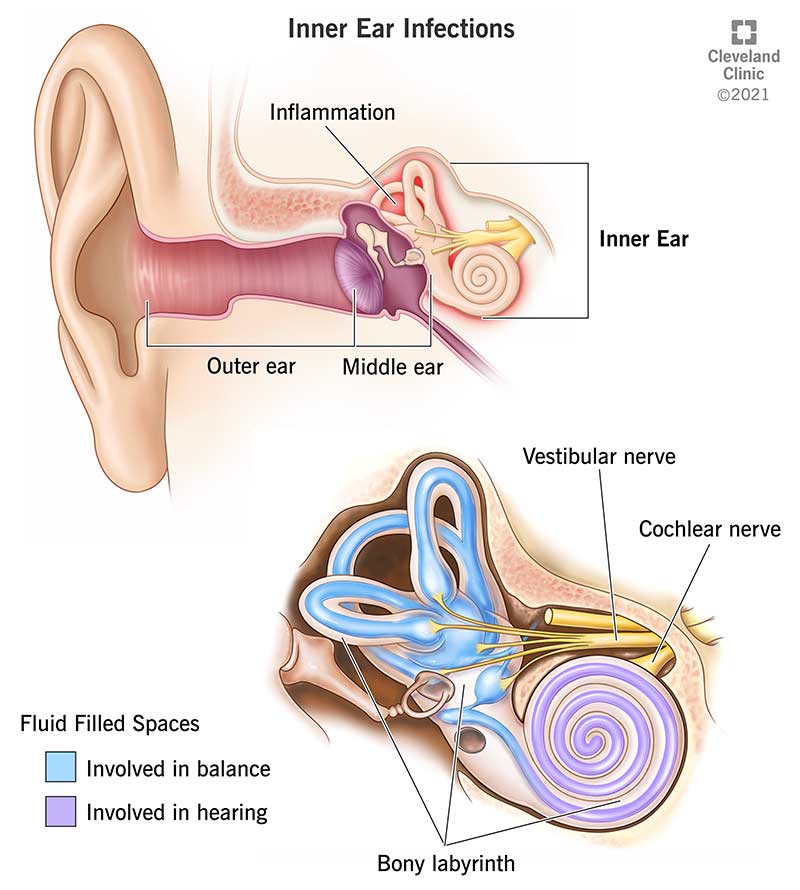
Are you tired of feeling dizzy and off-balance? Look no further – we’ve got you covered! In this article, we will share some valuable tips on how to prevent labyrinthitis and keep your inner ear healthy. Labyrinthitis, a condition characterized by inflammation of the inner ear, can cause debilitating symptoms such as vertigo, nausea, and difficulty maintaining balance. By following our simple yet effective suggestions, you can reduce the risk of developing labyrinthitis and enjoy a life free from dizzying spells. So, grab a pen and paper, and get ready to take notes on how to maintain a healthy inner ear! Labyrinthitis. The very word can send shivers down your spine. It’s a condition that no one wants to experience. The dizziness, the nausea, the disruption to your daily life – it’s no fun at all. But fear not, because there are steps you can take to prevent labyrinthitis and maintain a healthy inner ear. In this article, we will discuss various preventive measures that can help you keep your ears in optimal condition.

Cleaning the ears properly
Proper ear hygiene is essential for keeping your ears healthy and free from infections. However, it’s important to clean your ears in the right way to avoid causing any damage. The key is to be gentle and avoid inserting anything into the ear canal. Simply clean the outer part of your ear using a damp cloth or a mildly moistened cotton swab. This will help remove any accumulated dirt or wax without risking injury to your delicate ear canal.
Avoiding excessive use of cotton swabs
While cotton swabs can be useful for cleaning the outer ear, they should never be inserted into the ear canal. The inner ear is a delicate and sensitive part of your body, and poking around with a cotton swab can cause damage or push wax further into the ear, leading to blockages and potential infections. So, remember to keep the cotton swabs in the outer ear only and resist the temptation to go digging deeper.
Avoiding the use of ear candles
Ear candles have gained popularity as a supposed remedy for excessive earwax and ear infections. However, there is no scientific evidence to support their effectiveness, and they can actually be quite dangerous. The heat from the burning candle can cause burns, and the melted wax and ash can drip into the ear, leading to further complications. It’s best to steer clear of ear candles and rely on safer and proven methods for ear care.
Using ear protection in loud environments
Exposure to loud noises can damage your hearing and increase the risk of developing labyrinthitis. Whether you’re attending a concert, working with heavy machinery, or engaging in any activity with high noise levels, it’s essential to protect your ears. Invest in a good pair of earplugs or earmuffs that can attenuate the sound and reduce the impact on your inner ear. By wearing proper ear protection, you can enjoy the activities you love without compromising your hearing health.
Limiting exposure to loud noises
In addition to using ear protection, it’s also important to limit your overall exposure to loud noises. Prolonged exposure to loud sounds can gradually damage the cells in your inner ear, leading to hearing loss and potential complications like labyrinthitis. Whenever possible, try to avoid or minimize exposure to loud environments. If you cannot avoid them entirely, make a conscious effort to take regular breaks in quieter areas to give your ears a rest.
Considering noise-canceling headphones
If you frequently find yourself in noisy environments, such as during long commutes or flights, you may benefit from using noise-canceling headphones. These headphones work by actively reducing external noise, allowing you to listen to your music or audio content at a lower volume. By reducing the need to crank up the volume to drown out background noise, you can protect your ears and potentially prevent the development of labyrinthitis.
Practicing good respiratory hygiene
Ear infections, including labyrinthitis, can sometimes arise as a result of respiratory infections. To minimize the risk, it’s crucial to practice good respiratory hygiene. This includes covering your mouth and nose when coughing or sneezing, disposing of used tissues properly, and washing your hands regularly. By taking these simple steps, you can reduce your chances of developing respiratory infections and the subsequent risk of ear infections.
Avoiding close contact with individuals with respiratory infections
When someone around you has a respiratory infection, it’s best to limit close contact to avoid catching the infection. Viruses and bacteria that cause respiratory infections can spread easily through droplets in the air, and they can also reach your inner ear through the Eustachian tubes. By maintaining a safe distance and following proper hygiene practices, you can minimize the risk of respiratory infections and reduce the likelihood of developing labyrinthitis.

Getting vaccinated against relevant infections
Vaccines are a powerful tool for preventing various infections, including those that can potentially lead to labyrinthitis. Stay up-to-date with your vaccinations, particularly those that target respiratory infections like influenza and pneumococcal disease. By receiving the appropriate vaccines, you can strengthen your immune system and reduce your vulnerability to infections that can affect your inner ear.
Drying the ears properly after bathing or swimming
Excess moisture in the ears can create an ideal environment for bacteria and fungi to thrive, increasing the risk of ear infections and labyrinthitis. After showering or swimming, take the time to thoroughly dry your ears. Gently tilt your head to the side and use a clean towel or a hairdryer on the lowest setting to remove any remaining moisture. Taking this simple step can help keep your ears dry and prevent potential infections.
Avoiding prolonged exposure to water
In addition to drying your ears after water activities, it’s also important to avoid prolonged exposure to water whenever possible. This means limiting the amount of time you spend in the shower or bath, and being mindful of activities that involve water, such as swimming or water sports. By minimizing your exposure to water, you can reduce the chances of moisture accumulating in your ears and decrease the likelihood of developing labyrinthitis.
Using earplugs while swimming or showering
If you’re a frequent swimmer or find it challenging to keep water out of your ears while showering, using earplugs can help. Earplugs create a barrier that prevents water from entering the ear canal, keeping your ears dry and reducing the risk of infections. There are different types of earplugs available, so choose the ones that fit comfortably and provide a snug seal to keep water out.

Seeking appropriate treatment for allergies and sinus issues
Allergies and sinus problems can contribute to the development of ear infections and labyrinthitis. It’s important to seek appropriate treatment for these conditions to minimize their impact on your inner ear health. Consult with a healthcare professional to determine the best course of action, which may involve medications, nasal sprays, or other treatments that can alleviate your symptoms and reduce the risk of complications.
Avoiding triggers that worsen symptoms
Managing allergies and sinus problems also entails identifying and avoiding triggers that worsen your symptoms. Common triggers include pollen, dust mites, pet dander, and certain foods. By being aware of your triggers and taking appropriate steps to minimize exposure, such as using air purifiers or keeping windows closed during high pollen seasons, you can reduce the frequency and severity of symptoms that can potentially lead to ear infections.
Keeping the nasal passages clear and healthy
Healthy nasal passages are essential for maintaining proper airflow and pressure regulation in the middle ear. To keep your nasal passages clear, consider using saline nasal sprays or rinses to flush out irritants and moisturize the nasal tissues. Additionally, practicing regular gentle blowing of the nose can help remove any excess mucus that can harbor bacteria and potentially lead to ear infections.
Promptly seeking medical attention for ear infections
If you experience any signs or symptoms of an ear infection, such as ear pain, discharge, or hearing difficulties, it’s crucial to seek medical attention promptly. Early diagnosis and treatment can prevent the infection from worsening and potentially leading to labyrinthitis. A healthcare professional will be able to assess your condition and prescribe appropriate medications, such as antibiotics, if necessary.

Completing the full course of prescribed antibiotics
If your healthcare professional determines that you require antibiotics for an ear infection, it’s essential to follow their instructions and complete the full course of medication. Antibiotics are designed to fight off the infection and prevent it from spreading or recurring. Failing to complete the prescribed course can allow the infection to persist, potentially causing further complications and increasing the risk of labyrinthitis.
Following proper care instructions for ear infections
In addition to taking prescribed medications, it’s important to follow any additional care instructions provided by your healthcare professional. This may include using ear drops, applying warm compresses, or avoiding certain activities that could aggravate the infection or delay the healing process. By adhering to these instructions, you can support your body’s natural healing abilities and facilitate a speedy recovery from an ear infection.
Wearing protective headgear during sports and other activities
To prevent head and ear injuries that can lead to labyrinthitis, it’s crucial to wear appropriate protective headgear during sports and other activities. Helmets, headbands, and ear guards can provide cushioning and protection, reducing the impact of falls, collisions, or other accidents that could cause trauma to the head or ears. Always prioritize your safety and ensure you have the necessary gear to protect yourself during high-risk activities.
Using caution when participating in activities with a risk of head or ear injury
While protective gear is essential, it’s also important to use caution and exercise common sense when participating in activities that carry a risk of head or ear injury. Be aware of your surroundings and potential hazards, and avoid engaging in reckless behavior that could increase the likelihood of accidents. By being mindful and taking necessary precautions, you can significantly reduce the chances of sustaining head or ear trauma.
Avoiding falls and accidents that could cause head trauma
Preventing labyrinthitis also involves being proactive in avoiding falls and accidents that can cause head trauma. Falls, particularly those involving a blow to the head, can damage the delicate structures of the inner ear and lead to balance problems and other complications. Be cautious when walking on uneven surfaces, use handrails when available, and take steps to minimize the risk of falls, especially for those at higher risk, such as older adults.
Staying adequately hydrated
Maintaining proper hydration is crucial for the overall health of your body, including the inner ear. Dehydration can affect the fluid balance in your body, potentially leading to imbalances in the inner ear and disruptions in hearing or balance. To ensure you’re adequately hydrated, drink plenty of water throughout the day and adjust your fluid intake based on factors like activity level, weather, and individual needs.
Consuming a balanced diet rich in electrolytes
In addition to staying well-hydrated, consuming a balanced diet is essential for maintaining the health of your inner ear. Include a variety of fruits, vegetables, whole grains, lean proteins, and healthy fats in your meals. Certain foods, such as bananas, oranges, spinach, and nuts, are rich in electrolytes like potassium and magnesium, which play a crucial role in fluid balance and the proper functioning of the inner ear.
Avoiding excessive alcohol and caffeine consumption
While moderate alcohol and caffeine consumption is generally considered safe for most individuals, excessive intake can have detrimental effects on your inner ear health. Alcohol and caffeine can disrupt fluid balance within the body, potentially leading to changes in the inner ear and impairments in hearing or balance. To maintain a healthy inner ear, it’s best to consume alcohol and caffeine in moderation and be mindful of your overall intake.
Managing stress through relaxation techniques
Stress is known to contribute to various health issues, including those that can affect the inner ear. To reduce your risk of labyrinthitis, it’s important to manage stress effectively. Explore relaxation techniques such as deep breathing exercises, meditation, yoga, or engaging in activities that promote relaxation and mindfulness. By incorporating stress management practices into your daily routine, you can support your overall well-being and maintain a healthy inner ear.
Seeking therapy or counseling for anxiety-related issues
For some individuals, stress and anxiety can be chronic and require more focused attention. If you find that your anxiety levels are consistently high or interfering with your daily life, it may be beneficial to seek therapy or counseling. A mental health professional can help you explore coping mechanisms, develop strategies to manage anxiety more effectively, and provide support to improve your overall mental and emotional well-being.
Engaging in activities that promote mental well-being
In addition to managing stress and anxiety, engaging in activities that promote mental well-being can contribute to a healthy inner ear. Find activities that bring you joy and relaxation, whether it’s spending time outdoors, pursuing hobbies, connecting with loved ones, or practicing self-care. Taking care of your mental health can have a positive impact on your overall well-being and help reduce the risk of developing labyrinthitis.
Summarizing the importance of preventive measures for labyrinthitis
In conclusion, maintaining good hygiene practices, protecting the ears from noise, avoiding ear infections, keeping the ears dry, managing allergies and sinus problems, properly treating ear infections, avoiding trauma to the head and ears, balancing fluids and electrolytes, reducing stress and anxiety – all of these preventive measures are crucial for ensuring a healthy inner ear and reducing the risk of labyrinthitis.
By following the outlined tips, you can take proactive steps to care for your ears and minimize the chances of developing this disruptive condition. Remember to maintain good ear hygiene, protect your ears from excessive noise, seek appropriate treatment for respiratory infections and allergies, keep your ears dry, take precautions to avoid head and ear trauma, balance fluids and electrolytes, and prioritize your mental well-being.
Your inner ear is a precious and delicate part of your body. By implementing these preventive measures, you can maintain its health and enjoy a life full of balance and harmony. Take care of your ears, and they will take care of you.