
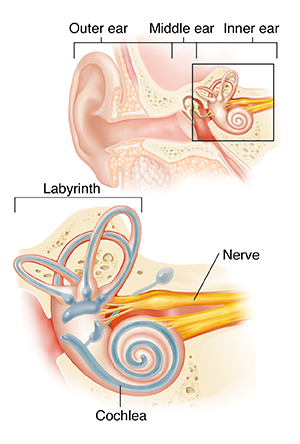
Labyrinthitis is an inflammatory condition that affects the inner ear, leading to symptoms such as vertigo, dizziness, and hearing loss. This article will provide you with a comprehensive understanding of labyrinthitis, including its causes, common symptoms, and available treatment options. By gaining knowledge about this condition, you will be better equipped to recognize and manage its symptoms, ultimately improving your overall well-being. So, let’s dive into the world of labyrinthitis and explore the steps you can take towards finding relief and reclaiming control over your life.

Understanding Labyrinthitis: Causes, Symptoms, and Treatment
Labyrinthitis is a condition that affects the inner ear, leading to symptoms such as dizziness, vertigo, and hearing loss. It can be both alarming and disruptive to your daily life, but with the right knowledge and understanding, you can better manage and treat this condition. In this comprehensive article, we will explore the causes, symptoms, diagnosis, treatment, prevention, complications, lifestyle changes, home remedies, medications, and when to seek medical assistance for labyrinthitis.
Causes
Labyrinthitis can have various causes, including viral and bacterial infections, respiratory infections, head injuries, and autoimmune diseases. Viral infections such as the common cold or flu can lead to inflammation in the inner ear, while bacterial infections such as sinusitis or middle ear infections can also affect the labyrinth. Respiratory infections, such as bronchitis or pneumonia, may spread the infection to the inner ear. Head injuries that result in trauma to the head can damage the inner ear and trigger labyrinthitis. Additionally, autoimmune diseases like rheumatoid arthritis or lupus can cause inflammation within the inner ear, leading to symptoms of labyrinthitis.

Symptoms
The symptoms of labyrinthitis can vary from person to person, but some common signs to look out for include vertigo (a spinning sensation), tinnitus (ringing in the ears), hearing loss, nausea and vomiting, ear pain, difficulty concentrating, and fatigue. These symptoms can be extremely bothersome and interfere with your daily activities and overall well-being. It is important to be aware of these symptoms and seek appropriate medical attention if they persist or worsen.
Diagnosis
To diagnose labyrinthitis, your doctor will typically start by taking a detailed medical history to understand your symptoms and potential risk factors. They will then perform a physical examination, which may include checking your balance and evaluating your ear canals. Hearing tests, such as audiometry, can assess your hearing capabilities and identify any potential hearing loss. In more complex cases, specialized tests like electronystagmography (ENG) or magnetic resonance imaging (MRI) might also be recommended to further evaluate the inner ear and rule out any other underlying conditions.
Treatment
The treatment approach for labyrinthitis depends on the underlying cause and severity of your symptoms. In cases where a viral or bacterial infection is identified, medications such as antiviral drugs, antibiotics, or corticosteroids might be prescribed to help combat the infection and reduce inflammation. Additionally, vestibular rehabilitation therapy (VRT) may be recommended to aid in improving balance and reducing dizziness. This therapy involves specific exercises designed to strengthen the vestibular system. In less severe cases, home remedies like rest, hydration, and avoidance of triggers can be helpful. In rare cases where symptoms persist or severe complications arise, surgery may be considered as a last resort.
Prevention
While labyrinthitis may not always be preventable, there are several steps you can take to reduce your risk. Ensuring you are up to date on your vaccinations, especially those targeting viral infections like the flu, can help minimize your chances of developing labyrinthitis. Practicing good hygiene, such as regular handwashing and avoiding close contact with sick individuals, can also reduce your risk of contracting viral or bacterial infections. Additionally, wearing protective gear, such as helmets, during activities that carry a higher risk of head injuries can help prevent trauma to the inner ear, thus reducing the likelihood of developing labyrinthitis.
Complications
Labyrinthitis can sometimes lead to complications that may have a long-term impact on your health and well-being. Chronic dizziness, anxiety, and depression are common complications associated with labyrinthitis. The constant sensations of dizziness can be debilitating and may negatively affect your mental health. The social and emotional impact of labyrinthitis should not be overlooked, as it can impact your relationships and overall quality of life. Additionally, the symptoms of labyrinthitis, such as vertigo and hearing loss, can significantly interfere with daily activities such as driving or work productivity.
Lifestyle Changes
Making certain lifestyle changes can significantly help manage and minimize the impact of labyrinthitis on your life. Dietary modifications, such as reducing salt intake, can alleviate symptoms of fluid retention in the inner ear, reducing dizziness and vertigo. Stress management techniques, such as mindfulness practices and relaxation exercises, can help decrease anxiety levels and improve overall well-being. It is also important to avoid alcohol and caffeine, as they can exacerbate symptoms of dizziness and disrupt your balance. Additionally, ensuring you get enough rest and sleep can support your body’s healing process and aid in symptom management.

Home Remedies
In addition to medical treatments, there are some home remedies that you can try to alleviate symptoms of labyrinthitis. The Epley maneuver is a specific head and body movement exercise that can help reposition particles in the inner ear and alleviate vertigo symptoms. Ginger, known for its anti-inflammatory properties, can help reduce inflammation in the inner ear and ease dizziness symptoms. Vitamin supplements, particularly those containing B vitamins, may support nerve health and aid in the recovery process. Identifying and avoiding triggers that worsen your symptoms, such as certain food or environmental factors, can be beneficial in managing labyrinthitis.
Medications
In specific cases, medications may be prescribed to manage the symptoms and underlying causes of labyrinthitis. Antibiotics may be prescribed for bacterial infections, while antiviral drugs can combat viral infections. Corticosteroids may be used to reduce inflammation and suppress the immune response in autoimmune-related labyrinthitis. Anti-nausea medications can help alleviate nausea and vomiting associated with labyrinthitis, while antihistamines may be prescribed to reduce symptoms of allergies that can contribute to inflammation in the ear.
When to Seek Medical Assistance
While labyrinthitis can often be managed at home, there are instances where medical assistance should be sought. If your symptoms persist or worsen despite at-home treatments and rest, it is important to consult with a healthcare professional for further evaluation and guidance. Severe dizziness that impacts your ability to perform daily tasks or persistent vomiting should also be assessed by a medical professional. Hearing loss, especially if sudden or accompanied by other concerning symptoms, requires prompt attention. If you experience double vision or facial weakness, it is crucial to seek immediate medical assistance, as these symptoms may indicate a more serious underlying condition.
In conclusion, labyrinthitis is a condition that can significantly impact your daily life and well-being. Understanding the causes, symptoms, diagnosis, treatment options, prevention strategies, potential complications, lifestyle changes, home remedies, medications, and when to seek medical assistance can help you better manage and cope with labyrinthitis. By staying informed and working closely with healthcare professionals, you can navigate this condition with confidence and improve your overall quality of life.