
As you step into the warmer months, it’s important to take a moment to consider the potential risks that come along with mosquito activity. Mosquito-borne diseases pose a significant threat to our health and well-being, but by taking simple preventative measures, we can greatly reduce the chances of infection. In this article, we will explore some effective strategies and useful tips to protect yourself and your loved ones from these pesky insects and the diseases they carry. So, grab your bug repellent and let’s dive into the world of mosquito prevention!
Understanding Mosquito-borne Diseases
Mosquito-borne diseases are illnesses caused by viruses or parasites transmitted to humans through the bites of infected mosquitoes. These diseases pose a significant threat to public health, with millions of people affected worldwide each year. Understanding the nature of mosquito-borne diseases is crucial in order to effectively prevent and control their spread.
What are mosquito-borne diseases?
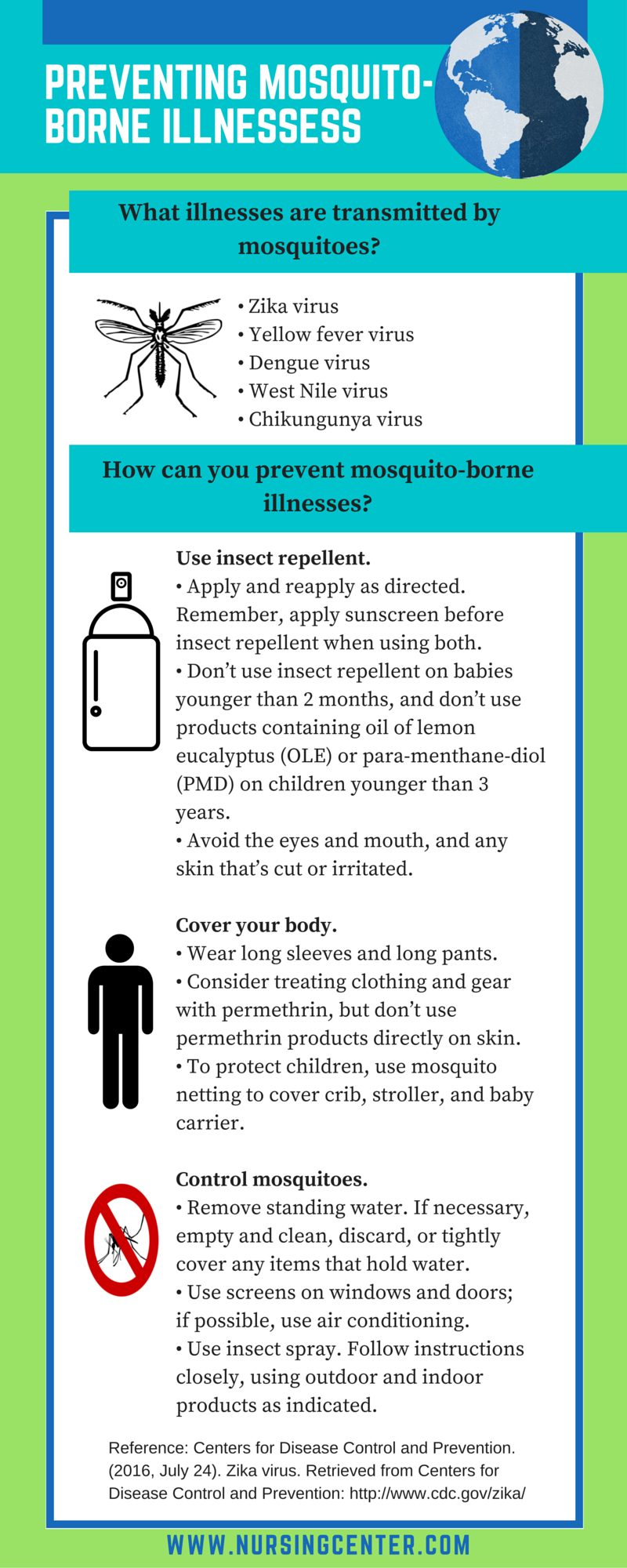
Mosquito-borne diseases are infections that result from the transmission of pathogens from mosquitoes to humans. When a mosquito bites an infected person or animal, it ingests the pathogens and can then transmit them to another individual through subsequent bites. The most common pathogens responsible for mosquito-borne diseases include viruses such as dengue, Zika, chikungunya, and yellow fever, as well as parasites like those causing malaria.
Common types of mosquito-borne diseases
There are several prevalent mosquito-borne diseases that pose a substantial global health burden. Dengue fever is one of the most common, with an estimated 390 million infections occurring annually. Symptoms include high fever, severe headache, joint and muscle pain, and rash. Other diseases, such as Zika and chikungunya, have gained attention in recent years due to their association with birth defects and long-lasting joint pain, respectively. Malaria, caused by a parasite, remains a major health threat, with over 200 million cases reported in 2019 alone.
Global impact of mosquito-borne diseases
Mosquito-borne diseases have a significant impact on global health, particularly in tropical and subtropical regions. These diseases not only cause human suffering but also result in economic losses due to healthcare expenditures, decreased productivity, and reduced tourism. They disproportionately affect vulnerable populations, including children and pregnant women, further exacerbating health inequities. By understanding the global impact of these diseases, we can prioritize strategies to prevent their transmission and minimize their burden.
Mosquito-borne Disease Prevention Methods
Preventing mosquito-borne diseases requires a multi-faceted approach that targets various stages of the mosquito’s life cycle and reduces human-mosquito contact. Implementing preventive measures on an individual and community level is crucial to effectively control the spread of these diseases.
Eliminating mosquito breeding sites
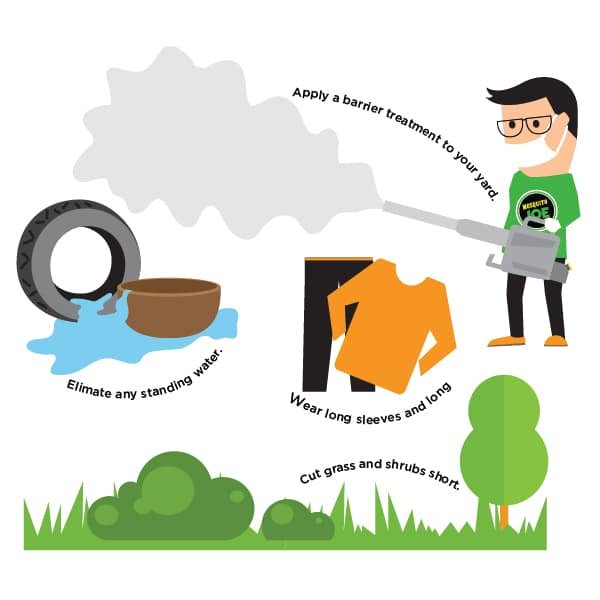
One key prevention method is to eliminate mosquito breeding sites. Mosquitoes require stagnant water to lay their eggs and complete their life cycle. By removing standing water or implementing regular drainage in areas where water cannot be removed, we can significantly reduce mosquito populations. This includes ensuring proper disposal of containers, covering or treating water storage containers, and maintaining clean and clear gutters.
Using mosquito nets and screens
Using mosquito nets and screens is another effective way to prevent mosquito-borne diseases, particularly during sleeping hours. Mosquito nets, treated with insecticides, create a physical barrier between humans and mosquitoes, reducing the risk of bites. Window and door screens can also be installed to prevent mosquitoes from entering homes while still allowing for proper ventilation.
Wearing protective clothing
When venturing outdoors, it is important to wear protective clothing to minimize mosquito exposure. This includes long-sleeved shirts, long pants, socks, and closed-toe shoes. Light-colored clothing may also be beneficial as mosquitoes are attracted to darker colors. By covering exposed skin, we can reduce the risk of mosquito bites and potential disease transmission.
Applying insect repellents
Applying insect repellents is another crucial preventive measure against mosquito-borne diseases. Repellents containing active ingredients such as DEET, picaridin, or oil of lemon eucalyptus can effectively deter mosquitoes from biting. These repellents should be applied according to the instructions on the product label and reapplied as necessary, especially during prolonged outdoor activities.
Avoiding peak mosquito activity times
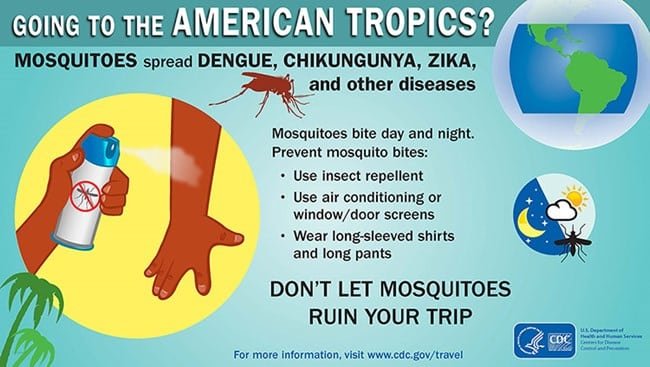
Mosquitoes are most active during certain times of the day, typically around dawn and dusk. Avoiding outdoor activities during these peak mosquito activity times can reduce the risk of bites and potential disease transmission. If it is necessary to be outdoors during these times, it is recommended to take extra precautions such as wearing protective clothing and applying insect repellent.
Community-based Approaches to Mosquito Control
Preventing mosquito-borne diseases requires a collective effort, with communities playing a vital role in implementing and sustaining effective mosquito control measures. By working together, communities can create a safer and healthier environment for everyone.
Public education and awareness campaigns
Public education and awareness campaigns are essential in promoting mosquito control practices within communities. These campaigns aim to raise awareness about the risks of mosquito-borne diseases, educate individuals on preventive measures, and encourage active involvement in mosquito control efforts. By providing accurate and accessible information, communities can make informed decisions and take appropriate actions to protect themselves.
Promoting community clean-up initiatives
Communities can organize clean-up initiatives to remove potential mosquito breeding sites in public spaces and residential areas. By mobilizing volunteers and engaging community members, efforts can be focused on eliminating standing water sources, such as discarded tires, containers, and other items that can collect water. Regular clean-up activities can significantly reduce mosquito populations and the risk of disease transmission.
Implementing source reduction strategies
Source reduction is a crucial strategy in mosquito control, aiming to eliminate or modify mosquito breeding sites. Communities can implement source reduction strategies by identifying and targeting areas with standing water, such as ponds, ditches, and drainage systems. This may involve clearing blocked drains, filling in stagnant water areas, or introducing natural predators such as fish to control mosquito larvae.
Encouraging insecticide-treated bed nets
Insecticide-treated bed nets are a cost-effective and proven method to prevent mosquito-borne diseases, particularly malaria. Communities can advocate for the distribution and proper use of these nets, especially in areas where malaria is endemic. By ensuring widespread access to insecticide-treated bed nets, communities can protect vulnerable populations, such as pregnant women and young children, who are at higher risk of severe complications from these diseases.
Advocating for government support and funding
Community engagement in mosquito control efforts can be enhanced by advocating for government support and funding. By actively engaging with local authorities, communities can voice the importance of implementing comprehensive mosquito control programs, investing in research and development, and allocating resources for surveillance and intervention strategies. This collaboration between communities and governments is crucial for sustainable and effective mosquito control measures.
Effective Vector Control Measures
Vector control measures aim to target and reduce the mosquito populations responsible for transmitting diseases. By using a combination of different approaches, vector control can effectively interrupt disease transmission cycles and protect communities from mosquito-borne diseases.
Indoor residual spraying
Indoor residual spraying involves applying insecticides to the interior walls of houses and other enclosed spaces. This method targets the resting mosquitoes and prevents them from transmitting diseases to humans during their blood-feeding activities. It is particularly effective against malaria-transmitting mosquitoes and has contributed to significant reductions in malaria cases in many regions.

Larviciding
Larviciding involves the application of larvicides directly to mosquito breeding sites to target mosquito larvae. These larvicides disrupt the development of mosquitoes, preventing them from becoming adult biting insects. By targeting potential breeding sites, such as stagnant water pools, ditches, and containers, larviciding can significantly reduce mosquito populations and minimize disease transmission.
Biological control methods
Biological control methods involve the use of natural enemies to reduce mosquito populations. These may include introducing larvivorous fish, such as Gambusia affinis, into water bodies or using bacterial agents like Bacillus thuringiensis israelensis (Bti) to kill mosquito larvae. Biological control methods are environmentally friendly and can provide long-term control of mosquito populations.
Innovative technology solutions
Advancements in technology have enabled the development of innovative solutions for mosquito control. For example, there are now mosquito traps that use carbon dioxide or other attractants to lure mosquitoes into the trap, where they are subsequently killed. These traps can be used both indoors and outdoors and provide an effective means of reducing mosquito populations.
Integrated vector management
Integrated vector management (IVM) is an approach that combines multiple vector control strategies in a coordinated and comprehensive manner. By integrating various interventions, such as larviciding, insecticide-treated bed nets, and environmental management, IVM maximizes the impact of vector control efforts. This holistic approach takes into account local epidemiology, available resources, and community participation to tailor effective vector control measures.
The Role of Government and Policy
Government involvement and policy development play a crucial role in combating mosquito-borne diseases. By implementing comprehensive national mosquito control programs and supporting research and surveillance efforts, governments can effectively minimize the impact of these diseases on public health.
Developing national mosquito control programs
Government support is essential in developing and implementing national mosquito control programs. These programs should encompass surveillance, prevention, and control strategies tailored to the specific mosquito-borne diseases prevalent in the country. By establishing clear guidelines and protocols, governments can ensure a coordinated and effective response to disease outbreaks and reduce the risk of widespread transmission.
Allocating resources for disease surveillance
Disease surveillance is critical in monitoring and detecting mosquito-borne diseases within a country. Governments need to allocate adequate resources for disease surveillance, which includes collecting and analyzing data on disease incidence, mosquito populations, and environmental factors. Timely and accurate surveillance data enable policymakers to make informed decisions on resource allocation and targeted interventions.
Implementing regulations on insecticides
Governments play a crucial role in regulating the use of insecticides for vector control. This includes ensuring the availability of safe and effective insecticides, establishing guidelines for their proper use, and monitoring their application to minimize environmental impact. By implementing regulations on insecticides, governments can promote responsible use and reduce the risk of insecticide resistance development.

Supporting research and development
Investment in research and development is vital for advancing mosquito control strategies and developing new tools and techniques. Governments should allocate funding for research projects focused on understanding mosquito ecology, improving vector control methods, and developing innovative interventions. By supporting research and development, governments can contribute to the development of sustainable and effective mosquito control measures.
Strengthening international collaborations
Mosquito-borne diseases are a global concern that requires international collaboration and knowledge-sharing. Governments should actively participate in regional and international initiatives aimed at addressing these diseases. By sharing experiences, best practices, and resources, governments can collaborate on research, surveillance, and control efforts, ultimately strengthening global mosquito control strategies.
Emerging Strategies in Mosquito Control
As the field of mosquito control continues to evolve, new and innovative strategies are being developed to combat mosquito-borne diseases. These emerging strategies hold promise for more effective and sustainable control measures.
Genetically modified mosquitoes
Genetically modified mosquitoes are being explored as a potential solution to reduce mosquito populations and disease transmission. One approach involves the release of male mosquitoes carrying a gene that causes their offspring to die before reaching adulthood, thus reducing the overall mosquito population. Another approach involves genetically modifying mosquitoes to be resistant to the pathogens they transmit, potentially interrupting disease transmission cycles.
Sterile insect technique
The sterile insect technique involves releasing sterile male mosquitoes into the wild to mate with females. The resulting eggs do not hatch, reducing the mosquito population over time. This technique has been successfully used to control other insect pests and is now being adapted for mosquito control. Although resource-intensive, the sterile insect technique shows promise in reducing mosquito populations and disease transmission.
Wolbachia-based interventions
Wolbachia is a bacterium that can be introduced into mosquito populations to disrupt their ability to transmit diseases. Wolbachia-infected mosquitoes have a reduced ability to transmit viruses, making them a potential tool for controlling mosquito-borne diseases. Field trials have shown promising results in reducing disease transmission, and further research is being conducted to refine this intervention.
Attractive toxic sugar baits
Attractive toxic sugar baits are being developed as an alternative method to target mosquitoes. These baits utilize sugar-based attractants combined with small doses of insecticides. Mosquitoes are attracted to the baits, consume the toxic solution, and subsequently die. This approach can be used both indoors and outdoors and has shown promise in reducing mosquito populations without relying solely on blood-feeding behavior.
Novel trap designs
Innovative trap designs are being developed to improve mosquito surveillance and control. These traps use various attractants, such as human odor or specific chemicals, to lure mosquitoes into the trap. Once captured, mosquitoes can be sampled for disease monitoring or killed using insecticides. Novel trap designs offer the potential for more efficient and targeted mosquito control measures.
Vaccines and Disease Management
Vaccine development plays a crucial role in the long-term management of mosquito-borne diseases. As researchers continue to investigate and develop vaccines, it is important to understand the current landscape and challenges associated with vaccine effectiveness.
Exploring vaccine development for mosquito-borne diseases
Scientists and researchers have been working towards developing vaccines for various mosquito-borne diseases. Vaccines aim to stimulate the immune system to recognize and protect against specific pathogens, preventing infection or reducing disease severity. Several vaccine candidates are currently undergoing clinical trials, offering hope for future protection against diseases such as dengue, Zika, and malaria.
Current vaccines available
While vaccines for some mosquito-borne diseases are still under development, there are already vaccines available for certain diseases. For example, vaccines exist for yellow fever and Japanese encephalitis. These vaccines have proven to be highly effective in preventing disease transmission and are widely used in regions where these diseases are prevalent.
Challenges in vaccine effectiveness
Developing effective vaccines for mosquito-borne diseases poses challenges that require careful consideration. Some pathogens, such as dengue and malaria, have multiple strains, making vaccine development complex. Additionally, the effectiveness of vaccines can vary among individuals and populations due to factors such as age, genetics, and immune response. Ongoing research aims to address these challenges and improve vaccine effectiveness.
Integrated approach to disease management
While vaccines hold great potential, an integrated approach to disease management is essential to control the spread of mosquito-borne diseases. Vaccines should be used in conjunction with other preventive measures, such as vector control, to achieve optimal results. By combining vaccines with strategies targeting mosquito populations and human-mosquito contact, a comprehensive and multi-faceted approach to disease management can be implemented.
Impact of Climate Change on Mosquito Populations
Climate change has a significant impact on mosquito populations, influencing their abundance, distribution, and ability to transmit diseases. Understanding these effects is essential in adapting mosquito control strategies to the changing environmental conditions.
Effects of climate change on mosquito ecology
Climate change affects mosquito ecology in several ways. Higher temperatures can accelerate mosquito development and increase their reproductive rates, leading to larger and more resilient populations. Changes in rainfall patterns also influence mosquito breeding habitats, with some regions experiencing increased or prolonged mosquito breeding seasons. These changes in mosquito ecology contribute to the increased risk of disease transmission.
Influence on disease transmission patterns
Climate change can alter the geographic distribution of mosquito-borne diseases. As mosquito populations expand into new areas, previously unaffected populations become vulnerable to disease transmission. In addition, the lengthened transmission seasons can increase the frequency and intensity of disease outbreaks. Understanding these changes in disease transmission patterns is crucial in implementing targeted prevention and control measures.
Adaptation strategies for mosquito control
Adapting mosquito control strategies to climate change is a necessary step in mitigating the impact of mosquito-borne diseases. This may involve monitoring and surveillance programs to detect changes in mosquito populations and disease transmission patterns. Effective control measures, such as source reduction, insecticide use, and public education, should be tailored to the changing ecological conditions. By adapting control strategies to the evolving climate, we can better protect communities from the risks posed by mosquito-borne diseases.
Surveillance and Early Warning Systems
Surveillance and early warning systems play a crucial role in detecting and responding to mosquito-borne diseases. By actively monitoring mosquito populations and disease outbreaks, timely interventions can be implemented to prevent the spread of these illnesses.
Monitoring mosquito populations
Monitoring mosquito populations is an integral part of early warning systems. This involves regularly collecting data on mosquito abundance, species composition, and infection rates. Monitoring can be done using various methods, including trapping and sampling, which provide valuable information on mosquito activity and potential disease transmission risks.
Detecting and tracking disease outbreaks
Early detection and tracking of disease outbreaks are essential for effective disease control. Surveillance systems are used to monitor and detect increases in disease cases, identify affected areas, and track the spread of infections. This information enables public health authorities to respond rapidly, implement control measures, and allocate resources where they are most needed.
Utilizing geographic information systems
Geographic information systems (GIS) play a crucial role in surveillance and early warning systems for mosquito-borne diseases. GIS technology allows for the visualization, analysis, and interpretation of spatial data, enabling health authorities to identify high-risk areas, plan interventions, and allocate resources effectively. By integrating surveillance data with GIS, authorities can make informed decisions based on real-time information.
Enhancing data collection and analysis
The collection and analysis of surveillance data are continuously evolving, allowing for more precise monitoring and response to mosquito-borne diseases. Advancements in data collection methods, such as mobile applications and crowd-sourcing, enable real-time data collection and reporting. Additionally, improved data analysis techniques, including machine learning algorithms and predictive modeling, enhance our ability to detect disease outbreaks and assess their impact.
Community Engagement and Empowerment
Engaging and empowering communities is crucial for successful mosquito control efforts. By involving community members in surveillance activities, promoting education and awareness, and fostering collaboration, communities can contribute significantly to disease prevention and control.
Training local communities on mosquito control
Providing training and resources to local communities is a key step in engaging and empowering them in mosquito control efforts. By educating community members on the biology and behavior of mosquitoes, the importance of preventive measures, and the identification of potential breeding sites, individuals become active participants in mosquito control. Training programs should be tailored to the specific needs and challenges of each community.
Involving community members in surveillance efforts
Engaging community members in surveillance efforts can greatly enhance disease detection and response. By involving individuals in mosquito monitoring and reporting activities, public health authorities can access real-time data on mosquito populations and disease trends. This community involvement promotes a sense of ownership and responsibility for disease prevention, ultimately strengthening mosquito control efforts.
Encouraging citizen science initiatives
Citizen science initiatives empower individuals to contribute actively to scientific research and data collection. By promoting citizen science programs related to mosquito monitoring and disease surveillance, communities can actively participate in mosquito control efforts. These initiatives not only provide valuable data but also foster community engagement and education.
Fostering collaboration between stakeholders
Collaboration between various stakeholders is essential in effective mosquito control. By fostering partnerships between local communities, healthcare providers, government agencies, and non-governmental organizations, resources can be pooled, and expertise shared. This collaborative approach encourages knowledge exchange, innovative solutions, and sustainable mosquito control strategies.
In conclusion, understanding mosquito-borne diseases and implementing effective prevention and control measures are crucial for protecting public health. By implementing a multi-faceted approach that encompasses community engagement, vector control measures, and government involvement, we can significantly reduce the burden of these diseases. Furthermore, as emerging strategies, such as genetically modified mosquitoes and innovative trap designs, continue to evolve, there is hope for further advancements in mosquito control. Ultimately, through collaborative efforts, research, and investment, we can pave the way towards a future where mosquito-borne diseases are effectively prevented and managed.