
Have you ever wondered about the latest research on mosquito-borne diseases? Well, look no further! In this article, we will explore the fascinating world of mosquito-borne diseases and delve into the most recent studies and findings. From the deadly dengue fever to the zika virus, these tiny insects have the potential to cause widespread health issues. So, grab your bug spray and join us as we uncover the latest breakthroughs in understanding and preventing these pesky diseases. Get ready to be amazed!
Emerging and Re-emerging Mosquito-borne Diseases
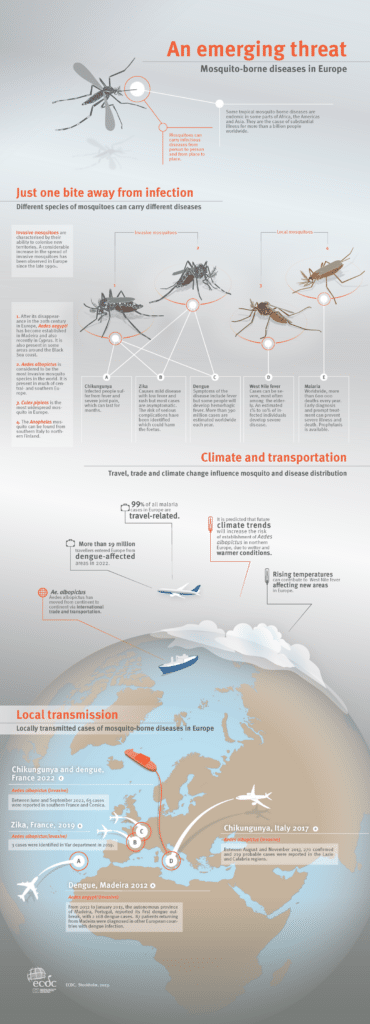
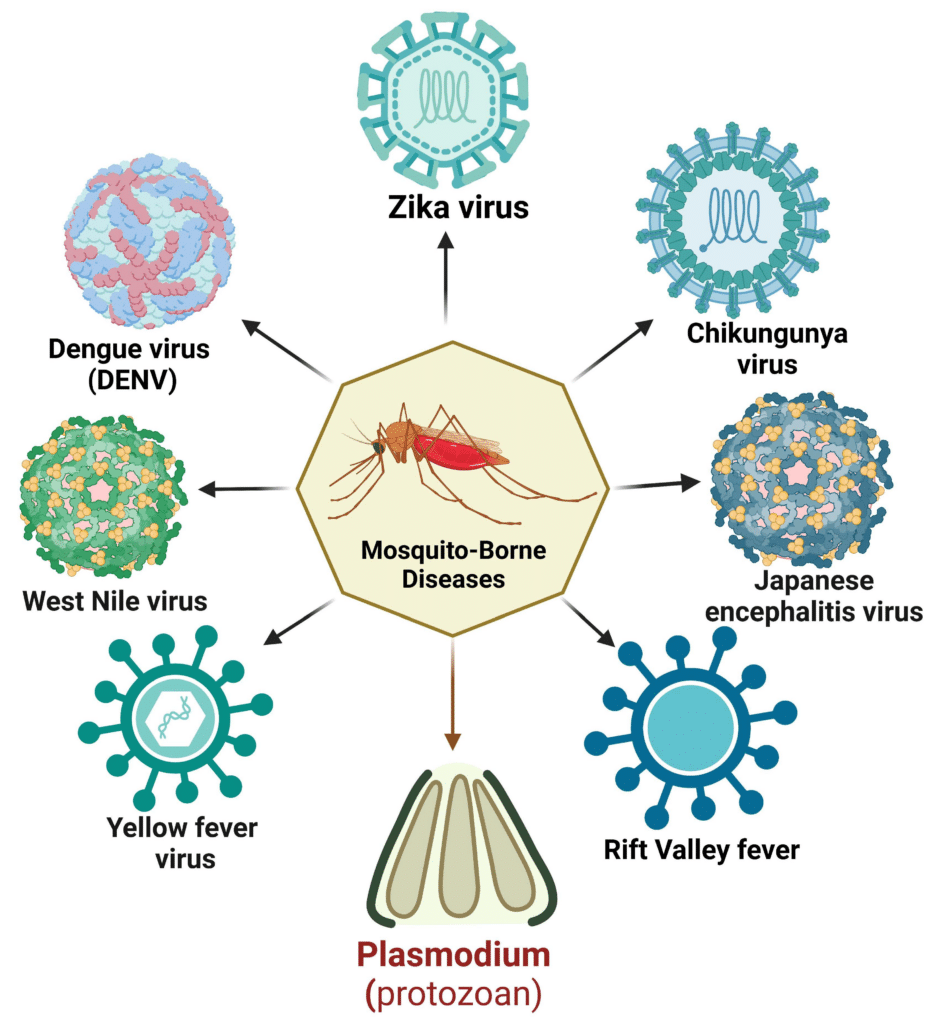
Mosquito-borne diseases have been a persistent threat to global public health for centuries. While some diseases have plagued humanity for years, others have recently emerged or re-emerged to become major health concerns. Four key mosquito-borne diseases that have gained significant attention in recent years are Zika virus, Dengue fever, Chikungunya, and West Nile virus.
Zika virus
Zika virus, first identified in Uganda in 1947, remained relatively obscure until 2015 when it spread rapidly across Brazil and other parts of the Americas. The virus is primarily transmitted to humans through the bite of infected mosquitoes, particularly the Aedes aegypti species. While Zika virus infection often results in mild symptoms, such as fever, rash, and joint pain, it gained notoriety due to its devastating effects on unborn babies when contracted by pregnant women. The link between Zika virus infection and microcephaly, a condition characterized by underdeveloped brains in infants, raised grave concerns worldwide.
Dengue fever
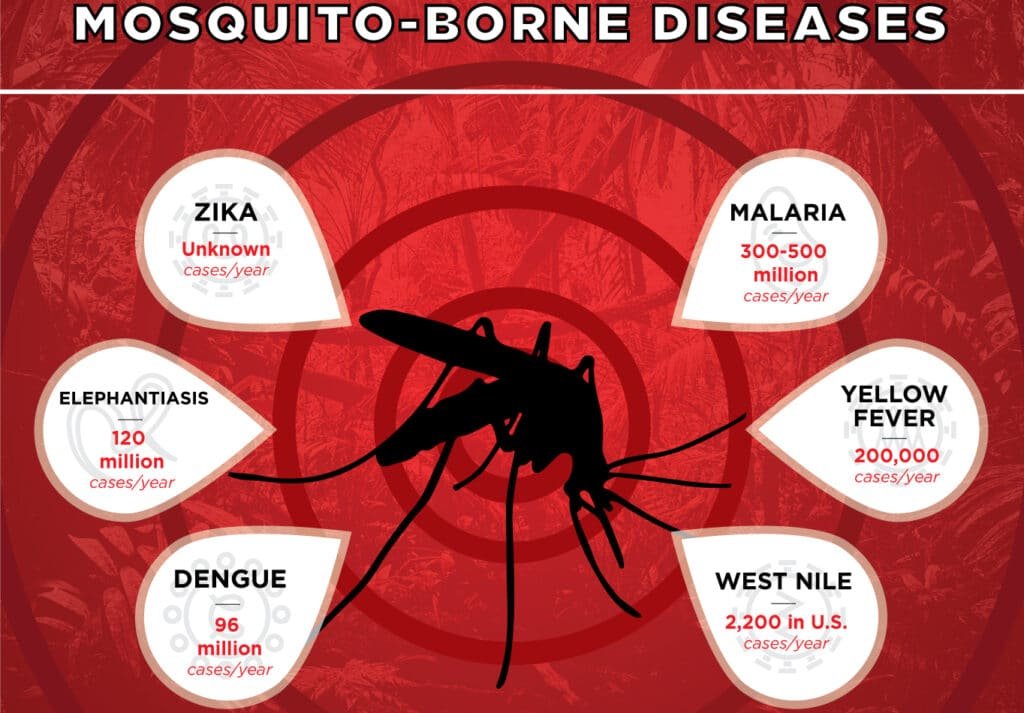
Dengue fever, caused by the dengue virus, is endemic in many tropical and subtropical regions. With an estimated 390 million infections worldwide each year, it poses a significant health risk. The Aedes mosquitoes, mainly Aedes aegypti and Aedes albopictus, are responsible for the transmission of the virus. Dengue fever symptoms vary from mild to severe and include high fever, severe headache, joint and muscle pain, and in severe cases, can progress to dengue hemorrhagic fever or dengue shock syndrome. The burden of dengue fever is especially high in countries with limited healthcare resources and inadequate vector control measures.
Chikungunya
Chikungunya is another mosquito-borne disease caused by the chikungunya virus. It shares similar symptoms with dengue fever, such as fever, joint pain, and rash, making it challenging to differentiate between the two diseases based on clinical presentation alone. The Aedes mosquitoes also transmit the chikungunya virus, and like dengue, it is prevalent in tropical and subtropical regions. While chikungunya is usually not fatal, the joint pain it causes can be debilitating and persist for months or even years in some cases, greatly impacting the quality of life for affected individuals.
West Nile virus
First identified in Uganda in 1937, the West Nile virus has since spread to various parts of the world, including North America, Europe, and Asia. The primary mode of transmission is through the bite of infected mosquitoes, primarily species belonging to the Culex genus. Most people infected with the West Nile virus experience no symptoms or only mild flu-like symptoms. However, in some cases, it can lead to severe neurologic illness, such as encephalitis or meningitis. Elderly individuals and those with weakened immune systems are particularly susceptible to severe forms of the disease.
Transmission and Lifecycle of Mosquito-borne Diseases
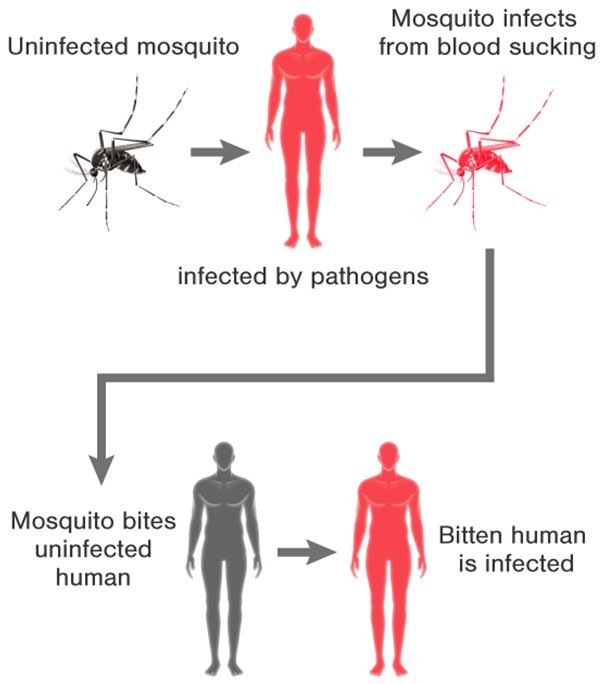
Understanding the transmission dynamics and lifecycle of mosquito-borne diseases is crucial for designing effective control strategies. Mosquito-borne diseases are typically transmitted through the bites of infected mosquitoes, serving as vectors. Different control measures target various stages of the mosquito lifecycle, from larvae to adults.
Vector control measures
To prevent mosquito-borne diseases, vector control measures primarily focus on reducing mosquito populations and interrupting the transmission cycle. This includes the use of insecticides to kill adult mosquitoes or treat breeding sites and the elimination or treatment of standing water where mosquitoes lay eggs. Additionally, fogging or spraying insecticides in areas with high mosquito activity can help to reduce the population temporarily.
Mosquito breeding habitats
Mosquitoes lay their eggs in areas with stagnant water, such as ponds, ditches, and containers. Eliminating these breeding sites is essential to reduce mosquito populations and the risk of disease transmission. Public health campaigns often emphasize the importance of removing standing water from discarded tires, flower pots, and other objects that can collect rainwater. Regular cleaning and maintenance of gutters and drains are also crucial in preventing water accumulation.
Host and reservoir species
Mosquitoes acquire pathogens by feeding on infected hosts or reservoir species, which can include both animals and humans. For some mosquito-borne diseases, such as West Nile virus, birds serve as reservoir hosts. Understanding the interactions between mosquitoes and different host and reservoir species is important for assessing disease risk and implementing targeted control measures.
Global Distribution of Mosquito-borne Diseases
Mosquito-borne diseases are not evenly distributed worldwide, and their prevalence is often influenced by various factors, including climate, human activities, and vector habitats. Understanding the global distribution of these diseases is essential for effective surveillance, prevention, and control efforts.
Tropical regions
Mosquito-borne diseases are endemic in tropical regions around the world, particularly in areas with high mosquito populations and suitable climatic conditions. Countries in Sub-Saharan Africa, Southeast Asia, and the Americas experience a high burden of these diseases. The abundance of mosquito vectors, limited access to healthcare, and inadequate infrastructure make these regions particularly vulnerable to outbreaks and the spread of mosquito-borne diseases.
Climate change and disease spread
Climate change has the potential to influence the distribution of mosquito vectors and the transmission dynamics of mosquito-borne diseases. Rising temperatures and altered rainfall patterns can create more favorable conditions for mosquitoes to breed and thrive. As a result, regions that were previously considered low-risk for mosquito-borne diseases may become increasingly susceptible. Climate change also has indirect impacts, such as altering human behavior and migration patterns, which, in turn, can affect the spread of diseases.
Global travel and disease importation
Mosquito-borne diseases can easily be imported into new regions through international travel and trade. Infected individuals who travel from endemic areas to non-endemic regions can introduce diseases to new populations, where local mosquitoes can then serve as vectors of transmission. Effective surveillance and control measures at ports of entry, combined with public awareness campaigns, are important to minimize the risk of disease importation and subsequent local transmission.
Prevention and Control Strategies for Mosquito-borne Diseases
Prevention and control strategies for mosquito-borne diseases encompass a range of interventions, targeting both individual protection and vector control. Integrated approaches that combine multiple strategies are typically more effective in reducing disease transmission and minimizing the impact on public health.
Personal protective measures
Individuals living in or traveling to areas with high mosquito-borne disease prevalence can take several precautions to protect themselves. These measures include wearing long-sleeved clothing and using insect repellents containing effective active ingredients, such as DEET or picaridin. Additionally, using bed nets treated with insecticides can provide a physical barrier against mosquito bites, particularly for populations at high risk, such as pregnant women and young children.
Vector control programs
Vector control programs play a vital role in reducing mosquito populations and preventing disease transmission. This involves implementing comprehensive strategies that target mosquito breeding sites, such as larviciding to kill mosquito larvae, and adulticiding to control adult mosquito populations. Integrated Vector Management (IVM) approaches, which combine these strategies with community involvement and environmental modifications, have proven to be effective in reducing mosquito-borne disease burden.
Vaccination and antiviral therapies
Vaccination plays a crucial role in preventing certain mosquito-borne diseases. Vaccines are available for diseases like Japanese encephalitis and yellow fever, providing long-lasting protection against these specific pathogens. However, for diseases like dengue fever and Zika virus, where multiple serotypes or strains exist, developing effective vaccines poses significant challenges. Antiviral therapies aim to treat infected individuals and mitigate the severity of symptoms, but their availability and efficacy vary for different diseases.
Impact of Mosquito-borne Diseases on Public Health
Mosquito-borne diseases have far-reaching implications for public health, affecting individuals, communities, and entire populations. The burden of these diseases extends beyond the immediate health consequences and encompasses various aspects of social, economic, and psychological wellbeing.
Morbidity and mortality rates
Mosquito-borne diseases contribute significantly to morbidity and mortality worldwide, particularly in resource-limited settings. While some diseases, like dengue fever, rarely result in death, they can cause severe illness and long-term health complications. Others, such as malaria, continue to claim hundreds of thousands of lives each year, predominantly among children under the age of five. The burden of these diseases impacts not only individuals and families but also healthcare systems and societal productivity.
Economic burden
The economic impact of mosquito-borne diseases is substantial, affecting both individuals and countries as a whole. Direct costs include expenditures for medical treatment, hospitalization, and vector control efforts. Indirect costs can arise from loss of productivity due to illness, disability, and premature death. In some cases, the economic burden can be exacerbated by reduced tourism and trade, as countries with high disease prevalence may be perceived as less desirable destinations or face travel restrictions.
Psychological impact
The psychological impact of mosquito-borne diseases should not be overlooked. Outbreaks and the fear of infection can lead to increased anxiety, stress, and social stigma within affected communities. Living in constant threat of mosquito-borne diseases can also have long-term psychological effects on individuals, leading to decreased quality of life and psychological distress. Public health efforts should include measures to address the psychological impact, including providing accurate information, promoting community resilience, and ensuring mental health support systems are in place.
Latest Innovations in Mosquito Surveillance and Control
Advancements in mosquito surveillance and control techniques have the potential to revolutionize our approach to managing mosquito-borne diseases. These innovations aim to improve the efficiency and effectiveness of disease surveillance, early detection, and targeted vector control strategies.
Genetic modification of mosquitoes
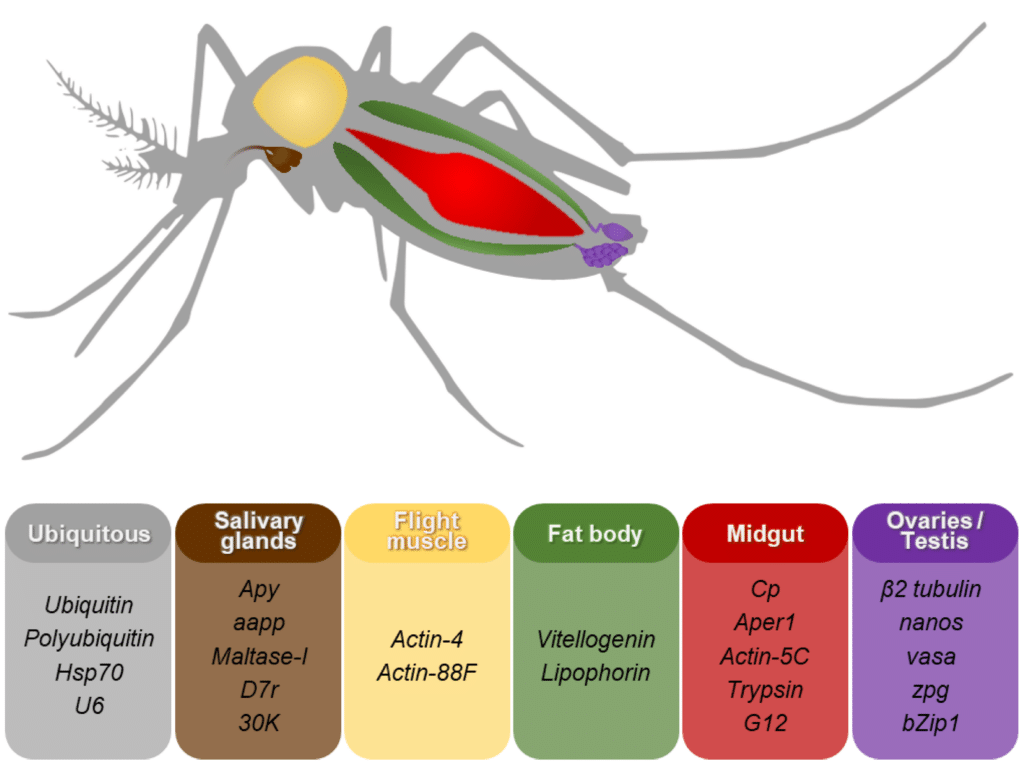
Genetic modification techniques, such as the release of genetically modified mosquitoes, offer novel approaches to control mosquito populations and interrupt disease transmission. For example, the use of genetically modified male mosquitoes that carry a gene causing sterility in offspring can help reduce mosquito populations over time. Other genetic modifications aim to make mosquitoes resistant to specific pathogens, preventing them from transmitting diseases to humans.
Wolbachia-based control
Wolbachia is a naturally occurring bacterium found in many insects, including some mosquito species. Research has shown that introducing Wolbachia-infected mosquitoes into natural populations can reduce their ability to transmit diseases like dengue fever and Zika virus. This approach utilizes the natural biology of mosquitoes and can potentially provide a sustainable and cost-effective alternative to traditional vector control methods.
Attract and kill strategies
Attract and kill strategies involve the use of attractants to lure mosquitoes to targeted areas where they are then eliminated. These attractants can imitate the chemical cues that mosquitoes use to locate their hosts or exploit other factors that attract mosquitoes, such as heat or moisture. Once attracted, the mosquitoes can be killed using various methods, such as insecticides or traps. This approach has the potential to be an environmentally friendly and targeted method of reducing mosquito populations.
Implications of Climate Change on Mosquito-borne Diseases
The impact of climate change on mosquito-borne diseases is a growing concern, as changing climatic conditions can influence the distribution, abundance, and behavior of mosquito vectors. These changes have significant implications for disease transmission dynamics and the geographic range of mosquito-borne diseases.
Temperature and rainfall effects
Temperature and rainfall patterns play a crucial role in the survival, development, and activity of mosquitoes. Warmer temperatures can accelerate the mosquito lifecycle, decreasing the time it takes for mosquitoes to develop from eggs to adults. Changes in rainfall patterns can affect the availability of breeding sites for mosquitoes, creating conditions suitable for increased mosquito populations. These environmental shifts can extend the transmission season for mosquito-borne diseases and expand their geographic range.
Range expansion of vectors
As climate conditions change, mosquito vectors may expand their geographic range into previously unaffected areas. Higher temperatures can enable mosquitoes to survive and thrive in regions that were previously inhospitable. Additionally, altered rainfall patterns can create new breeding sites or enhance existing ones, providing more opportunities for mosquitoes to reproduce. This range expansion increases the risk of disease transmission to populations that may have had limited previous exposure.
Altered disease transmission cycles
Climate change can disrupt the intricate balance of disease transmission cycles by altering the interactions between vectors, pathogens, and hosts. Changes in environmental conditions can affect the behavior, feeding patterns, and lifespan of mosquitoes, leading to shifts in the timing and intensity of disease transmission. For example, changes in mosquito activity patterns can increase the likelihood of human-mosquito contact, resulting in higher transmission rates. These shifts in disease dynamics pose challenges for disease surveillance and control efforts, requiring adaptive strategies to effectively manage the changing landscape of mosquito-borne diseases.
Effectiveness of Mosquito Control Strategies
Assessing the effectiveness of mosquito control strategies is crucial for guiding public health interventions and optimizing resource allocation. While various strategies exist, their effectiveness can vary depending on factors such as mosquito species, disease prevalence, local infrastructure, and community engagement.
Insecticides and resistance mechanisms
Insecticides are commonly used to reduce mosquito populations and interrupt disease transmission. However, prolonged and excessive use can lead to the development of resistance mechanisms in mosquitoes, rendering insecticides less effective. Monitoring insecticide resistance is crucial for selecting appropriate insecticides and applying them at the recommended dosages. Integrated approaches that combine various control methods, such as insecticides and biological agents, can help mitigate the development of resistance and improve overall effectiveness.
Health education campaigns
Health education campaigns play a vital role in raising awareness about mosquito-borne diseases, their transmission, and preventive measures. By promoting behavioral changes, such as using mosquito repellents or removing breeding sites, these campaigns empower individuals and communities to protect themselves effectively. However, the success of health education campaigns relies on accurate and culturally sensitive messaging, as well as active community participation and engagement.
Biological control agents
Biological control agents utilize natural predators, parasites, or pathogens to reduce mosquito populations. For example, certain species of fish, such as Gambusia affinis (mosquito fish), can consume mosquito larvae and help control mosquito populations in bodies of water. Similarly, bacteria, fungi, or viruses can be employed as biocontrol agents targeted specifically at mosquito populations. Biological control strategies are often environmentally friendly and can be integrated with other control measures to enhance overall effectiveness.
Current Challenges in Mosquito-borne Disease Management
Despite significant progress in understanding and managing mosquito-borne diseases, several challenges persist and hinder effective disease control efforts.
Lack of public awareness
Public awareness and understanding of mosquito-borne diseases and their prevention measures remain inadequate in many regions. Misconceptions, myths, and low health literacy levels can hinder the adoption of recommended protective measures and delay seeking appropriate healthcare. Effective health communication campaigns targeted at various segments of the population are essential to bridge this awareness gap and promote behavior change.
Limited healthcare resources
Mosquito-borne diseases predominantly affect low- and middle-income countries with limited healthcare resources. The availability of diagnostic tests, medical treatments, and healthcare infrastructure can be inadequate, hampering the timely detection and management of cases. Strengthening healthcare systems, training healthcare providers, and improving access to diagnostic tools and antiviral therapies are vital for effective disease management.
Socioeconomic disparities
Socioeconomic disparities can exacerbate the impact of mosquito-borne diseases, as they often affect marginalized populations disproportionately. Inadequate housing, limited access to sanitation and clean water, and reduced healthcare access further increase the vulnerability of disadvantaged communities. Addressing these disparities requires a comprehensive approach that combines targeted interventions, community engagement, and policies that prioritize health equity and social justice.
Future Perspectives in Mosquito-borne Disease Research
Continued research and innovation are crucial for addressing the challenges posed by mosquito-borne diseases. Ongoing efforts focus on developing new approaches to disease prevention, surveillance, and control to reduce the burden on affected populations.
Development of novel therapeutics
The development of novel therapeutics, including antiviral drugs and vaccines, is a priority in the fight against mosquito-borne diseases. Significant progress has been made in recent years, but further research is needed to improve the efficacy, accessibility, and affordability of these interventions. Novel treatment strategies, such as monoclonal antibodies or host-directed therapies, also hold promise for preventing or mitigating disease severity.
Integrated vector management approaches
Integrated Vector Management (IVM) approaches that combine multiple strategies, such as improved surveillance, targeted vector control, and community engagement, are crucial for sustainable disease control. Applying a holistic approach that integrates the best available evidence, local data, and community involvement can lead to more effective and tailored interventions. Research in IVM should focus on refining and adapting these approaches to address local context and emerging challenges.
Predictive modeling for disease forecasting
Predictive modeling and risk assessment tools play a vital role in predicting disease outbreaks and informing preventive measures. By combining environmental data, vector surveillance, and epidemiological information, researchers can develop models that help anticipate disease transmission patterns and identify high-risk areas. These models enable early intervention and resource allocation, reducing the impact of mosquito-borne diseases on public health.
In conclusion, mosquito-borne diseases continue to pose significant challenges to global public health. The emergence and re-emergence of diseases like Zika virus, Dengue fever, Chikungunya, and West Nile virus demand effective prevention and control strategies. Understanding the transmission dynamics, global distribution, and impact of these diseases provides the foundation for targeted interventions. Continued research and innovation, coupled with efforts to address existing challenges and disparities, are essential for mitigating the burden of mosquito-borne diseases and safeguarding public health in a changing world.