
Imagine living in a world where a tiny insect, the mosquito, has the power to wreak havoc on human health. In this article, we will explore the immense impact of mosquito-borne diseases. From the deadly malaria to the debilitating dengue fever, these diseases infect millions of people worldwide each year, causing suffering, death, and economic losses. Prepare yourself to uncover the disturbing reality behind these diseases and discover the urgent measures being taken to combat them.
The Impact of Mosquito-borne Diseases

1. Overview of Mosquito-borne Diseases
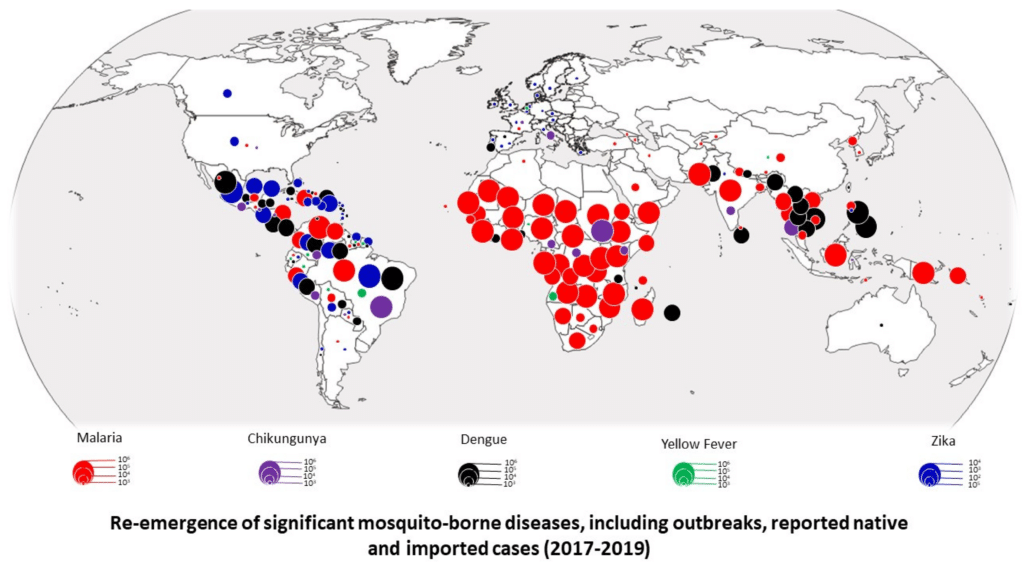
Mosquito-borne diseases are illnesses that are transmitted to humans through the bite of infected mosquitoes. These diseases are caused by various pathogens, including viruses, parasites, and bacteria. Some of the most well-known mosquito-borne diseases include malaria, dengue fever, Zika virus, yellow fever, and chikungunya. These diseases can have severe health consequences and pose a significant threat to global public health.
2. Global Burden of Mosquito-borne Diseases
Mosquito-borne diseases have a considerable impact on global health, with millions of cases reported every year. Malaria alone affects hundreds of millions of people worldwide, particularly in tropical and subtropical regions. According to the World Health Organization (WHO), malaria caused an estimated 405,000 deaths in 2018, mainly among children under the age of five. Other mosquito-borne diseases also contribute to the global burden, leading to substantial morbidity, mortality, and economic losses.
3. Economic Impact of Mosquito-borne Diseases
The economic impact of mosquito-borne diseases is significant, affecting both individuals and entire economies. These diseases often result in increased healthcare costs, reduced productivity, and decreased economic growth. In endemic areas, the burden of mosquito-borne diseases can lead to high healthcare expenditures, placing a strain on already fragile healthcare systems. Additionally, individuals suffering from these diseases may incur costs related to treatment, transportation, and loss of income, further exacerbating the economic burden.
4. Social Impact of Mosquito-borne Diseases
Mosquito-borne diseases can have profound social implications, particularly in communities heavily affected by these illnesses. The burden of mosquito-borne diseases is often highest among vulnerable populations, including children, pregnant women, and those living in poverty. These diseases can lead to increased absenteeism from work and school, disrupt social activities and gatherings, and strain social support networks. Moreover, the fear and anxiety associated with mosquito-borne diseases can lead to a decline in overall well-being and mental health.

5. Environmental Impact of Mosquito-borne Diseases
Mosquito-borne diseases not only impact human health but also have environmental consequences. Many mosquito species breed in water bodies such as stagnant ponds, puddles, and containers, which are often created or intensified by human activities. In an effort to control mosquito populations, measures such as the use of insecticides and larvicides are employed. However, these chemicals can have detrimental effects on non-target species and disrupt the delicate balance of ecosystems. Furthermore, the increase in waste and polluted water bodies resulting from improper waste management contributes to the breeding grounds for disease-carrying mosquitoes.
6. Impact on Public Health Systems
The impact of mosquito-borne diseases on public health systems is substantial. The high prevalence of these diseases strains healthcare resources, including personnel, facilities, and medical supplies. Treatment and prevention programs require significant financial investments, diverting resources from other areas of healthcare. Additionally, the burden of mosquito-borne diseases often overwhelms healthcare infrastructure in low-resource settings, leading to a lack of access to quality care and services. These challenges highlight the importance of strengthening public health systems and implementing effective disease surveillance and control strategies.
7. Impact on Tourism and Travel
Mosquito-borne diseases can have a significant impact on tourism and travel. Popular tourist destinations in tropical and subtropical regions often experience outbreaks of mosquito-borne diseases, which can result in decreased tourist arrivals and revenue losses. Travel advisories warning about the risk of mosquito-borne diseases can discourage tourists from visiting affected areas. Moreover, the fear of contracting these diseases can lead to a decline in tourism activities and the cancellation of pre-planned trips. The negative impact on the tourism industry can have far-reaching consequences for local economies and livelihoods.
8. Effects on Agriculture and Food Security
Mosquito-borne diseases also have implications for agriculture and food security. In regions heavily affected by these diseases, agricultural productivity can be significantly reduced. Illnesses like dengue fever can cause physical weakness, impacting farmers’ ability to work and tend to their crops. The economic burden of these diseases can result in decreased investment in agriculture and food production. Furthermore, the decreased productivity and disruption of food supply chains can lead to food shortages and increased prices, posing a threat to food security for vulnerable populations.
9. Impact on Education and Productivity
Mosquito-borne diseases have a detrimental impact on education and productivity. Children affected by these diseases often miss school due to illness, which can result in learning gaps and hinder their educational development. Absenteeism among teachers can also disrupt academic progress. Furthermore, the economic burden of these diseases can lead to decreased productivity in the workforce, as individuals may be too sick or weakened to perform their duties effectively. The cumulative effects of reduced educational opportunities and decreased productivity can have long-lasting consequences for individuals, communities, and economies.
10. Implications for Future Planning and Control
The impact of mosquito-borne diseases emphasizes the need for comprehensive planning and control strategies. Integrated vector management, which combines various approaches such as source reduction, use of insecticides, and community engagement, plays a crucial role in preventing and controlling mosquito-borne diseases. Investment in research and development for vaccines, diagnostics, and treatment is also vital for effective disease management. Additionally, strengthening healthcare systems and improving access to quality care will enhance the ability to detect, diagnose, and treat mosquito-borne diseases promptly. Lastly, raising awareness and educating communities about prevention methods and the importance of personal protection measures are essential in reducing the burden of these diseases.
In conclusion, mosquito-borne diseases have far-reaching impacts on health, economies, societies, and the environment. These diseases pose a significant threat to public health systems, tourism, agriculture, education, and productivity. The burden of mosquito-borne diseases disproportionately affects vulnerable populations and can perpetuate cycles of poverty and inequity. Efforts to combat these diseases through comprehensive planning, research, and control measures are crucial in mitigating their adverse effects and ensuring a healthier and more prosperous future for all.