
- Embrace Gentle Cleansing: The Foundation of Scar Reduction
Your journey to minimizing acne scar appearance begins with the very first step of your skincare routine: cleansing. Harsh scrubbing or using abrasive ingredients can actually worsen inflammation and prolong the healing process, leading to deeper, more noticeable scars. The goal here is to remove impurities and excess oil without stripping your skin of its natural moisture barrier, which is crucial for repair and regeneration.
The Daily Ritual: What to Look For in a Cleanser
When selecting a cleanser, always prioritize gentleness. You’re not trying to scrub away scars (that’s for later treatments), but to prepare your skin for them and facilitate healing.
- Opt for Mild, Sulfate-Free Formulas: Sulfates, like Sodium Lauryl Sulfate (SLS) and Sodium Laureth Sulfate (SLES), are common foaming agents that can be incredibly drying and irritating. Look for cleansers labeled “sulfate-free” or that specifically mention being gentle. These are often formulated with milder surfactants derived from natural sources or amino acids, which are less likely to disrupt your skin’s delicate balance.
- Hypoallergenic and Fragrance-Free is Key: Irritation is the enemy of healthy skin and scar recovery. Fragrances, even natural ones, can be potent allergens and irritants for many individuals. Opt for products clearly marked as “hypoallergenic” and “fragrance-free.” This significantly reduces the risk of triggering redness, inflammation, or allergic reactions that could impede healing.
- Consider pH-Balanced Options: Healthy skin has a slightly acidic pH (around 4.5-5.5). When your skin’s pH is disrupted, its natural barrier function can be compromised, making it more susceptible to damage and slower to repair. Cleansers that are pH-balanced will help maintain your skin’s optimal environment for healing and scar improvement. You might see this explicitly mentioned on the packaging, or it’s often found in high-quality, gentle formulations.
- Look for Soothing and Hydrating Ingredients: While you’re cleaning, why not give your skin a little boost? Ingredients like glycerin, hyaluronic acid, ceramides, aloe vera, and chamomile can offer a soothing and hydrating effect as you cleanse. These not only help combat potential dryness from cleansing but also support skin barrier function, which is essential for scar repair. Avoid ingredients known to be comedogenic (pore-clogging) if you’re still prone to breakouts.
The Proper Technique: How to Wash for Optimal Results
Even the best cleanser can cause harm if used incorrectly. Mastering the art of gentle cleansing is paramount for setting the stage for effective scar reduction.
- Lukewarm Water, Never Hot: Hot water strips your skin of its natural oils much more aggressively than lukewarm water. This can lead to dryness, irritation, and increased inflammation, all of which are detrimental to scar healing. Always use lukewarm or even cool water when washing your face.
- Work Up a Lather in Your Hands First: Don’t apply cleanser directly to your damp face and start scrubbing. Instead, dispense a small amount of cleanser into your palms and gently rub your hands together to create a light lather. This distributes the cleanser more evenly and prevents the direct, concentrated application of potentially irritating surfactants onto your skin.
- Use Your Fingertips, Not Your Nails or Rough Cloths: Your fingertips are soft and provide the gentlest exfoliation. Avoid using fingernails, which can scratch and damage the skin, potentially creating new scars or worsening existing ones. Similarly, harsh washcloths, loofahs, or scrub brushes can be too abrasive. Stick to your fingertips or a very soft microfiber cloth.
- Gentle, Circular Motions are Your Friend: Apply the lathered cleanser to your face and gently massage it in using soft, circular motions. Focus on areas prone to acne and scarring. Avoid any harsh rubbing, pulling, or stretching of the skin. The goal is to dissolve dirt and oil, not to exfolyate aggressively.
- Rinse Thoroughly but Gently: After cleansing, rinse your face thoroughly with lukewarm water until all traces of cleanser are gone. Ensure there’s no residue left behind, as this can also cause irritation.
- Pat Dry with a Clean, Soft Towel: This is a crucial step often overlooked. Instead of rubbing your face dry with a rough towel, gently press a clean, soft towel (a microfiber one is ideal) onto your skin to absorb excess water. This prevents friction and further irritates sensitive, scarred skin. Always use a fresh towel to avoid reintroducing bacteria.
- Cleanse Twice Daily (But Not More): For most people, cleansing twice a day – once in the morning and once at night – is sufficient to keep your skin clean and healthy. Over-cleansing, as mentioned, can strip your skin and hinder its natural repair processes. If you have particularly oily skin or have worn heavy makeup, a double cleanse in the evening (starting with an oil-based cleanser followed by your gentle water-based cleanser) can be beneficial, but always proceed with caution and observe your skin’s reaction.
- Hydration is Your Ally: Replenishing Moisture for Scar Resilience
You might associate acne with oily skin and think that adding more moisture will exacerbate the problem. However, when it comes to reducing the appearance of acne scars, proper hydration is not just beneficial, it’s essential. Dehydrated skin struggles to repair itself, leading to a duller complexion and making scars appear more prominent. Your skin needs a healthy moisture barrier to heal efficiently and maintain elasticity, which can help soften and flatten raised scars while plumping up pitted ones.
The Role of Moisture in Scar Healing
Think of your skin’s moisture barrier as a protective shield. When this shield is intact and well-maintained, your skin is better equipped to fend off external aggressors and, crucially, to undergo the complex process of tissue repair.
- Facilitating Cell Turnover: Adequate hydration supports the natural process of cell turnover. This means older, damaged skin cells are shed, and new, healthy ones are generated. This renewal process is vital for replacing scarred tissue with fresh, smooth skin.
- Improving Skin Elasticity: Scars, especially hypertrophic (raised) scars, can be tight and less elastic than surrounding skin. Hydrated skin is more supple and elastic, which can help to soften and reduce the tension of these raised scars, making them less noticeable. For atrophic (pitted) scars, plump, hydrated skin can create a smoother surface, diminishing the depth of the indentation.
- Reducing Inflammation: Dry, compromised skin is often more inflamed. By keeping your skin well-hydrated, you can help calm inflammation, which is crucial for preventing the worsening of existing scars and the formation of new ones.
- Enhancing the Efficacy of Other Treatments: Whether you’re using topical treatments or undergoing professional procedures, well-hydrated skin is often more receptive. This means your scar-reducing ingredients or treatments can work more effectively when applied to moisturized skin.
Choosing the Right Moisturizer for Scar Prone Skin
Not all moisturizers are created equal, especially when you have acne scars. The key is to find formulas that are hydrating without being occlusive or comedogenic, which could lead to breakouts and further scarring.
- Seek Out Humectants: These are ingredients that attract water to the skin. Look for:
- Hyaluronic Acid: A superstar ingredient that can hold up to 1,000 times its weight in water, drawing moisture into the skin and plumping it up.
- Glycerin: A widely available and effective humectant that helps improve skin hydration and barrier function.
- Sorbitol and Sodium PCA: Other excellent humectants that contribute to a dewy, hydrated complexion.
- Embrace Emollients for Smoothness: Emollients help to fill in the gaps between skin cells, creating a smoother surface and improving skin texture. They also help to prevent water loss. Examples include:
- Ceramides: These are naturally occurring lipids in your skin that are vital for a healthy skin barrier. Replenishing ceramides can significantly improve skin hydration and repair.
- Fatty Acids (like linoleic acid): Found in many plant oils and beneficial for skin barrier function.
- Shea Butter and Cocoa Butter (in lighter formulations): While rich, in well-formulated products, they can provide significant emollient benefits without being overly heavy.
- Consider Skin-Soothing Ingredients: To further aid in the healing process, look for moisturizers containing:
- Niacinamide (Vitamin B3): This multi-tasking ingredient is fantastic for reducing inflammation, improving skin barrier function, and can even help with hyperpigmentation (which often accompanies acne scars).
- Allantoin and Panthenol (Vitamin B5): These are known for their soothing and healing properties.
- Aloe Vera: A classic for its calming and moisturizing benefits.
- Look for “Non-Comedogenic” and “Oil-Free” Labels: This is crucial for anyone prone to acne. These labels indicate that the product has been formulated not to clog pores, which can prevent new breakouts and the subsequent formation of new scars. However, remember that “oil-free” doesn’t always mean “non-hydrating.” Many effective oil-free moisturizers exist.
- Avoid Heavy, Pore-Clogging Oils: While some oils can be beneficial (like rosehip oil), others, such as coconut oil or mineral oil (in certain formulations), can be more comedogenic for some individuals. If you’re unsure, stick to products specifically recommended for acne-prone or sensitive skin.
Application Techniques for Maximum Hydration Impact
How you apply your moisturizer can make a significant difference in how well it’s absorbed and how effective it is.
- Apply to Damp Skin: The best time to moisturize is immediately after cleansing or showering, while your skin is still slightly damp. This traps the moisture in, allowing humectants to draw it deeper into the skin.
- Use a Pea-Sized Amount: You don’t need to slather on a thick layer. A pea-sized amount is usually sufficient for your entire face and neck. Applying too much can make your skin feel heavy and might not absorb as well.
- Gentle Patting and Pressing: Apply the moisturizer using gentle patting or pressing motions with your fingertips. Avoid rubbing or tugging at your skin, especially around the delicate eye area or over scarred areas. This ensures even distribution and minimal stress on the skin.
- Don’t Forget Your Neck: The skin on your neck is just as susceptible to dryness and environmental damage as your face and can also develop scars. Extend your skincare routine, including moisturizing, down to your neck and décolletage.
- Consistency is Key: Make moisturizing a daily, non-negotiable part of your skincare routine. Applying it morning and night will help maintain optimal hydration levels, supporting consistent skin repair and scar improvement.
- Sun Protection is Non-Negotiable: Shielding Your Skin from Further Damage
This is arguably the most critical step in both preventing new acne scars and reducing the appearance of existing ones. UV radiation from the sun is a major culprit in hyperpigmentation (dark spots) and can deepen the severity and visibility of all types of acne scars. Protecting your skin from the sun is not optional; it’s a fundamental requirement for successful scar management.
The Solar Menace: How UV Rays Worsen Scars
You might not immediately think of the sun when you consider acne scars, but its impact is profound and far-reaching.
- Hyperpigmentation and Post-Inflammatory Erythema (PIE): After a breakout heals, it can leave behind a reddish (PIE) or brownish (post-inflammatory hyperpigmentation or PIH) mark. UV exposure intensifies these marks, making them darker, more persistent, and harder to fade. This is because UV rays stimulate melanocytes, the cells that produce pigment, leading to increased melanin production in the scarred area.
- Deepening Atrophic Scars: While sun doesn’t directly cause pitted scars, the UV damage it inflicts on the skin’s collagen and elastin can compromise the skin’s structure and elasticity. This can make existing atrophic scars appear more sunken and noticeable.
- Worsening Hypertrophic Scars: For raised, hypertrophic scars, sun exposure can lead to increased redness and thicker scar tissue formation. This makes them more prominent and potentially more uncomfortable.
- Impacting Treatment Efficacy: Many scar treatments, especially those involving professional procedures like lasers or chemical peels, make your skin more sensitive to the sun. Without adequate protection, these treatments can be less effective, and you risk rebound hyperpigmentation or even new sun damage.
- Accelerating Aging: Beyond scars, UV rays accelerate the aging process, leading to wrinkles, fine lines, and loss of skin firmness, which can collectively make your complexion look less smooth and healthy, indirectly affecting how scars are perceived.
Selecting the Right Sunscreen for Scar Prone Skin
Choosing a sunscreen that offers broad-spectrum protection without causing breakouts or irritation is vital.
- Broad-Spectrum Protection is Essential: This means the sunscreen protects against both UVA (aging rays) and UVB (burning rays). Look for labels that explicitly state “broad spectrum.” Both types of UV rays can damage your skin and worsen scars.
- SPF 30 or Higher: The American Academy of Dermatology recommends an SPF of at least 30. SPF (Sun Protection Factor) measures how well a sunscreen protects against UVB rays. The higher the SPF, the more UVB protection it offers. Remember that SPF only tells part of the story; broad-spectrum is equally important.
- Choose “Non-Comedogenic” and “Oil-Free” Formulas: Just like with moisturizers, this is a priority for acne-prone skin. These formulas are less likely to clog your pores and trigger breakouts, which in turn can lead to new acne scars.
- Consider Mineral Sunscreens (Physical Blockers): Sunscreens containing zinc oxide and titanium dioxide are often recommended for sensitive and acne-prone skin. They work by creating a physical barrier on the skin’s surface that reflects UV rays. These are generally less irritating and less likely to cause allergic reactions than chemical sunscreens.
- Look for Added Benefits: Some sunscreens are formulated with ingredients that can further benefit your skin while providing sun protection.
- Antioxidants: Ingredients like Vitamin C and E can help combat free radical damage caused by UV exposure, offering an extra layer of protection and helping to fade existing marks.
- Niacinamide: As mentioned before, this ingredient can help with inflammation and pigmentation, making it a great addition to a sunscreen for scarred skin.
- Fragrance-Free is Best: To minimize the risk of irritation, opt for fragrance-free formulations.
Daily Habits for Consistent Sun Protection
Applying sunscreen should be a ritual, not an afterthought. Make it an integral part of your morning routine, just like brushing your teeth.
- Apply Generously as the Last Step in Your Morning Routine: Use enough sunscreen to cover all exposed skin. A general rule of thumb is about two finger-lengths for your face and neck. Ensure you don’t miss areas like your ears or the back of your neck.
- Reapply Regularly, Especially Outdoors: Sunscreen wears off. You need to reapply it every two hours when you’re outdoors, or more often if you sweat heavily or swim. Even on cloudy days, UV rays penetrate the clouds, so don’t skip it.
- Seek Shade and Wear Protective Clothing: Sunscreen is your first line of defense, but it’s not foolproof. During peak sun hours (usually between 10 am and 4 pm), seek shade whenever possible. Wide-brimmed hats and sunglasses offer additional protection for your face and eyes.
- Be Vigilant About Scarred Areas: Pay special attention to applying and reapplying sunscreen to areas with visible scars, as these are particularly vulnerable to sun damage and hyperpigmentation.
- Don’t Forget Other Areas: While your face is often the primary concern, don’t neglect your chest, shoulders, and hands, which can also develop sun damage and scars.
- Targeted Treatments: Innovations for Scar Smoothing and Repair
Once you have a solid foundation of gentle cleansing, consistent hydration, and diligent sun protection, you can begin to introduce targeted treatments designed to actively improve the texture and appearance of your acne scars. These treatments range from over-the-counter (OTC) topical ingredients to more potent prescription options and professional dermatological procedures. It’s crucial to approach these with patience and realistic expectations, as scar revision is a process, not an overnight fix.
Over-the-Counter Heroes: Potent Ingredients for Home Use
Many effective scar-reducing ingredients are readily available in drugstores and online. When used consistently and correctly, they can make a significant difference in softening, flattening, and lightening scar marks.
- Retinoids (Retinol and Retinaldehyde): These vitamin A derivatives are powerful allies in the fight against scarring.
- How they work: Retinoids accelerate cell turnover, encouraging the shedding of damaged skin cells and promoting the growth of new, healthier ones. They also stimulate collagen production, which is essential for plumping up atrophic scars and improving overall skin texture. Furthermore, they can help to fade hyperpigmentation.
- What to look for: Start with lower concentrations of retinol or retinaldehyde, as they can be irritating. Look for products labeled “retinol,” “retinaldehyde,” or “retinyl palmitate” (a gentler precursor). The strength varies, so consult product descriptions carefully.
- Usage tips: Apply a pea-sized amount to dry skin at night, after cleansing and moisturizing. Gradually increase frequency as your skin tolerates it. Always use sunscreen in the morning, as retinoids increase sun sensitivity.
- Alpha Hydroxy Acids (AHAs) and Beta Hydroxy Acids (BHAs): These chemical exfoliants work by dissolving the bonds between dead skin cells, allowing them to slough off more easily.
- AHAs (Glycolic Acid, Lactic Acid, Mandelic Acid): AHAs are water-soluble and work primarily on the skin’s surface. Glycolic acid is potent but can be irritating. Lactic acid is gentler and also hydrating. Mandelic acid is a larger molecule, making it ideal for sensitive and darker skin tones as it penetrates more slowly and is less likely to cause post-inflammatory hyperpigmentation. They are effective at improving skin texture, reducing hyperpigmentation, and can help soften the edges of scars.
- BHAs (Salicylic Acid): BHAs are oil-soluble, meaning they can penetrate pores and are excellent for tackling acne itself. For scars, salicylic acid can help to gently exfoliate the surface and is particularly useful for preventing new breakouts that could lead to further scarring.
- What to look for: Serums, toners, and exfoliating pads containing these acids. Start with lower concentrations (e.g., 5-10% for AHAs, 1-2% for Salicylic Acid).
- Usage tips: Use 1-3 times per week, depending on concentration and your skin’s tolerance. Alternate with retinoids or use on different nights. Always follow with moisturizer and sunscreen.
- Vitamin C (L-Ascorbic Acid): A powerful antioxidant that brightens the complexion and plays a crucial role in collagen synthesis.
- How it works: Vitamin C is a potent antioxidant that neutralizes damaging free radicals and is essential for collagen production, which helps to rebuild and repair the skin’s structure, thereby diminishing scar depth. It also inhibits melanin production, making it excellent for fading dark spots (PIH).
- What to look for: Stable forms like L-Ascorbic Acid are most effective. Look for serums with concentrations between 10-20%.
- Usage tips: Apply in the morning after cleansing, before your sunscreen, for added antioxidant protection and brightening benefits.
- Silicone Sheets and Gels: While commonly used for surgical scars, silicone has shown efficacy in improving the appearance of raised (hypertrophic and keloid) acne scars.
- How they work: They create a semi-occlusive barrier that hydrates the scar tissue, helping to flatten and soften it. They also reduce collagen production in the scar.
- What to look for: Medical-grade silicone sheets or gels.
- Usage tips: Apply the sheet or gel directly to the scar for several hours daily, as per product instructions. Consistency is key.
Prescription Powerhouses: Dermatologist-Prescribed Solutions
If OTC treatments aren’t yielding the desired results, your dermatologist may prescribe stronger formulations or recommend advanced treatments.
- Tretinoin and Other Prescription Retinoids: These are prescription-strength vitamin A derivatives that are significantly more potent than OTC retinol.
- How they work: They offer the same benefits as OTC retinoids but at a much higher efficacy, accelerating cell turnover and collagen production more dramatically.
- Usage tips: Prescribed and monitored by a dermatologist to manage potential irritation and side effects. Application is similar to OTC retinoids but requires careful adherence to the doctor’s instructions.
- Hydroquinone (for severe hyperpigmentation): A potent skin-lightening agent that suppresses melanin production.
- How it works: It targets and reduces the overproduction of melanin that causes dark marks and hyperpigmentation associated with acne scars.
- Usage tips: Available by prescription due to its potency and potential side effects. It should be used under strict medical supervision for specific periods.
- Azelaic Acid: Another excellent ingredient for inflammation and hyperpigmentation.
- How it works: Azelaic acid has anti-inflammatory, antibacterial, and pigment-reducing properties. It helps to calm redness and fade dark spots.
- Usage tips: Available in various strengths, some by prescription. It’s generally well-tolerated and can be used long-term.
- Professional Procedures: Dermatological Interventions for Scar Revision
For significant scarring, especially atrophic (indented) or hypertrophic (raised) scars, professional treatments administered by a dermatologist or qualified aesthetician can offer the most dramatic improvements. These procedures often combine multiple modalities to target different aspects of scar formation and texture.
Resurfacing Techniques: Renewing the Skin’s Surface
These procedures aim to remove damaged outer layers of skin and stimulate regeneration, leading to a smoother, more even complexion.
- Chemical Peels: These treatments use chemical solutions (like higher concentrations of AHAs, BHAs, or trichloroacetic acid – TCA) to exfoliate the skin.
- Depth of Peels: Superficial peels primarily improve texture and minor discoloration. Medium-depth peels can target deeper scarring and PIH. Deep peels are very effective for severe scarring but involve longer downtime and higher risks.
- How they work: They remove damaged skin cells, trigger collagen production, and reduce hyperpigmentation.
- Considerations: Multiple sessions are often required. Downtime varies from a few days to a couple of weeks, depending on the peel depth.
- Microdermabrasion: A less invasive procedure that uses a device with a crystal-free tip to gently abrade the outer layer of the skin.
- How it works: It exfoliates the skin, removing dead skin cells and stimulating cell turnover. It’s best for superficial scarring and texture irregularities.
- Considerations: Generally involves minimal downtime and is often performed as a series of treatments.
- Microneedling (Collagen Induction Therapy): This involves using a device with tiny needles to create controlled micro-injuries in the skin.
- How it works: These micro-injuries trigger the skin’s natural wound-healing response, stimulating the production of collagen and elastin. This is highly effective for improving the appearance of atrophic scars by plumping them up.
- Considerations: Minimal downtime, usually a day or two of redness. Often requires multiple sessions spaced 4-6 weeks apart. Can be combined with serums (like hyaluronic acid or growth factors) for enhanced results.
- Laser Resurfacing: Advanced technology that uses focused light energy to target different layers of the skin.
- Ablative Lasers (e.g., CO2, Erbium:YAG): These lasers vaporize the top layers of skin, leading to significant resurfacing and collagen remodeling. They are very effective for deep scars but involve considerable downtime (1-2 weeks).
- Non-Ablative Lasers (e.g., Fraxel, Pulsed Dye Lasers): These lasers heat the underlying tissue without removing the top layer of skin, stimulating collagen production with less downtime (a few days of redness and swelling). Pulsed dye lasers are particularly good for reducing the redness of fresh scars.
- How they work: Target pigment (for PIH), stimulate collagen and elastin production, and create new, healthier skin.
- Considerations: The choice of laser depends on scar type and severity. Multiple treatments are typically needed.
Other Powerful Interventions for Scar Correction
Beyond resurfacing, other procedures can directly address scar volume or texture.
- Dermal Fillers: Injectable substances used to plump up depressed (atrophic) scars.
- How they work: Fillers like hyaluronic acid temporarily lift and fill pitted scars, creating a smoother skin surface.
- Considerations: Results are temporary, requiring repeat injections every 6-18 months, depending on the filler used. Best for individual, distinct indentations.
- Subcision: A minimally invasive procedure designed to break up the fibrous bands that tether down atrophic scars.
- How it works: A needle is inserted under the scar to release these bands, allowing the scar to lift and become less depressed. Often combined with other treatments like microneedling or fillers for optimal results.
- Considerations: Can cause bruising and swelling. Multiple sessions may be required.
- Punch Excision/Grafting: Surgical techniques used for deep, ice-pick, or boxcar scars.
- Punch Excision: The scar is surgically removed with a small punch biopsy tool, and the resulting wound is closed with a stitch, often leaving a smaller, less noticeable scar.
- Punch Grafting: A small skin graft is taken from another area and used to fill the defect created by excising the scar.
- Considerations: These are surgical procedures and will leave a linear or stitched scar, but often this is aesthetically preferable to the original acne scar.
- The Power of Patience and Consistency: Your Long-Term Scar Management Strategy
Reducing the appearance of acne scars is a marathon, not a sprint. It requires unwavering commitment to a consistent skincare routine and realistic expectations about the timeline for improvement. This journey may involve setbacks, but understanding the process and staying dedicated will ultimately lead to visible and lasting results.
Understanding the Scar Healing Timeline
Your skin is a remarkable organ, but its healing and regenerative processes take time. New skin cells take approximately 28 days to regenerate, and deeper tissue repair, especially involving collagen remodeling, can take months, even years.
- Initial Changes: You might notice improvements in skin texture and tone within weeks to a few months, especially with consistent use of key ingredients like retinoids, AHAs, and Vitamin C. Darker hyperpigmentation often starts to fade during this period.
- Visible Scar Improvement: Noticeable plumping of atrophic scars or softening of hypertrophic scars can take anywhere from six months to a year or even longer, particularly with topical treatments alone.
- Plateaus and Progress: It’s common to experience periods where progress seems to slow down. This doesn’t mean your efforts are in vain. Skin renewal is cyclical, and sometimes it looks like a plateau before another phase of improvement begins.
- Professional Treatment Cycles: If you’re undergoing professional procedures, each treatment will have its own recovery and results timeline. Full results from laser treatments or microneedling often become apparent in the months following the entire course of treatment.
Building a Sustainable Routine: The Pillars of Persistence
A sustainable routine is one that you can realistically adhere to long-term. This means finding products and practices that fit into your lifestyle.
- Simplify When Necessary: If your routine feels overwhelming, don’t hesitate to scale back to the essentials: cleansing, moisturizing, and sun protection. You can gradually reintroduce targeted treatments as you feel more capable.
- Integrate Treatments Gradually: Don’t try to start every potent ingredient at once. Introduce one new active ingredient at a time (e.g., retinol, then add an AHA serum a few weeks later) to monitor your skin’s reaction and avoid irritation.
- Listen to Your Skin: Pay close attention to how your skin responds. Redness, peeling, and dryness are common when starting new treatments, but persistent irritation or burning means you need to scale back, reduce frequency, or stop the offending product.
- Don’t Chase Perfection: The goal is improvement, not complete elimination of every scar. It’s about making your skin look and feel its best. Healthy, radiant skin can mask the appearance of minor imperfections.
- Celebrate Small Victories: Acknowledge and appreciate the progress you make. Did a dark spot fade? Is a scar starting to look less indented? These small wins are crucial for maintaining motivation.
Proactive Scar Prevention for the Future
While you’re working on existing scars, it’s equally important to prevent new ones from forming.
- Treat Breakouts Promptly: The sooner you address active acne, the less chance it has to become inflamed and lead to scarring. Use appropriate acne treatments recommended by a dermatologist or a well-formulated OTC product.
- Resist the Urge to Pick or Pop: This is perhaps the most critical advice for preventing new scars. Touching, picking, or popping pimples causes inflammation, pushing bacteria deeper into the skin and increasing the likelihood of scarring. Let breakouts heal naturally or use spot treatments.
- Maintain a Consistent and Healthy Lifestyle:
- Diet: While the link between diet and acne is complex, a balanced diet rich in antioxidants, vitamins, and minerals can support overall skin health and healing.
- Hydration: Drinking enough water is crucial for overall skin function and repair.
- Stress Management: Stress can exacerbate inflammation and acne. Finding healthy ways to manage stress can benefit your skin.
- Sleep: Adequate sleep is vital for the body’s repair processes, including skin regeneration.
By understanding the multifaceted approach to scar reduction – from gentle daily care to targeted treatments and professional interventions – and committing to the process with patience and consistency, you are empowering yourself to achieve smoother, more even-toned skin. Remember, your skin’s journey to recovery is a testament to your dedication and understanding.
FAQs
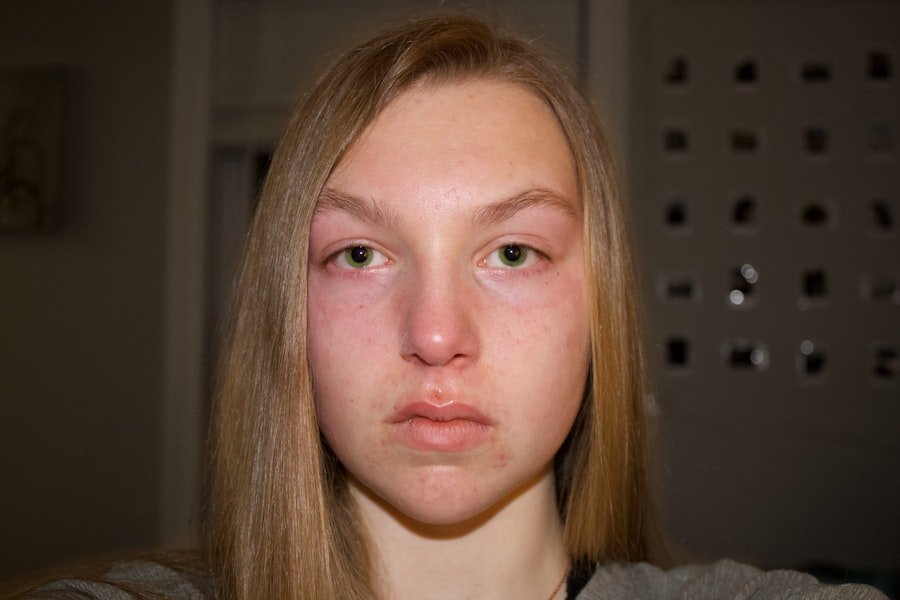
What are acne scars?
Acne scars are the result of inflammation within the dermis caused by acne. When the skin tissue is damaged, the body produces collagen to repair the damage, which can result in a scar.
How can I reduce the appearance of acne scars?
There are several methods to reduce the appearance of acne scars, including topical treatments such as retinoids and hydroquinone, laser therapy, chemical peels, microneedling, and dermabrasion.
Are there any home remedies for reducing acne scars?
Some home remedies that may help reduce the appearance of acne scars include applying aloe vera, using honey and cinnamon masks, applying lemon juice, and using coconut oil. However, it’s important to consult with a dermatologist before trying any home remedies.
Can acne scars be completely removed?
While it may not be possible to completely remove acne scars, various treatments can significantly reduce their appearance. The effectiveness of the treatment depends on the type and severity of the scars.
How can I prevent acne scars from forming?
To prevent acne scars from forming, it’s important to treat acne promptly and avoid picking or squeezing pimples. Using sunscreen to protect the skin from sun damage and avoiding harsh skincare products can also help prevent scarring.