
Have you ever found yourself suddenly drenched in sweat despite the air conditioning being on full blast? If so, you may be all too familiar with the frustrating symptoms that can accompany menopause, particularly hot flashes and night sweats. These uninvited interruptions can make life feel challenging, but you’re not alone. Many individuals experience these symptoms, and there are remedies available to help you find relief.
Understanding Menopause
Menopause is a natural phase in life, marking the end of menstrual cycles and a decline in reproductive hormones. Typically occurring between the ages of 45 and 55, this transitional period comes with a variety of physical and emotional changes—one of which is the infamous hot flash.
What Are Hot Flashes?
Hot flashes are sudden feelings of intense heat, often accompanied by sweating, rapid heartbeat, and sometimes chills. They can last from a mere few seconds to several minutes and vary in intensity. For many, these episodes can disrupt daily routines and affect sleep quality.
What Are Night Sweats?
Night sweats are essentially hot flashes that happen during sleep, resulting in excessive sweating that can soak bed linens. This not only makes sleeping uncomfortable but also leads to fatigue and irritability during the day.
Understanding these symptoms is the first step in finding ways to relieve them.
Natural Remedies for Hot Flashes and Night Sweats
If you’re looking for natural remedies to ease hot flashes and night sweats, you’re in luck! There are several straightforward strategies that might work wonders for you.
Lifestyle Changes
Sometimes, a few adjustments in your daily life can lead to significant improvements.
Diet Adjustments
Certain foods can either trigger or alleviate hot flashes. Consider incorporating more of the following foods into your daily meals:
- Soy Products: Soy contains phytoestrogens, plant compounds that mimic estrogen in the body. Tofu, soy milk, and edamame are great choices.
- Fruits and Vegetables: Rich in fiber and nutrients, these foods support your overall health. Cruciferous vegetables, berries, and leafy greens can be particularly beneficial.
- Whole Grains: Foods like brown rice and oats help maintain steady blood sugar levels, reducing the likelihood of hot flashes.
On the flip side, it might help to limit:
- Caffeine: Coffee and other caffeinated beverages can trigger hot flashes in some people.
- Spicy Foods: These can also raise body temperature, making you feel hotter.
- Alcohol: Even in small quantities, alcohol can influence hormone levels and trigger hot flashes.
Regular Exercise
Maintaining an active lifestyle can be immensely helpful in managing menopause symptoms. Aim for a combination of aerobic exercise, strength training, and flexibility workouts. Regular activity helps to improve mood, enhance sleep quality, and manage weight—all of which can minimize the severity of hot flashes and night sweats.
Stress Management
High levels of stress can exacerbate menopause symptoms. Finding ways to relax can go a long way in making you feel more comfortable.
Mindfulness and Meditation
Mindfulness techniques, such as meditation or deep-breathing exercises, allow you to focus on the present moment, reducing stress and anxiety. Consider setting aside a few minutes daily for mindfulness practice; it could help calm your mind and decrease the frequency of hot flashes.
Yoga
Yoga combines physical movement, breathing exercises, and meditation, making it an ideal practice for managing symptoms. Many women find that yoga not only improves flexibility and strength but also helps in managing hot flashes and night sweats.

Herbal Remedies
Many individuals look to herbal remedies as effective options to manage menopause symptoms.
Black Cohosh
Black cohosh is a popular herbal supplement known for its potential to reduce the frequency and severity of hot flashes. It’s believed to act on serotonin receptors, which can help regulate body temperature. Discuss with a healthcare provider if black cohosh is suitable for you, as it can interact with certain medications.
Red Clover
This plant is another popular choice for alleviating hot flashes. Red clover contains isoflavones, which mimic estrogen in the body. Incorporating this herb into your routine might help ease symptoms without severe side effects.
Evening Primrose Oil
Rich in gamma-linolenic acid (GLA), evening primrose oil may help balance hormones and alleviate menopause symptoms. While research is still ongoing, many women report positive outcomes after using this supplement.
Medical Treatments
If natural remedies aren’t providing relief, or if your symptoms are particularly severe, consider discussing medical options with your healthcare provider.
Hormone Replacement Therapy (HRT)
HRT involves taking estrogen and progesterone to counteract the hormonal changes caused by menopause. Many individuals experience a noticeable reduction in symptoms, including hot flashes and night sweats, after starting HRT. However, it’s important to weigh the benefits against potential risks, such as an increased risk of breast cancer or heart disease.
Non-Hormonal Medications
Several non-hormonal options are available for managing hot flashes. Medications like antidepressants (SSRIs and SNRIs) and anticonvulsants have shown promise in reducing hot flashes. Be sure to consult with your healthcare provider about the best options suited for your individual needs.
Lifestyle Enhancements for Better Sleep
Good sleep hygiene can play a crucial role in managing night sweats and improving your overall quality of life.
Creating a Comfortable Sleep Environment
Ensure your bedroom is conducive to sleep by keeping the temperature cool. Consider using breathable bedding materials, such as cotton or bamboo, to help regulate your body temperature during the night.
Establishing a Sleep Routine
Going to bed and waking up at the same time each day helps set a regular sleep pattern. Limit screen time before bed, as the blue light emitted by devices can interfere with melatonin production, complicating your ability to fall asleep.
Utilizing Sleep Aids
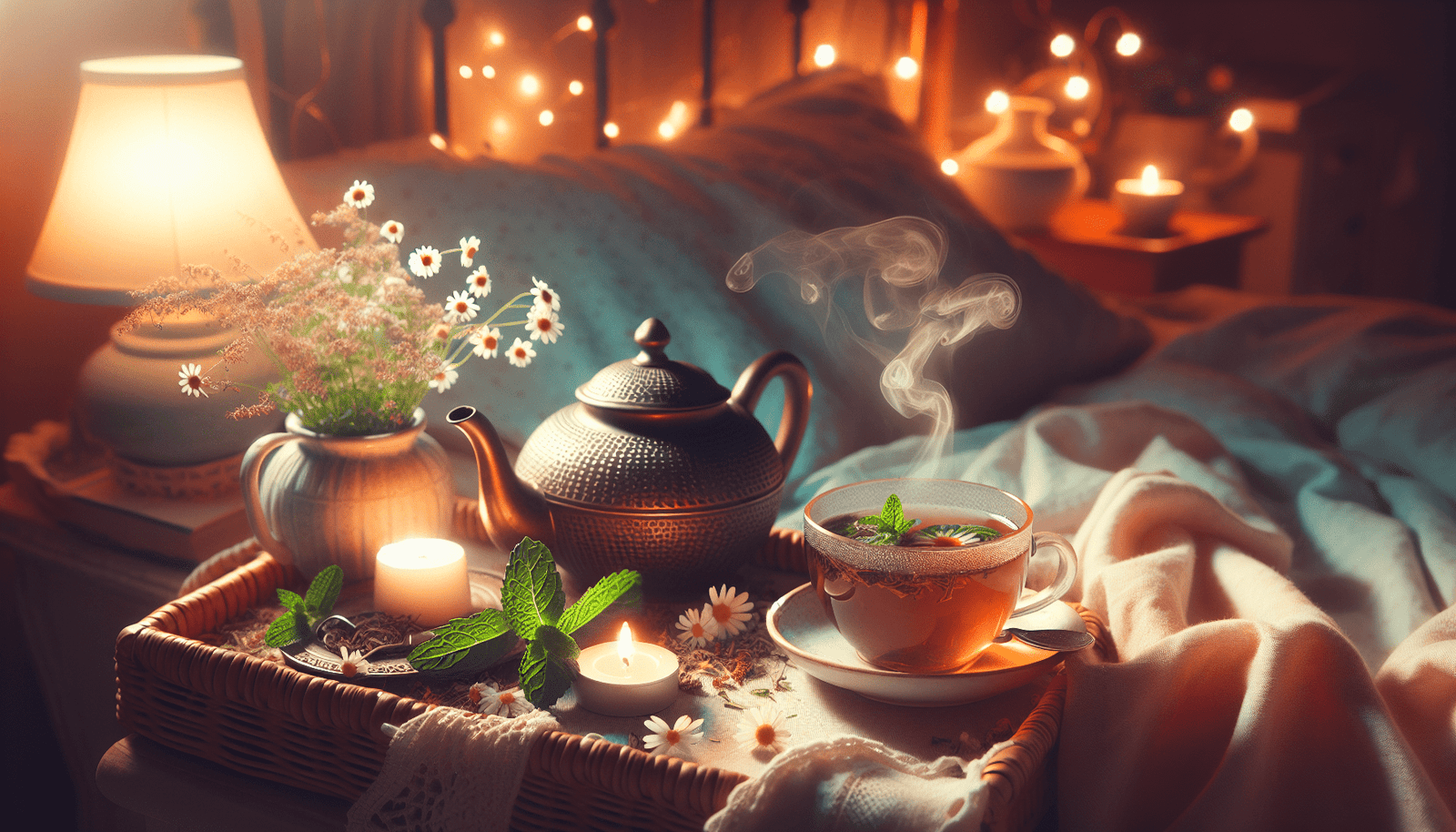
If night sweats are particularly disruptive to your sleep, serene herbal teas like chamomile or valerian root might be helpful. These can aid relaxation and improve sleep quality.
Support Networks
Don’t underestimate the power of community and shared experiences. Finding support from those who understand can make a world of difference during this transitional phase.
Joining Support Groups
Many organizations offer support groups specifically for women experiencing menopause. Engaging with others who are going through similar challenges provides an opportunity to share tips, experiences, and emotional support.
Online Communities
In today’s digital age, online forums and social media groups are plentiful. Joining these communities can help you feel connected and provide an excellent platform for exchanging advice and coping strategies.
Embracing This Life Phase
Navigating menopause can feel overwhelming at times, but it’s also an invitation to embrace a new chapter in your life.
Celebrating Aging
Menopause is often surrounded by negative connotations. However, aging can bring wisdom, self-acceptance, and newfound freedom. Embrace this opportunity for growth and transformation.
Considering Holistic Approaches
Taking a holistic approach to your health can empower you during this transition. This means focusing on your mental, emotional, and physical well-being, rather than solely treating symptoms.
Remember, you are not alone in this journey. The experience of hot flashes and night sweats may feel isolating, but there are countless others seeking support. Whether through natural remedies, lifestyle changes, or medical intervention, there are paths available to ease your discomfort and help you reclaim your peace.
By prioritizing self-care, building support systems, and exploring various remedies, you can manage these symptoms and pave the way toward a satisfying life post-menopause. Isn’t it empowering to know that relief and understanding are within your reach?