GERD, or Gastroesophageal Reflux Disease, is a common condition that affects millions of people worldwide. It occurs when the acid from your stomach flows back into your esophagus, causing discomfort and a burning sensation. Understanding the risk factors and taking necessary precautions can help manage this condition effectively. From lifestyle choices to certain medical conditions, various factors contribute to the development of GERD. In this article, we will explore these risk factors and provide useful precautions to alleviate symptoms and improve quality of life. Whether you have been diagnosed with GERD or want to educate yourself about this condition, this article is your guide to understanding and managing GERD effectively.
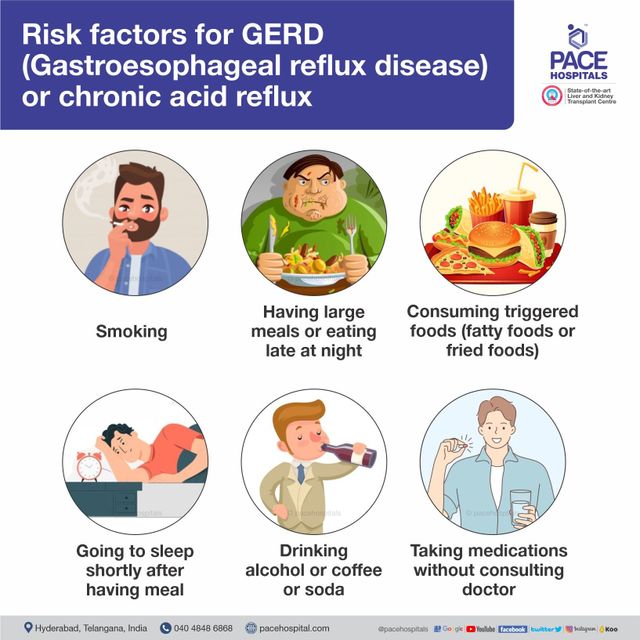
Risk Factors for GERD
Obesity
Obesity is a significant risk factor for GERD (gastroesophageal reflux disease). When you carry excess weight, it puts pressure on your abdomen, which in turn can push the contents of your stomach up into the esophagus. This upward movement of stomach acid causes heartburn and other symptoms commonly associated with GERD. Maintaining a healthy weight is crucial in preventing and managing the condition.
Hiatal Hernia
A hiatal hernia is another risk factor for GERD. This occurs when part of your stomach pushes up through the diaphragm and into the chest cavity. The presence of a hiatal hernia can weaken the lower esophageal sphincter (LES), which is responsible for keeping stomach acid from flowing back into the esophagus. As a result, acid reflux and GERD symptoms may occur more frequently in individuals with hiatal hernias.
Pregnancy
During pregnancy, the body goes through numerous hormonal changes that can contribute to the development of GERD. Additionally, the growing uterus puts pressure on the stomach, further promoting acid reflux. It is not uncommon for pregnant women to experience heartburn and GERD symptoms. Pregnant individuals should take precautions and consult with their healthcare provider for appropriate management strategies.
Smoking
The harmful effects of smoking extend beyond lung health. Smoking also weakens the LES, which allows stomach acid to flow into the esophagus more easily. Furthermore, smoking reduces saliva production, which acts as a natural defense against acid reflux. Quitting smoking is not only beneficial for overall health but also plays a crucial role in preventing and managing GERD.
Alcohol Consumption
Alcohol consumption is another risk factor for GERD. Alcohol relaxes the LES, making it easier for stomach acid to flow back into the esophagus. Additionally, alcohol can increase the production of stomach acid, leading to irritation of the esophageal lining. Moderation is key when it comes to alcohol intake, and individuals with GERD should consider limiting their consumption or exploring alternative drink options.
Certain Medications
Some medications can increase the risk of developing GERD or worsen existing symptoms. Nonsteroidal anti-inflammatory drugs (NSAIDs) and aspirin are known to irritate the digestive tract and may contribute to acid reflux. Antidepressants and sedatives can relax the LES and affect esophageal motility. Calcium channel blockers, commonly prescribed for conditions like hypertension, can also weaken the LES. If you are taking any of these medications and experiencing GERD symptoms, consult your healthcare provider for potential alternatives.
Dietary Factors
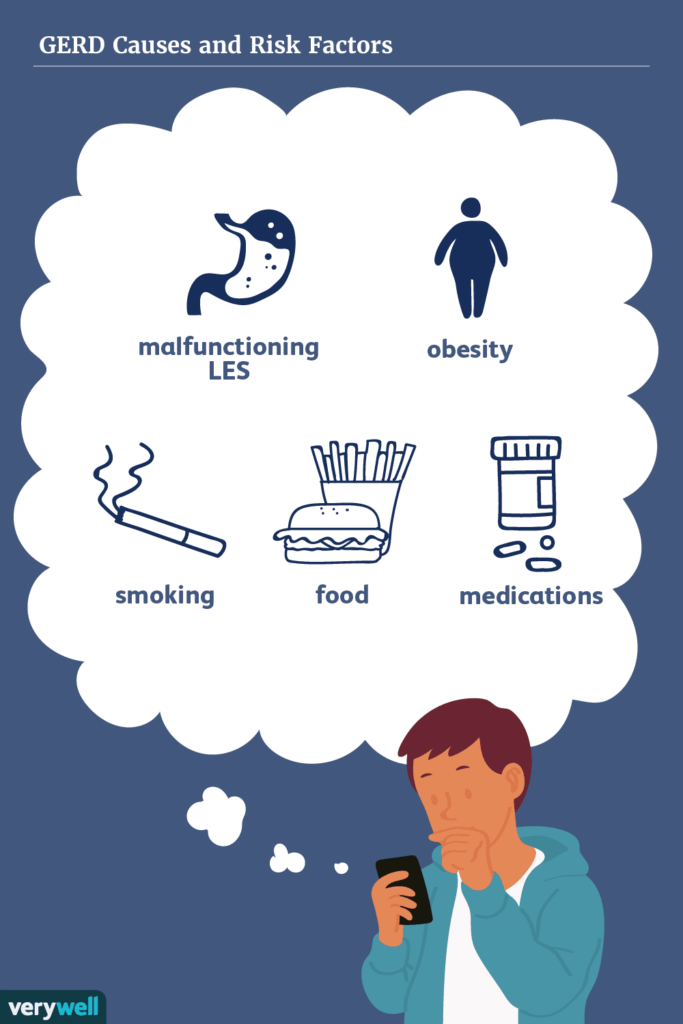
Certain foods can trigger or exacerbate GERD symptoms. Spicy and acidic foods, such as tomatoes, citrus fruits, and peppers, can irritate the esophagus and lead to heartburn. Fatty and fried foods can delay stomach emptying and increase the likelihood of acid reflux. Caffeine and carbonated drinks can relax the LES and stimulate the production of stomach acid. Even seemingly harmless treats like chocolate and peppermint can contribute to GERD symptoms. It is important to identify your personal trigger foods and limit their consumption to prevent discomfort.
Age
Age is a risk factor for many health conditions, and GERD is no exception. As we age, the muscles and tissues in our body may weaken, including the LES. This can increase the likelihood of acid reflux and GERD symptoms. While we cannot stop the aging process, adopting healthy lifestyle habits and following precautions can help manage GERD effectively.
Family History
If you have close family members who have been diagnosed with GERD, your risk of developing the condition may be higher. Family history plays a role in many health conditions, and GERD is not an exception. While you cannot change your genetic predisposition, knowing your family history can help you be more vigilant and proactive in managing your own health.
Gender
GERD affects both men and women, but some research suggests that men may be at a slightly higher risk. The reasons behind this gender difference are not entirely clear, but hormonal factors and lifestyle choices may contribute. Regardless of your gender, understanding the risk factors and taking precautions can help reduce the chances of developing GERD and alleviate symptoms if they occur.
Precautions for GERD
Maintain a Healthy Weight
As mentioned earlier, obesity is a risk factor for GERD. Therefore, maintaining a healthy weight is crucial in preventing and managing the condition. Engaging in regular physical activity, eating a balanced diet, and seeking guidance from a healthcare provider or a registered dietitian can help you achieve and maintain a healthy weight.
Avoid Trigger Foods
Identifying and avoiding trigger foods can significantly reduce GERD symptoms. Keep a food diary to track your symptoms and determine which foods worsen your acid reflux. Common trigger foods include spicy foods, acidic fruits, fatty and fried foods, caffeine, carbonated drinks, chocolate, and peppermint. By eliminating or reducing these foods from your diet, you can minimize discomfort and promote better digestive health.
Eat Smaller and More Frequent Meals
Large meals can put additional pressure on the LES and increase the chances of stomach acid flowing back into the esophagus. Instead of eating three large meals, opt for smaller, more frequent meals throughout the day. This approach can help prevent overeating and ensure your digestive system functions optimally.
Refrain from Smoking
As discussed earlier, smoking weakens the LES and reduces saliva production, making acid reflux more likely. Quitting smoking is a crucial precaution to protect your esophagus and promote overall health. There are various resources available, such as support groups and nicotine replacement therapies, to assist you in quitting smoking.
Limit Alcohol Intake
Alcohol relaxes the LES, leading to increased acid reflux. Limiting your alcohol intake or avoiding it altogether is an important precaution for individuals with GERD. If you choose to drink, consider moderate consumption and be mindful of your body’s response to alcohol.
Avoid Lying Down After Eating
Lying down immediately after a meal can worsen GERD symptoms. Instead, try to stay upright for at least two to three hours after eating to allow gravity to aid in digestion. If you need to lie down, prop yourself up with pillows to elevate the upper body and reduce the likelihood of acid reflux.
Elevate the Head of Your Bed
Raising the head of your bed by six to eight inches can help prevent stomach acid from flowing back into the esophagus during sleep. This elevation can be achieved by using bed risers, wedges, or placing blocks under the bed legs. Consult with your healthcare provider to determine the optimal elevation for your specific needs.
Manage Stress
Stress can exacerbate GERD symptoms by altering digestion and increasing acid production. Finding healthy ways to manage stress, such as practicing relaxation techniques, engaging in physical activity, and seeking support from loved ones or professionals, can have a positive impact on your digestive health.
Avoid Tight Clothing
Wearing tight clothing, particularly around the waist and abdomen, can put pressure on the stomach and increase the risk of acid reflux. Opt for looser, more comfortable clothing that allows your abdomen to expand and contract naturally during digestion.
Consult With a Healthcare Provider
If you experience frequent or severe GERD symptoms, it is essential to consult with a healthcare provider. They can evaluate your condition and develop a tailored treatment plan based on your individual needs. Your healthcare provider may recommend lifestyle modifications, over-the-counter medications, or prescription medications to manage your GERD effectively. Collaborating with a healthcare professional ensures you receive appropriate care and guidance throughout your GERD journey.

Obesity
Body Mass Index (BMI)
One way to assess whether you are obese is by calculating your body mass index (BMI), which takes into account your height and weight. A BMI of 30 or higher indicates obesity. If your BMI falls within the obese range, it is important to address your weight to reduce the risk of developing GERD and other weight-related health conditions.
Abdominal Fat
Excess fat around the abdomen, known as visceral fat, is particularly concerning for GERD. This type of fat produces hormones and chemicals that promote inflammation and can weaken the LES. Engaging in regular physical activity, adopting a healthy diet, and managing stress can help reduce abdominal fat and minimize the risk of GERD.
Impact on Lower Esophageal Sphincter (LES)
Obesity can weaken the LES, making it less effective in preventing stomach acid reflux. As a result, obese individuals may experience more frequent and severe GERD symptoms. Losing weight can help improve the function of the LES and reduce the occurrence of acid reflux.
Weight Loss Strategies
If you are obese or overweight, incorporating healthy weight loss strategies can benefit your overall health and minimize the risk of GERD. Gradual weight loss, achieved through a combination of a balanced diet and regular physical activity, is recommended. Consulting with a registered dietitian or a healthcare provider can provide valuable guidance in developing a personalized weight loss plan.
Hiatal Hernia
Definition and Causes
A hiatal hernia occurs when part of the stomach pushes up through the diaphragm and into the chest cavity. This can weaken the LES, the valve that separates the esophagus from the stomach, leading to acid reflux and GERD symptoms. Hiatal hernias are often caused by weakened muscles and tissues in the diaphragm, which can result from factors such as age, obesity, or injury.
Effect on LES
A hiatal hernia can affect the function of the LES by causing it to relax or weakening its ability to close tightly. This allows stomach acid to flow back into the esophagus, leading to heartburn, regurgitation, and other symptoms. Managing and preventing acid reflux in individuals with hiatal hernias often involves a combination of lifestyle modifications and, in some cases, surgical intervention.
Symptoms and Diagnosis
The most common symptom of a hiatal hernia is heartburn, which can be confused with other causes of acid reflux. Other symptoms may include chest pain, difficulty swallowing, regurgitation, and a feeling of fullness after eating. A healthcare provider can diagnose a hiatal hernia through physical examination, imaging tests, and endoscopy.
Treatment Options
Treatment for a hiatal hernia primarily focuses on managing GERD symptoms. Lifestyle modifications, such as weight loss, dietary changes, and elevating the head of the bed, are often recommended. Medications that reduce stomach acid production or neutralize acid may also be prescribed. In severe cases, surgery may be necessary to repair the hernia and strengthen the LES.

Pregnancy
Hormonal Changes
During pregnancy, hormonal changes occur to support the growing fetus. These hormonal fluctuations can affect the muscles, including the LES, leading to increased acid reflux. The hormone progesterone, in particular, relaxes smooth muscles, which can contribute to the development or worsening of GERD symptoms.
Increased Abdominal Pressure
As the baby grows, the uterus expands and puts pressure on the stomach. This increased abdominal pressure can force stomach acid into the esophagus, causing heartburn and other symptoms. This pressure can also affect the normal function of the LES, further contributing to acid reflux.
Symptoms and Management
Pregnant individuals may experience symptoms of GERD, such as heartburn, regurgitation, and difficulty swallowing. There are several precautions that can be taken to manage GERD during pregnancy, including avoiding trigger foods, eating smaller meals more frequently, and elevating the head of the bed. It is important to consult with a healthcare provider for guidance on safe and effective management strategies during pregnancy.
Medication Considerations
Some medications commonly used to manage GERD may not be safe during pregnancy, as they can potentially harm the developing fetus. It is important to consult with a healthcare provider before taking any medication, including over-the-counter options, to ensure the safety of both the pregnant individual and the baby. Alternative approaches, such as dietary modifications and natural remedies, may be explored under the guidance of a healthcare provider.
Smoking
Effects on LES and Saliva
Smoking weakens the LES, allowing stomach acid to flow back into the esophagus more easily. Additionally, smoking reduces saliva production, which normally helps neutralize acid and protect the esophageal lining. These combined effects of smoking contribute to increased acid reflux and heightened risk of GERD.
Increased Acid Production
Smoking stimulates the production of stomach acid, which can exacerbate GERD symptoms. The increased acidity in the stomach makes the reflux process more problematic, leading to heartburn, regurgitation, and other discomforts.
Symptoms and Quitting Strategies
Smoking can worsen GERD symptoms, including heartburn, chest pain, and difficulty swallowing. Quitting smoking is an important step in managing GERD and improving overall health. There are numerous strategies to help quit smoking, ranging from counseling and support groups to nicotine replacement therapies and prescription medications. It may take several attempts, but the benefits of quitting smoking extend far beyond GERD management.
Benefits of Quitting
Quitting smoking not only reduces the risk of developing GERD but also improves overall health in numerous ways. Within a few weeks of quitting, lung function begins to improve, blood pressure decreases, and heart disease risk decreases. Additionally, quitting smoking reduces the risk of developing other respiratory conditions, such as chronic bronchitis and lung cancer. Saying goodbye to smoking is a valuable investment in your present and future well-being.

Alcohol Consumption
Relaxation of LES
Alcohol relaxes the LES, making it easier for stomach acid to flow back into the esophagus. This relaxation effect weakens the barrier that prevents acid reflux, leading to increased GERD symptoms.
Acid Production and Irritation
Alcohol can stimulate the production of stomach acid, exacerbating GERD symptoms. The acidity of certain alcoholic beverages, such as wine and spirits, can also irritate the esophagus and digestive tract, intensifying discomfort.
Symptoms and Moderation Guidelines
Individuals with GERD should be mindful of their alcohol consumption and its impact on their symptoms. Common symptoms associated with alcohol-induced GERD include heartburn, regurgitation, and chest pain. Guidelines for moderate alcohol consumption recommend up to one drink per day for women and up to two drinks per day for men. It is important to remember that moderation varies based on individual tolerance and sensitivity to alcohol.
Alternatives to Consider
If you enjoy socializing or celebrating with a beverage but want to minimize GERD symptoms, consider exploring alcohol alternatives. Non-alcoholic mocktails and beverages, such as herbal teas, flavored water, or fresh juices, can provide enjoyable alternatives without the risk of worsening GERD symptoms. Experimenting with different options can help you find delightful substitutes that support your digestive health.
Certain Medications
NSAIDs and Aspirin
Nonsteroidal anti-inflammatory drugs (NSAIDs) and aspirin are frequently used for pain relief and inflammation management. However, these medications can irritate the digestive tract and increase the risk of acid reflux. It is important to discuss the use of NSAIDs and aspirin with your healthcare provider, especially if you have GERD or are at risk of developing the condition.
Antidepressants and Sedatives
Certain antidepressants and sedatives can relax the LES and affect the motility of the esophagus, contributing to acid reflux and GERD symptoms. If you are taking these medications and experiencing GERD symptoms, it is essential to consult with your healthcare provider. They may adjust your dosage or explore alternative medications to minimize acid reflux.
Calcium Channel Blockers
Calcium channel blockers are commonly prescribed for conditions such as hypertension and certain heart conditions. These medications can relax the LES and increase the risk of acid reflux. If you are taking calcium channel blockers and experiencing GERD symptoms, consult with your healthcare provider to explore alternative treatment options.
Treatment Options
If you are taking medications that contribute to GERD symptoms, your healthcare provider will work with you to find appropriate treatment options. This may involve adjusting your medication dosage, exploring alternative medications, or incorporating additional lifestyle modifications to alleviate symptoms. Collaboration between you and your healthcare provider is crucial in finding the most effective and manageable treatment plan.
Dietary Factors
Spicy and Acidic Foods
Spicy foods, such as hot peppers and chili, can irritate the esophagus and contribute to acid reflux. Similarly, acidic foods and beverages, including citrus fruits, tomatoes, and vinegar, can increase the acidity in the stomach and exacerbate GERD symptoms. Limiting or avoiding these foods can help alleviate discomfort.
Fatty and Fried Foods
Fatty and fried foods are known to delay stomach emptying, which can lead to increased pressure on the LES and contribute to acid reflux. High-fat meals can also relax the LES, making it easier for stomach acid to flow back into the esophagus. Opting for lower-fat alternatives and incorporating healthier cooking methods, such as baking or grilling, can help reduce the risk of GERD symptoms.
Caffeine and Carbonated Drinks
Caffeine is a known trigger for acid reflux, as it relaxes the LES and stimulates the production of stomach acid. Carbonated drinks, including soda and sparkling water, can introduce gas into the stomach, leading to increased pressure and acid reflux. Reducing or eliminating caffeine and carbonated beverages from your diet can significantly minimize GERD symptoms.
Chocolate and Peppermint
While both chocolate and peppermint are delicious treats, they can contribute to GERD symptoms. Chocolate contains a compound called theobromine, which can relax the LES and promote acid reflux. Peppermint, often used to soothe digestive discomfort, can surprisingly worsen GERD symptoms due to its relaxation effect on the LES. Limiting the consumption of chocolate and peppermint can help manage acid reflux effectively.
Identifying Triggers
Everyone’s tolerance and sensitivity to certain foods may vary. It is important to identify your personal trigger foods by observing how your body reacts to different items. Keeping a food diary and noting any symptoms that arise after consuming certain foods can help determine which foods to avoid or consume in moderation. As you become more aware of your triggers, you can make informed decisions to support your digestive health.
Consult With a Healthcare Provider
Importance of Medical Evaluation
If you experience chronic or severe GERD symptoms, it is crucial to seek a medical evaluation. A healthcare provider can assess your condition, confirm the diagnosis, and develop an appropriate treatment plan. They can also rule out other potential causes of your symptoms and ensure that the necessary interventions are in place to manage your GERD effectively.
Diagnostic Tests
Depending on the severity of your symptoms and the effectiveness of initial management strategies, your healthcare provider may recommend diagnostic tests. Common tests for GERD include upper GI endoscopy, esophageal pH monitoring, and esophageal manometry. These tests help evaluate the state of your esophagus and identify any complications or underlying factors contributing to your GERD symptoms.
Medication and Treatment Options
Your healthcare provider may prescribe medication to alleviate GERD symptoms, depending on the severity of your condition. Medications can include proton pump inhibitors (PPIs), H2 receptor blockers, and antacids. Lifestyle modifications, such as dietary changes, weight management, and stress reduction, will also be discussed. Your healthcare provider will customize the treatment plan to address your specific needs and preferences.
Collaborative Approach
Managing GERD effectively often requires a collaborative approach between you and your healthcare provider. Regular follow-up appointments allow for ongoing evaluation of treatment effectiveness, adjustments in medication dosage or type, and modifications to lifestyle recommendations. Open communication and active engagement in your treatment plan empower you to better manage your GERD and ensure that you receive the support and care needed for optimal digestive health.