
Let’s talk about lice – that pesky little problem that can make anyone itch uncontrollably. In this article, we’ll explore the risk factors associated with these tiny invaders and discuss some precautions you can take to protect yourself and your loved ones from a lice infestation. Whether you’re a concerned parent, a summer camp counselor, or simply someone who wants to stay lice-free, this article is here to help you understand the potential risks and provide you with practical tips to keep those little critters at bay. So, let’s get started!

Risk Factors
Hair length and type
The length and type of hair can affect the risk of getting lice. Long hair provides more surface area for lice to attach and lay eggs. Additionally, certain types of hair, such as curly or coarse hair, can make it easier for lice to cling onto strands. However, it is important to note that lice can infest hair of any length or type. So, even if you have short or straight hair, you are still at risk.
Age
Age can also be a risk factor for lice infestation. Children, especially those between the ages of 3 and 11, are more susceptible to lice because they often engage in close physical contact during play or other activities. Adolescents and adults can also contract lice, but the incidence tends to decrease as people get older.
Gender
Gender can play a role in the risk of lice infestation. It has been observed that females, especially girls, are more likely to get lice compared to males. This could be due to various factors, including longer hair, increased physical contact, or even hormonal differences. However, it is important to remember that lice can affect anyone, regardless of gender.
Personal contact
One of the primary ways lice are transmitted is through personal contact. Direct head-to-head contact with an individual who has lice increases the risk of infestation. This can occur during activities such as hugging, sharing headphones, or playing sports. It is important to be mindful of this risk and take precautions to minimize close contact with someone who has lice.
Sharing personal items
Sharing personal items, such as combs, brushes, hats, or hair accessories, can increase the risk of lice transmission. Lice can crawl from one item to another and then onto a person’s hair when shared. It is crucial to avoid using or sharing items that may have come into contact with lice-infested hair, especially in settings where lice outbreaks are prevalent.
Living in close quarters
Living in close quarters, such as dorms, boarding schools, or crowded households, can increase the risk of lice transmission. Lice can easily spread from person to person when individuals are in close proximity for an extended period. Therefore, it is important to be diligent about lice prevention measures, especially in environments where many people are living in close quarters.
Poor personal hygiene
Poor personal hygiene may also contribute to the risk of lice infestation. Lice thrive in environments where hair is oily and dirty, making it easier for them to attach and lay eggs. Regular hair washing and maintaining good personal hygiene can help reduce the risk of lice infestation.
Lice outbreaks in the community
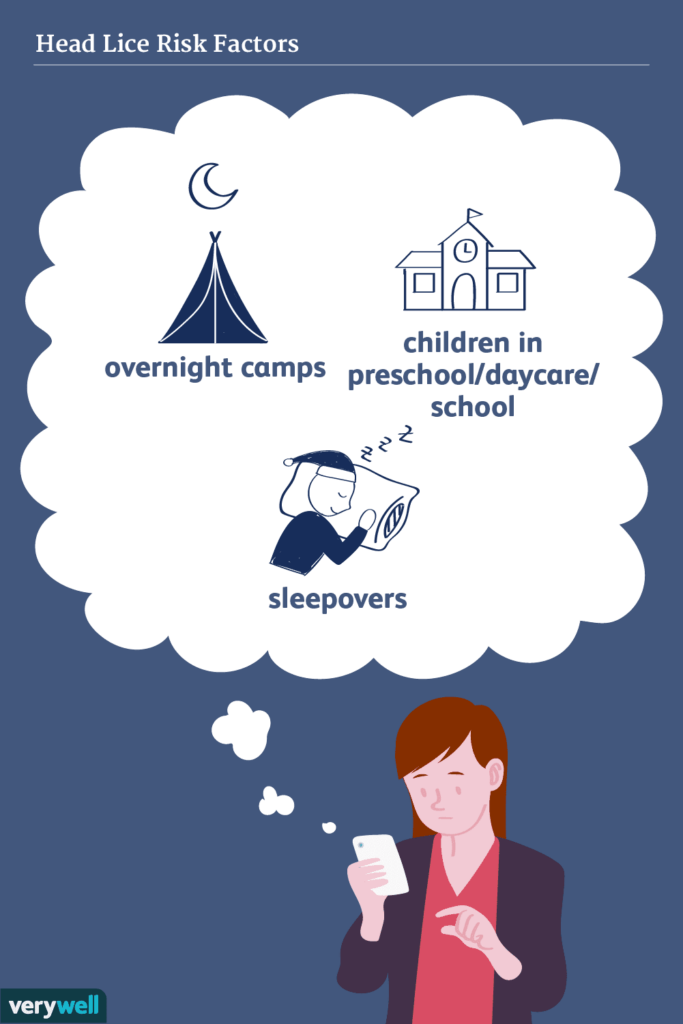
The presence of lice outbreaks in the community can increase the risk of contracting lice. Lice can easily spread from one person to another within schools, child care facilities, or other communal places. It is important to stay informed about any reported lice outbreaks in your community and take necessary precautions to prevent infestation.
Having siblings or classmates with lice
If you have siblings or classmates with lice, your risk of getting lice increases. Close contact with individuals who already have lice puts you at a higher risk of infestation. It is crucial to communicate with family members or teachers if lice are detected so that appropriate measures can be taken to prevent further spread.
Pre-existing scalp conditions
Having pre-existing scalp conditions, such as eczema or dermatitis, can also increase the risk of lice infestation. Lice may find it easier to attach to hair strands that are weakened or damaged due to scalp conditions. Proper management of these conditions and maintaining a healthy scalp can help reduce the risk of lice infestation.
Precautions
Regular hair washing and combing
Regularly washing your hair with shampoo can help prevent lice infestation. Shampooing not only cleanses the hair but also helps to remove any lice or their eggs that may be present. Combing the hair with a fine-toothed lice comb after washing can further assist in the removal of lice and their eggs.
Avoid sharing personal items
To minimize the risk of lice transmission, it is important to avoid sharing personal items that come into contact with the hair. These items include combs, brushes, hats, helmets, headphones, and hair accessories. Encourage your family members and friends to have their own personal items to reduce the chances of lice spreading.
Educate children about lice prevention
Teaching children about lice prevention is crucial in reducing the risk of infestation. Explain to them the importance of not sharing personal items, avoiding head-to-head contact, and maintaining good personal hygiene. By educating children about lice and how to prevent it, they can actively contribute to their own protection.
Maintain personal hygiene
Maintaining good personal hygiene is essential in preventing lice infestations. This includes regular bathing, washing hair with shampoo, and keeping the scalp and hair clean and dry. Lice are less likely to infest hair that is clean and well-maintained.
Avoid close head-to-head contact
Minimizing close head-to-head contact with individuals who have lice can significantly reduce the risk of infestation. Encourage your children to be mindful of personal space during activities that involve close physical contact, such as playing sports or performing group activities.
Use lice repellents
Using lice repellents can be an additional precautionary measure to prevent infestation. There are various commercially available products, such as sprays or shampoos, that claim to repel lice. However, it is important to carefully follow the instructions and consult with a healthcare professional before using any repellents, especially on children.
Regularly clean and vacuum living spaces
Cleaning and vacuuming living spaces, particularly shared areas, can help eliminate lice or their eggs that may have fallen off the hair. Pay close attention to areas where personal items or clothing are commonly stored, such as bedding, upholstered furniture, rugs, and carpets. Regular cleaning can prevent lice from spreading within the environment.
Check for lice regularly
Performing regular head checks for lice can help detect infestations early on. Check your own hair and the hair of your family members, especially children, for any signs of lice, such as itching, red bumps on the scalp, or the presence of lice eggs (nits). Early detection allows for prompt treatment and helps prevent the further spread of lice.
Promptly treat infestations
If lice are detected, it is important to promptly treat the infestation. There are various over-the-counter treatments available, such as medicated shampoos or lotions, that can effectively kill lice and their eggs. Follow the instructions carefully and repeat the treatment as recommended to ensure complete eradication.
Follow school or community guidelines
If there are lice outbreaks in your school or community, it is crucial to follow the guidelines and recommendations provided by the relevant authorities. Schools often have protocols in place to minimize the spread of lice, including informing parents, conducting thorough checks, and excluding infested individuals until they have been treated. Adhering to these guidelines can help prevent lice outbreaks from escalating and protect the community as a whole.
In conclusion, understanding the risk factors and taking necessary precautions can greatly reduce the chances of getting lice. By maintaining good personal hygiene, avoiding close contact with infested individuals, and staying informed about lice outbreaks, you can protect yourself and your loved ones from the nuisance of lice infestations. Remember to educate children about lice prevention and regularly check for any signs of infestation to ensure prompt treatment and prevent further spread.
