
If you’ve ever experienced the frustration of an ingrown hair, you know it can be a real pain. But what exactly causes these pesky, inflamed bumps to form? In this article, we’ll explore the risk factors that contribute to ingrown hairs and the precautions you can take to prevent them. So grab a cup of tea, sit back, and let’s get to the root of this hairy issue together. Trust me, your skin will thank you!
Risk Factors for Ingrown Hair
Curly or Coarse Hair
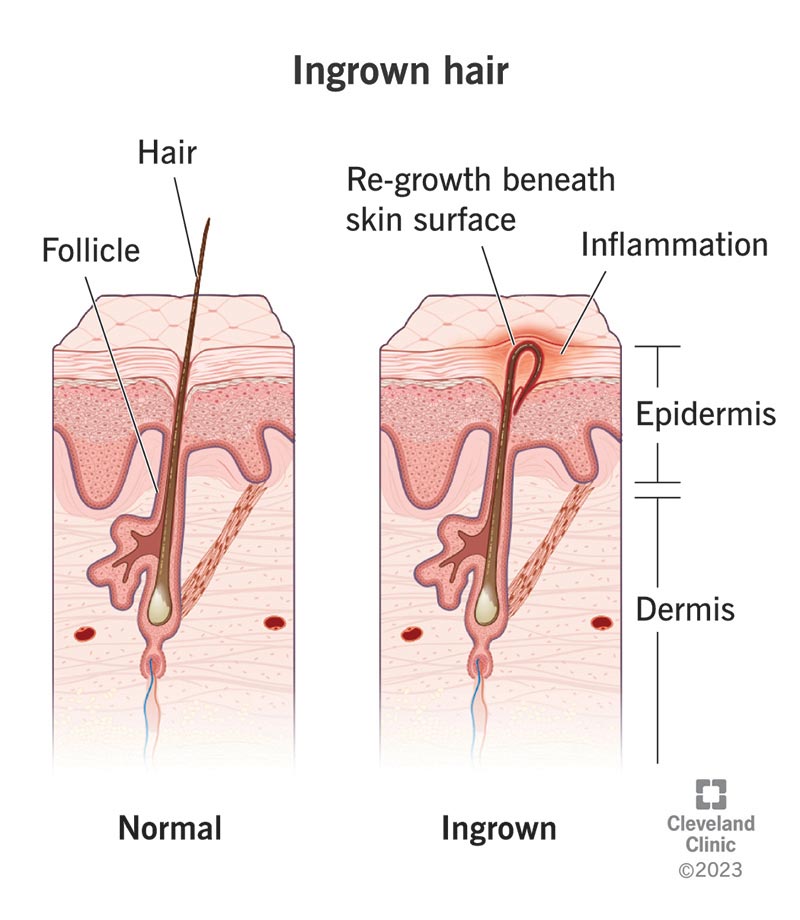
Curly or coarse hair is a risk factor for developing ingrown hair. The natural texture of this type of hair increases the chances of the hair curling back into the skin instead of growing straight. As a result, the hair gets trapped beneath the surface, leading to the formation of ingrown hair. If you have curly or coarse hair, it’s important to be extra diligent in preventing ingrown hair.
Shaving or Waxing
Hair removal methods such as shaving or waxing can also contribute to the risk of ingrown hair. When hair is cut or removed from the root, it has a higher chance of growing back into the skin instead of outward. Improper techniques, such as using a dull razor or pulling the wax strip in the wrong direction, can increase the likelihood of ingrown hair. It’s crucial to be mindful of your hair removal practices to minimize the risk.
Tight or Restrictive Clothing
Wearing tight or restrictive clothing can worsen the chances of developing ingrown hair. When the fabric is too snug against the skin, it can cause friction and irritation, leading to ingrown hair. Certain areas that are commonly affected by tight clothing include the groin, underarms, and waistline. It’s important to choose clothing that is comfortable and allows for proper airflow to minimize the risk of ingrown hair.
Excessive Sweating
Excessive sweating can contribute to the development of ingrown hair. Sweat can clog the hair follicles, preventing the hair from growing out properly. This is particularly true in areas prone to sweating, such as the underarms and groin. To prevent ingrown hair, it’s important to manage sweat effectively by using antiperspirants or sweat-absorbing products.
Certain Skin Conditions
Some skin conditions can increase the risk of ingrown hair. Conditions such as acne, dry skin, and excessive oil production can all contribute to the development of ingrown hair. These skin conditions can lead to clogged pores, making it easier for the hair to grow inward instead of outward. It’s important to be proactive in skincare routines and treat any underlying skin conditions to prevent ingrown hair.
Previous History of Ingrown Hair
If you have previously experienced ingrown hair, you are more likely to develop it again in the future. Understanding the patterns and triggers that lead to ingrown hair can help you take preventive measures. By identifying the techniques or products that have caused ingrown hair in the past, you can avoid them and reduce the risk of future occurrences. Consulting a dermatologist can provide further guidance and treatment options for chronic cases.
Precautions to Prevent Ingrown Hair
Proper Hair Removal Techniques
Using proper hair removal techniques is essential in preventing ingrown hair. Whether you choose shaving, waxing, or other methods, it’s important to follow the correct procedures. Using a sharp and clean razor while shaving helps to minimize the chances of the hair being cut at an angle that promotes ingrown growth. Proper waxing techniques, such as pulling the strip in the direction of hair growth, can also reduce the risk of ingrown hair. It’s crucial to educate yourself on the best practices for your chosen hair removal method.
Regular Exfoliation
Regular exfoliation is an effective precautionary measure against ingrown hair. By removing dead skin cells and unclogging pores, exfoliation helps the hair to grow out smoothly. A gentle exfoliating scrub or brush can be used on the skin a few times a week to prevent the buildup of dead skin cells. Be cautious not to over-exfoliate, as this can lead to skin irritation. Finding the right balance is key to maintaining healthy and ingrown-free skin.
Moisturizing the Skin
Keeping the skin moisturized is crucial in reducing the risk of ingrown hair. Dry and dehydrated skin can make hair follicles more prone to becoming trapped. Applying a good quality moisturizer regularly helps to maintain skin elasticity and hydration. Look for moisturizers that are non-comedogenic, meaning they won’t clog the pores. Moisturizing the skin after hair removal procedures is particularly important to keep the skin hydrated and minimize the chances of ingrown hair.
Avoiding Tight Clothing
As mentioned earlier, tight clothing can contribute to ingrown hair. To prevent this, it’s important to choose clothing that allows for proper airflow and does not rub against the skin excessively. Opt for loose-fitting garments made from breathable fabrics like cotton. By avoiding tight clothing, you can reduce the friction and irritation that can lead to ingrown hair.
Avoiding Excessive Heat or Sweat
Excessive heat and sweat can worsen the risk of ingrown hair. When the skin is overheated or excessively sweaty, it can make the hair follicles more susceptible to becoming blocked. Avoid spending prolonged periods in hot and humid environments, and take measures to manage excessive sweating, such as using antiperspirants or sweat-absorbing products. By keeping the skin cool and dry, you can minimize the chances of developing ingrown hair.
Using a Sharp and Clean Razor
Using a sharp and clean razor is essential for preventing ingrown hair while shaving. Dull razors can cause the hair to be cut at an angle that promotes ingrown growth. It’s recommended to replace razors regularly to ensure the blades remain sharp. Additionally, keeping the razor clean helps to prevent bacteria buildup, which can contribute to skin irritation and ingrown hair.
Avoiding Excessive Touching or Picking
Excessive touching or picking at the skin can lead to irritation and inflammation, increasing the risk of ingrown hair. It’s important to resist the urge to scratch or pick at ingrown hairs, as this can lead to infection and scarring. If you notice an ingrown hair, it’s best to leave it alone and allow it to naturally resolve or seek professional treatment if necessary.
Using Products with Salicylic Acid
Products containing salicylic acid can be highly beneficial in preventing ingrown hair. Salicylic acid is a keratolytic agent that helps to exfoliate the skin, unclog pores, and minimize inflammation. When incorporated into a regular skincare routine, it can effectively reduce the chances of ingrown hair formation. Look for products such as toners or serums that contain salicylic acid, and follow the recommended usage instructions.
Seeking Professional Treatment for Severe Cases
In some cases, ingrown hair may become severe or persistent, requiring professional intervention. If you have chronic or recurrent ingrown hair, it’s advisable to consult a dermatologist or a trained medical professional. They can provide specific treatments such as laser hair removal or prescribe medicated creams to alleviate the problem. Professional treatment can help address the underlying causes of ingrown hair and provide long-term solutions.
Keeping the Skin Hydrated
Proper hydration of the skin plays a crucial role in preventing ingrown hair. When the skin is well-hydrated, it is less likely to become dry or flaky, reducing the chances of hair follicle blockage. Drinking an adequate amount of water daily and using hydrating skincare products can help maintain skin hydration. Look for moisturizers and serums that contain ingredients like hyaluronic acid or glycerin, which attract and retain moisture in the skin.

Curly or Coarse Hair
Definition and Characteristics
Curly or coarse hair refers to hair types that naturally have a textured and thick appearance. These types of hair tend to have a tighter curl pattern or a larger hair shaft diameter, which results in a distinct texture.
Higher Risk of Ingrown Hair
Due to its natural texture, curly or coarse hair has a higher risk of developing ingrown hair. The curl pattern makes it easier for the hair to grow back into the skin instead of outward. As a result, the hair becomes trapped beneath the surface, leading to the formation of ingrown hair. Proper care and preventive measures are particularly important for individuals with curly or coarse hair to minimize the risk of ingrown hair.
Causes Hair to Curl Back into the Skin
The natural curl pattern of curly or coarse hair is the main factor that causes it to curl back into the skin. Instead of growing out straight, the hair curls inward and gets trapped beneath the surface. This can occur during the natural growth process or as a result of hair removal methods. Understanding the causes of ingrown hair in curly or coarse hair is essential in preventing its occurrence.
Proper Hair Care for Curly or Coarse Hair
Proper hair care is essential for individuals with curly or coarse hair to prevent ingrown hair. Regularly moisturizing the hair and scalp helps to keep the hair soft and manageable, reducing the risk of ingrown hair. Using wide-toothed combs or brushes specifically designed for textured hair helps to prevent tangling, which could lead to ingrown hair. Additionally, avoiding excessive pulling or tension on the hair can help maintain a healthy hair growth cycle.
Shaving or Waxing
Risk of Ingrown Hair Due to Hair Removal
Hair removal methods such as shaving or waxing can increase the risk of ingrown hair. When hair is cut or removed from the root, it has a higher chance of growing back into the skin instead of outward. This is particularly true for individuals who have curly or coarse hair. Shaving cuts the hair at an angle that promotes ingrown growth, while waxing removes the hair from the root, potentially disrupting its natural growth direction.
Improper Shaving or Waxing Techniques
Improper shaving or waxing techniques can significantly increase the likelihood of ingrown hair. Using a dull razor or applying too much pressure while shaving can lead to hair being cut at an angle, encouraging ingrown growth. Pulling the wax strip in the wrong direction can damage the hair follicles and cause the hair to grow in the wrong direction. It’s crucial to educate yourself on the proper techniques for shaving or waxing to minimize the risk of ingrown hair.
Preventive Measures While Shaving or Waxing
Taking preventive measures while shaving or waxing can greatly reduce the risk of ingrown hair. Prior to shaving, make sure to soften the hair and open the pores by using warm water. Applying a lubricating gel or shaving cream creates a smooth surface for the razor to glide over. Shave in the direction of hair growth and rinse the razor frequently to prevent clogging. When waxing, pull the strip in the direction opposite to the hair growth to minimize trauma to the hair follicles.
Alternatives to Traditional Hair Removal Methods
If you are prone to ingrown hair or have experienced difficulties with traditional hair removal methods, there are alternatives available. Laser hair removal is a long-term solution that targets the hair follicles, reducing hair growth and minimizing the chances of ingrown hair. Depilatory creams, which dissolve the hair at the surface, can also be an option for those looking for alternative methods. Consult with a professional to determine the best alternative hair removal method for your specific needs.

Tight or Restrictive Clothing
How Tight Clothing Contributes to Ingrown Hair
Tight clothing can contribute to the development of ingrown hair by causing friction and irritation against the skin. When fabric is too snug, it creates a constant rubbing motion against the skin, which can lead to inflammation and hair follicle blockage. The pressure exerted by tight clothing can push the hair back into the skin instead of allowing it to grow outward, triggering the formation of ingrown hair.
Specific Areas Prone to Ingrown Hair Due to Clothing
Certain areas of the body are more prone to ingrown hair due to the clothing we wear. The groin, underarms, and waistline are areas where tight clothing, such as underwear, bras, or belts, can significantly increase the risk of ingrown hair. These areas are particularly susceptible to friction and pressure, which can trap the hair beneath the skin’s surface.
Choosing Comfortable Clothing to Prevent Ingrown Hair
Choosing comfortable clothing is crucial in preventing ingrown hair. Opt for looser-fitting garments made from breathable fabrics like cotton. These fabrics allow for proper airflow, reducing the amount of friction and irritation against the skin. When selecting underwear or bras, make sure they fit well without being overly tight. By choosing comfortable clothing, you can minimize the risk of developing ingrown hair.
Importance of Breathable Fabrics
Breathable fabrics play a vital role in preventing ingrown hair. Fabrics like cotton, linen, or bamboo allow air to circulate freely, reducing the buildup of sweat and moisture. When the skin is able to breathe, it remains dry and less prone to inflammation. It’s best to avoid synthetic materials that trap heat and moisture on the skin, as they can increase the risk of ingrown hair. Pay attention to the fabrics you choose and prioritize breathability to keep your skin healthy and ingrown-free.
Excessive Sweating
Relation Between Sweating and Ingrown Hair
Excessive sweating can increase the risk of developing ingrown hair. When we sweat, the moisture can mix with dead skin cells and block the hair follicles. This prevents the hair from growing out smoothly and promotes ingrown hair formation. Areas prone to sweating, such as the underarms and the groin, are particularly susceptible to ingrown hair due to the accumulation of sweat.
How Sweat Can Block Hair Follicles
Sweat can block hair follicles when it combines with dead skin cells or other impurities. This mixture can form a barrier that prevents the hair from breaking through the skin’s surface. Prolonged exposure to sweat can lead to the buildup of debris, further clogging the hair follicles and increasing the chances of ingrown hair.
Preventing Excessive Sweating
While sweating is a natural and necessary bodily function, managing excessive sweating can help prevent ingrown hair. Staying hydrated by drinking an adequate amount of water can help regulate body temperature and minimize excessive sweating. Avoiding triggers such as spicy foods, caffeine, or hot beverages can also help reduce sweating. In cases of excessive sweating, also known as hyperhidrosis, medical treatments such as prescription antiperspirants or Botox injections may be considered.
Using Antiperspirants or Sweat-Absorbing Products
Using antiperspirants or sweat-absorbing products can be beneficial in preventing excessive sweating and reducing the risk of ingrown hair. Antiperspirants work by temporarily blocking sweat ducts, minimizing the amount of sweat produced. Look for antiperspirants that contain aluminum chloride or aluminum zirconium to effectively manage sweating. Sweat-absorbing powders or pads can also be used in areas prone to excessive sweating, helping to keep the skin dry and less susceptible to ingrown hair.

Certain Skin Conditions
Skin Conditions Associated with Ingrown Hair
Several skin conditions can increase the risk of developing ingrown hair. Acne, for example, can cause the hair follicles to become blocked with sebum and dead skin cells, making it easier for the hair to grow inward. Dry skin is another condition that can lead to the accumulation of dead skin cells, creating a barrier that prevents proper hair growth. Individuals with sensitive skin or those prone to ingrown hair should be particularly cautious if they have these skin conditions.
Acne, Dry Skin, and Other Factors
Acne and dry skin are two common factors that contribute to ingrown hair. Acne-prone skin often has increased sebum production, leading to clogged pores and hair follicles. Dry skin lacks proper hydration and can cause the skin to become flaky, impeding hair growth. Other factors such as excessive oil production, sensitivity, or inflammation can also contribute to the risk of ingrown hair. It’s important to address these skin conditions to minimize the chances of ingrown hair formation.
Proactive Skincare Routines
Proactive skincare routines are essential for individuals with skin conditions that increase the risk of ingrown hair. Regularly cleansing the skin helps to remove excess oil, dead skin cells, and impurities. Using gentle exfoliants helps to unclog pores and promote healthy hair growth. Incorporating non-comedogenic moisturizers into your routine helps to keep the skin hydrated without clogging the pores. Tailoring your skincare routine to address your specific skin conditions can significantly reduce the risk of ingrown hair.
Special Precautions for Individuals with Skin Conditions
If you have skin conditions that make you more susceptible to ingrown hair, there are special precautions you can take. Avoid applying heavy or occlusive products that may block the hair follicles. Instead, opt for lightweight, non-comedogenic products. Be gentle when washing or exfoliating the skin to avoid further irritation. If you’re prone to acne breakouts, consider using products containing ingredients like salicylic acid or benzoyl peroxide to unclog pores and prevent ingrown hair.
Previous History of Ingrown Hair
Increased Risk After Experiencing Ingrown Hair
Once you have experienced ingrown hair, your risk of developing it again in the future increases. Ingrown hair can alter the hair growth pattern, making it more prone to growing back into the skin. The trauma caused by digging or picking at the ingrown hair can also lead to scarring and changes in the hair follicle, further increasing the likelihood of future occurrences. It’s crucial to take preventive measures to minimize the risk after experiencing ingrown hair.
Identifying Patterns and Triggers
Identifying patterns and triggers that lead to ingrown hair is important in preventing its recurrence. Keep track of the methods, products, or areas of the body where you tend to develop ingrown hair. Take note of any specific factors, such as tight clothing or excessive sweating, that may contribute to its formation. By identifying these patterns and triggers, you can take proactive measures to prevent ingrown hair in the future.
Preventive Measures Based on Past Experience
Based on past experience, you can take preventive measures to minimize the risk of ingrown hair. For example, if you notice that certain hair removal techniques consistently lead to ingrown hair, consider using alternative methods or adjusting your approach. If you have identified specific areas of the body prone to ingrown hair, pay extra attention to their care and consider preventive measures such as exfoliation and moisturization. By tailoring your routine based on past experience, you can effectively prevent future occurrences of ingrown hair.
Consulting a Dermatologist for Chronic Cases
If you have chronic or persistent ingrown hair, it’s advisable to seek medical advice from a dermatologist. Chronic ingrown hair may require professional treatment to address underlying factors or provide long-term solutions. A dermatologist can help diagnose the root causes of your ingrown hair, recommend specific treatments, and provide guidance on preventive measures. Seeking professional help is particularly important if you have scarring, recurrent infections, or if your ingrown hair is significantly impacting your quality of life.
Proper Hair Removal Techniques
Different Methods of Hair Removal
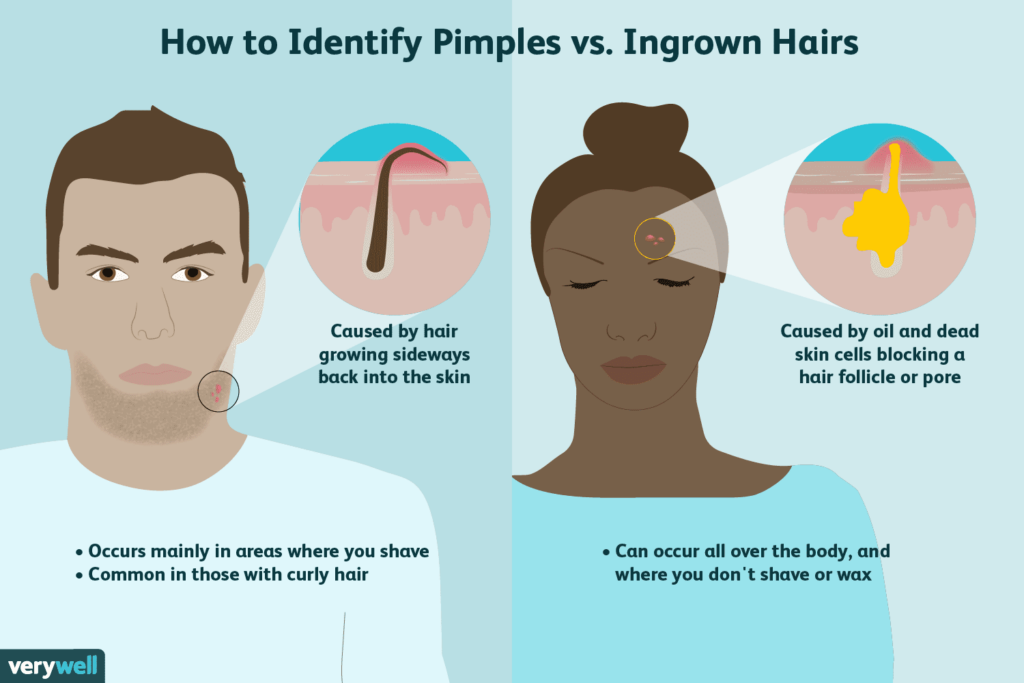
Various methods of hair removal are available, each with its own pros and cons. Shaving, waxing, sugaring, depilatory creams, and laser hair removal are some of the most common methods. Understanding the differences between these techniques can help you choose the one that best suits your skin and hair type.
Pros and Cons of Each Technique
Shaving is a quick and affordable method, but it can increase the risk of ingrown hair due to the sharp angle of the cut. Waxing and sugaring offer longer-lasting results, but they can be more painful and require hair to be a certain length for effective removal. Depilatory creams are a convenient option, but they may contain harsh ingredients that can irritate the skin. Laser hair removal provides long-term reduction in hair growth, but it can be costly and requires multiple sessions. Considering the pros and cons of each technique can help you make an informed decision.
Choosing the Best Technique for Your Skin and Hair Type
Choosing the best technique for your skin and hair type is crucial to minimize the risk of ingrown hair. Individuals with curly or coarse hair may find that methods like shaving or depilatory creams are more likely to result in ingrown hair due to the sharpness or chemical composition of these techniques. Waxing or laser hair removal may offer better results for these individuals, but individual preferences and skin sensitivity should also be taken into account. If you’re unsure, consult with a professional or dermatologist to determine the best technique for your unique needs.
Step-by-Step Guide for Safe Hair Removal
Regardless of the hair removal method you choose, following a step-by-step guide for safe hair removal is essential. Prepare your skin by cleansing it thoroughly and removing any products, oil, or dirt. Ensure your tools or products are clean and in good condition. If you’re using a manual method like shaving or waxing, be sure to follow the correct techniques and instructions. Take your time, pay attention to your skin’s reaction, and always moisturize and soothe your skin afterward. By following a safe and proper hair removal routine, you can minimize the risk of ingrown hair and achieve smoother skin.
Keeping the Skin Hydrated
Importance of Hydration for Overall Skin Health
Hydration is essential for overall skin health and plays an important role in preventing ingrown hair. When the skin is well-hydrated, it remains supple, soft, and less prone to dryness. Hydration helps to maintain the skin’s natural barrier function, reducing the risk of clogged pores and the formation of ingrown hair. Proper skin hydration promotes healthy hair growth and encourages the hair to grow outward instead of inward.
Incorporating Hydrating Practices into Daily Routine
Incorporating hydrating practices into your daily routine is key to maintaining skin hydration. Start by drinking an adequate amount of water each day to keep your body and skin well-hydrated from within. Additionally, use a gentle and hydrating cleanser that doesn’t strip away the skin’s natural oils. After cleansing, apply a moisturizer or serum containing hydrating ingredients to replenish the skin’s moisture levels. There are also hydrating masks and mists available that can be used as an additional boost of hydration throughout the day.
Choosing Hydrating Skincare Products
Choosing hydrating skincare products is essential in keeping the skin hydrated and preventing ingrown hair. Look for products that are specifically formulated to lock in moisture and provide long-lasting hydration. Ingredients like hyaluronic acid, glycerin, and ceramides help attract and retain moisture in the skin. Avoid products that contain drying ingredients or harsh chemicals, as they can strip the skin of its natural oils and contribute to dryness. A skincare routine that focuses on hydration will support healthy skin and minimize the risk of ingrown hair.
Lifestyle Factors That Affect Skin Hydration
In addition to skincare products, certain lifestyle factors can affect skin hydration and play a role in preventing ingrown hair. Avoid excessive exposure to hot water, as it can strip the skin of its natural oils and lead to dryness. Use lukewarm water instead when bathing or washing your face. Protect your skin from harsh environmental conditions like extreme cold or dryness by using appropriate clothing or moisturizing products. Additionally, maintaining a balanced diet rich in fruits, vegetables, and healthy fats can contribute to overall skin health and hydration.
In conclusion, ingrown hair is a common issue that can be both uncomfortable and unsightly. Understanding the risk factors and taking precautions can help prevent the formation of ingrown hair. Whether it’s caring for curly or coarse hair, practicing proper hair removal techniques, choosing comfortable clothing, managing sweating, addressing skin conditions, or learning from past experiences, there are many steps you can take to minimize the risk of ingrown hair. By incorporating these preventive measures into your daily routine, you can promote healthy hair growth and maintain smooth and radiant skin.