If you’re someone who enjoys participating in activities that require repetitive arm movements, such as swimming or playing tennis, it’s important to be aware of the risk factors and precautions for rotator cuff disorders. These disorders can cause pain, weakness, and limited range of motion in the shoulder, potentially impacting your daily life and physical abilities. By understanding the factors that can contribute to developing a rotator cuff disorder and taking proactive measures to prevent injury, you can safeguard your shoulder health and continue enjoying your favorite activities for years to come.

Overview of Rotator Cuff Disorders
Rotator cuff disorders refer to a group of conditions that affect the tendons and muscles in the shoulder joint. These disorders can lead to pain, weakness, and limited mobility in the shoulder, making simple everyday tasks challenging. It is important to understand the causes, symptoms, and treatment options for rotator cuff disorders to effectively manage and prevent these conditions.
Definition of Rotator Cuff Disorders
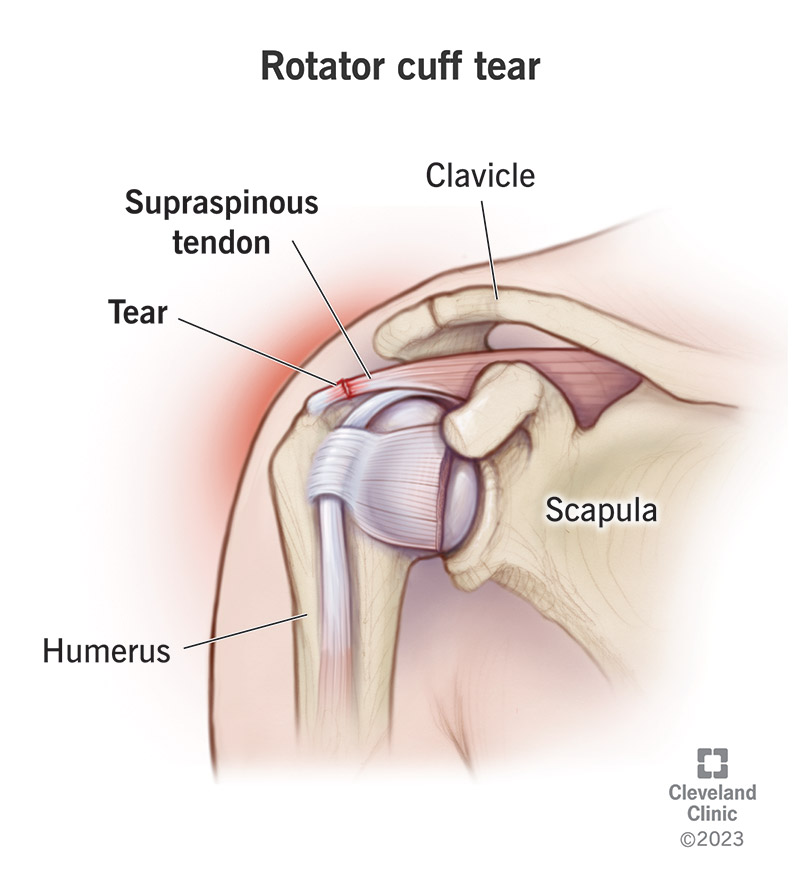
The rotator cuff is a group of four muscles and tendons that surround the shoulder joint. These muscles and tendons work together to provide stability and allow for a wide range of shoulder movements. Rotator cuff disorders involve damage or inflammation to these structures, leading to pain, weakness, and loss of function in the shoulder.
Importance of the Rotator Cuff
The rotator cuff plays a crucial role in the normal functioning of the shoulder joint. It allows for smooth and coordinated movements, such as raising the arm overhead, rotating the shoulder, and reaching behind the back. The rotator cuff also provides stability to the shoulder joint, preventing excessive movement and maintaining proper alignment during activities. Without a healthy and functioning rotator cuff, basic daily activities can become challenging and painful.
Common Types of Rotator Cuff Disorders
There are several common types of rotator cuff disorders, each with its own set of causes and symptoms. These include:
-
Rotator cuff tendinitis: This occurs when the tendons of the rotator cuff become inflamed due to overuse or repetitive movements.
-
Rotator cuff impingement: This condition involves the compression of the rotator cuff tendons and bursa between the bones in the shoulder, leading to pain and restricted shoulder movement.
-
Rotator cuff tears: A tear can occur in the tendons of the rotator cuff, either partially or completely, causing pain, weakness, and limited mobility.
-
Calcific tendinitis: This condition occurs when calcium deposits build up within the tendons of the rotator cuff, leading to pain and inflammation.
-
Shoulder bursitis: Bursitis refers to the inflammation of the bursa, which are small fluid-filled sacs that cushion the structures in the shoulder joint. It can cause pain and swelling in the shoulder.
Understanding the different types of rotator cuff disorders is essential in determining the appropriate treatment options and preventive measures.

Risk Factors for Rotator Cuff Disorders
Rotator cuff disorders can affect anyone, but certain factors increase the likelihood of developing these conditions. By being aware of the various risk factors, individuals can take precautions to prevent rotator cuff disorders. Here are some common risk factors:
Age
As we age, the tendons in the rotator cuff become less elastic and more prone to injury. This natural degeneration process increases the risk of developing rotator cuff disorders, especially in individuals over the age of 40.
Repetitive Shoulder Movements
Engaging in activities that involve repetitive shoulder movements, such as throwing or swinging motions, can put stress on the rotator cuff tendons. Over time, this repetitive strain can lead to inflammation and damage, increasing the risk of rotator cuff disorders.
Heavy Lifting and Overexertion
Lifting heavy objects incorrectly or overexerting the shoulder can strain the rotator cuff tendons. Activities such as weightlifting, construction work, and manual labor can increase the risk of developing rotator cuff disorders, especially if proper lifting techniques are not followed.
Poor Posture and Shoulder Mechanics
Maintaining poor posture and having incorrect shoulder mechanics can place excessive stress on the rotator cuff tendons. Slouching or rounded shoulders can disrupt the natural alignment of the shoulder joint, increasing the risk of developing rotator cuff disorders.
Genetics and Family History
There may be a genetic predisposition to developing rotator cuff disorders. People with a family history of rotator cuff problems may be more susceptible to these conditions.
Smoking and Poor General Health
Smoking and poor overall health can negatively impact the tendons and muscles, making them more vulnerable to injury and slower to heal. Individuals who smoke or have underlying health conditions may be at an increased risk of developing rotator cuff disorders.
Occupational Hazards
Certain occupations, such as those involving repetitive overhead activities or heavy lifting, can increase the risk of rotator cuff disorders. Construction workers, painters, and athletes involved in overhead sports are particularly susceptible.
Sports and Activities
Participation in certain sports or activities that involve repetitive or forceful shoulder movements, such as tennis, swimming, or baseball, can increase the risk of rotator cuff disorders. Improper training techniques or overexertion during these activities can further contribute to the risk.
Previous Shoulder Injuries or Surgeries
Individuals who have previously experienced shoulder injuries or undergone shoulder surgeries may be at an increased risk of developing rotator cuff disorders. Preexisting damage to the rotator cuff can make the tendons more susceptible to further injury or degeneration.
Muscle Imbalances and Weakness
Muscle imbalances and weakness in the muscles surrounding the shoulder joint can increase the risk of rotator cuff disorders. If certain muscles are underdeveloped or not functioning properly, it can cause an imbalance in the shoulder joint, leading to increased stress on the rotator cuff tendons.
Understanding these risk factors can help individuals identify areas of concern and take the necessary precautions to prevent rotator cuff disorders. By addressing these risk factors, it is possible to reduce the likelihood of developing these conditions and maintain optimal shoulder health.